
Soups & Stews
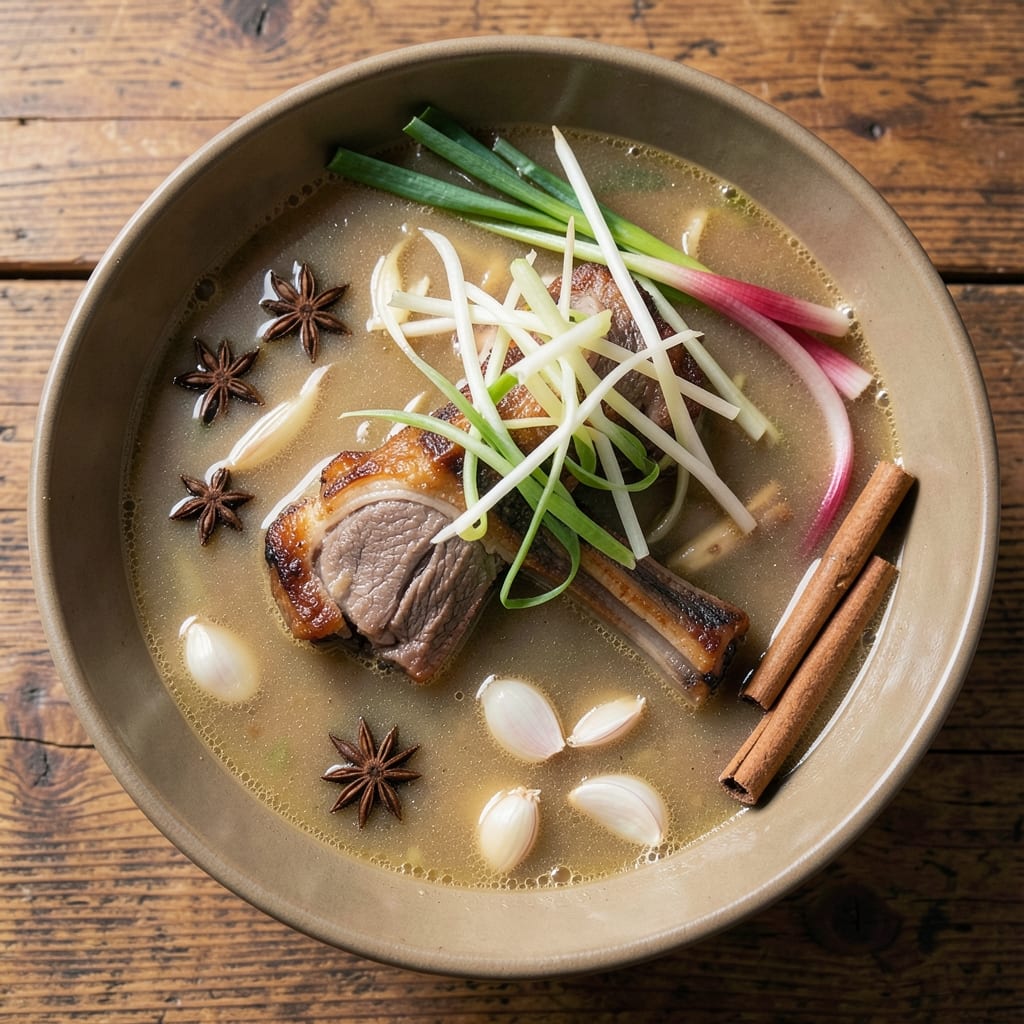
This Asian beef bone soup recipe delivers marbled tenderness and a silky broth that transforms ordinary meals into a nourishing experience. The secret lies in slow-simmering beef bones with aromatic spices, creating a rich foundation that pairs perfectly with traditional sides like tofu, greens, or noodles. I’ve perfected this technique over years, ensuring every spoonful is packed with depth and umami—without requiring specialized equipment.
The magic happens during the 3-hour simmer, where collagen-rich bones break down into a velvety broth. Double-boiling the broth (a key Asian technique) removes impurities while preserving clarity, and charring the bones adds a smoky complexity that elevates the flavor. This method isn’t just about taste—it’s about texture, too. The beef becomes fork-tender, while the broth remains silky and unctuous, clinging to every ingredient.
What you’ll end up with is a restaurant-quality soup that’s hearty yet balanced—ideal for cold weather or post-workout recovery. Serve it with steamed rice, fresh herbs, and a sprinkle of chili for brightness. The broth alone is worth the effort, but the combination of tender beef, soft vegetables, and fragrant aromatics makes it a complete dish that feels like a hug in a bowl.
Whether you’re feeding a family or meal prepping for the week, this recipe scales beautifully. The leftovers taste even better the next day, as flavors deepen with time. Let’s get started—your taste buds (and bones) will thank you.
Ingredients for asian beef bone soup
Silky broth and marbled beef bones create a restaurant-quality Asian soup with depth and umami.
| Ingredient | Amount | Notes |
|---|---|---|
| Beef Bones (Marbled) 🦴 | 2 lb | Knuckle or short ribs preferred |
| Fresh Ginger 🌿 | ½ inch | Fixed: Peel and slice thinly |
| Garlic Cloves 🧄 | 6 cloves | Smash lightly before adding |
| Green Onions 🧅 | 1 whole | White and green parts separated |
| Star Anise Pods 🌟 | 2 whole | Lightly crushed for aroma |
| Cinnamon Sticks 🍃 | 2 whole | Optional, adds depth |
| Dried Shiitake Mushrooms 🍄 | 4 whole | Rehydrated in hot water |
| Daikon Radish 🥕 | 1 lb | Cut into 1-inch chunks |
| Carrots 🥕 | 4 whole | Cut into 2-inch pieces |
| Celery Stalks 🌿 | 4 whole | Cut into 2-inch pieces |
| Soy Sauce 🥫 | ½ cup | Light or dark preferred |
| Sesame Oil 🫒 | 1 tbsp | Toasted, for finishing |
| Salt 🧂 | 1 ½ tsp | Diamond Crystal preferred |
| Black Peppercorns 🌶️ | ½ tsp | Freshly cracked |
The beef bones are the foundation—marbled knuckle or short ribs deliver the richest collagen for that signature silky texture. Costco or specialty butchers often carry these pre-cut, but if buying whole, ask for bones with good meat coverage. Char the bones lightly over a gas flame before simmering to develop a smoky depth that elevates the entire broth. Fresh ginger and garlic are non-negotiable here; organic ginger from Trader Joe's has the most punch, while garlic should be firm and free of sprouts. The star anise and cinnamon add aromatic complexity without overpowering—spice markets carry whole pods that stay potent for months.
No fresh ginger? Powdered ginger at half the amount works in a pinch, though it lacks the bright zing. Substitute daikon for regular radish if needed—the milder flavor balances better with the beef. The soy sauce can be reduced if you prefer less saltiness, but light soy for color, dark soy for depth is ideal. For extra umami, add 1 tbsp fish sauce (ensure it's vegetarian if needed). The mushrooms should be rehydrated in the broth itself to maximize their flavor infusion—no need for separate soaking liquid. Charred bones can be prepped ahead and frozen for up to 3 months.
This soup improves with time—4-5 days in the fridge, with flavors deepening daily. Store in airtight containers with a thin layer of fat on top to preserve freshness. For meal prep, portion into individual jars with rice and herbs layered on top. The broth alone freezes beautifully for up to 6 months—simply thaw and reheat, adding fresh aromatics like ginger and scallions at the end. Always taste before serving; adjust seasoning with a splash of soy sauce or a pinch of salt, as flavors concentrate during storage.
Why You'll Love This Recipe
- Marbled Magic Simmer: The rich, fatty marrow from those beef bones? It practically melts into the broth like butter—no fancy techniques, just a pot and patience.
- Ginger-Garlic Punch: That first sip hits like a warm hug: sharp ginger, toasty star anise, and crushed garlic cloves turning the broth into liquid gold. (Yes, even my garlic-hating husband asks for seconds.)
- Leftovers That Shine: Turns into instant noodle bowls, rice stir-fries, or even a quick dumpling dip the next day. Honestly, I make double batches just for this.
- Budget Bone Broth: Cheaper than takeout, healthier than store-bought, and way more flavorful. The bones give you miles of depth—no bouillon cubes needed. (My wallet thanks me.)
Step-by-step instructions for Asian beef bone soup
Transform humble ingredients into a restaurant-worthy bone broth with deep umami and silky texture.
Prepare the Bones and Aromatics
Rinse the 2 lb beef bones (marbled) thoroughly under cold water to remove any impurities, then place them in a large stockpot. Add the 0.5 inch fresh ginger (peeled and sliced), 6 cloves garlic (lightly smashed), 2 whole star anise pods (lightly crushed), and 2 whole cinnamon sticks. These aromatics form the flavor foundation, so don't skip the crushing—it releases essential oils that infuse the broth.
Add 4 whole dried shiitake mushrooms (rehydrated in hot water for 20 minutes) and 1 lb daikon radish (cut into 1-inch chunks). The mushrooms contribute earthy depth while the daikon adds natural sweetness that balances the broth's richness. Cover everything with 8 cups cold water—enough to submerge all ingredients by at least 2 inches. This ensures maximum extraction of collagen and minerals from the bones.
Simmer for Maximum Flavor Extraction
Bring the pot to a boil over medium-high heat, then immediately reduce to a gentle simmer. Here's the critical part: maintain a temperature where you see tiny bubbles at the bottom but no rolling boil. This low-and-slow approach prevents the broth from becoming cloudy while extracting gelatinous collagen that gives the soup its signature silkiness.
Skim off any foam or impurities that rise to the surface during the first 30 minutes using a fine-mesh skimmer. This ensures a crystal-clear broth. Simmer uncovered for 3 hours, adding 4 whole carrots (cut into 2-inch pieces) and 4 whole celery stalks (cut into 2-inch pieces) after the first hour. The vegetables add subtle sweetness and body without overpowering the beef's natural flavor.
Season and Finish the Broth
After 3 hours, remove the pot from heat and let it sit for 15 minutes to allow any settled impurities to settle at the bottom. Strain the broth through a fine-mesh sieve into a clean pot, pressing gently on the solids to extract maximum flavor. Discard the solids or save for compost.
Return the strained broth to the pot and stir in the 0.5 cup soy sauce, 1.5 tsp salt, and 0.5 tsp freshly cracked black peppercorns. The soy sauce enhances umami while balancing the broth's natural sweetness. Taste and adjust seasoning—you want the broth to be rich but not salty, with a deep, meaty aroma that makes your mouth water.
Finish with Fresh Elements
Return the broth to a simmer and add the white parts of 1 whole green onion (cut into 1-inch pieces). Simmer for 10 minutes to infuse subtle onion sweetness. Remove from heat and stir in 1 tbsp toasted sesame oil just before serving. This final touch adds nutty depth and a glossy sheen to the broth.
Ladle the hot broth into bowls and garnish with the green parts of the green onions (chopped) for freshness. Serve immediately with steamed rice or crusty bread to soak up every drop of that silky, umami-rich broth. The result should be a deep amber color with a velvety texture that coats your spoon, not a thin, watery liquid.
Pro Tips For Making Asian Beef Bone Soup
- Sear Bones First: DESCRIPTION:
- Slice Ginger Thin: DESCRIPTION:
- Don’t Rush the Simmer: DESCRIPTION:
- Add Green Onions Late: DESCRIPTION:
Serving suggestions for this asian beef bone soup
Rice Pairing Perfection
Steamed jasmine rice is my go-to pairing—its delicate floral notes complement the broth's deep umami without competing. Cook 1 cup jasmine rice with 1.25 cups water (or follow package instructions) until tender and fluffy. For extra richness, stir in 1 tsp toasted sesame oil and a pinch of salt after cooking. The rice soaks up the broth beautifully, creating a satisfying bite with each spoonful. 🍚
Fresh Herb Garnishes
Brighten the soup with thinly sliced Thai basil or cilantro just before serving. The herbaceous notes cut through the richness, adding a refreshing contrast. I also like sprinkling crushed roasted peanuts (about 2 tbsp) for crunch and a nutty depth. For a spicy kick, add red chili crisp or Sichuan peppercorns—just ½ tsp adds heat without overpowering.
Crusty Bread Sides
Serve with garlic toast made from a baguette or sourdough sliced into ½-inch pieces. Brush with a mix of 2 tbsp melted butter and 1 minced garlic clove, then toast until golden. The bread's crispy texture contrasts perfectly with the silky broth. For a heartier option, try pan-fried mantou (steamed buns) or rice crackers for dipping.
Vegetable Add-Ins
Boost nutrition by adding baby bok choy or shredded napa cabbage (about 2 cups) to the soup in the last 5 minutes of cooking. These greens wilt quickly while retaining their vibrant color. For extra heartiness, stir in soft tofu cubes (about ½ cup) or sliced shiitake mushrooms during the final simmer. The vegetables add freshness and balance the richness of the broth.
Dipping Sauces
Offer a sesame-ginger dipping sauce by blending 2 tbsp soy sauce, 1 tbsp rice vinegar, 1 tsp grated ginger, 1 tsp honey, and ½ tsp sesame oil. This tangy-sweet sauce enhances the soup's flavors when drizzled over rice or used for dipping. For a spicy option, mix 1 tbsp gochujang with 1 tsp honey and a splash of water for a fermented kick. 🌶️
Nutrition facts
Frequently asked questions about Asian beef bone soup
Can I use chicken or pork bones instead of beef?
While chicken or pork bones work for broth, they won't deliver the same rich, marbled texture as beef. Beef bones contain more collagen and fat, creating that signature silky consistency. If you're set on using chicken, add extra gelatin or cornstarch to thicken the broth for a similar mouthfeel.
How do I prevent the broth from becoming cloudy?
Skimming foam during the first 30 minutes of simmering is key! Also, maintain a gentle simmer (tiny bubbles) rather than a rolling boil. If the broth still looks cloudy, strain it through a cheesecloth-lined sieve for an ultra-clear result. The double-boiling technique (simmering uncovered) also helps remove impurities.
What's the best way to store leftovers?
Store the broth in airtight containers with a thin layer of fat on top to preserve freshness. It keeps well in the fridge for 4-5 days, with flavors deepening over time. For longer storage, freeze the broth (up to 6 months)—just thaw slowly in the fridge and reheat gently to maintain texture.
Can I make this soup in an Instant Pot?
Yes! Use the "High Pressure" setting for 90 minutes instead of simmering. Add all ingredients as directed, then pressure cook. The Instant Pot speeds up collagen extraction, though the flavor may be slightly less developed. For best results, finish with a 10-minute simmer on the stove to deepen the aroma.
Why does my broth taste bitter?
Bitterness usually comes from overcooking or using old bones. Simmer for exactly 3 hours and avoid boiling. If using store-bought bones, check for preservatives—fresh, high-quality bones make all the difference. Adding a pinch of sugar or more daikon (natural sweetness) can also balance the flavor.