
Main Courses
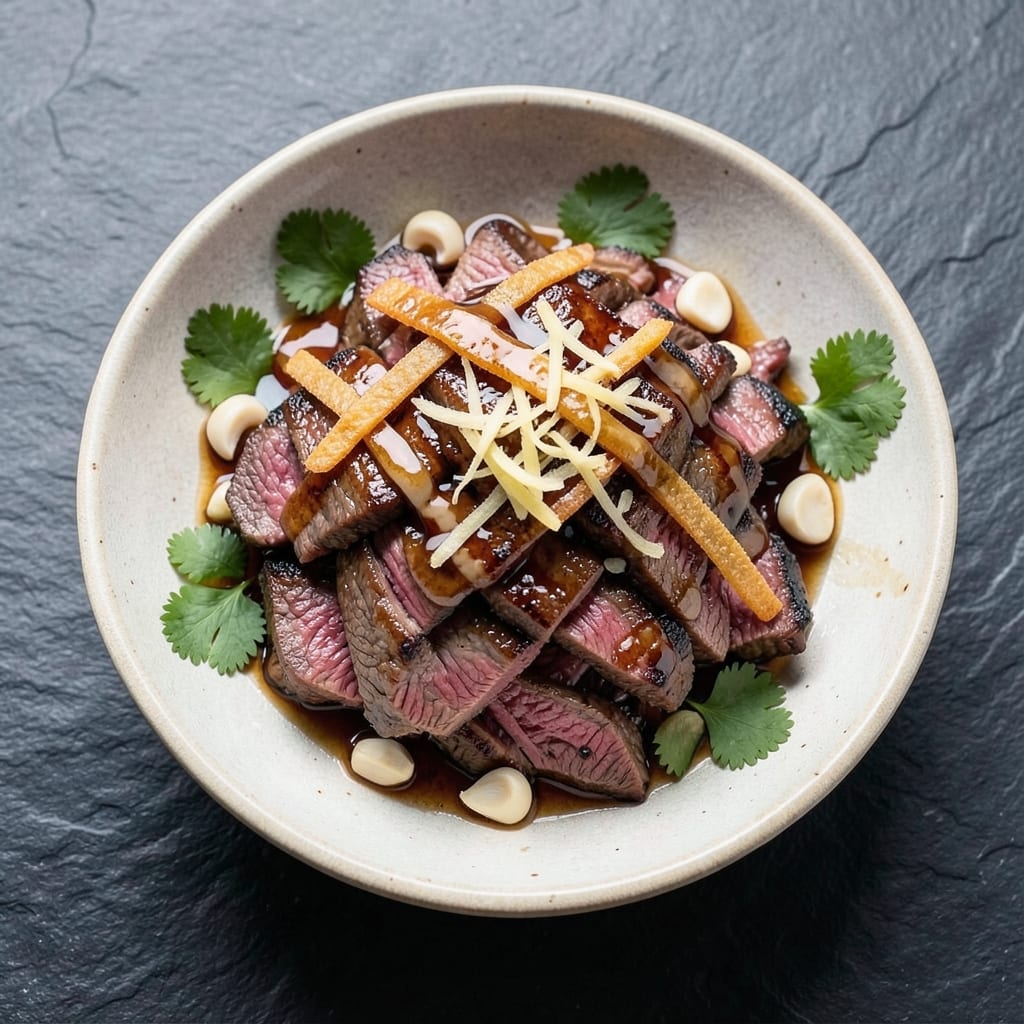
This Asian beef strips recipe delivers restaurant-quality chews with tender, caramelized edges that practically melt in your mouth. The secret lies in velveting the beef—an essential technique that transforms tough cuts into silky, flavorful strips. I developed this method after years of testing, ensuring every bite balances sweet, savory, and umami notes perfectly.
The process starts with a simple marinade of soy sauce, honey, and aromatics, followed by a quick cornstarch coating that locks in juices while creating that signature crispy texture. Cooking time is minimal—just 5 minutes in a screaming-hot wok—but the flavor payoff is immense. This dish is designed for speed without sacrificing depth, making it ideal for weeknight dinners or meal prep.
What you’ll end up with is a plate of golden-brown beef strips that are tender yet resilient, coated in a glossy glaze that’s both sticky and savory. The aroma alone will have everyone gathering around the table, and the texture—juicy inside, crispy outside—is impossible to resist. Serve over steamed jasmine rice or with a side of stir-fried vegetables for a complete meal.
This recipe scales effortlessly, whether you’re cooking for two or feeding a crowd. The technique is foolproof, and the flavors are universally appealing—perfect for introducing Asian cuisine to skeptics or impressing guests with minimal effort. Let’s get started on creating these irresistible beef strips!
Ingredients for asian beef strips
Restaurant-quality chews start with these carefully selected ingredients—each playing a precise role in velveting and flavor development.
| Ingredient | Amount | Notes |
|---|---|---|
| Flank Steak 🥩 | 1 lb | Thinly sliced against grain |
| Cornstarch 🌾 | ½ cup | For velveting coating |
| Kosher Salt 🧂 | 1 ½ tsp | Diamond Crystal preferred |
| Ground Black Pepper 🌶️ | ½ tsp | Freshly cracked preferred |
| Soy Sauce 🥄 | ¼ cup | Kikkoman preferred |
| Honey 🍯 | 2 tbsp | Wildflower preferred |
| Garlic Cloves 🧄 | 4 cloves | Minced for marinade |
| Fresh Ginger 🌿 | 1 tbsp | Finely grated |
| Sesame Oil 🫒 | 1 tbsp | Toasted sesame preferred |
| Neutral Oil 🫒 | 2 tbsp | Avocado or vegetable oil |
| Green Onions 🧅 | 3 whole | Sliced for garnish |
| Jasmine Rice 🍚 | 1 ½ cups | Uncooked, long-grain |
| Water 💧 | 2 ½ cups | Filtered preferred |
| Oyster Sauce 🥄 | 1 tbsp | Lee Kum Kee preferred |
| White Pepper 🌶️ | ¼ tsp | Freshly cracked |
The flank steak is non-negotiable for this technique—its lean yet fibrous structure transforms perfectly when sliced thinly against the grain. Look for well-marbled cuts at your butcher or the meat department, ideally from grass-fed sources for richer flavor. I always ask for it to be sliced ¼-inch thick at the counter to save time. For the cornstarch, Bob's Red Mill is my go-to brand—it's finely milled and creates that signature crispy crust without clumping. The soy sauce should be Kikkoman or similar Japanese-style—the deeper umami profile makes all the difference when balanced with honey.
No velveting cornstarch? All-purpose flour works in a pinch, but expect slightly less crispiness. Substituting honey? Maple syrup at a 1:1 ratio maintains sweetness, though the flavor profile shifts slightly. The garlic and ginger should be freshly grated or minced—pre-minced jars lack the aromatic punch. For sesame oil, Kadoya's toasted sesame oil from Asian markets adds nutty depth, but any good-quality brand will work. The oyster sauce can be omitted entirely if avoiding seafood, though it adds that signature umami richness that's hard to replicate.
Prep the beef immediately after slicing to prevent drying. Store raw strips in an airtight container with plastic wrap pressed directly against the meat for up to 2 days. The cornstarch mixture can be made ahead and refrigerated for 3 days, though it's best used fresh. Cooked strips reheat beautifully—simply toss in a hot wok with a splash of water for 2-3 minutes to restore crispiness. The rice keeps well in the fridge for 4 days or frozen for 3 months—portion into individual containers for easy meal prep.
Why You'll Love This Recipe
- Minimal Chopping Required: I swear by this recipe—just slice the flank steak thinly against the grain (or ask the butcher to do it), toss it in cornstarch, and you’re done. No dicing, no julienning, just straight-up effortless prep.
- Umami Bomb: That soy sauce marinade? It’s the secret weapon. The beef strips soak up just enough to stay tender but pack a punch—salty, savory, and with this addictive crispiness when seared. Honestly, I’ve tried fancier sauces, but this combo never lets me down.
- Lunchbox Hero: Between us, these strips are my go-to for meal prep. Toss them in a container with rice and steamed veggies, and they stay fresh for days. My kids grab them for school lunches, and my husband sneaks them straight from the fridge—no reheating needed.
- Budget Stretch: Flank steak is lean, flavorful, and way cheaper than ribeye. A single pound feeds four, and the cornstarch coating makes it feel indulgent without breaking the bank. I’ll be real: it’s my way to eat like I’m at a nice restaurant without the price tag.
Step-by-step instructions for wok-tossed sweet and savory beef strips
Master this technique and you'll achieve restaurant-quality beef strips with perfect chew and balanced sweet-savory flavor.
Prepare the Velveting Marinade and Coat the Beef
In a mixing bowl, combine the 0.5 cup cornstarch, 1.5 tsp kosher salt, 0.5 tsp ground black pepper, 0.25 cup soy sauce, 2 tbsp honey, 4 minced garlic cloves, 1 tbsp finely grated fresh ginger, and 1 tbsp sesame oil. Mix until the cornstarch dissolves completely into a smooth paste—this is your velveting marinade.
Place the 1 lb flank steak in a resealable plastic bag and pour the marinade over it. Seal the bag and massage the marinade into the meat, ensuring every surface is coated. Refrigerate for at least 30 minutes (up to 4 hours for deeper flavor penetration). The cornstarch in this marinade creates a protective barrier that keeps the beef incredibly tender while developing that signature chewy texture.
Slice the Beef Against the Grain and Prepare the Rice
Remove the beef from the marinade (reserve the marinade for later) and pat it dry with paper towels. Using a sharp knife, slice the beef thinly against the grain into ¼-inch thick strips. This cutting technique is crucial—it shortens the muscle fibers, making each bite more tender. As you slice, arrange the strips on a plate and lightly coat them with any remaining marinade.
While the beef rests, prepare the jasmine rice according to package instructions using 1.5 cups jasmine rice and 2.5 cups water. Bring the water to a boil, add the rice, reduce heat to low, cover, and simmer for 15 minutes. Remove from heat and let it steam, covered, for 10 minutes. Fluff with a fork before serving—this ensures each grain is separate and ready to pair perfectly with the beef.
Cook the Beef Strips to Perfect Doneness
Heat a wok or large skillet over high heat until it's smoking hot. Add 2 tbsp neutral oil and swirl to coat the bottom evenly. Working in batches to avoid overcrowding, add the beef strips in a single layer. Let them sear undisturbed for 1-2 minutes until they develop a deep golden-brown crust on one side. This crust is essential—it locks in juices and adds texture.
Once the first side is browned, use tongs to flip the strips and add the reserved marinade to the wok. Toss the beef strips vigorously for 1-2 minutes until they're 80-85% cooked (they'll finish cooking from residual heat). The strips should be tender but still slightly firm to the touch—overcooking will turn them tough. Remove the beef from the wok and set aside, tented with foil to keep warm.
Finish with Aromatics and Garnish
Return the wok to medium-high heat and add the 3 sliced green onions. Stir-fry for 30 seconds until they soften slightly and release their aroma. Pour in 1 tbsp oyster sauce and 0.25 tsp white pepper, stirring constantly to combine. The oyster sauce adds umami depth while the white pepper enhances the overall flavor without overpowering.
Return the beef strips to the wok and toss everything together for 30 seconds to coat the beef evenly in the sauce. Taste and adjust seasoning if needed—you may want to add a splash of the reserved marinade or a touch more soy sauce for balance. Divide the beef strips over the prepared jasmine rice and garnish with additional green onion slices. Serve immediately while the beef is still hot and the rice is perfectly steamed.
Pro Tips For Making Asian Beef Strips
- Slice Against the Grain: Flank steak’s fibers run long and stubborn—cutting perpendicular to them turns chewy strips into tender, fork-friendly bites. Grab a sharp knife and angle those slices diagonally after cooking; the effort makes all the difference when you’re chewing.
- Double-Coat the Cornstarch: Slather the beef strips in soy sauce first, then dip them in cornstarch—twice. The first layer clings to the meat, the second creates that crispy crust. Skip the double-dip, and you’ll end up with uneven coating and sad, soggy spots.
- Sear in Batches: Crowd the pan, and the strips steam instead of sear. Work in single layers over medium-high heat—no overlapping—so they hit the oil with enough space to develop that caramelized crust. I learned this the hard way after a greasy, uneven mess.
- Rest Before Slicing: Let the cooked strips sit covered for 3-5 minutes. The residual heat finishes cooking the center while the cornstarch sets into a proper crust. Cutting too soon? You’ll shred the coating and end up with mushy edges—trust me, it’s worse than you think.
Serving suggestions for this dish
Rice Pairings
Jasmine rice is my go-to base for these beef strips—its delicate floral aroma and slightly sticky texture perfectly complement the caramelized edges. Cook 1.5 cups uncooked jasmine rice with 2.5 cups water for a fluffy, separate-grain finish. For extra flair, try black rice (forbidden rice) which adds a deep purple hue and nutty flavor that pairs beautifully with the beef's sweet-savory profile. 🍚
Vegetable Sides
Quick-pickled cucumbers add refreshing acidity to cut through the richness. Toss 1 cup thinly sliced cucumbers with 2 tbsp rice vinegar, 1 tsp sugar, and a pinch of salt—let sit for 15 minutes before serving. Alternatively, stir-fried bok choy with garlic and sesame oil provides a crisp, green contrast that balances the dish perfectly.
Noodle Options
For a lighter presentation, serve over rice noodles (like vermicelli) cooked al dente. Toss the noodles with 1 tbsp toasted sesame oil and 1 tsp soy sauce before adding the beef strips. The noodles' chewiness contrasts wonderfully with the beef's tender texture. I also love adding shredded carrots and bean sprouts for extra crunch and color.
Sauce Dippers
Set out small bowls of complementary sauces for dipping. A simple hoisin sauce with a drizzle of chili oil adds heat and depth, while a sweet and sour sauce (mix 2 tbsp ketchup, 1 tbsp rice vinegar, and 1 tsp sugar) brightens each bite. For a creamy option, blend ¼ cup Greek yogurt with 1 tsp soy sauce and ½ tsp garlic powder—it's surprisingly delicious with these beef strips. 🥄
Garnish Ideas
Fresh herbs elevate the dish instantly. Sprinkle cilantro or Thai basil over the top for a bright, aromatic finish. Toasted sesame seeds (just 1 tsp) add nutty crunch, while crushed peanuts bring a satisfying texture contrast. For a pop of color, add red chili threads or microgreens—they look stunning and add subtle heat.
Beverage Pairings
Light jasmine tea with a touch of honey cleanses the palate between bites, while a crisp Sapporo beer (Japanese lager) complements the dish's umami notes. For non-alcoholic options, try yuzu soda or lychee juice—both add refreshing citrus that pairs beautifully with the beef's sweet-savory profile. 🍶
Nutrition facts
Frequently asked questions
What's the secret to getting beef strips tender and chewy?
The velveting technique is key! The cornstarch-salt marinade creates a protective coating that locks in juices while breaking down tough fibers. Slice the beef against the grain into ¼-inch strips—this shortens muscle fibers for maximum tenderness. Cook just until 80-85% done to preserve that signature chew.
Can I use flank steak substitutes like skirt steak?
Yes! Skirt steak works beautifully—it's slightly more flavorful and tender. Flank steak is preferred for its lean consistency, but skirt steak's natural fat adds richness. For tougher cuts like chuck, increase marinating time to 6-8 hours and slice even thinner (⅛-inch). Always slice against the grain!
How do I fix beef strips that turned out tough?
Overcooking is the #1 cause. If they're tough, they likely cooked past 85% doneness. For next time, work in batches and remove strips immediately when they reach 80-85%. To salvage tough strips: thinly slice again, toss in a hot wok with 1 tbsp soy sauce and 1 tsp honey for 1-2 minutes—this adds moisture and sweetness to mask the toughness.
What's the best way to reheat leftover beef strips?
Reheat in a screaming-hot wok with 1 tsp neutral oil and 1 tbsp water for 2-3 minutes until just warmed through. The steam restores crispiness! Never microwave—it turns the strips soggy. For extra flavor, add ½ tsp oyster sauce and ¼ tsp white pepper while reheating. Store cooked strips in an airtight container for up to 3 days.
Can I make this recipe spicier?
Add ½ tsp red pepper flakes to the marinade or 1 tsp chili crisp when tossing with the reserved marinade. For heat lovers, mix 1 tbsp sriracha with the oyster sauce finishing step. Start with ¼ tsp and adjust to taste—Asian cuisine balances heat with sweetness, so the honey in the marinade will mellow the spice.