
Soups & Stews
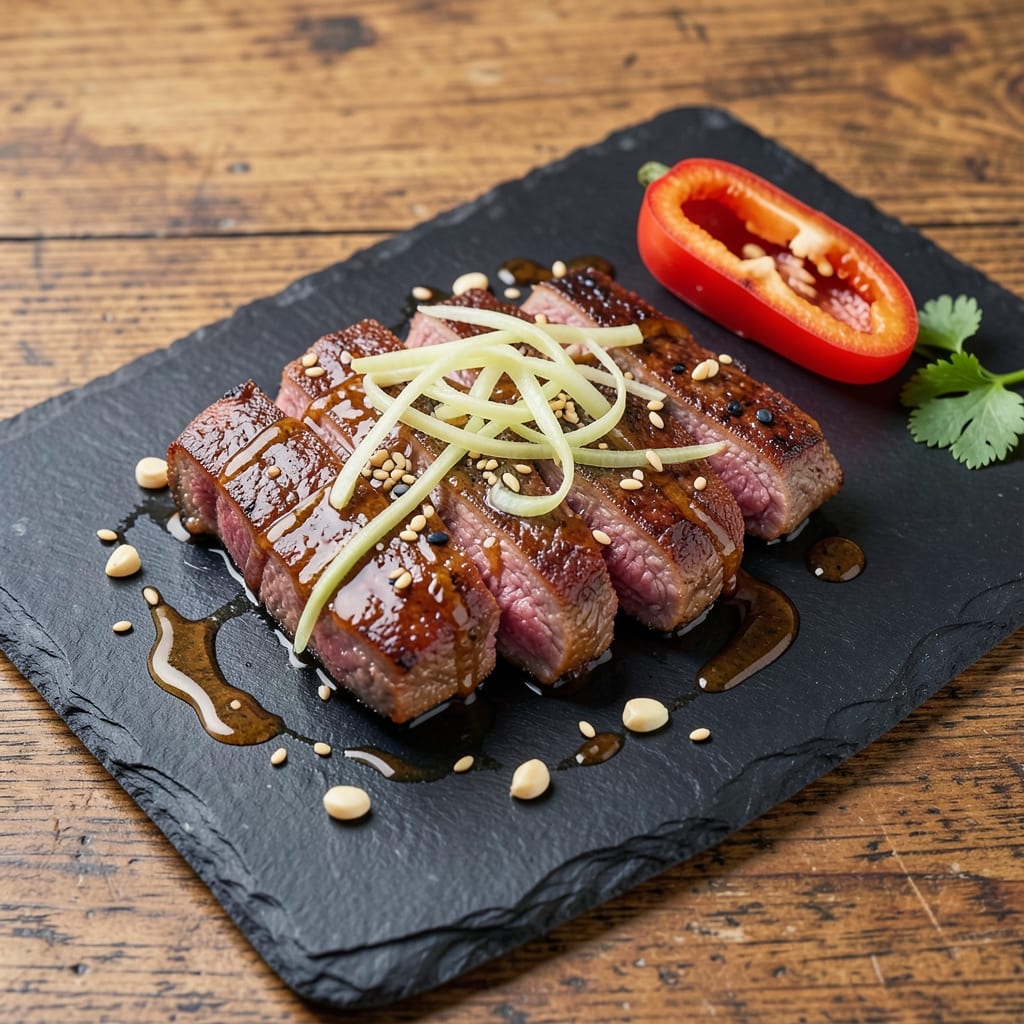
This Asian ginger beef recipe delivers restaurant-quality flavor in just 20 minutes—bold, aromatic, and perfectly balanced between spice and sweetness. The secret lies in marinating thinly sliced beef with fresh ginger, garlic, and a touch of soy sauce, letting the flavors meld while tenderizing the meat. This isn’t just another stir-fry; it’s a dish that transforms simple ingredients into something deeply satisfying with just a wok and high heat.
The magic happens in the wok, where the beef sears quickly over blazing heat, locking in juices while developing a caramelized crust. A quick deglaze with a splash of rice vinegar and a drizzle of honey creates a glossy, sticky sauce that clings to every bite. The result is tender, flavorful beef with a glossy sheen—each piece bursting with layers of ginger’s warm kick and the subtle sweetness of the sauce.
This recipe is designed for speed without sacrificing depth, making it perfect for weeknight dinners or weekend gatherings. Serve it over steamed jasmine rice to soak up every last bit of that aromatic sauce, or pair it with quick-pickled vegetables for a refreshing contrast. The technique is straightforward, but the flavor is anything but basic—this is the kind of dish that turns a simple meal into a memorable experience.
Whether you’re cooking for two or feeding a crowd, this Asian ginger beef comes together in under 20 minutes, proving that restaurant-quality meals don’t require hours in the kitchen. Let’s get started—your taste buds will thank you.
Ingredients for asian ginger beef
Restaurant-quality Asian ginger beef hinges on these 14 ingredients—each playing a precise role in balancing heat, sweetness, and umami.
| Ingredient | Amount | Notes |
|---|---|---|
| Flank Steak 🥩 | 1 ½ lb | Thinly sliced against grain (1/4-inch thick) |
| Fresh Ginger Root 🌿 | 3 tbsp | Finely grated, aromatic variety preferred |
| Garlic Cloves 🧄 | 6 cloves | Minced, fresh for maximum flavor |
| Low-Sodium Soy Sauce 🥄 | ½ cup | Kikkoman preferred for authentic taste |
| Rice Vinegar 🍶 | ¼ cup | Seasoned variety for subtle sweetness |
| Honey 🍯 | 2 tbsp | Wildflower for floral depth |
| Sesame Oil 🫒 | 1 tbsp | Toasted, for nutty aroma |
| Vegetable Oil 🫒 | 2 tbsp | High smoke point for wok searing |
| Red Chili Flakes 🌶️ | 1 tsp | Adjust to heat preference |
| Jasmine Rice 🌾 | 1 ½ cups | Uncooked, long-grain preferred |
| Scallions 🧅 | 3 whole | Thinly sliced, for garnish |
| Sesame Seeds 🌰 | 1 tbsp | Toasted, for crunchy texture |
| Salt 🧂 | 1 tsp | Diamond Crystal preferred |
| Ground Black Pepper 🌶️ | ½ tsp | Freshly cracked for intensity |
The flank steak is non-negotiable—its lean texture and grain direction are perfect for quick cooking. Butcher-cut thinly against the grain at the store or use a sharp knife to slice it yourself; thicker pieces won’t tenderize properly. For sourcing, Whole Foods or local Asian markets carry the best quality, but any well-marbled cut will work. Fresh ginger and garlic are the flavor anchors—look for plump, firm ginger root with no soft spots and garlic cloves that feel heavy for their size. The soy sauce should be low-sodium to avoid over-salting the dish, and Kikkoman delivers that authentic umami punch without additives.
No fresh ginger? Substitute with 1 tbsp ginger powder, but you’ll lose that bright, zesty kick. Out of sesame oil? Avocado oil works in a pinch, though it lacks the nutty depth. For heat control, swap chili flakes for 1 tsp gochujang (Korean chili paste) if you prefer fermented spice. The honey can be replaced with maple syrup for a vegan option, though it’ll alter the floral notes slightly. When prepping, toast your sesame seeds in a dry pan for 30 seconds—this amplifies their aroma tenfold. The rice vinegar should be seasoned (not plain) to add subtle sweetness that rounds out the dish.
Marinated beef keeps for up to 2 days in the fridge, but the sauce components (vinegar, honey, soy) can be pre-mixed and stored for 1 week. Freeze the sauce in ice cube trays for single-use portions—perfect for quick weeknight meals. The cooked beef reheats beautifully in a wok or skillet with a splash of water for 2-3 minutes over high heat. For optimal texture, store cooked rice separately and steam fresh when reheating—it absorbs the sauce better that way. This dish tastes even better the next day as flavors meld, so double the batch if you’re feeding a crowd.
Why You'll Love This Recipe
- I swear by this trick: just toss the steak with grated ginger, minced garlic, and soy sauce, then let it sit while I make dinner. The flavors meld into something seriously addictive without any fuss—no fancy techniques, no stress.
- No-Fuss Marinade: I swear by this trick: just toss the steak with grated ginger, minced garlic, and soy sauce, then let it sit while I make dinner. The flavors meld into something seriously addictive without any fuss—no fancy techniques, no stress.
- Ginger-Garlic Magic: That crispy sear on the outside with tender beef inside? It’s the ginger and garlic working their spell. The vinegar adds this bright, tangy kick that cuts through the richness—like a little flavor party in every bite.
- Weeknight to Party: Honestly, this is my go-to for both Tuesday takeout cravings and impressing guests. Serve it over rice with quick-pickled veggies, and suddenly you’ve got a restaurant-worthy meal that still feels effortless.
Step-by-step instructions for Asian ginger beef
Master this wok technique for perfectly tender beef with vibrant, balanced flavors in record time.
Prepare the Flank Steak and Rice
Begin by slicing the 1.5 lb flank steak against the grain into ¼-inch thick strips. This crucial step ensures maximum tenderness by shortening the muscle fibers. Pat the slices dry with paper towels to remove any surface moisture, which helps achieve that signature caramelized crust during searing.
While the steak preps, rinse the 1.5 cups jasmine rice under cold water to remove excess starch. In a medium saucepan, combine the rice with 3 cups water and a pinch of salt. Bring to a boil, then reduce heat to low, cover, and simmer for 15 minutes. Remove from heat and let steam 5 minutes undisturbed. Fluff with a fork before serving—this prevents a gummy texture.
Create the Ginger-Garlic Marinade
In a small bowl, combine the 0.5 cup low-sodium soy sauce, 0.25 cup rice vinegar, 2 tbsp honey, 3 tbsp finely grated fresh ginger root, 6 minced garlic cloves, 1 tsp red chili flakes, 1 tbsp sesame oil, 1 tsp salt, and 0.5 tsp ground black pepper. Whisk vigorously until the honey and soy sauce emulsify into a glossy marinade. The aroma should be sharp, sweet, and slightly spicy—this is your flavor foundation.
Add the sliced flank steak to the marinade and toss to coat evenly. Let it marinate for at least 10 minutes at room temperature (no longer, or the beef will toughen). I like to press the marinade into the meat with my fingers to ensure full coverage—this guarantees every bite packs maximum flavor.
Sear the Beef in a Hot Wok
Heat a 14-inch wok or large skillet over high heat until a drop of water sizzles and evaporates instantly. Add 2 tbsp vegetable oil and swirl to coat the surface. Working in batches (don't overcrowd), add the marinated beef and sear for 1-2 minutes per side until the edges develop a deep golden-brown crust. The beef should remain slightly pink in the center—it will finish cooking from residual heat.
As the beef cooks, you'll notice the wok smoke slightly from the ginger and garlic—this is normal and actually enhances the aroma. If the pan gets too smoky, reduce heat slightly but maintain a high sear. Transfer the cooked beef to a plate and tent loosely with foil to keep warm.
Build the Sauce and Combine
Return the wok to high heat and add the reserved marinade, scraping up any browned bits from the bottom with a wooden spoon. Bring to a rapid simmer and cook for 2-3 minutes until the sauce reduces by half and thickens slightly. The color should deepen to a rich amber, and the liquid should coat the back of a spoon.
Add the seared beef back to the wok and toss gently to coat in the sauce. Cook for an additional 1 minute, allowing the beef to absorb the remaining flavors. The dish should be vibrant, with a glossy sheen from the reduced sauce. Taste and adjust seasoning—add a splash of water if the sauce is too thick, or a pinch of salt if needed.
Garnish and Serve Immediately
Transfer the ginger beef to a serving platter and garnish with 3 thinly sliced whole scallions and 1 tbsp toasted sesame seeds. The scallions add a fresh, bright contrast to the rich beef, while the sesame seeds contribute a nutty crunch. Serve the beef over the steamed jasmine rice, spooning any extra sauce from the wok over the top.
This dish shines when served immediately, while the beef is still sizzling and the rice is perfectly steamed. The combination of tender beef, aromatic rice, and vibrant sauce creates a harmonious balance of sweet, spicy, and umami flavors that define authentic Asian wok cooking.
Pro Tips For Making Asian Ginger Beef
- Slice Against the Grain: The flank steak’s fibers run diagonally—cut your slices at a 45-degree angle to the grain, not parallel. I used to ignore this and ended up with chewy, tough bites. Thin, perpendicular slices melt in your mouth.
- Peel Ginger Like a Pro: Use a spoon to scoop out the ginger’s fibrous center before grating—it’s the only way to avoid a gritty, stringy texture. No need for a microplane; a box grater with the large holes works just fine if you’re in a hurry.
- Sear Hot and Fast: Get your pan screaming hot before adding the steak—anything less and you’ll steam it instead of sear it. I learned this the hard way after walking away for "just a minute" and ending up with pale, rubbery beef.
- Deglaze with Vinegar First: Pour in the rice vinegar right after removing the steak—it cuts through the fond and brightens the sauce immediately. Then add the soy sauce. Skipping this step means a flat, one-dimensional flavor instead of that tangy kick.
Common mistakes when making great asian ginger beef
Over-Marinating the Beef
The marinade is your flavor powerhouse, but leaving beef in it too long can turn tender meat into something tough. I’ve seen home cooks let the beef sit for hours, thinking more time equals better flavor—but the acid in soy sauce and vinegar actually breaks down proteins, making the meat mushy. Stick to 10-15 minutes max at room temperature. If you need to prep ahead, marinate in the fridge for up to 2 hours, then bring to room temp before cooking. 🌡️
Skipping the Rest
After searing, it’s tempting to dive right in and eat—but resting the beef for 2-3 minutes under foil lets the juices redistribute. I’ve rushed this step and ended up with dry, stringy beef. The residual heat finishes cooking the center while keeping it moist. Trust the process: tent that plate and let it rest! ⏰
Overcrowding the Wok
This is a classic mistake that kills the sear. A crowded wok steams the beef instead of searing it, leading to soggy, unevenly cooked pieces. Work in small batches—I use a 14-inch wok and cook no more than ½ lb of beef at a time. If your wok isn’t big enough, cook in two rounds. The goal is a deep golden crust, not a sad, pale mess. 🔥
Ignoring the Wok’s Heat
Your wok needs to be scorchingly hot before adding oil—anything less and you’ll end up with greasy, undercooked beef. Test it by tossing in a drop of water: if it sizzles and evaporates instantly, you’re ready. I’ve ruined batches by rushing this step, so take the 30 seconds to heat it properly. A high-heat setting is non-negotiable for that perfect crust. ⚡
Under-Reducing the Sauce
That glossy sauce is what ties the dish together, and a thin, watery version falls flat. Simmer the marinade until it reduces by half—about 2-3 minutes—and coats the back of a spoon. I’ve seen cooks skip this step, leaving the beef swimming in a weak, soupy sauce. Taste as you go: the sauce should be thick enough to cling but still silky. 🥄
Using the Wrong Cut of Beef
Flank steak is your best friend here, but I’ve seen people try this recipe with sirloin or ribeye, which are too tough and fatty for quick cooking. The lean, fibrous nature of flank steak breaks down beautifully when sliced thin and cooked fast. If you must substitute, use skirt steak—it’s equally tender when handled right. Never, ever use a thick-cut steak; it’ll turn into shoe leather. 🥩
Nutrition facts
Frequently asked questions
Can I use a different cut of beef instead of flank steak?
Flank steak is ideal for its lean texture, but skirt steak works well too. Avoid tougher cuts like sirloin or ribeye—they won’t tenderize properly in the quick cooking time. If substituting, slice ¼-inch thick against the grain and marinate for no longer than 15 minutes to prevent toughness.
How do I adjust the spice level for sensitive palates?
Start by reducing the red chili flakes to ½ tsp or omit them entirely. For a milder kick, add ½ tsp ground white pepper instead—it adds warmth without heat. Taste the sauce before serving and adjust with a pinch of sugar or more honey if needed.
Can I make this recipe in a regular skillet instead of a wok?
A 12-inch cast-iron skillet works perfectly—just ensure it’s preheated over high heat until smoking. Cook in small batches (no more than ½ lb at a time) to maintain the sear. The key is high heat and proper batching, not the pan shape.
What’s the best way to reheat leftovers?
Reheat in a clean wok or skillet over medium-high heat with 1 tbsp vegetable oil for 2-3 minutes, adding a splash of water to loosen the sauce. Avoid microwaving—the beef will turn rubbery. For rice, steam fresh before serving to restore its texture. Leftovers keep for 3 days in the fridge.
How can I add more vegetables to this dish?
Stir-fry bell peppers or bok choy in the wok after searing the beef but before adding the sauce. For heartier meals, add shredded cabbage or snap peas—they cook quickly and add crunch. Just don’t overcrowd the pan or the beef will steam instead of sear.