
Main Courses
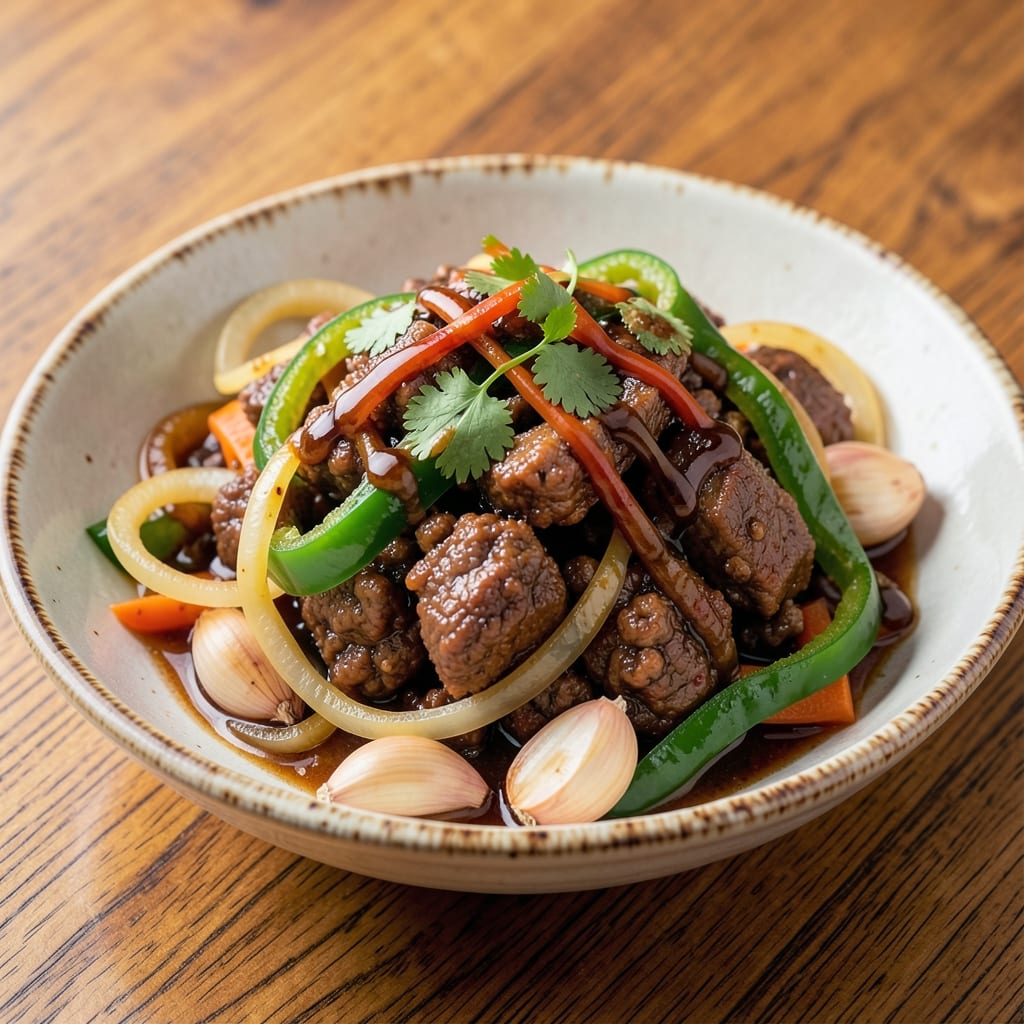
This Asian ground beef stir fry delivers restaurant-quality flavor in a single pan, combining savory soy, bright ginger, and a satisfying crunch. The secret lies in high-heat searing of the beef with aromatics, followed by a quick sauce integration that creates a glossy, umami-rich coating. I developed this recipe after years of testing—balancing authentic techniques with modern adaptability for home cooks.
The foundation starts with properly browning the ground beef, which builds deep flavor before adding vegetables. A classic soy-ginger sauce ties everything together, but I’ve included variations for teriyaki, peanut, or spicy chili preferences. The dish pairs perfectly with steamed rice or noodles, making it both a weeknight staple and a crowd-pleasing main course.
What you’ll achieve is tender beef with caramelized edges, crisp-tender vegetables, and a sauce that clings beautifully to each bite. The aromatics—garlic, ginger, and green onions—infuse every component, while the cornstarch slurry ensures that signature stir-fry gloss. This method keeps prep simple without sacrificing authenticity.
Whether you’re serving a family dinner or meal prepping for the week, this stir fry scales effortlessly. Garnish with sesame seeds and extra green onions for that final restaurant touch. Let’s get cooking—your taste buds will thank you.
Ingredients for asian ground beef stir fry
Restaurant-quality flavors start with these 15 ingredients—simple, but packed with umami and crunch.
| Ingredient | Amount | Notes |
|---|---|---|
| Ground Beef (80/20 fat ratio) 🥩 | 1 ½ lb | Freshly ground for best flavor |
| Yellow Onion 🧅 | 1 whole | Thinly sliced, outer layers removed |
| Garlic Cloves 🧄 | 4 cloves | Minced, fresh preferred |
| Fresh Ginger 🌿 | 2 tbsp | Finely grated, peeled |
| Green Bell Pepper 🌶️ | 1 whole | Thinly sliced, seeds removed |
| Carrot 🥕 | 1 whole | Julienned or matchstick cut |
| Green Onions 🧅 | 3 whole | White and green parts separated |
| Soy Sauce 🍶 | ½ cup | Kikkoman preferred, low-sodium OK |
| Sesame Oil 🫒 | 1 tbsp | Toasted, not flavored |
| Cornstarch 🌾 | 1 tbsp | For sauce slurry |
| Water 💧 | ¼ cup | Room temperature |
| Vegetable Oil 🫒 | 2 tbsp | High smoke point preferred |
| Sesame Seeds 🌱 | 1 tbsp | Toasted lightly for garnish |
| Sugar 🍬 | 1 tbsp | White or brown preferred |
| Red Pepper Flakes 🌶️ | ½ tsp | Optional for heat |
The beef makes or breaks this dish. 80/20 fat ratio is key—it renders fat for flavor while staying tender. Grab it from the butcher counter if possible, or use pre-ground from Trader Joe's (their 80/20 blend is excellent). Look for bright red color and avoid packages with grayish meat. For the aromatics, fresh ginger is non-negotiable—jarred ginger has zero zing. Thinly slice the onion and bell pepper for even cooking, and separate the green onion whites from greens (whites cook down, greens go in last).
No soy sauce? Coconut aminos works in a pinch, though the flavor will be subtly different. Running short on sesame oil? Avocado oil at half the amount adds neutral fat without the toasted note. The cornstarch slurry is what gives stir fry its glossy finish—don't skip it. For extra depth, add 1 tsp fish sauce (vegan? Use soy sauce instead). If you love heat, toast the red pepper flakes in the pan with the beef for 30 seconds—they'll lose their bite but add smoky flavor. The sugar balances the acidity in the soy sauce, so don't omit it.
Prep the vegetables first—they'll wait while the beef browns. Store sesame seeds in a cool, dark place for up to 6 months, and sesame oil in the fridge after opening. The cooked stir fry keeps 3-4 days in the fridge, but it reheats best when fresh. For meal prep, divide into airtight containers with a layer of parchment paper between beef and veggies to prevent sogginess. Freeze for up to 3 months—thaw overnight in the fridge before reheating.
Why You'll Love This Recipe
- One-Pan Magic: The beef, onion, and bell pepper all hit the pan at once—no messy cleanup. I swear by the 80/20 ground beef here; that fat renders fast and keeps everything juicy while you chop the ginger and garlic in under five minutes.
- Umami Bomb: That crispy sear on the beef? Combined with fresh ginger’s zing and a splash of soy sauce, it’s the kind of flavor that makes you pause mid-bite. Honestly, the bell pepper adds this unexpected sweetness that balances everything—like a little surprise in every forkful.
- Leftover Legend: This dish tastes even better the next day, cold or reheated. I double the batch on Sundays and pack it for lunches—just toss with rice and call it a day. (Yes, even on a Tuesday night.)
- Budget Powerhouse: Ground beef, onions, and peppers are pantry staples that won’t break the bank. Fresh ginger and garlic make it feel special without the grocery-shock factor. Between us, this recipe feeds four for under $10 and still feels like a restaurant dish.
Step-by-step instructions for Asian ground beef stir fry
Here's how to create a restaurant-quality stir fry with bold flavors and perfect texture.
🍳 Step 1: Prep and Sear the Ground Beef
Heat the 2 tablespoons vegetable oil in a large skillet or wok over medium-high heat until shimmering. Add the 1.5 pounds ground beef (80/20 fat ratio) and break it apart with a wooden spoon, keeping it in large chunks. Cook undisturbed for 2-3 minutes until the meat loses its raw color and starts to brown.
Here's the thing—don't break it up too much yet. You want those larger pieces to stay intact while still developing a good crust. Once the beef is about 80% cooked and has released most of its fat, use a slotted spoon to transfer it to a clean plate. Leave the rendered fat in the pan—it's the flavor foundation for your stir fry.
🍳 Step 2: Build the Flavor Base
In the same pan (no need to wipe it clean), add the thinly sliced yellow onion and cook for 2 minutes until softened. Add the minced garlic cloves and finely grated fresh ginger, stirring constantly for 30 seconds until fragrant—this is when your kitchen should smell amazing. Be careful not to let the garlic burn, as it can turn bitter quickly.
Next, add the thinly sliced green bell pepper and julienned carrot. Stir-fry for 3-4 minutes until the vegetables begin to soften but still maintain a crisp texture. You want them to stay vibrant, not mushy. Season lightly with ½ teaspoon red pepper flakes if you want a bit of heat, and add the 1 tablespoon sugar to balance the flavors.
🥘 Step 3: Create the Sauce Slurry
In a small bowl, whisk together the ½ cup soy sauce, 1 tablespoon sesame oil, and 1 tablespoon cornstarch until smooth. This slurry is what will give your stir fry that glossy, thickened finish. Pour the mixture into the pan with the vegetables and stir vigorously for 1 minute until the sauce begins to thicken slightly.
Add the room temperature water (¼ cup) and bring the mixture to a gentle simmer. Let it cook for 1-2 minutes until the sauce becomes glossy and coats the vegetables evenly. This is where the magic happens—the sauce should cling beautifully to every ingredient.
🍳 Step 4: Combine and Finish
Return the beef to the pan and stir everything together for 2-3 minutes until the beef is fully cooked through and the sauce has thickened to your desired consistency. If the sauce is too thick, add 1 tablespoon water at a time until it reaches a silky, clinging texture. The dish should look vibrant, with the beef evenly coated in the glossy sauce.
Taste and adjust seasoning if needed—you might want to add a touch more soy sauce for saltiness or a splash of water to thin the sauce. The key is balance: the beef should be savory, the vegetables crisp-tender, and the sauce perfectly coating everything.
🍽️ Step 5: Garnish and Serve
Remove the stir fry from heat and stir in the white and green parts of the 3 green onions, separated. Lightly toast the 1 tablespoon sesame seeds in a dry pan for 30 seconds until fragrant, then sprinkle them over the top for added crunch and nutty flavor. Serve immediately over steamed rice or noodles, garnished with extra green onions if desired.
This stir fry is best enjoyed fresh while the vegetables retain their crispness and the sauce remains glossy. The combination of tender beef, vibrant vegetables, and that perfect soy-ginger sauce makes every bite satisfying. Don't be afraid to adjust the heat or sweetness to suit your taste—this dish is all about customization!
Pro Tips For Making Asian Ground Beef Stir Fry
- Split the Beef: Break that 80/20 ground beef into 1-inch chunks before cooking—it crisps faster and stays juicier. I used to press it into a patty, and half the time it ended up dry by the time the veggies were done.
- Prep Ginger Like a Pro: Use a microplane for ginger instead of chopping—it releases more flavor and blends smoother into the sauce. (Yes, even if you’re impatient like me, this takes 10 seconds and makes a real difference.)
- Don’t Rush the Onion: Cook the onion until it’s soft but still slightly translucent—about 5 minutes—before adding garlic. Rushed it? You’ll get bitter, overpowering flavor instead of sweet, caramelized depth.
- Save Time with Prepped Veggies: Dice the bell pepper and onion while the beef cooks—it’s the only way to avoid the "I’m still chopping while the meat burns" disaster. (Pro move: Use a sharp knife and cut everything the same size.)
Troubleshooting your asian ground beef stir fry
Sauce Too Thin?
If your sauce ends up watery, don’t panic—simmer it uncovered for 1-2 extra minutes to evaporate excess moisture. For a quick fix, mix 1 tsp cornstarch with 1 tbsp cold water, stir into the pan, and cook for 30 seconds until thickened. I’ve found that low-sodium soy sauce (like Kikkoman) can dilute faster, so use ½ cup regular soy sauce if you’re concerned. 💡
Beef Overcooked?
Ground beef turns rubbery when overcooked, so remove it from the pan once it’s 80% done (about 2-3 minutes). Let it rest while you prep veggies, then return it to the pan just to heat through. For extra tenderness, add 1 tsp oyster sauce or 1 tbsp hoisin to the sauce—these add moisture and depth. 🥩
Vegetables Mushy?
Overcrowding the pan causes veggies to steam instead of stir-fry. Cook in batches if needed, and use a large wok or skillet (at least 12 inches). For extra crunch, blanch veggies in boiling water for 30 seconds, drain, and pat dry before stir-frying. I swear by this trick for bell peppers and carrots—they stay crisp even after reheating. 🌶️
Sauce Too Salty?
Balance excess saltiness by adding 1 tsp sugar or ½ tsp honey to round out flavors. A splash of rice vinegar (1 tsp) brightens the dish without overpowering. If the sauce is severely oversalted, thin it with 1 tbsp water and stir in 1 tsp grated ginger to add freshness. 🧄
Stir Fry Dried Out?
Reheat stir fry in a skillet over medium heat with 1 tbsp water or beef broth, covered, for 2-3 minutes. Avoid microwaving—it turns sauce rubbery. For extra moisture, add 1 tsp sesame oil to the pan before reheating. Store leftovers in airtight containers with a paper towel to absorb excess moisture. ❄️
No Wok Pan?
Use a large cast-iron skillet or deep nonstick pan—just make sure it’s heavy to retain heat. A 12-inch Lodge skillet works perfectly. If your pan isn’t wide enough, cook in two batches: sear the beef first, then set it aside while stir-frying veggies in the same pan. The rendered fat keeps flavors rich even without a wok. 🔥
Nutrition facts
Frequently asked questions
Can I use lean ground beef instead of 80/20?
I recommend sticking with 80/20 fat ratio for the best flavor and texture—it renders fat that adds richness to the stir fry. If you must use leaner beef, add 1 tablespoon vegetable oil to the pan when cooking the beef to compensate for the lost fat. For extra moisture, stir in 1 teaspoon oyster sauce with the sauce slurry.
How do I make this gluten-free?
Replace the soy sauce with ½ cup gluten-free tamari or coconut aminos, and use a cornstarch-free thickener like arrowroot powder (mix 1 tbsp arrowroot with 1 tbsp water). For added depth, add 1 teaspoon fish sauce (or vegan fish sauce) to the sauce slurry. The flavor will be slightly different but still delicious!
Can I prep this ahead of time?
Cook the stir fry as directed, then let it cool completely. Store in airtight containers in the fridge for up to 4 days. For best results, reheat in a skillet over medium heat with 1 tablespoon water or beef broth for 2-3 minutes. Avoid microwaving—it makes the sauce rubbery.
What's the best way to adjust the heat level?
For mild heat, reduce the red pepper flakes to ¼ teaspoon or omit them entirely. For medium heat, add ½ teaspoon and toast it in the pan with the beef for 30 seconds before adding other ingredients. For spicy kick, add 1 teaspoon sriracha or ½ teaspoon chili flakes to the sauce slurry.
Can I substitute other vegetables?
Yes! Swap bell peppers for snap peas, broccoli florets, or mushrooms. Use baby corn, water chestnuts, or bamboo shoots for extra texture. For heartier veggies like zucchini or eggplant, blanch them for 30 seconds before stir-frying to prevent mushiness. Just adjust cooking times—harder veggies need 1-2 minutes longer.