
Main Courses
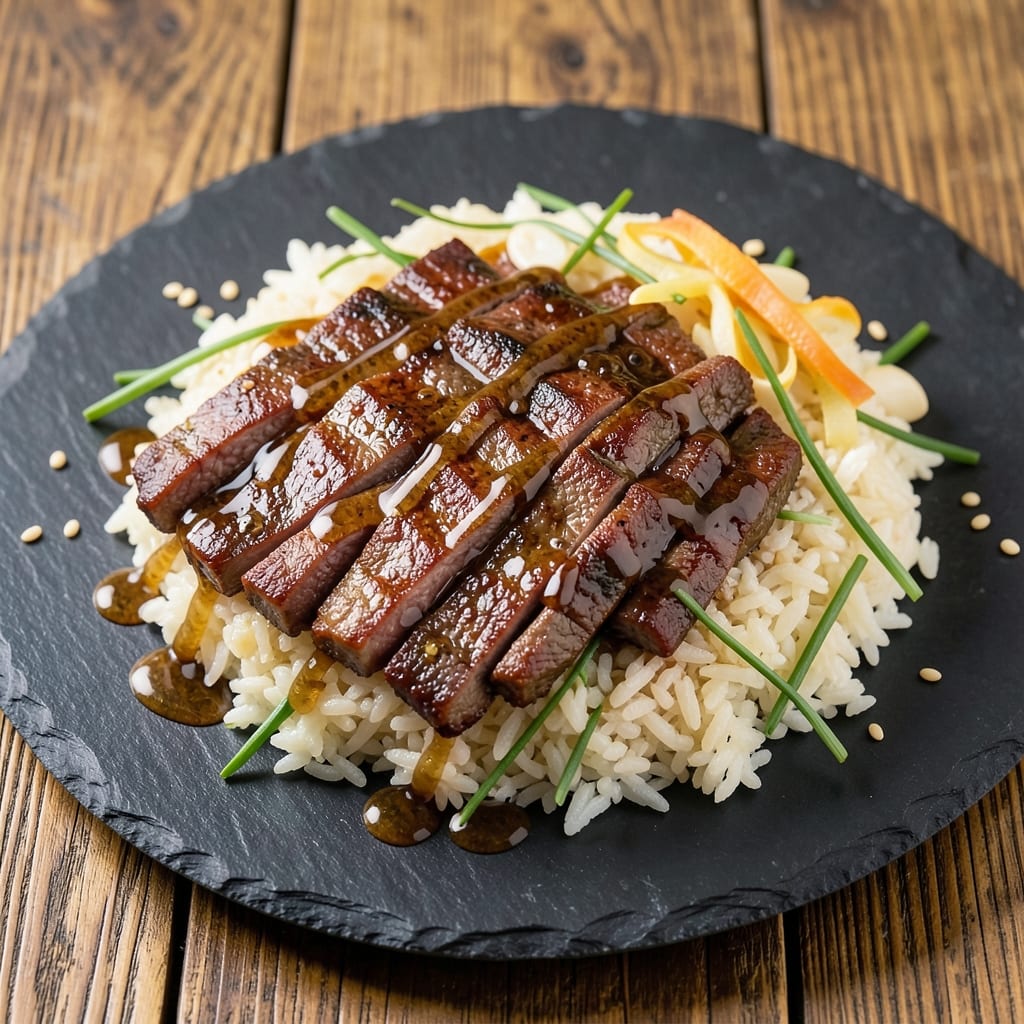
This Asian Mongolian beef recipe delivers restaurant-quality results with a savory-sweet soy-ginger glaze and crispy wok-tossed edges that transform simple beef into a showstopper. The secret lies in marinating the beef for at least 30 minutes—allowing the flavors to penetrate deeply—before stir-frying it to achieve that signature caramelized crust. What makes this dish truly special is the balance of bold umami from soy sauce, bright ginger heat, and a touch of sweetness that keeps every bite addictive.
The cooking process is straightforward but requires attention to timing: high heat for that signature char, followed by a quick toss in the glossy sauce to coat evenly. This method ensures tender beef with a crunchy exterior and a sauce that clings perfectly, creating a dish that’s both impressive and foolproof. Unlike many takeout versions, this recipe delivers authentic flavors without the greasiness, thanks to a well-balanced sauce and proper stir-frying technique.
By the time you serve it, you’ll have a dish that’s rich, aromatic, and packed with texture—crispy beef, glossy sauce, and a subtle sweetness that lingers. It pairs beautifully with steamed jasmine rice or stir-fried vegetables, making it a complete meal. The best part? This recipe comes together in under 45 minutes, proving that restaurant-quality Asian cuisine is well within your reach at home.
Whether you're feeding a crowd or treating yourself to a special weeknight dinner, this Mongolian beef delivers the perfect harmony of flavors and textures. The sauce is versatile enough to adjust to your taste—add a splash of honey for extra sweetness or a pinch of red pepper flakes for heat. Let’s get started on creating a dish that’s sure to become a favorite.
Ingredients for asian mongolian beef
Fourteen ingredients for a dish that tastes like your favorite takeout—crispy, glossy, and packed with wok-tossed flavor.
| Ingredient | Amount | Notes |
|---|---|---|
| Flank Steak 🥩 | 1 ½ lb | Thinly sliced against the grain |
| Low-Sodium Soy Sauce 🍶 | ½ cup | Kikkoman preferred for balance |
| Honey 🍯 | ¼ cup | For sweetness balance |
| Fresh Ginger 🌿 | ¼ cup | Finely grated, aromatic |
| Garlic Cloves 🧄 | 6 cloves | Minced, fresh preferred |
| Sesame Oil 🫒 | 1 tbsp | Toasted sesame flavor |
| Cornstarch 🌾 | 1 tbsp | For sauce thickening |
| Vegetable Oil 🫒 | 2 tbsp | High smoke point for wok |
| Green Onions 🧅 | ¼ cup | Sliced, for garnish |
| Sesame Seeds 🌱 | 1 tbsp | Toasted for crunch |
| Red Pepper Flakes 🌶️ | ½ tsp | Optional for heat |
| Salt 🧂 | 1 tsp | Kosher preferred |
| Black Pepper 🌶️ | ½ tsp | Freshly ground |
| Rice Vinegar 🍶 | 1 tbsp | For tangy brightness |
The flank steak is non-negotiable here—it's lean but tender when sliced thin against the grain. Costco or Whole Foods carry pre-sliced packs, but if you're buying whole, ask the butcher to slice it for you. For the sauce, Kikkoman soy sauce is my go-to—it's got that perfect umami balance without being too salty. Fresh ginger is a must (the dried stuff just doesn't cut it), so grab a thumb-sized piece from the produce section. Trader Joe's sells pre-grated ginger if you're in a hurry, but fresh is always better. The garlic should be fresh too—no jarred minced garbage here.
No sesame oil? Toasted peanut oil works in a pinch, though the flavor won't be identical. Running low on honey? Brown sugar dissolved in water mimics the stickiness. The cornstarch is crucial for that glossy sauce—don't skip it. For extra heat, add 1/4 tsp of gochugaru (Korean red pepper flakes) if you've got it. The green onions and sesame seeds are purely for garnish, but they add that restaurant-quality finish. Pro tip: Toast the sesame seeds in a dry pan for 30 seconds before adding—they'll be way more aromatic.
This sauce keeps for 5 days in the fridge, though it tastes best fresh. The beef? Use it within 2 days for peak tenderness. Both can be frozen for 3 months—just thaw overnight in the fridge. I always double the sauce recipe because it disappears fast. Store leftovers in airtight containers with parchment between layers to keep everything crisp. Reheat gently in a skillet—no microwaving that crispy crust!
Why You'll Love This Recipe
- Five-Ingredient Magic: I swear, this recipe is my secret weapon when I’m staring at a fridge full of random stuff. Flank steak gets sliced thin, tossed with soy sauce, honey, ginger, and garlic—no fancy prep, no stress.
- Sweet-Savory Balance: That honey-soy glaze? It’s the kind of flavor that makes you pause mid-bite. The ginger and garlic add a punch, but the honey softens it into something dangerously addictive—like a hug in a bowl.
- Weeknight Workhorse: Honestly, I’ve served this at potlucks, date nights, and even my mom’s house (she approved). It’s got that restaurant-quality taste without needing a degree in cooking—just sear, glaze, and serve.
Step-by-step instructions for soy-ginger gloss with wok-tossed crunch
Here's how to make this restaurant-worthy dish at home with perfect tender beef and glossy sauce.
Prep the Flank Steak for Maximum Tenderness
Start by slicing the 1.5 lb flank steak thinly against the grain—this is crucial for tender bites. I use a sharp chef's knife and cut each slice about ¼-inch thick. As you slice, arrange the pieces on a plate and sprinkle them evenly with the 1 tsp salt and 0.5 tsp black pepper. This seasoning will penetrate the meat while it marinates.
In a small bowl, whisk together the 0.5 cup low-sodium soy sauce, 0.25 cup honey, 0.25 cup finely grated fresh ginger, 6 minced garlic cloves, and 1 tbsp rice vinegar. Pour this marinade over the sliced steak and toss gently to coat. Let it marinate for at least 30 minutes at room temperature—this ensures the flavors meld perfectly and the meat becomes more tender. If you have time, marinate for up to 2 hours for even better results.
Build the Glossy Sauce Base
Heat a large wok or skillet over medium-high heat and add the 2 tbsp vegetable oil. Once the oil is shimmering but not smoking, add the marinated steak in a single layer. Don't overcrowd the pan—this prevents the meat from steaming instead of searing. Cook the steak for 2-3 minutes until it's just cooked through but still tender. Remove the steak with a slotted spoon and set it aside.
In the same wok, reduce the heat to medium and add the 1 tbsp sesame oil. Stir in the 1 tbsp cornstarch to create a slurry. Slowly pour in the remaining marinade from the bowl, scraping up any browned bits from the bottom of the pan. Let the sauce simmer for 2-3 minutes until it thickens slightly and becomes glossy. The sauce should coat the back of a spoon—this is your signal it's ready.
Finish the Beef with Crunchy Garnishes
Return the cooked steak to the wok and toss it gently in the glossy sauce until everything is evenly coated. The sauce should cling beautifully to the beef, creating that signature Mongolian beef sheen. Cook for an additional 1-2 minutes just to heat through.
While the beef is still in the wok, stir in the 0.25 cup sliced green onions and 1 tbsp toasted sesame seeds. If you like a bit of heat, sprinkle in the 0.5 tsp red pepper flakes. Taste and adjust the seasoning if needed—you can add a splash more soy sauce for saltiness or a touch of honey for sweetness. The sauce should balance sweet, salty, and slightly tangy flavors.
Serve Immediately with Perfect Texture
Transfer the Mongolian beef to a serving platter and garnish with an extra sprinkle of sesame seeds and green onions for freshness. Serve it immediately over steamed rice or noodles to soak up that delicious sauce. The beef should be tender, the sauce glossy, and the garnishes should add a satisfying crunch with each bite.
This dish is best enjoyed fresh while the sauce is still warm and the flavors are at their peak. If you have leftovers, store them in an airtight container in the refrigerator for up to 3 days. When reheating, add a splash of water or soy sauce to prevent the sauce from tightening up.
Pro Tips For Making Asian Mongolian Beef
- Slice Against the Grain: I learned this the hard way—cutting flank steak with the grain makes it chewy. Freeze the meat for 30 minutes first, then slice perpendicular to the grain for tender, bite-sized pieces that’ll actually melt in your mouth.
- Char the Garlic: Don’t just mince that garlic—sauté it in the same pan until it’s deep golden, almost crispy. That extra flavor carries through the sauce, and it takes 30 seconds. (Yes, even if you’re impatient like me.)
- Balance the Sauce: Low-sodium soy sauce is your friend, but too much honey makes this sweet like dessert. Taste as you go—aim for a 3:1 soy-to-honey ratio, then adjust. I used to overdo the honey; now I start conservative.
- Rest Before Searing: Skip the rush to cook right away. Let the sliced steak sit in the sauce for 10 minutes—this keeps it juicy. I know, I know, but trust the process. Your future self will thank you.
Flavor customization for these flavors
Sweetness Control
Adjust the honey to suit your taste—start with the ¼ cup called for, but add 1-2 tbsp more if you prefer a richer, stickier sauce. For a more balanced sweetness, reduce to 2 tbsp and add 1 tsp brown sugar instead. I find that agave nectar works well too, especially if you want to reduce sugar content while keeping the glossy texture. 🍯
Spice Level
Skip the ½ tsp red pepper flakes for a mild version, but if you love heat, double it or swap in ½ tsp gochugaru for a deeper Korean-style spice. For a smoky kick, add ¼ tsp smoked paprika to the sauce. I often keep a small bowl of extra flakes on the table so guests can adjust their own plates.
Umami Boost
For an extra umami punch, stir in 1 tsp fish sauce or ½ tsp oyster sauce into the finished sauce. If you're vegetarian, replace it with ½ tsp mushroom powder or an extra ½ tbsp soy sauce. The key is to add these after the sauce has thickened to preserve the glossy finish.
Tangy Twist
Brighten the sauce by adding 1 extra tbsp rice vinegar or swap it for 1 tsp lime juice for a citrusy edge. For a fruity variation, stir in 1 tbsp hoisin sauce—it adds depth without overpowering. I love this when serving with pineapple salsa for a fusion twist.
Herb Variations
Swap the green onions for cilantro or basil for a different flavor profile. For a Thai-inspired version, add 1 tbsp chopped Thai basil and ½ tsp lemongrass paste. Garnish with crushed peanuts instead of sesame seeds for added crunch and a nutty contrast.
Nutrition facts
Frequently asked questions
Can I use a different cut of beef instead of flank steak?
Yes! Sirloin or ribeye work beautifully—they're more forgiving and slightly more flavorful. Just slice them thinly against the grain, about ¼-inch thick. Avoid tough cuts like chuck or round, as they won't tenderize properly in the short cooking time. If using sirloin, trim excess fat first for cleaner results.
How do I fix beef that turns out tough?
Tough beef usually means it wasn't sliced thin enough or cooked long enough. Next time, slice against the grain (not with it) and cook only until it reaches 145°F internal temp. For extra tenderness, marinate for 2+ hours instead of 30 minutes. If it's already cooked, slice thinly and serve with extra sauce to mask any dryness.
Can I make this recipe in a regular skillet instead of a wok?
A 12-inch cast-iron skillet works perfectly—just use 1 tbsp oil and cook in batches if needed to avoid overcrowding. The key is high heat (medium-high) and quick cooking. For extra wok-like crispiness, add ½ tsp cornstarch to the beef before cooking to create a light crust.
What's the best way to reheat leftovers?
Reheat in a skillet over medium-low heat with 1 tsp soy sauce + 1 tsp water to restore moisture. Stir constantly for 2-3 minutes until warmed through. Never microwave—it turns the sauce rubbery. For extra crispiness, broil for 30 seconds after reheating. Store leftovers in airtight containers with parchment between layers.
How can I make this gluten-free?
Replace the soy sauce with ½ cup gluten-free tamari and check all other ingredients (like sesame oil and cornstarch) for gluten. For extra umami, add 1 tsp coconut aminos to the sauce. The texture and flavor will be nearly identical—just ensure your cornstarch is certified gluten-free if using it as a thickener.