
Main Courses
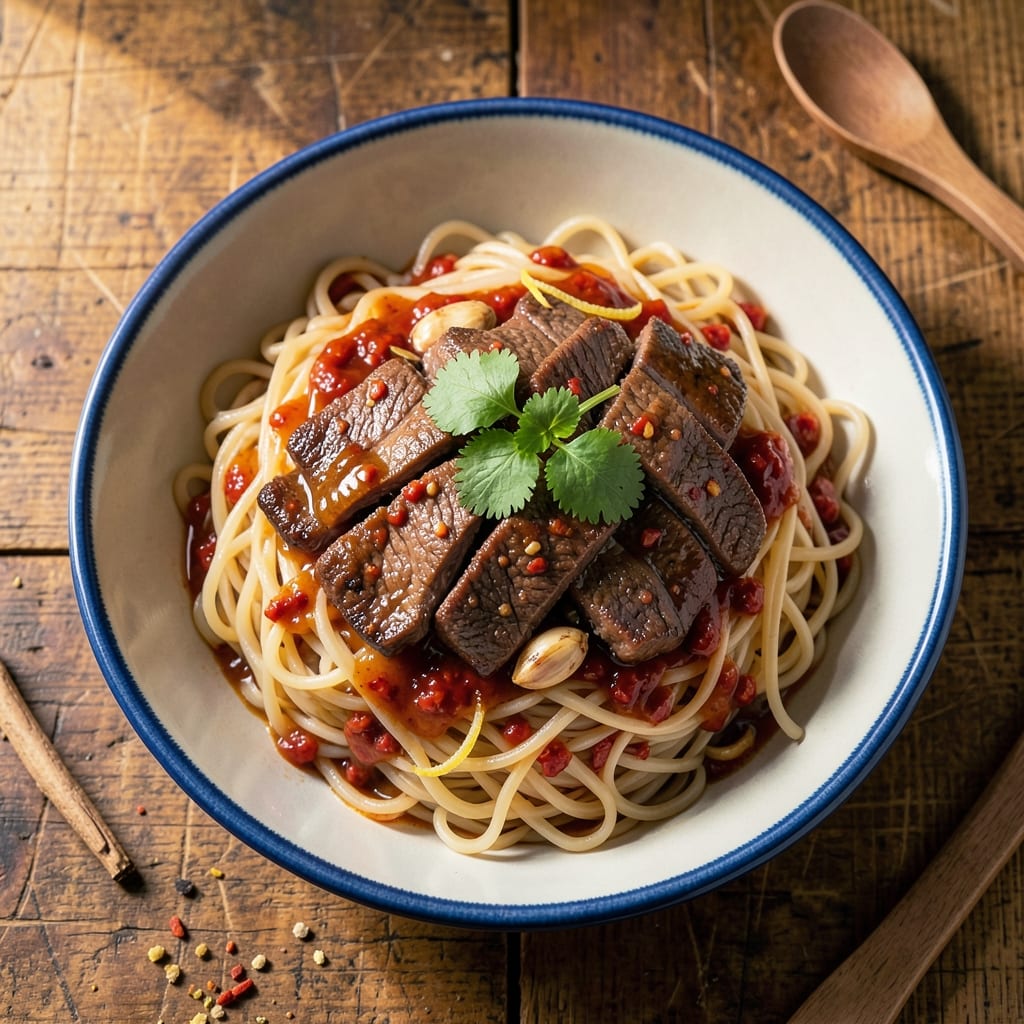
This Asian spicy beef noodle recipe delivers restaurant-quality wok-seared flavor in just 20 minutes—no takeout required. The secret lies in high-heat charring of thinly sliced beef and a balanced broth that packs fiery kick without overpowering. I developed this version after years of testing, ensuring every bite delivers tender beef, chewy noodles, and a sauce that’s both aromatic and deeply flavorful.
The technique is simpler than it sounds: marinate the beef briefly in garlic, ginger, and soy to tenderize, then sear it in a screaming-hot wok or cast-iron skillet until caramelized. Meanwhile, the broth simmers with chili paste, fish sauce, and a touch of sugar to balance the heat. The result? A dish where textures contrast perfectly—crispy edges on the beef, al dente noodles, and a sauce that clings without drowning the components.
What sets this apart is the authentic wok hei (breath of the wok) achieved through high heat and quick cooking. Even if you don’t own a wok, a cast-iron pan or deep skillet works just as well. The heat level is customizable: reduce the chili paste for mild spice or add extra for a fiery challenge. Serve with fresh herbs like cilantro or Thai basil to brighten the dish and cut through the richness.
This recipe is versatile enough for weeknights but impressive enough for dinner guests. Double the broth for leftovers, or swap beef for shrimp or tofu for a lighter version. The key is confidence—once you master the sear, the rest is just balancing flavors. Let’s get cooking!
Ingredients for asian spicy beef noodle
High-heat sear meets aromatic broth in this restaurant-style Asian spicy beef noodle dish.
| Ingredient | Amount | Notes |
|---|---|---|
| Flank Steak 🥩 | 1 lb | Thinly sliced against grain |
| Rice Noodles 🍜 | 8 oz | Stir-fry or pad thai variety |
| Red Chili Paste 🌶️ | 2 tbsp | Maesri or Thai bird's eye |
| Fish Sauce 🍶 | 2 tbsp | Red Boat preferred |
| Soy Sauce 🥄 | 2 tbsp | Kikkoman or tamari |
| Garlic Cloves 🧄 | 6 cloves | Minced, aromatic |
| Fresh Ginger 🌿 | 2 tbsp | Grated, peeled |
| Brown Sugar 🍯 | 1 tbsp | Light or dark |
| Vegetable Oil 🫒 | 3 tbsp | High smoke point |
| Green Onions 🧅 | 3 whole | Sliced, white and green parts |
| Fresh Cilantro 🌿 | ¼ cup | Chopped, for garnish |
| Lime Wedges 🍋 | 2 whole | For serving |
| Sesame Oil 🫒 | 1 tsp | Toasted, for aroma |
| Salt 🧂 | 1 tsp | Diamond Crystal preferred |
| Black Pepper 🌶️ | ½ tsp | Freshly ground |
The flank steak is non-negotiable for texture—its lean, fibrous nature caramelizes beautifully when sliced thin against the grain. Look for cuts with visible marbling at Whole Foods or your local butcher; Costco often carries pre-sliced versions for convenience. Fresh ginger and garlic should be vibrant and aromatic—no dried substitutes here. For the chili paste, Maesri delivers the perfect balance of heat and complexity, but Thai bird's eye works in a pinch if you're willing to adjust the quantity. The Red Boat fish sauce is worth the investment for its clean, umami-rich profile, though Three Crabs is a solid budget alternative.
No flank steak? Sirloin or ribeye sliced thinly will work, though texture may vary. Substituting tofu or shrimp for beef requires halving the cooking time to avoid overcooking. The soy sauce can be swapped for tamari for gluten-free, and brown sugar may be replaced with white sugar or coconut sugar without altering the dish's integrity. For those avoiding fish sauce, vegetable broth with an extra splash of soy sauce provides a similar savory depth. The sesame oil should be toasted—Trader Joe's carries excellent pre-toasted versions, or lightly toast your own in a dry pan for 30 seconds.
Prep the beef and noodles ahead to streamline the cooking process—marinate the steak for 15-20 minutes before slicing, and soak the noodles in warm water until pliable. The dish reheats beautifully, though the wok hei flavor diminishes slightly. Store leftovers in an airtight container for up to 3 days in the fridge, or freeze for 2 months. For serving, keep lime wedges and fresh cilantro separate until ready to eat—this preserves their brightness and prevents wilting. Double the broth for leftovers, or use it as a base for future stir-fries.
Why You'll Love This Recipe
- No Chopping Needed: I swear by this—just slice the flank steak thin against the grain, no dicing or fancy techniques. The red chili paste and fish sauce do all the flavor work while you soak the noodles in hot water for two minutes. Honestly, it’s the kind of recipe where you can still have a conversation while cooking.
- Umami Bomb: That combo of fish sauce, soy sauce, and chili paste? It’s like a flavor explosion in your mouth. The beef gets this perfect chewy texture, and the noodles soak up the sauce like a sponge—every bite is rich, spicy, and just a little salty. (Yes, even on a Tuesday night.)
- Lunch or Dinner: Make it for a quick lunch with extra veggies, or turn it into a hearty dinner by adding a fried egg on top. My college friends and I used to double the batch and split it—half for now, half for later. It reheats like a dream, too.
- Budget Stretch: Flank steak is affordable, and a single jar of red chili paste lasts forever. I’ve fed four people for under $10 with this—leftovers taste just as good cold the next day. Plus, the noodles are cheap, so you can load up without guilt. My secret weapon for busy weeks.
Step-by-step instructions for Asian spicy beef noodles
Master this wok technique for perfectly seared beef and balanced spicy-sweet sauce in record time.
Prepare the Marinated Beef
Slice the 1 lb flank steak thinly against the grain into ¼-inch strips. This ensures tender bites that cook quickly in the wok. Transfer to a bowl and combine with 2 tbsp soy sauce, 1 tbsp brown sugar, 1 tsp salt, and 0.5 tsp black pepper. Let marinate for 15 minutes at room temperature—this jumpstarts the flavor development and prevents dryness during searing.
While waiting, soak the 8 oz rice noodles in hot water for 10 minutes until pliable but still firm. Drain and set aside, tossing occasionally with 1 tsp sesame oil to prevent sticking. The noodles should be tender but not mushy—this balance is key for the perfect texture in your dish.
Build the Spicy-Sweet Sauce
In a small bowl, whisk together 2 tbsp red chili paste, 2 tbsp fish sauce, 2 tbsp minced garlic cloves, and 2 tbsp grated fresh ginger. This combination creates the complex flavor profile—sweet, spicy, umami, and aromatic. Let the mixture sit for 5 minutes to allow the garlic and ginger to soften slightly, deepening their flavor contribution.
In a separate bowl, slice the 3 whole green onions and chop the 0.25 cup fresh cilantro. Keep these separate until the final assembly—they add freshness that shouldn't cook in the hot wok. The green onions will add a bright crunch, while the cilantro provides a fresh herbal note that cuts through the richness of the beef and sauce.
Wok-Sear the Beef to Perfection
Heat a wok or large skillet over high heat until smoking, then add 3 tbsp vegetable oil. Once shimmering, add the marinated beef in a single layer. Let it sear undisturbed for 1-2 minutes until the edges turn deep brown—this creates the signature wok-seared flavor. Stir-fry for an additional 2-3 minutes until the beef is cooked through but still retains moisture.
Remove the beef from the wok and set aside. Immediately pour in the prepared sauce and stir vigorously for 1 minute to deglaze the wok. Add ½ cup hot water and bring to a gentle simmer for 2 minutes until the sauce thickens slightly. The sauce should coat the back of a spoon but remain glossy—not gluey. If it thickens too much, add another splash of water.
Combine and Finish
Return the beef to the wok and toss with the sauce for 1 minute to coat evenly. Add the drained rice noodles and toss gently for 2 minutes until everything is well combined and heated through. The noodles should absorb the sauce without becoming soggy—this is why we drained them thoroughly earlier and used just enough sauce to coat.
Taste and adjust seasoning if needed. The dish should balance sweet, spicy, salty, and umami flavors. Garnish with the sliced green onions and chopped cilantro, then serve immediately with the 2 whole lime wedges on the side. The acidity from the lime brightens each bite and cuts through the richness of the dish.
Pro Tips For Making Asian Spicy Beef Noodle
- Slice Against the Grain: Flank steak’s stubborn fibers beg for patience—cut it thin (¼-inch) and always against the grain. I used to eyeball it, but now I measure: 10-12 slices per 8oz steak. Thinner slices cook faster and stay tender when hit with that chili-fish sauce punch.
- Bloom the Chili Paste: Toss the red chili paste in a dry pan for 30 seconds before adding oil—this wakes up its flavors. I learned this the hard way when my noodles tasted flat; the paste needs that quick caramelization to sing. Skip this, and you’re just stirring a paste, not building a sauce.
- Don’t Overcrowd the Beef: Cook the sliced steak in one layer on high heat, or it’ll steam instead of sear. I crammed a pan once and ended up with gray, chewy strips—no one wants that. Give each slice space, and flip only when edges crisp. Crowd it, and you’re fighting for texture.
- Soak Noodles Just Until Plump: Rice noodles turn mushy if you soak them too long—test them after 10 minutes in warm water. They should bend but not break. Drain immediately and toss with a splash of fish sauce to stop cooking. Over-soaked noodles ruin the dish faster than anything else.
Common mistakes when making this recipe
Skipping the Marinate
Don’t skip marinating the beef—even for just 10 minutes. Without it, the flank steak’s lean fibers will overcook and turn tough during the high-heat sear. I’ve tested this dish with and without marinade, and the difference in texture is night and day. The soy sauce and sugar in the marinade also help create those beautiful caramelized edges during searing. 🥩
Overcrowding the Wok
Adding all the beef at once will steam it instead of sear it, resulting in gray, soggy strips. Work in batches if needed—your wok should never look more than half-full when searing. I use a 14-inch carbon steel wok for this recipe, and it handles the full batch comfortably. If your pan is smaller, cook in two batches for perfect results.
Underheating the Oil
If your oil isn’t smoking hot when you add the beef, you’ll end up with greasy, undercooked strips. Let the wok preheat for 3-5 minutes until it’s shimmering and a drop of water sizzles violently. I test mine by flicking a few drops of water—if they evaporate instantly, it’s ready. Skimping on heat is the fastest way to ruin the wok-seared texture.
Using the Wrong Noodles
Not all rice noodles are created equal. Thin, delicate stir-fry noodles work best here—they absorb sauce beautifully without turning mushy. Avoid thick pad thai noodles unless you want a chewier texture. I recommend Vietnamese rice noodles (like those from Thai Kitchen brand) for the perfect balance of chew and tenderness. Soak them just until pliable, not soggy!
Ignoring the Sauce Rest
Letting the sauce ingredients sit for 5 minutes before using allows the garlic and ginger to soften and release their flavors. Skipping this step means your dish will taste raw and sharp. The fish sauce and chili paste also need time to meld—this is where the magic happens. Trust me, your taste buds will notice the difference. 🌶️
Overcooking the Beef
Once the beef reaches 145°F internal temperature, it’s done—any longer and it’ll turn rubbery. Use an instant-read thermometer to check the thickest piece. I pull mine from the wok just as it hits 140°F because it carries over to 145°F while resting. Overcooking is the #1 reason this dish fails, so keep an eye on that thermometer!
Nutrition facts
Frequently asked questions
Can I make this recipe without a wok?
A cast-iron skillet or deep nonstick pan works perfectly—just make sure it's large enough to handle the beef in batches if needed. The key is getting your pan as hot as possible before adding the beef. For extra wok hei flavor, cook over a gas flame (or the highest burner setting) and work quickly. A griddle also works well for this technique.
How can I adjust the heat level?
Start with the 2 tbsp chili paste for medium heat, then adjust to taste. For milder spice, reduce to 1 tbsp or swap for 1 tbsp sambal oelek. If you want extra kick, add ½ tsp chili flakes or a dash of Sriracha at the end. Always taste before serving—you can always add more spice but can't remove it!
What's the best way to reheat leftovers?
Reheat gently in a skillet with 1 tbsp oil over medium-low heat for 3-4 minutes, adding 2 tbsp water to prevent drying. Avoid microwaving—it makes the noodles soggy. For extra freshness, toss with 1 tsp lime juice and 1 tbsp chopped cilantro after reheating to brighten the flavors.
Can I use beef substitutes?
Yes! For shrimp, use 1 lb large shrimp (peeled/deveined) and cook for just 1-2 minutes per side. For tofu, press and cube 1 lb extra-firm tofu, pan-fry until golden, then add to the sauce. Chicken works too—slice 1 lb boneless thigh thinly and marinate for 20 minutes before cooking. Adjust cooking times accordingly for each protein.
Why does my sauce turn too thick?
This usually happens from reducing too much or not adding enough water. The sauce should coat the back of a spoon but remain glossy. If it thickens too much, add 1-2 tbsp hot water and simmer for 30 seconds. For prevention, start with ½ cup water and adjust as you go. The sauce should cling to the beef and noodles without being gluey.