
Soups & Stews
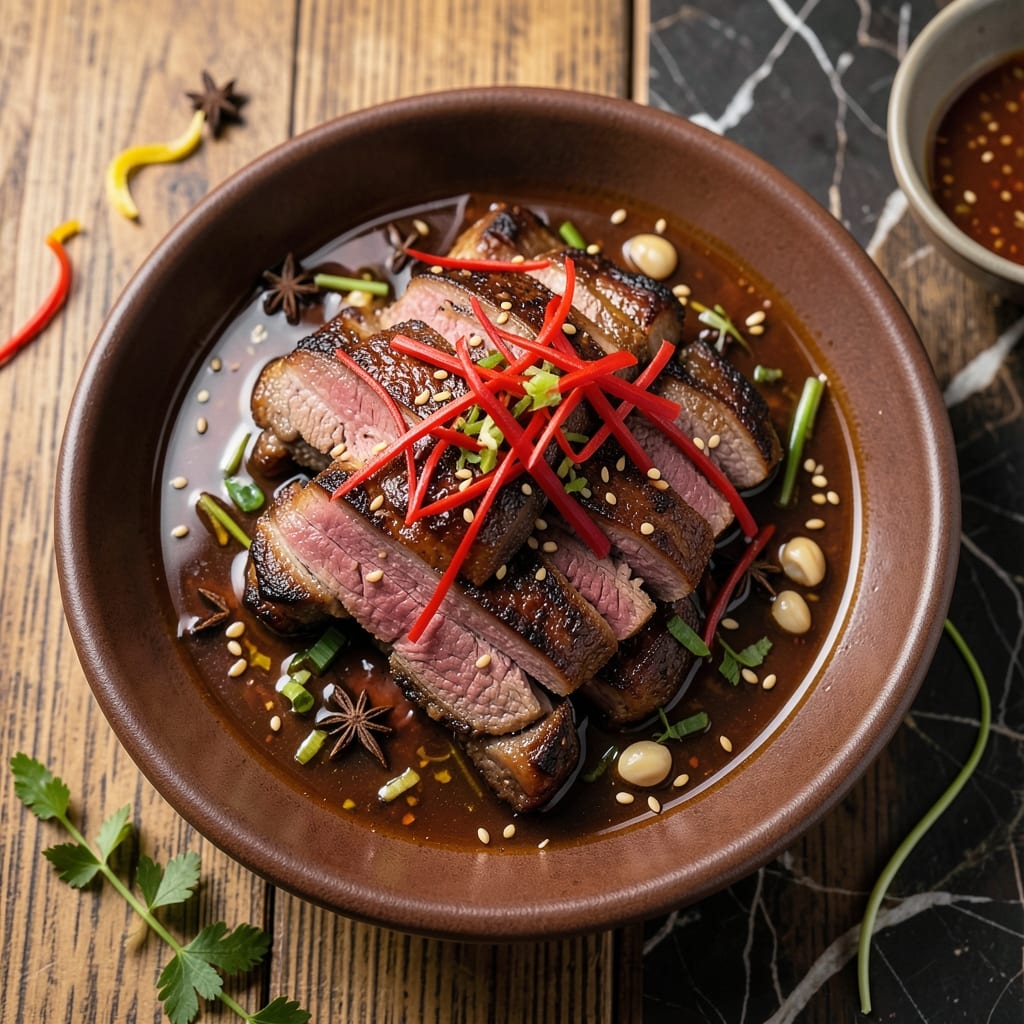
This Asian-style beef stew transforms tough cuts into melt-in-your-mouth tenderness using soy-ginger braising—a technique that builds deep, aromatic flavors through slow simmering. The secret lies in balancing salty soy, fresh ginger, and aromatic star anise to create a rich broth that clings to every bite of beef. I developed this recipe after years of perfecting the art of umami-rich braises, and it delivers restaurant-quality results in a single pot.
The process begins with searing beef chunks to develop a caramelized crust, then simmering them for hours until fork-tender. Traditional ingredients like garlic, scallions, and a splash of coconut milk add layers of complexity, while ginger and soy sauce create the signature sweet-savory balance. This method transforms simple ingredients into a hearty, comforting stew that pairs beautifully with steamed jasmine rice or fresh greens.
What makes this stew truly special is its ability to deliver restaurant-quality depth without requiring special equipment. The slow-cooked beef absorbs the aromatic broth, creating tender pieces that practically dissolve in your mouth. Each spoonful delivers a perfect harmony of savory, slightly sweet, and herbal notes that will have you reaching for seconds.
Perfect for weeknight dinners or special occasions, this stew scales easily to feed a crowd while maintaining its rich, balanced flavors. The technique is foolproof, and the ingredients are accessible—making it an ideal addition to your recipe repertoire. Let's get started on creating this comforting, aromatic masterpiece.
Ingredients for asian style beef stew
Transform tough beef into restaurant-quality tenderness with these aromatic, umami-rich ingredients.
| Ingredient | Amount | Notes |
|---|---|---|
| Chuck Roast 🥩 | 2 lb | Pre-cut into 1.5-inch chunks |
| Soy Sauce 🍶 | ½ cup | High-quality, preferably Japanese |
| Fresh Ginger 🌿 | ½ cup | Finely grated, aromatic variety |
| Star Anise 🌟 | 2 whole | Whole pods for infusion |
| Garlic Cloves 🧄 | 6 cloves | Minced for aromatic depth |
| Scallions 🧅 | ½ cup | Sliced into 0.5-inch pieces |
| Coconut Milk 🥥 | 1 can | Full-fat, 13.5 oz equivalent |
| Brown Sugar 🍯 | ¼ cup | Light or dark preferred |
| Red Wine 🍷 | ½ cup | Dry, full-bodied variety |
| Beef Broth 💧 | 2 cups | Low-sodium preferred |
| Olive Oil 🫒 | 2 tbsp | Extra-virgin for searing |
| Diamond Crystal Kosher Salt 🧂 | 1 ½ tsp | Adjust to taste |
| Freshly Ground Black Pepper 🌶️ | ½ tsp | Coarsely ground |
| Jasmine Rice 🍚 | 1 ½ cups | Uncooked, for serving |
| Fresh Cilantro 🌿 | ¼ cup | Chopped, for garnish |
The chuck roast is the foundation—look for cuts with good marbling at Whole Foods or your local butcher shop. Costco often carries pre-cut chunks, which saves time. For the soy sauce, Kikkoman or Lee Kum Kee deliver consistent quality, though any high-quality Japanese brand works. Fresh ginger should be firm and aromatic; avoid any with soft spots or sprouting. Star anise pods can be found in the spice aisle or international section of most grocery stores—Penzeys carries a great selection if you want to stock up. The coconut milk should be full-fat for richness, and Thai Kitchen or Goya
No red wine? Dry sherry or additional beef broth works well—just add a splash of vinegar for acidity. Substitute brown sugar with honey or maple syrup if needed, though the caramelization will differ slightly. For a quicker prep, use pre-minced garlic and scallions, but fresh always delivers better flavor. The beef broth can be homemade or high-quality store-bought like Pacific Foods. If you're short on time, coconut milk in a carton works in a pinch, though canned delivers better texture. For the rice, jasmine rice is ideal, but basmati or long-grain white will work if that's what you have on hand. Store the raw beef and fresh aromatics in the fridge for up to 3 days before cooking. The finished stew reheats beautifully—simmer gently for 10-15 minutes on the stove or microwave for 2-3 minutes with a splash of broth. The flavors deepen overnight, so it's even better the next day. Portion into airtight containers for 4-5 days of fridge storage or freeze for 3 months. Garnish with fresh cilantro just before serving to preserve its bright flavor—it wilts quickly once chopped.
Why You'll Love This Recipe
- One-Pot Magic: Honestly, I just toss everything in—chuck roast, soy sauce, ginger, and star anise—then let the slow cooker do the work. No chopping, no fuss, and the house smells like heaven by dinner.
- Umami Bomb: That combo of soy sauce and star anise? It’s like a flavor explosion in your mouth. The garlic and ginger add a kick, but the beef stays tender and rich—exactly what you need after a long day.
- Leftovers That Don’t Suck: Between us, this stew tastes better the next day. I make a big batch on Sunday, freeze half, and reheat it for lazy nights. (Yes, even on a Tuesday night when takeout sounds too hard.)
- Budget Beef Win: Chuck roast is cheap, but it feels like a fancy meal. The spices stretch the flavor without breaking the bank, and it feeds four for under $15. My wallet and family both win.
Step-by-step instructions for Asian style beef stew
This one-pot Asian-inspired beef stew delivers deep umami flavor and tender meat through precise layering and slow braising.
Sear the Chuck Roast for Maximum Flavor
Heat the 2 tablespoons olive oil in a heavy Dutch oven over medium-high heat until shimmering. Add the 2 lb chuck roast in a single layer, working in batches if needed, and sear for 4-5 minutes per side until deeply browned. This step develops the rich, caramelized foundation for your stew.
I press down gently on the roast during the first minute to prevent curling—this ensures even contact with the pan. Once browned, remove the beef and set aside. If the pan appears dry, add another ½ tablespoon olive oil to maintain proper heat for the next ingredients.
Build the Aromatic Base
In the same Dutch oven, add the 6 cloves minced garlic and ½ cup finely grated fresh ginger, cooking for 30 seconds until fragrant. Stir in the 2 whole star anise and ½ cup sliced scallions, allowing them to sizzle for 1 minute to release their oils.
Add the ½ cup soy sauce and ½ cup red wine, scraping up any browned bits from the bottom of the pan. These bits contain concentrated flavor that will dissolve into your stew. Let the mixture simmer for 2 minutes until slightly reduced—this builds the complex flavor profile that defines Asian braised dishes.
Braise the Beef with Liquid Ingredients
Return the seared beef to the pot. Pour in the 2 cups beef broth, ½ cup brown sugar, and 1 can coconut milk, stirring to combine. Bring to a gentle simmer, then reduce heat to low and cover partially. This creates a controlled environment where the beef will tenderize slowly without drying out.
Simmer for 2 hours, maintaining a gentle bubble at the edges. The beef should be fork-tender and easily pull apart. If the liquid reduces too quickly, add ½ cup water to maintain proper braising consistency. The brown sugar will caramelize slightly, adding depth to the sauce.
Finish and Prepare the Jasmine Rice
Once the beef is tender, remove it from the stew and strain the cooking liquid through a fine-mesh sieve into a clean saucepan. Return the beef to the Dutch oven and simmer the strained liquid over medium heat until slightly thickened—about 5 minutes. This step clarifies the sauce while concentrating its flavors.
While the sauce reduces, prepare the 1½ cups jasmine rice according to package instructions. For best results, use a rice cooker or bring water to a boil, then reduce to a simmer and cover until fully cooked. The rice should be fluffy and separate—this pairs perfectly with the rich stew.
Serve with Fresh Garnishes
Return the beef and strained cooking liquid to the Dutch oven and heat through for 2 minutes. Taste and adjust seasoning with 1½ teaspoons Diamond Crystal kosher salt and ½ teaspoon freshly ground black pepper as needed. The sauce should be balanced—sweet from the brown sugar, umami from the soy and star anise, with bright acidity from the red wine.
Serve the beef stew over the prepared jasmine rice, garnished with ¼ cup chopped fresh cilantro. The cilantro adds a fresh contrast to the rich, braised flavors. For an authentic presentation, ladle the stew directly over the rice to create a beautiful layered effect.
Pro Tips For Making Asian Style Beef Stew
- Brown the Chuck First: Don’t skip the sear—chop the roast into 1.5-inch chunks and brown them in batches over medium-high heat until deep golden. I learned this the hard way: skipping this step means your stew will taste like braised beef, not rich, caramelized Asian comfort food. Use enough oil (about 2 tablespoons) so the meat doesn’t steam. ---
- Grate the Ginger Fine: Star anise and garlic get all the love, but fresh ginger is the workhorse here. Use a microplane or the fine side of a grater—no peeling needed—and pack it in like you’re stuffing a sausage. Coarse ginger? It’ll just sit there, unyielding, while the rest of the stew sings. ---
- Simmer Low and Long: After adding the soy sauce and star anise, reduce to a gentle simmer—think tiny bubbles, not a rolling boil. This isn’t a race; let it cook for 2.5–3 hours until the meat falls apart. I was impatient once and ended up with tough, chewy beef. Your future self will thank you. ---
- Toast the Star Anise: Bloom the star anise in the pot for 30 seconds over medium heat before adding liquids—it’ll release its aroma like a perfume bottle. Skip this, and your stew will smell like medicine instead of something you’d serve guests. (Yes, even if you’re impatient like me.)
Pro cooking tips for this dish
Dutch Oven Mastery
Your choice of cookware makes all the difference with this braise. I swear by a heavy-duty Dutch oven—I use my Le Creuset 5.5-quart—because it distributes heat evenly and retains moisture better than lighter pots. The thick base prevents scorching while searing, and the tight lid traps steam to tenderize the beef. If you don't have one, a cast-iron skillet with lid works in a pinch, though it may require more attention to heat control. 🌡️
Searing Secrets
Don't rush the searing—this is where the Maillard reaction creates deep, caramelized flavor. Work in batches if needed, but never overcrowd the pan. I press down gently on the beef chunks with a spatula during the first minute to prevent curling, which ensures maximum surface area for browning. If your pan gets too dry, add just ½ tablespoon olive oil—never more, or you'll steam the beef instead of searing it.
Star Anise Infusion
Those whole star anise pods aren't just for show—they infuse the broth with an anise-like sweetness that's essential to authentic Asian flavor. I like to crush them slightly between my fingers before adding to release more oils, but leave them whole for easy removal later. If you can't find star anise, 1 teaspoon ground anise works, though the flavor will be more concentrated.
Braising Time
Resist the urge to peek or stir during the 2-hour braising—this disrupts the tenderizing process. Instead, maintain a gentle simmer with just a few bubbles breaking the surface. If the liquid reduces too quickly, add ½ cup water in small increments. The beef is done when it easily pulls apart with a fork—this usually happens around 2 hours, but tougher cuts may need 2½ hours. Patience here is key to that melt-in-your-mouth texture. ⏰
Sauce Clarification
The final step of straining the sauce through a fine-mesh sieve removes any sediment, giving you a silky-smooth broth. I use a stainless steel sieve because it won't clog like plastic ones. Returning the beef to the reduced sauce ensures every bite is coated in flavor. Taste and adjust seasoning—sometimes the soy sauce needs a pinch more salt, or the wine could use a splash of rice vinegar for brightness.
Rice Cooking Pro Tip
For perfectly fluffy jasmine rice, I use a rice cooker—it's foolproof and gives consistent results. If cooking on the stovetop, use a 1:1.5 rice-to-water ratio and bring to a boil before reducing to a simmer. Never stir the rice once it's in the pot—this creates a gummy texture. The rice should be fully cooked and slightly underdone when you're ready to serve, as it will continue steaming while the stew sits. 🍚
Nutrition facts
Frequently asked questions
Can I use a different cut of beef instead of chuck roast?
Yes! For similar results, try stew meat (pre-cut for braising) or brisket. Avoid lean cuts like sirloin—they won't become tender. If using brisket, cut it into 1.5-inch chunks and increase braising time to 2.5 hours for maximum tenderness.
What if I don't have red wine? Can I substitute?
Use ½ cup dry sherry or ½ cup beef broth + 1 tsp rice vinegar for acidity. For a non-alcoholic option, try ½ cup apple cider vinegar + ¼ cup brown sugar. The key is maintaining that bright, slightly acidic balance that cuts through the richness.
How can I make this stew spicier?
Add 1-2 tbsp gochujang (Korean chili paste) when building the aromatic base, or stir in ½ tsp chili flakes + 1 tsp sriracha during the final simmer. For heat lovers, include 1 tbsp minced fresh chili (like Thai bird's eye) when searing the beef. Adjust to taste!
Can I prepare this stew ahead of time?
This stew actually tastes better the next day! Let it cool completely, then refrigerate in an airtight container for up to 4 days. Reheat gently on the stove over low heat for 10-15 minutes, adding a splash of water if needed. For freezing, portion into containers and store for up to 3 months. Thaw overnight in the fridge before reheating.
What vegetables pair well with this stew?
Try sautéed bok choy or gai lan (quick-cooking greens), shitake mushrooms (add during the last 10 minutes of braising), or steamed baby bok choy as a side. For heartier options, include potatoes or sweet potatoes—add them with the beef and simmer until tender.