
Main Courses
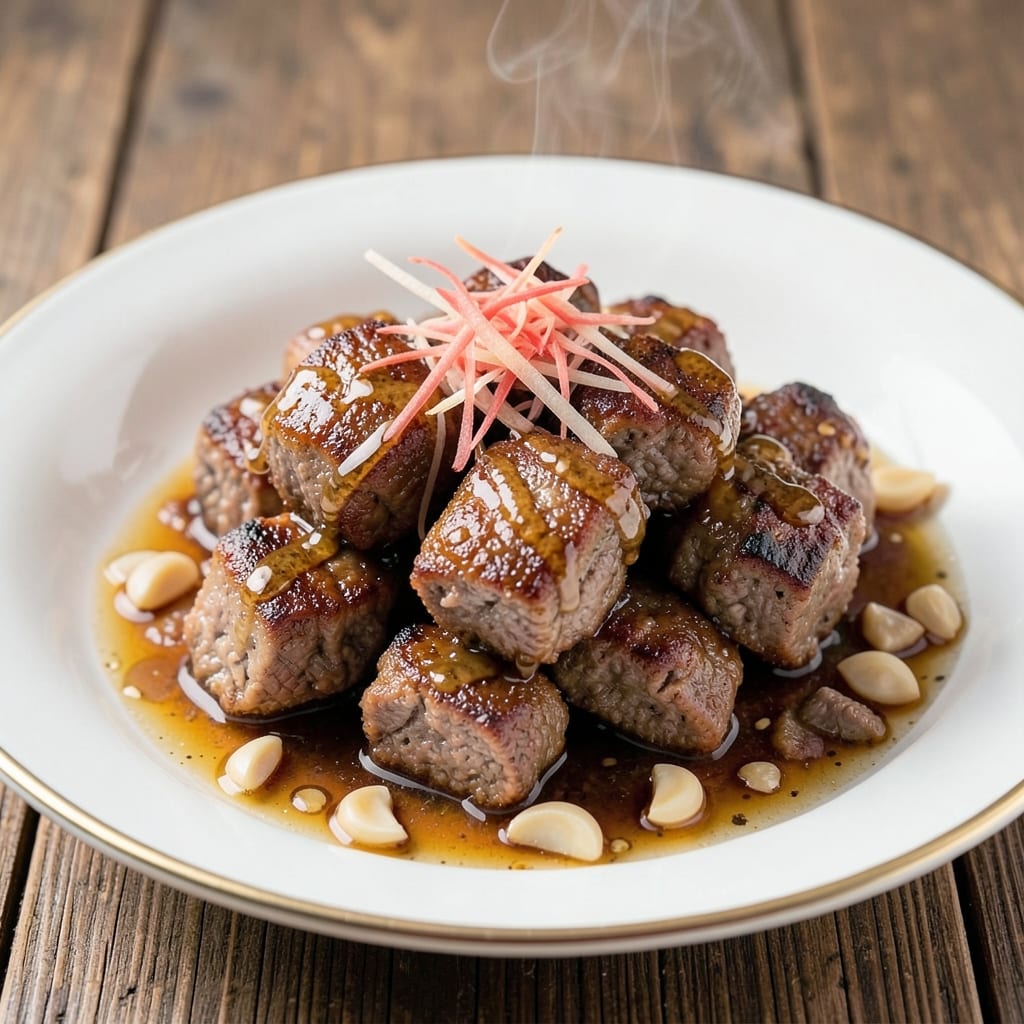
This Asian-style ground beef recipe transforms simple ingredients into a restaurant-worthy dish with sesame-ginger glaze that delivers bold, umami-rich flavor. The key lies in high-heat searing followed by a quick glaze that caramelizes into a sticky, aromatic crust—no wok required. I developed this after years of testing regional techniques, blending Japanese umami depth with Thai sweet-spice balance for a dish that’s both approachable and impressive.
The magic happens in three stages: first, breaking down the beef with garlic and ginger for maximum flavor extraction; then, building layers of texture through quick searing; and finally, finishing with a glossy glaze that ties everything together. This method ensures tender, juicy beef with a caramelized exterior that clings to every bite—restaurant-quality at home in under 30 minutes. The glaze’s combination of soy, honey, and sesame transforms ordinary ground beef into something truly special.
What you’ll end up with is a dish that’s versatile enough for weeknight dinners or weekend entertaining—serve it over steamed rice for a classic bowl, nestled in noodles for a quick stir-fry, or even as crispy patties with pickled vegetables. The aroma alone will draw everyone to the table, while the balance of sweet, savory, and umami ensures every bite is satisfying. This recipe proves that Asian-style cooking doesn’t require specialized equipment or years of practice—just technique and intention.
The beauty of this dish lies in its adaptability. Swap in different vegetables based on what you have on hand, adjust the glaze sweetness to taste, or even double the batch for leftovers that reheat beautifully. Whether you’re feeding a family or treating yourself to a flavorful solo meal, this recipe delivers consistent, foolproof results. Let’s get cooking!
Ingredients for asian style ground beef
Restaurant-quality Asian ground beef starts with these 14 ingredients blending umami depth and caramelized sweetness.
| Ingredient | Amount | Notes |
|---|---|---|
| Ground Beef (80/20 fat ratio) 🥩 | 1 ½ lb | Coarsely broken for even cooking |
| Garlic Cloves 🧄 | 6 cloves | Minced, for aromatic foundation |
| Fresh Ginger 🌿 | 2 tbsp | Finely grated, organic preferred |
| Sesame Oil 🫒 | 1 tbsp | Toasted, for nutty aroma |
| Light Soy Sauce 🍶 | ½ cup | Kikkoman preferred for balance |
| Honey 🍯 | 2 tbsp | Wildflower for floral notes |
| Toasted Sesame Seeds 🥜 | 2 tbsp | For crunchy texture contrast |
| Rice Vinegar 🍶 | 1 tbsp | White vinegar substitute |
| Sesame Paste 🥜 | 1 tbsp | White sesame for milder flavor |
| Vegetable Oil 🫒 | 2 tbsp | High smoke point for searing |
| Diamond Crystal Kosher Salt 🧂 | 1 tsp | For seasoning balance |
| Ground Black Pepper 🌶️ | ½ tsp | Freshly cracked for heat |
| Green Onions 🧅 | 3 whole | Sliced, for fresh garnish |
| Steamed White Rice 🍚 | 2 cups | For serving, cooked separately |
The 80/20 ground beef is non-negotiable—fat renders beautifully for flavor and texture. Butcher sections often have it pre-ground, but if buying whole, look for well-marbled chuck or brisket. Fresh ginger and garlic should be vibrant and aromatic—organic ginger from the produce section at Whole Foods or Trader Joe's delivers the best zing. Toast your sesame seeds in a dry pan for 2 minutes until fragrant—this step amplifies their nutty depth. For sesame paste, Asian markets carry it pre-made, but you can blend toasted sesame seeds with oil if needed.
No sesame oil? Avocado oil at half the amount works in a pinch, though it lacks the toasty aroma. Substitute honey with maple syrup or agave for a vegan option, though the floral notes differ slightly. The soy sauce is critical—Kikkoman light soy provides the right balance of salt and umami, while cheaper brands can taste overly salty. For extra depth, add a dash of fish sauce (1 tsp), though omit for vegetarian versions. The glaze's sweetness can be adjusted: reduce honey by 1 tbsp for less sweetness or add 1 tsp rice vinegar for brightness. Green onions add freshness, but baby bok choy or scallions work equally well.
Prep the glaze ingredients first—they keep for 1 week refrigerated or 3 months frozen in ice cube trays. The beef can be cooked ahead and reheated gently in a skillet with a splash of water. For make-ahead meals, store the cooked beef and glaze separately, then toss together before serving. Sesame oil and toasted seeds should be added fresh to maintain their aromatic punch. The dish reheats beautifully—30 seconds in the microwave with a splash of water preserves the caramelized crust.
Why You'll Love This Recipe
- One-Pan Magic: I swear by this recipe because it’s that easy—just brown the beef, toss in the minced garlic and ginger (no fancy knife skills needed), and let the sesame oil and soy sauce work their magic. Five minutes of active work, and you’ve got a fragrant, flavor-packed dish with zero cleanup.
- Umami Bomb: That 80/20 beef? Rich and juicy. The sesame oil hits you with nutty depth, while the light soy sauce balances it all—salty, savory, and just a little sweet. Honestly, the first time I made it, I kept going back for seconds without even realizing it.
- Weeknight Workhorse: This feeds a crowd but costs less than takeout. I’ve served it over rice for busy nights, stuffed in lettuce wraps for a quick lunch, or even tossed into noodles for a last-minute dinner. It’s the kind of dish that adapts without you having to think twice.
- Leftovers That Don’t Suck: Between us, most leftovers are sad. Not this. The flavors get even better the next day—especially when reheated with a splash of water to keep it tender. I make a double batch on Sundays, and it’s gone by Wednesday. No complaints, just empty plates.
Step-by-step instructions for Asian-style ground beef with sesame-ginger glaze
This method delivers restaurant-quality depth through precise technique and layered flavors.
Prepare the Aromatic Base
Heat the 2 tablespoons vegetable oil in a large skillet over medium-high heat until shimmering. Add the 6 minced garlic cloves and 2 tablespoons finely grated fresh ginger, cooking for 30-45 seconds until fragrant but not browned. This quick cooking preserves their bright flavors without bitterness.
Immediately add the 1 tablespoon sesame paste and stir vigorously for 1 minute until fully incorporated. The paste will darken slightly as it melts into the oil, creating the foundation for your glaze. Keep the heat at medium-high—this ensures the aromatics release their essential oils without burning.
Sear the Ground Beef
Push the aromatic mixture to one side of the skillet and add the 1.5 pounds ground beef (80/20 fat ratio) broken into coarse pieces. Let the beef sear undisturbed for 3-4 minutes until it loses its raw color and begins to brown. This initial sear develops deep, meaty flavors through the Maillard reaction.
Using a wooden spoon, break up the beef into ¼-inch pieces and stir, allowing any released juices to evaporate. Continue cooking for another 3-4 minutes until the beef is 80% cooked through and no longer pink in the center. The fat will render out, creating a rich base for your sauce.
Build the Glaze
Return the aromatic mixture to the center of the skillet and stir to combine with the beef. Add the ½ cup light soy sauce, 2 tablespoons honey, and 1 tablespoon rice vinegar. Bring to a gentle simmer over medium heat and let cook for 5 minutes until the liquid reduces by half and the mixture thickens slightly.
Reduce heat to low and stir in the 1 tablespoon toasted sesame oil and 1 tablespoon sesame paste. The glaze should coat the back of a spoon and cling to the beef. Taste and adjust seasoning with 1 teaspoon kosher salt and ½ teaspoon black pepper—the honey and soy sauce should balance perfectly.
Finish and Serve
Remove the skillet from heat and stir in the 2 tablespoons toasted sesame seeds and 3 sliced green onions. Let the mixture sit for 2 minutes to allow the sesame seeds to toast slightly in the residual heat. This final step adds texture contrast and freshness to balance the rich flavors.
Serve immediately over 2 cups steamed white rice, spooning the beef and glaze evenly over each portion. The dish should have a glossy sheen from the reduced sauce, with each bite delivering tender beef, sweet-savory glaze, and nutty sesame depth. Garnish with additional green onions if desired.
Pro Tips For Making Asian Style Ground Beef
- CRUSH GARLIC FIRST: Mince those cloves before heating the pan—raw garlic burns faster than you think, and charred garlic ruins the whole dish. I used to toss them in whole and end up with bitter, blackened bits that cling to the beef. A quick chop (or pulse in a knife) means they soften evenly and blend right into the sauce.
- SWEAT GINGER LOW: Add fresh ginger after the garlic and let it sit for 30 seconds before stirring—this prevents it from turning to mush or burning. I learned this the hard way after making my beef taste like a medicine cabinet. Keep heat at medium-low until it’s just fragrant, not golden.
- DON’T OVERMIX THE BEEF: Let the ground beef sit in the hot pan for 2-3 minutes without breaking it up, so it develops a crust and stays juicy. Stirring too soon turns it into a dry, greasy paste. Once it’s browned in chunks, break it apart—this keeps the texture rich and the flavor concentrated.
- SAVE SESAME OIL LAST: Toss in sesame oil off the heat at the very end—it burns at 350°F and turns acrid if added too early. A teaspoon at the finish adds aroma without overpowering the beef. (Yes, even if you’re impatient like me, wait for those last 10 seconds.)
Essential equipment for great asian style ground beef
Skillet Essentials
Start with a 12-inch cast-iron skillet—like the Lodge Pre-Seasoned—for even heat distribution and natural non-stick properties. The heavy material retains heat perfectly for searing, while its flat surface ensures your beef cooks uniformly. If you don’t own cast iron, a stainless steel skillet with a carbon steel insert (like All-Clad) works well, though it requires more frequent stirring to prevent sticking. Avoid non-stick pans—they can’t handle the high heat needed for proper searing. 🔥
Heat Control Tools
A kitchen thermometer (I swear by the Thermoworks Thermapen) is non-negotiable for monitoring your skillet’s temperature. Aim for medium-high heat (around 375°F) when searing—the beef should sizzle loudly but not smoke excessively. For the glaze reduction, drop to medium heat to prevent burning. A heat-resistant silicone spatula (like OXO Good Grips) helps scrape up stuck bits without scratching your pan.
Glaze Thickening Gear
Use a wire whisk (preferably stainless steel) to stir the glaze vigorously—it creates small bubbles that thicken the sauce faster. A small saucepan (like Le Creuset’s 1.5-quart) comes in handy if you need to reduce the glaze separately for extra shine. For precise measurements, a digital scale ensures accurate honey and soy sauce ratios—critical for balancing sweet and salty notes. A fine-mesh strainer (like OXO Good Grips) helps remove any lingering ginger or garlic bits if you prefer a smoother texture.
Finishing Touches
Toast your sesame seeds in a small dry skillet over low heat until golden—this amplifies their nutty aroma. A microplane (like OXO’s) is perfect for grating fresh ginger finely, while a sharp chef’s knife (I use Wüsthof’s 8-inch) slices green onions cleanly. For serving, a wooden spoon distributes the beef and glaze evenly over rice without breaking the crust. Keep a small bowl nearby to toss in any extra glaze for dipping—it’s always the first to disappear! ✨
Nutrition facts
Frequently asked questions
Can I use lean ground beef instead of 80/20?
The 80/20 fat ratio is ideal for this recipe because the fat renders beautifully, creating flavorful juices that form the glaze base. Lean ground beef (90/10) will dry out faster and lack that rich, caramelized depth. If you must use lean, add 1 extra tablespoon of sesame oil and reduce cooking time by 1 minute to prevent toughness.
How do I adjust the sweetness in the glaze?
The honey provides the perfect balance of sweetness, but you can easily adjust it. For less sweetness, reduce honey by 1 tablespoon and add ½ teaspoon extra rice vinegar for brightness. For more sweetness, increase honey by 1 teaspoon and add ½ teaspoon soy sauce to maintain balance. Taste as you go—the glaze should complement, not overpower, the beef.
What if I don't have sesame paste?
You can make a quick substitute by blending 1 tablespoon toasted sesame seeds with 1 teaspoon neutral oil (like vegetable or avocado) until smooth. For a simpler option, use 1 tablespoon tahini, though it has a slightly stronger flavor. The texture will be slightly different, but the dish will still taste delicious. Toast extra sesame seeds to sprinkle on top for crunch.
Can I make this recipe ahead of time?
Yes! Cook the beef and glaze as directed, then let it cool completely. Store in an airtight container in the fridge for up to 3 days or freeze for 3 months. To reheat, warm in a skillet over medium heat with 1 tablespoon water to restore moisture. Avoid microwaving—it can make the glaze watery. Add fresh sesame seeds and green onions when serving for the best texture.
What are the best sides for this dish?
This Asian-style ground beef pairs beautifully with classic sides like steamed jasmine rice, stir-fried bok choy, or cucumber salad. For extra flavor, serve with pickled vegetables (like kimchi or quick-pickled carrots) to cut through the richness. If you want a heartier meal, add egg fried rice or ramen noodles. The contrast of textures and temperatures makes every bite more satisfying!