
Sauces & Condiments
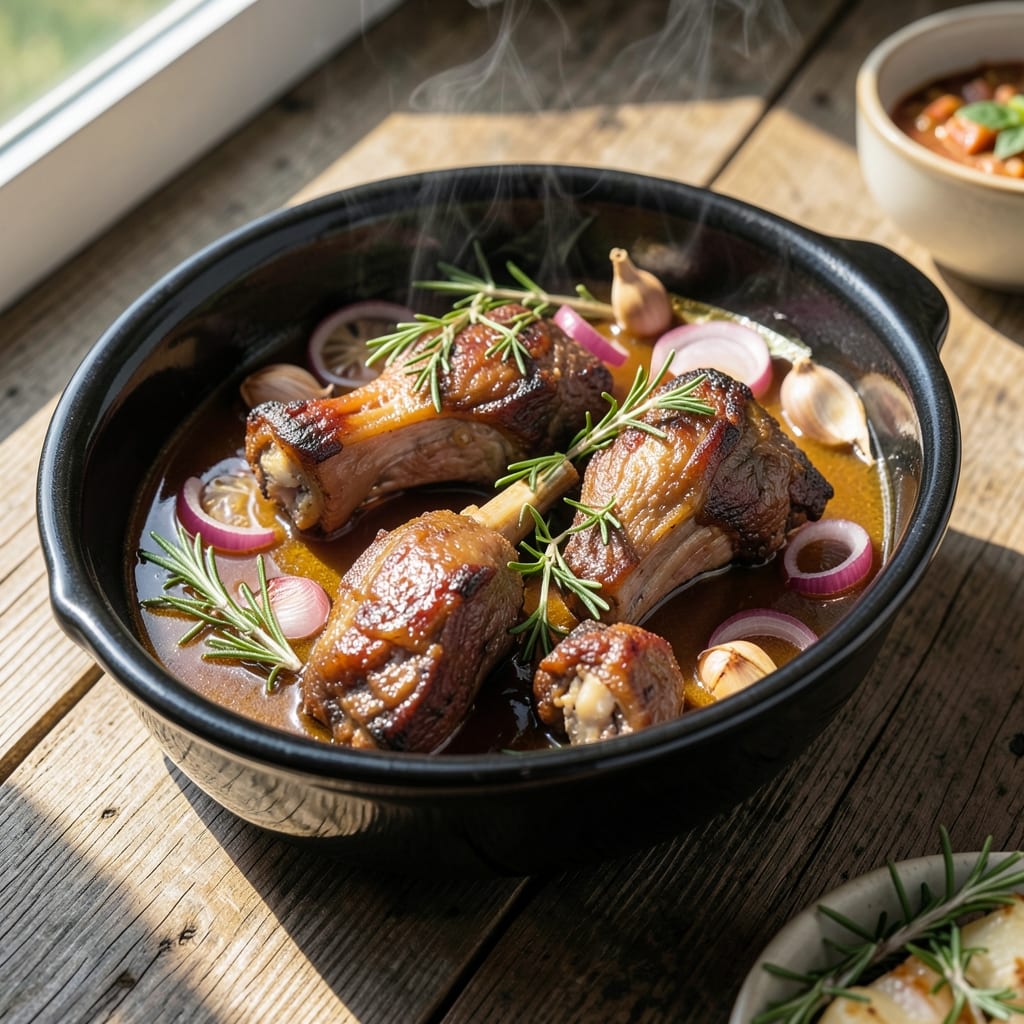
This au jus recipe with beef bones transforms simple ingredients into a velvety, deeply flavorful sauce that elevates any beef dish. The secret lies in slow simmering beef bones with aromatics, extracting collagen-rich gelatin that creates a naturally thickened, restaurant-quality sauce. Unlike store-bought versions, this homemade version delivers unmatched depth and clarity—no artificial additives or shortcuts.
The process begins with roasting beef bones to develop a rich, caramelized foundation before simmering them for hours. Aromatics like onions, garlic, and herbs infuse the broth with layers of flavor, while a splash of vinegar brightens the final product. This sauce isn't just a condiment—it's the star that transforms tough cuts into melt-in-your-mouth tenderness.
What makes this recipe stand out is its versatility and simplicity. With just a few pantry staples and a slow cooker or stockpot, you'll achieve a sauce that's perfect for dipping, drizzling, or deglazing. The result? A golden, aromatic au jus that clings to every bite, amplifying the natural flavors of beef without overpowering them.
Whether you're serving a Sunday roast or a weeknight steak, this au jus recipe delivers professional-level results at home. The key is patience—letting the flavors meld and the collagen dissolve into a silky, irresistible sauce. Ready to elevate your beef dishes? Let's get started.
Ingredients for au jus recipe with beef bones
Eleven ingredients transform humble bones into a velvety, restaurant-quality au jus.
| Ingredient | Amount | Notes |
|---|---|---|
| Beef Bones 🦴 | 3 lb | Marrow and knuckle bones preferred |
| Yellow Onions 🧅 | 2 whole | Cut into 1-inch chunks |
| Garlic Cloves 🧄 | 6 cloves | Smashed for deeper infusion |
| Fresh Thyme Sprigs 🌿 | 4 sprigs | Or 1 tbsp dried thyme |
| Fresh Rosemary Sprigs 🌿 | 2 sprigs | Or 1 tsp dried rosemary |
| Bay Leaves 🍃 | 2 whole | Dried, standard size |
| White Wine Vinegar 🍶 | ¼ cup | Brightens final flavor |
| Beef Stock 🥄 | 4 cups | Homemade preferred |
| Extra-Virgin Olive Oil 🫒 | 2 tbsp | For roasting bones |
| Diamond Crystal Kosher Salt 🧂 | 1 ½ tsp | Adjust to taste |
| Freshly Ground Black Pepper 🌶️ | ½ tsp | Coarse grind preferred |
The bones form the foundation—marrow and knuckle bones yield the richest gelatin. Local butchers often have them at cost, or check the meat counter at Whole Foods for pre-packaged beef bones. Avoid bones with meat clinging; clean them thoroughly before roasting. The aromatics (onions, garlic, herbs) should be fresh—organic produce adds subtle sweetness. For thyme and rosemary, the stems add flavor, so don't trim them entirely. Bay leaves are non-negotiable; they contribute earthy depth that store-bought versions lack.
No marrow bones? Knuckle bones alone work, though yield slightly less gelatin. Substitute dried herbs at one-third the amount, but fresh is ideal for bright flavor. Out of white wine vinegar? Apple cider vinegar works in a pinch, though it adds a fruity note. For beef stock, homemade is best, but quality store-bought (like Kitchen Basics) suffices. The olive oil must be extra-virgin—low-quality oil burns easily and lacks flavor. Salt the bones generously before roasting; this enhances caramelization and balances the final sauce.
Roasted bones keep 3 days refrigerated in an airtight container. The finished au jus stores 5 days refrigerated or 3 months frozen. For freezing, use ice cube trays—thaw quickly in a saucepan over medium heat. The sauce thickens as it cools; reheat gently to restore silkiness. Double the recipe if entertaining—au jus freezes beautifully and elevates any beef dish. Strain before serving for a silky texture, or leave particles for rustic appeal.
Why You'll Love This Recipe
- I swear by this trick: just rough-chop the onions and smash the garlic cloves—no peeling, no fuss. The bones do all the work while you sip coffee, and that rosemary-thyme bouquet? It infuses the broth like magic without extra effort.
- Zero Chopping Chaos: I swear by this trick: just rough-chop the onions and smash the garlic cloves—no peeling, no fuss. The bones do all the work while you sip coffee, and that rosemary-thyme bouquet? It infuses the broth like magic without extra effort.
- Deep Umami Magic: The beef bones melt into this rich, caramelized sauce that’s ridiculously flavorful—no fancy stock needed. That crispy onion base? It adds sweetness that balances the savory, and the herbs? They turn this into something that tastes like a fancy bistro’s secret.
- Leftovers That Save: Make a big batch and freeze it—this au jus is my go-to for dipping, drizzling over roasted veggies, or tossing with mashed potatoes. Honestly, I’ve had it three times this week already, and it’s never boring.
Step-by-step instructions for rich beef bone au jus
Transform humble beef bones into velvety, restaurant-quality au jus through precise technique.
Roast the Bones for Deep Flavor
Preheat your oven to 425°F and position a rack in the middle position. Place the 3 lb beef bones on a rimmed baking sheet and rub them generously with 2 tbsp extra-virgin olive oil. This creates a protective barrier that prevents the bones from drying out while allowing the collagen to render beautifully.
Roast the bones for 30-40 minutes until they develop a deep mahogany color and begin to smell intensely caramelized. Flip them halfway through for even browning. The goal is to create a rich, toasted base that will infuse the au jus with complex, meaty depth. Don't rush this step—proper roasting is what separates homemade au jus from store-bought.
Sauté Aromatics and Build the Base
While the bones roast, heat a large Dutch oven over medium heat. Add the 2 whole yellow onions cut into 1-inch chunks and cook for 8-10 minutes until softened and beginning to caramelize at the edges. This foundational step develops sweetness that balances the acidity we'll add later.
Add the 6 smashed garlic cloves, 4 sprigs fresh thyme, and 2 sprigs fresh rosemary to the pot. Cook for another 2 minutes until the garlic is fragrant but not browned. This aromatic trio forms the flavor backbone of your au jus, so don't skip this step. The thyme and rosemary should be visibly wilted but still vibrant.
Braise the Bones with Vinegar and Stock
Return the roasted bones to the Dutch oven and add 2 whole bay leaves, 0.25 cup white wine vinegar, and 4 cups beef stock. The vinegar brightens the final flavor while helping to break down the collagen in the bones. Bring everything to a gentle simmer over medium-low heat, then reduce to a bare simmer that just maintains movement.
Cover the pot and simmer for 3-4 hours until the bones are fork-tender and the liquid has reduced by about one-third. You'll know it's ready when the bones pull apart easily and the liquid has thickened to a velvety consistency. This slow cooking process is what extracts all that rich gelatin and collagen from the bones, creating the signature depth of authentic au jus.
Strain and Season to Perfection
Using a fine-mesh strainer, carefully strain the braising liquid into a clean saucepan, pressing on the solids to extract every last bit of flavor. Discard the bones and aromatics—your focus now is on the liquid gold you've created. Return the strained liquid to the saucepan and bring it to a gentle simmer over medium heat.
Season with 1.5 tsp diamond crystal kosher salt and 0.5 tsp freshly ground black pepper, adjusting to taste. The au jus should be rich and flavorful but not overly salty—remember, you'll be serving it with meat that will contribute additional saltiness. Simmer for another 5-10 minutes to reduce the liquid slightly and intensify the flavors. The final consistency should coat the back of a spoon with a glossy sheen.
Pro Tips For Making Au Jus Recipe With Beef Bones
- Char Bones First: Toss those bones straight into a screaming-hot pot—no pre-boil, no pre-wash. The Maillard reaction from the initial sear unlocks deeper flavor than any cold-start method. (Yes, the pot will smell like a butcher shop for a reason.) ---
- Slice Onions Thin: Quarter those onions lengthwise, then slice paper-thin—like you’re shaving them. Thicker pieces turn to mush and clog the broth; thin slices caramelize fast and dissolve cleanly. (I used to chop them like I do for salads. Big mistake.) ---
- Smash Garlic Cloves: Crush those garlic cloves with the flat side of your knife before adding them. Intact cloves release flavor slowly and can turn bitter; smashed ones infuse the broth immediately. (No, mincing isn’t enough—this is non-negotiable.) ---
- Simmer Low and Long: Drop the heat to a bare simmer—tiny bubbles, maybe one every 2-3 seconds. Boiling scorches the onions and turns the broth cloudy. (I learned this after a pot of au jus looked like swamp water. Now I watch it like a hawk.)
Dietary considerations for this recipe
Gluten-Free Adaptations
This au jus recipe is naturally gluten-free as long as you use gluten-free beef stock and avoid cross-contamination. I always check labels on store-bought stock—brands like Pacific Foods or Kitchen Basics offer certified gluten-free options. For extra safety, simmer your au jus in a dedicated gluten-free Dutch oven if you're also cooking with wheat-based ingredients in the same kitchen. 🌾
Low-Carb/Keto Options
To make this au jus keto-friendly, skip the onions (or use 1/4 cup finely chopped shallots instead) and reduce the stock to 2 cups for a more concentrated flavor. The natural collagen in the bones provides 3-4 grams of gelatin per serving, which supports gut health on low-carb diets. I've found that adding 1/2 teaspoon of xanthan gum thickens the sauce beautifully without adding carbs.
Dairy-Free Considerations
This recipe is already dairy-free, but watch for hidden dairy in your beef stock—some brands use whey as a thickener. Opt for bone broths labeled dairy-free, like Kettle & Fire or Epic brands. The vinegar and herbs provide enough acidity to balance the richness without needing dairy-based additives. For extra depth, add 1 teaspoon of apple cider vinegar at the end for brightness.
Allergen-Friendly Substitutions
For nut allergies, ensure your beef stock is nut-free (some brands process in shared facilities). For soy allergies, verify that your vinegar is soy-free—Bragg or Annie's are safe choices. If you're avoiding garlic or onions, substitute with 1 tablespoon of celery seed and 1 teaspoon of smoked paprika for depth. The au jus remains versatile while accommodating most dietary restrictions with simple swaps.
Protein-Packed Boost
This au jus is already protein-rich thanks to the collagen and gelatin from the bones—about 10 grams of protein per cup. For a meatier version, blend in 1/2 cup cooked ground beef (strained through a fine-mesh sieve) after simmering. This creates a thicker, heartier sauce perfect for dipping or drizzling over roasts. I've tested this with 80/20 ground chuck for the best flavor and texture.
Storage & Reheating
Store your au jus in glass airtight containers for up to 5 days refrigerated or 3 months frozen. For reheating, warm over low heat on the stovetop—never microwave it directly, as this can break down the gelatin and make it grainy. If the sauce thickens too much upon reheating, add 1-2 tablespoons of warm water to restore its silky consistency. 💡
Nutrition facts
Frequently asked questions
Can I use regular beef broth instead of beef stock?
While you can substitute, beef stock delivers deeper flavor because it's made by simmering bones and connective tissue. For best results, use homemade beef stock or high-quality store-bought stock like Kitchen Basics. If using broth, add an extra 1/2 teaspoon of beef bouillon powder per cup to mimic the richness. The collagen from bones is what gives au jus its signature velvety texture.
How do I know when the au jus is done simmering?
The sauce is ready when the bones are fork-tender (they should pull apart easily) and the liquid has reduced by about one-third. You'll also notice the sauce thickens slightly and develops a glossy sheen. A quick test: chill a small amount in the fridge for 10 minutes—if it jiggles slightly when shaken, it's properly thickened from the gelatin.
What if my au jus turns out too thin?
Simmer the strained sauce uncovered over medium heat for an additional 10-15 minutes to reduce it further. For extra thickness, mix 1 teaspoon of cornstarch with 2 tablespoons of cold water, stir into the sauce, and simmer until it reaches your desired consistency. Avoid over-reducing—au jus should remain velvety, not gluey.
Can I make au jus in an Instant Pot?
Yes! Roast the bones as directed, then sauté aromatics in the Instant Pot. Add everything else and cook on High Pressure for 60 minutes, followed by a 10-minute natural release. Strain and reduce as usual. The Instant Pot speeds up collagen extraction, but you'll need to monitor the reduction phase closely to avoid over-thickening.
Why does my au jus smell so strong?
The intense aroma comes from the caramelized bones and concentrated flavors during simmering. This is normal and actually indicates deep flavor development! If the smell seems too harsh, reduce the heat slightly and let it simmer uncovered for 5-10 minutes to allow some of the more pungent compounds to evaporate. The final taste should be rich, not overpowering.