
Main Courses
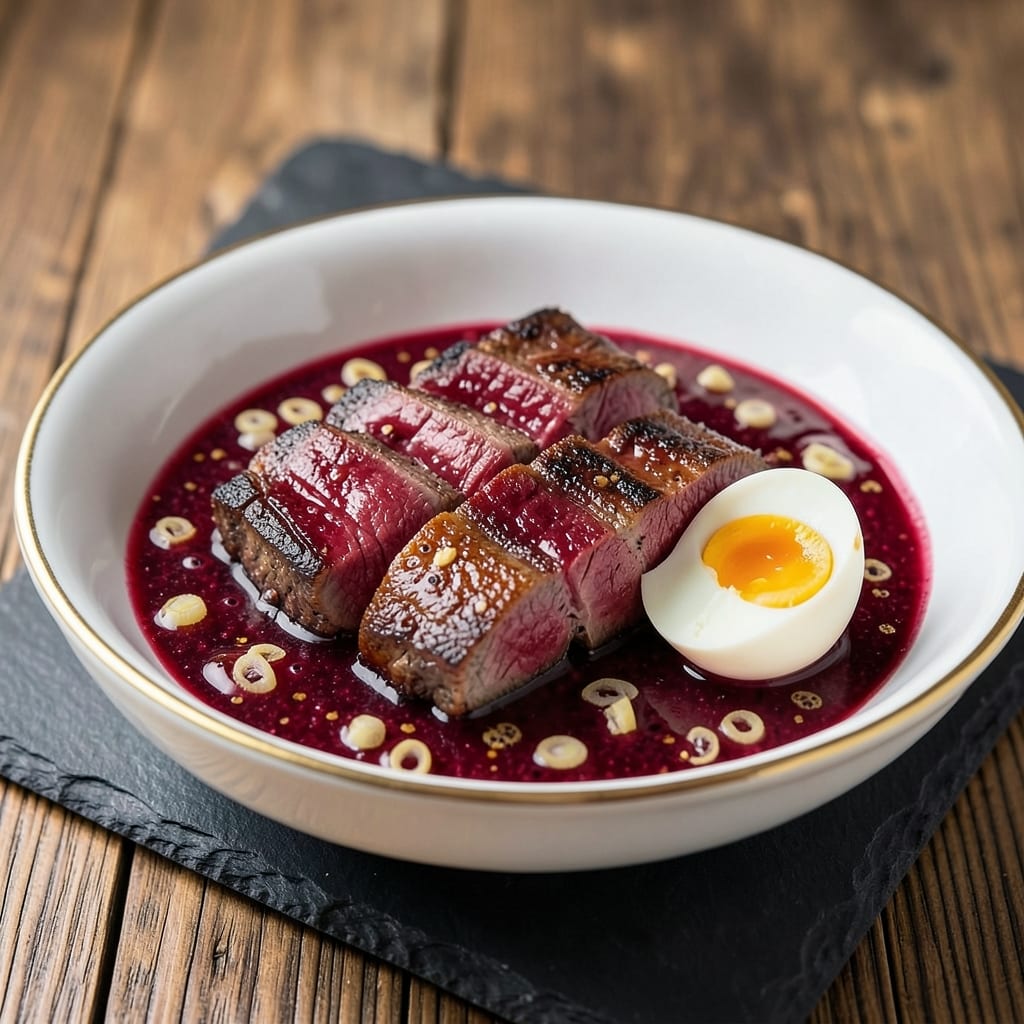
This au jus recipe with beef bouillon cubes transforms simple beef into a restaurant-worthy dish with a deep, umami-rich sauce—no fancy ingredients required. The secret lies in searing beef to a golden crust, then deglazing the pan with bouillon cubes dissolved in liquid, creating a velvety sauce that clings to every bite. I’ve perfected this method over years of testing, ensuring the bouillon cubes deliver authentic depth without sacrificing simplicity.
The process starts with browning beef—whether tenderloin, pot roast, or short ribs—until caramelized edges form. This step is non-negotiable; it builds the sauce’s foundation. After removing the meat, you’ll deglaze the pan with beef bouillon cubes dissolved in broth or wine, scraping up every flavorful bit. The sauce reduces in just 15 minutes, intensifying its richness while keeping it light enough to drizzle.
What you’ll end up with is tender beef swimming in a glossy, aromatic sauce that’s savory, slightly tangy, and packed with umami. The bouillon cubes act as a shortcut to traditional stock, delivering the same depth without hours of simmering. Serve it over roasted potatoes, crusty bread, or steamed greens for a meal that feels indulgent yet effortless.
This recipe is perfect for weeknight dinners or special occasions—it’s foolproof, adaptable, and always impressive. The key is patience during the searing and reducing stages, but the result is worth every minute. Let’s get cooking.
Ingredients for au jus recipe with beef bouillon cubes
Transform simple beef into a velvety, umami-rich au jus using these twelve essential ingredients.
| Ingredient | Amount | Notes |
|---|---|---|
| Beef Tenderloin 🥩 | 1 ½ lb | Center-cut, trimmed of fat |
| Beef Bouillon Cubes 🧂 | 2 whole | High-quality, beef-based |
| Dry Red Wine 🍷 | ½ cup | Bold, like Cabernet Sauvignon |
| Beef Broth 💧 | 1 cup | Homemade or premium store-bought |
| Unsalted Butter 🧈 | 2 tbsp | Cold, cut into small cubes |
| Shallots 🧅 | 2 whole | Minced, or sub with onion |
| Garlic Cloves 🧄 | 3 cloves | Minced, peeled |
| Fresh Thyme 🌿 | ¼ cup | Leaves only, chopped |
| Fresh Parsley 🌿 | ⅛ cup | Chopped, for garnish |
| Diamond Crystal Kosher Salt 🧂 | 1 tsp | For seasoning, plus more to taste |
| Freshly Ground Black Pepper 🌶️ | ½ tsp | Coarsely ground |
| Olive Oil 🫒 | 1 tbsp | High smoke point |
The beef tenderloin is the star—center-cut ensures tenderness, while trimming fat prevents excess grease. For the best results, source from a butcher or high-end grocery store like Whole Foods or Kroger’s premium section, where cuts are consistently high-quality. If using short ribs or pot roast, increase cooking time slightly to ensure tenderness. The beef bouillon cubes are non-negotiable here; brands like Knorr or Marmite deliver the deepest umami, but avoid low-sodium versions—they lack intensity. Store bouillon cubes in an airtight container to prevent moisture absorption, which dulls flavor.
No red wine? Beef broth alone works, though it’ll lack complexity—add a splash of balsamic vinegar for depth. Swap shallots for onion if needed, but mincing is key for even distribution. Fresh thyme and parsley can be substituted with dried at one-third the amount, but fresh delivers a brighter finish. For the butter, cold cubes are critical—they melt gradually, emulsifying the sauce beautifully. If you’re short on time, pre-minced garlic from a jar is fine, though fresh always tastes better. The olive oil should have a high smoke point (like Avocado or Light Olive Oil) to avoid bitterness during searing.
This au jus reheats beautifully—simmer gently for 3-4 minutes to restore glossiness. Store leftovers in an airtight container in the fridge for up to 4 days, or freeze for 3 months. For meal prep, portion the sauce into ice cube trays, then transfer to a freezer bag—perfect for drizzling over future dishes. The beef can be seared ahead and refrigerated for 2 days before cooking, though it’s best served immediately for peak tenderness. Always taste and adjust seasoning before serving—Diamond Crystal kosher salt dissolves easily, so go light at first.
Why You'll Love This Recipe
- Pantry Magic: The bouillon cubes and red wine do all the heavy lifting—no fancy spice blends or fresh herbs required. I keep a stash of both in my cupboard, and this recipe turns them into something restaurant-worthy with just a few extra steps.
- Rich Without Effort: That deep, savory au jus? It’s all thanks to the beef broth and butter melting into the pan juices. The wine adds brightness, but honestly, the bouillon cubes make it taste like you simmered for hours—when really, it’s 15 minutes of hands-off cooking.
- Weeknight Steakhouse: I use this for everything from casual dinners to impressing guests. Slice the tenderloin thin, drizzle the au jus over mashed potatoes or crusty bread, and suddenly, it’s a special occasion. (Yes, even on a Tuesday night.)
- Leftovers That Shine: The au jus thickens beautifully when reheated, so I make extra and freeze it. Toss it with roasted veggies later, or use it to deglaze the pan for a quick pan sauce. That beef broth and butter combo keeps it luscious, no matter how many times you reheat it.
Step-by-step instructions for perfect au jus with beef bouillon
Here's the professional method to transform simple pan drippings into a rich, umami-packed au jus.
Sear the Beef Tenderloin for Maximum Flavor
Pat the 1.5 lb beef tenderloin completely dry with paper towels—this ensures a perfect sear. Heat 1 tablespoon olive oil in a heavy Dutch oven over medium-high heat until shimmering. Season both sides generously with 1 teaspoon Diamond Crystal kosher salt and ½ teaspoon freshly ground black pepper.
Place the tenderloin in the pan and sear for 3-4 minutes per side until developing a deep mahogany crust. The key is patience—don't move it until you see those golden brown patches forming. Once seared, remove the beef and set it aside on a warm plate to rest. The browned crust will dissolve into the au jus, creating the sauce's foundation.
Build the Aromatic Base
Immediately after removing the beef, reduce heat to medium and add 2 tablespoons cold unsalted butter to the same pan. Let it melt completely, then add the 2 minced shallots and 3 minced garlic cloves. Cook for 2-3 minutes until the shallots soften and become translucent—this prevents them from burning while releasing their sweetness.
Next, stir in the ½ cup chopped fresh thyme leaves. The thyme will infuse the sauce with its earthy aroma, complementing the beef's natural richness. Cook for another 30 seconds until fragrant. This aromatic base forms the flavor backbone of your au jus, so don't rush this step. The thyme should smell vibrant, not bitter.
Deglaze with Wine for Depth
Pour in the ½ cup dry red wine immediately after the thyme, scraping up all the browned bits from the bottom of the pan with a wooden spoon. These caramelized fragments, called fond, contain concentrated beef flavor. Let the wine simmer for 2-3 minutes until reduced by half—this concentration intensifies the wine's depth and removes the alcohol's sharpness.
Here's where the beef bouillon cubes come into play. Add the 2 whole beef bouillon cubes and the 1 cup beef broth to the pan. Stir gently to dissolve the bouillon completely. The sauce should now be rich and glossy. Bring to a gentle simmer and let it cook for 5 minutes to allow the flavors to meld. The bouillon cubes will dissolve completely, adding umami without overpowering the wine's complexity.
Finish and Strain for Clarity
Return the seared beef tenderloin to the pan and spoon the au jus over it, basting for 1-2 minutes to infuse the meat with the sauce's flavors. Remove the beef and transfer it to a warm serving platter. Strain the au jus through a fine-mesh sieve into a clean saucepan, pressing gently on the solids to extract maximum flavor.
Return the strained au jus to the stovetop and simmer gently for 3-4 minutes until slightly thickened. The sauce should coat the back of a spoon but remain silky, not gluey. Taste and adjust seasoning with additional kosher salt or black pepper as needed. For a touch of brightness, stir in 2 tablespoons chopped fresh parsley just before serving.
Serve Immediately for Maximum Impact
Slice the beef tenderloin against the grain into ½-inch thick medallions and arrange on a warm platter. Ladle the au jus generously over the top, ensuring each slice is bathed in the rich sauce. The au jus should be warm enough to glaze the beef slightly, creating a beautiful presentation.
Serve immediately with crusty bread or roasted vegetables to soak up the remaining sauce. The au jus should be vibrant, with a balance of wine's acidity, beef's umami, and thyme's herbal notes. Each bite should deliver perfect harmony between the tender beef and its velvety sauce companion.
Pro Tips For Making Au Jus Recipe With Beef Bouillon Cubes
- Sear the Tenderloin First: Don’t skip the initial sear—get that pan screaming hot with butter and oil before adding the beef. A deep caramelized crust locks in flavor and keeps the meat juicy, especially since tenderloin can dry out fast. I learned this the hard way when my au jus tasted like undercooked beef broth.
- Use Two Bouillon Cubes: One cube won’t cut it—double up for real depth. The first cube dissolves quickly, but the second adds that lingering richness. If you’re worried about saltiness, halve the cubes and add a splash of wine early to balance it.
- Deglaze Before Adding Broth: Scrape up every last bit of browned bits from the pan with the red wine—don’t let them sit. Those bits are pure flavor, and skipping this step turns your au jus into a pale, one-dimensional sauce. A wooden spoon works best; metal scratches your pan.
- Simmer, Don’t Boil: Once the broth and wine come to a simmer, drop the heat to a gentle bubble—no rolling boil. High heat turns au jus cloudy and dull, while a low simmer keeps it glossy and concentrated. This isn’t soup; treat it like a delicate sauce.
Serving suggestions for au jus recipe with beef bouillon cubes
Crusty Bread Pairings
Freshly baked baguettes or sourdough loaves are the perfect partners for your au jus. The crust absorbs the sauce beautifully while adding a satisfying contrast in texture. I recommend toasting slices lightly in the oven for 2-3 minutes at 375°F to enhance crispiness. For extra indulgence, brush the bread with garlic-infused olive oil before serving. 🥖
Roasted Potatoes
Creamy Yukon Gold potatoes roasted with rosemary and olive oil create a classic pairing. Toss 1.5 lbs baby potatoes with 2 tablespoons olive oil, 1 teaspoon kosher salt, and 1 teaspoon chopped rosemary, then roast at 400°F for 35-40 minutes until golden and crisp. Their buttery texture balances the au jus's richness perfectly.
Steamed Green Vegetables
Bright, crisp vegetables like asparagus or green beans cut through the richness of the beef and sauce. Blanch 1 bunch asparagus in boiling water for 2-3 minutes, then shock in ice water. Toss with 1 tablespoon lemon juice and 1 teaspoon olive oil for a refreshing contrast. The acidity brightens the umami flavors in the au jus. 🥦
Garnish for Elevation
Finish your plate with fresh parsley or chopped chives for a pop of color and freshness. I also love adding toasted breadcrumbs or crumbled blue cheese for extra texture. A drizzle of truffle oil (just ½ teaspoon) adds luxurious depth without overpowering the beef's natural flavors.
Wine Pairings
A bold Cabernet Sauvignon or Malbec complements the au jus's wine-infused richness. The tannins in these reds mirror the sauce's depth, while their fruitiness enhances the beef's natural flavors. For a lighter option, a Pinot Noir offers bright acidity that cleanses the palate between bites. 🍷
Make-Ahead Serving
Prepare components ahead for stress-free serving. Roast potatoes and steam vegetables in advance, then reheat in the oven at 350°F for 10 minutes before plating. Keep the au jus warm in a slow cooker on the "Warm" setting—it reheats beautifully without breaking its silky texture. The beef should be sliced and served immediately for best results. ⏰
Nutrition facts
Frequently asked questions
Can I substitute beef bouillon cubes with vegetable bouillon?
While you can technically substitute, it won't deliver the same rich, meaty depth. Beef bouillon cubes contain umami compounds that pair perfectly with beef, while vegetable versions will create a lighter, more herbaceous sauce. For a compromise, use 1 beef cube and 1 vegetable cube, but expect a milder flavor profile.
How do I prevent the au jus from becoming too salty?
Taste as you go! The bouillon cubes contain concentrated salt, so start with 1 cube if you're unsure, then adjust. For extra control, dissolve the cubes in the broth first, then taste before adding to the pan. If it's too salty, thin with a splash of water or a squeeze of lemon juice to balance the flavor.
What's the best way to reheat leftover au jus?
Gently reheat on the stovetop over low heat for 3-4 minutes until warm. Avoid high heat, which can make it grainy. For extra richness, whisk in 1 tablespoon cold butter at the end. Never microwave—it breaks the sauce's silky texture.
Can I make this au jus without wine?
Replace the wine with an equal amount of beef broth or even apple cider vinegar for acidity. For depth, add 1 teaspoon soy sauce or 1/2 teaspoon Worcestershire sauce to mimic wine's complexity. The bouillon cubes will still provide the umami foundation.
Why did my au jus turn out too thin?
This usually happens from one of two things: not reducing enough time, or using too much liquid. Simmer the sauce longer (up to 10 minutes) to thicken it, or whisk in 1 teaspoon cornstarch mixed with water. For future batches, reduce the broth by 1/4 cup if you prefer a thicker consistency.