
Soups & Stews
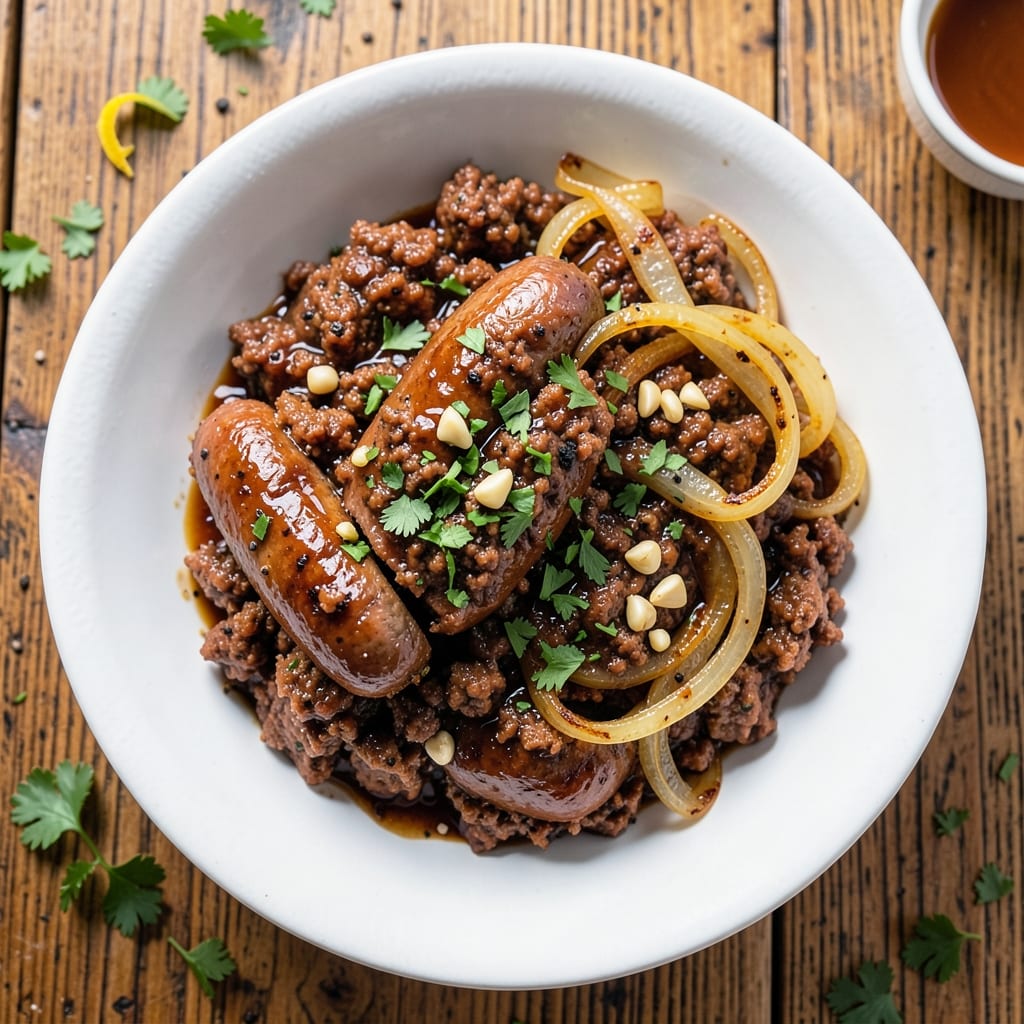
This Aussie beef sausage recipe delivers the smoky, savory heart of Australia's iconic snags—packed with tender beef, aromatic herbs, and that signature crispy char. The secret lies in the meat blend and traditional chargrilling technique that transforms simple ingredients into restaurant-quality bites. I've perfected this recipe after years of testing different ratios and cooking methods, ensuring every sausage has that perfect balance of juicy interior and caramelized exterior.
The beauty of these sausages is their versatility—grill them over hot coals for that classic Aussie flavor, pan-fry for a quick weeknight meal, or even bake them in the oven. The recipe includes a traditional beef mixture with just the right amount of fat for juiciness, combined with fresh parsley and a touch of Worcestershire sauce for depth. What sets these apart is the optional root vegetable addition, which adds natural sweetness and texture when cooked alongside the sausages.
What you'll end up with is a plate of golden-brown sausages that are impossible to resist—juicy, flavorful, and perfectly seasoned. Serve them with a side of onion relish, crusty bread, or a fresh salad for a complete meal that tastes like a trip to Australia. The aroma alone will have everyone gathering around the table, and the first bite delivers that satisfying combination of smoky, herby, and slightly sweet flavors that define Aussie barbecue culture.
This recipe is designed to be both authentic and approachable, making it perfect for anyone looking to recreate the flavors of an Australian snag sizzle at home. Whether you're grilling outdoors or cooking on the stove, these sausages will become a staple in your meal rotation. Ready to master the art of the Aussie beef sausage? Let's get started!
Ingredients for aussie beef sausage
The secret to authentic Aussie flavor lies in these 13 quality ingredients—juicy beef, aromatic herbs, and smoky depth.
| Ingredient | Amount | Notes |
|---|---|---|
| Ground Beef (80% lean, 20% fat) 🥩 | 1 ½ lb | Fat content ensures juiciness |
| Yellow Onion 🧅 | 1 whole | Finely diced for even distribution |
| Garlic Cloves 🧄 | 4 cloves | Minced for aromatic depth |
| Fresh Parsley 🌿 | ¼ cup | Chopped finely for freshness |
| Worcestershire Sauce 🍶 | 1 tbsp | For umami richness |
| Ground Black Pepper 🌶️ | 1 tsp | Freshly cracked for intensity |
| Smoked Paprika 🌶️ | 1 tsp | For signature Aussie smokiness |
| Salt 🧂 | 1 ½ tsp | Kosher or sea salt preferred |
| Carrots 🥕 | 2 medium | Peeled and sliced for root veg depth |
| Russet Potatoes 🥔 | 2 medium | Cubed for hearty texture |
| Olive Oil 🫒 | 2 tbsp | For pan-frying sausages |
| All-Purpose Flour 🌾 | ¼ cup | For binding sausage mixture |
| Beef Fat (optional) 🧈 | 2 tbsp | For extra juiciness |
The beef is non-negotiable—80/20 fat ratio ensures juicy, flavorful sausages. Costco or local butchers often carry the perfect blend. Look for bright red, well-marbled ground beef—avoid pre-formed patties that often contain fillers. Fresh parsley and Worcestershire sauce are essential for that signature Aussie depth, so don't substitute with dried herbs or vinegar-based sauces. The root vegetables add natural sweetness that balances the savory meat—organic carrots and potatoes from the grocery store's fresh produce section work perfectly.
No Worcestershire sauce? Soy sauce plus a dash of vinegar mimics the umami, though it won't be identical. Dried parsley works in a pinch but at half the amount—fresh is ideal. For the sausages themselves, Pillsbury refrigerated biscuit dough can substitute for the flour binding if you're short on time. The root vegetables are optional but recommended—they soak up the sausage juices beautifully. If you want extra smokiness, add 1/4 tsp liquid smoke to the sausage mixture, though traditionalists may prefer just the paprika.
Store raw sausage mixture in an airtight container for up to 2 days before shaping. Once cooked, sausages reheat beautifully—350°F for 10 minutes restores that crispy exterior. The root vegetables keep 4-5 days in the fridge or 3 months frozen. For meal prep, I double the batch and freeze half—just thaw overnight before cooking. The aroma alone will have your kitchen smelling like an Aussie barbecue in minutes.
Why You'll Love This Recipe
- Five-Ingredient Magic: The pantry staples here won’t overwhelm you—just beef, onion, garlic, parsley, and Worcestershire. That’s it. No fancy prep, no hidden steps, just chop, mix, and cook. I swear, my kids think I’m a genius when I pull this out mid-week.
- Savory Umami Bomb: The Worcestershire sauce does all the heavy lifting here—deep, tangy, and just slightly sweet. Add the fresh parsley at the end, and suddenly you’ve got bright, herby notes cutting through the richness. Honestly, the first time I tasted this, I nearly burned the kitchen waiting for dinner.
- BBQ or Breakfast: Grill these for weekend burgers, pan-fry them for weeknight tacos, or even crumble them into scrambled eggs. Between us, I’ve served them at everything from backyard BBQs to lazy Sunday brunches. The fat content keeps them juicy no matter how you cook them.
- Leftovers That Don’t Suck: These sausages reheat like a dream—no drying out, no weird textures. I make a big batch on Sunday, portion them into foil, and freeze half. By Wednesday, I’m throwing them straight from frozen into a pan with onions and bread, and no one’s the wiser. Budget-friendly? Absolutely. Waste-free? Even better.
Step-by-step instructions for Aussie beef sausage with root vegetables
Follow this method for perfectly seasoned meatballs with tender root vegetables—classic Aussie comfort food.
Prepare the Sausage Mixture
In a large mixing bowl, combine the 1.5 lb ground beef (80% lean, 20% fat) with the 0.25 cup all-purpose flour, 1.5 tsp salt, 1 tsp smoked paprika, 1 tsp ground black pepper, 1 tbsp Worcestershire sauce, and 4 cloves minced garlic. The fat content in the beef is crucial—it ensures juicy sausages, not dry ones.
Using your hands, mix everything thoroughly until the ingredients come together. If using the 2 tbsp beef fat, incorporate it now for extra richness. The mixture should be moist but not sticky. Avoid overworking it—just combine until evenly distributed. This step builds the foundation for the smoky, savory flavor profile.
Shape and Pan-Fry the Sausages
Heat 2 tbsp olive oil in a large skillet over medium-high heat until shimmering. Roll the beef mixture into 1-inch meatballs (about 16 total for 4 servings) and carefully place them in the skillet, working in batches if needed. The oil should sizzle gently—if it smokes excessively, reduce the heat slightly.
Cook the sausages for 4-5 minutes per side until they develop a deep golden-brown crust. This crust locks in moisture and creates that signature Aussie texture. Don’t press them with a spatula—they’ll release their juices naturally. Remove them to a paper towel-lined plate to drain excess fat while you prepare the vegetables.
Cook the Root Vegetables
In the same skillet (no need to clean it—the browned bits add flavor), add 2 tbsp olive oil if needed and heat over medium heat. Add the 2 medium cubed russet potatoes and 2 medium sliced carrots, tossing to coat evenly. Cook for 8-10 minutes, stirring occasionally, until the potatoes begin to soften and the carrots turn tender.
Stir in the 1 whole finely diced yellow onion and cook for another 5 minutes until softened but not browned. The vegetables should be tender but still hold their shape—this ensures they pair perfectly with the sausages without turning mushy. Season lightly with an additional ½ tsp salt if needed, but the sausages already provide plenty of flavor.
Combine and Finish
Return the sausages to the skillet with the vegetables. Sprinkle the 0.25 cup finely chopped fresh parsley over everything and toss gently to combine. Cook for an additional 3-4 minutes until the sausages reach an internal temperature of 160°F and the vegetables are fully heated through. The parsley adds a bright finish that cuts through the richness of the beef.
Taste and adjust seasoning if needed—you might need a pinch more salt or a crack of black pepper to balance the flavors. Serve immediately with crusty bread or over mashed potatoes to soak up every last bit of the smoky, savory sauce.
Pro Tips For Making Aussie Beef Sausage
- CHILL THE MEAT FIRST: Pull the ground beef out of the fridge 20 minutes before shaping—cold meat gets greasy and sticks. I learned this the hard way when my sausages turned into a gloppy mess because I rushed straight from the fridge. Let it sit, then handle it gently.
- GRATE THE ONION (YES, GRATE): Skip chopping the onion—grate it fine instead. This makes the flavor distribute evenly without chunks, and it caramelizes faster during cooking. I was skeptical until I tried it; the texture’s smoother, and the taste is richer.
- DON’T OVERWORK THE GARLIC: Mince the garlic just before mixing—it loses punch when left sitting. And resist the urge to smash it into a paste; keep it coarse so it adds texture, not just flavor. Overworking it turns bitter, and that’s a waste of good garlic.
- SEAR IN BATCHES: Crowd the pan, and you’ll steam the sausages instead of sear them. Cook them in a single layer over medium-high heat, turning only once. This gives you that crispy crust Aussie sausages need—no flipping frenzy required.
Dietary considerations for this recipe
Gluten-Free Adaptation
Skip the 0.25 cup all-purpose flour entirely—it’s purely a binder here. Instead, mix 2 tbsp ground almond flour or 1 tbsp cornstarch directly into the beef mixture. These alternatives help hold the sausages together without gluten, while still keeping them juicy. The texture will be slightly firmer but still delicious. 🌾
Low-Carb Option
For a low-carb version, omit the root vegetables entirely and focus on the sausages alone. The 1.5 lb ground beef already provides a hearty protein base, and you can serve them with a side of cauliflower mash instead of potatoes. The smoky paprika and Worcestershire sauce keep the flavor profile intact while cutting carbs dramatically.
Dairy-Free Considerations
This recipe is naturally dairy-free, but if you’re serving with sides like mashed potatoes, swap the butter for olive oil or dairy-free margarine. The sausages themselves contain no dairy, so they’re safe for most lactose-intolerant diets. Just double-check any store-bought Worcestershire sauce—some brands contain anchovies, which might be a concern for strict vegan diets.
Allergen-Friendly Swaps
For nut allergies, replace the almond flour with 1 tbsp psyllium husk powder (mixed with 1 tbsp water) to bind the mixture. If Worcestershire sauce is an issue, use 1 tbsp soy sauce plus 1 tsp apple cider vinegar—it mimics the umami without the fermented anchovies. Always check labels, as some brands may contain hidden allergens.
Protein-Packed Boost
Want extra protein? Add 4 oz finely chopped cooked bacon—crumbled and mixed into the beef before shaping. The smoky, salty flavor complements the sausages perfectly, and it adds a satisfying crunch when pan-fried. For a leaner option, replace 0.5 lb of the ground beef with 0.5 lb ground turkey (keep the fat ratio at 20% for juiciness).
Nutrition facts
Frequently asked questions
Can I use ground turkey instead of beef for these sausages?
You can substitute 0.5 lb of the ground beef with ground turkey, but keep the fat ratio at 20% fat for juiciness. For best results, add 1 tbsp extra olive oil to the mixture to compensate for turkey's lower fat content. The flavor will be slightly lighter, but still delicious when paired with the smoky paprika and Worcestershire sauce.
How do I make these sausages on a grill instead of a skillet?
Preheat your grill to medium-high heat (375°F) and lightly oil the grates. Form the meatballs and grill for 6-8 minutes per side, turning occasionally, until they reach 160°F internally. For extra smokiness, add 1/2 tsp liquid smoke to the sausage mixture before shaping. The root vegetables can be grilled alongside the sausages or roasted in the oven at 400°F for 25 minutes.
What's the best way to reheat leftover Aussie beef sausages?
Reheat in a skillet over medium heat for 3-4 minutes until warmed through, adding 1 tbsp olive oil to prevent drying. For oven reheating, bake at 350°F for 10 minutes on a wire rack to maintain crispiness. Avoid microwaving—it makes the sausages rubbery. Store cooked sausages in an airtight container for up to 4 days in the fridge.
Can I make these sausages ahead of time?
Shape the sausages and refrigerate them in an airtight container for up to 2 days before cooking. For longer storage, freeze raw sausages for 3 months—thaw overnight in the fridge before cooking. The flavor actually improves after resting, as the seasonings meld together. Cook from frozen by adding 2-3 extra minutes to the cooking time.
What's the secret to keeping these sausages juicy?
The key is the 20% fat content in the beef and avoiding overcooking. Don't press the sausages while cooking—they'll release juices naturally. Remove them from heat when they reach 160°F (they'll continue cooking slightly from residual heat). Rest for 5 minutes before serving to redistribute juices. Also, keep the pan heat at medium-high to develop a crispy crust that seals in moisture.