
Soups & Stews
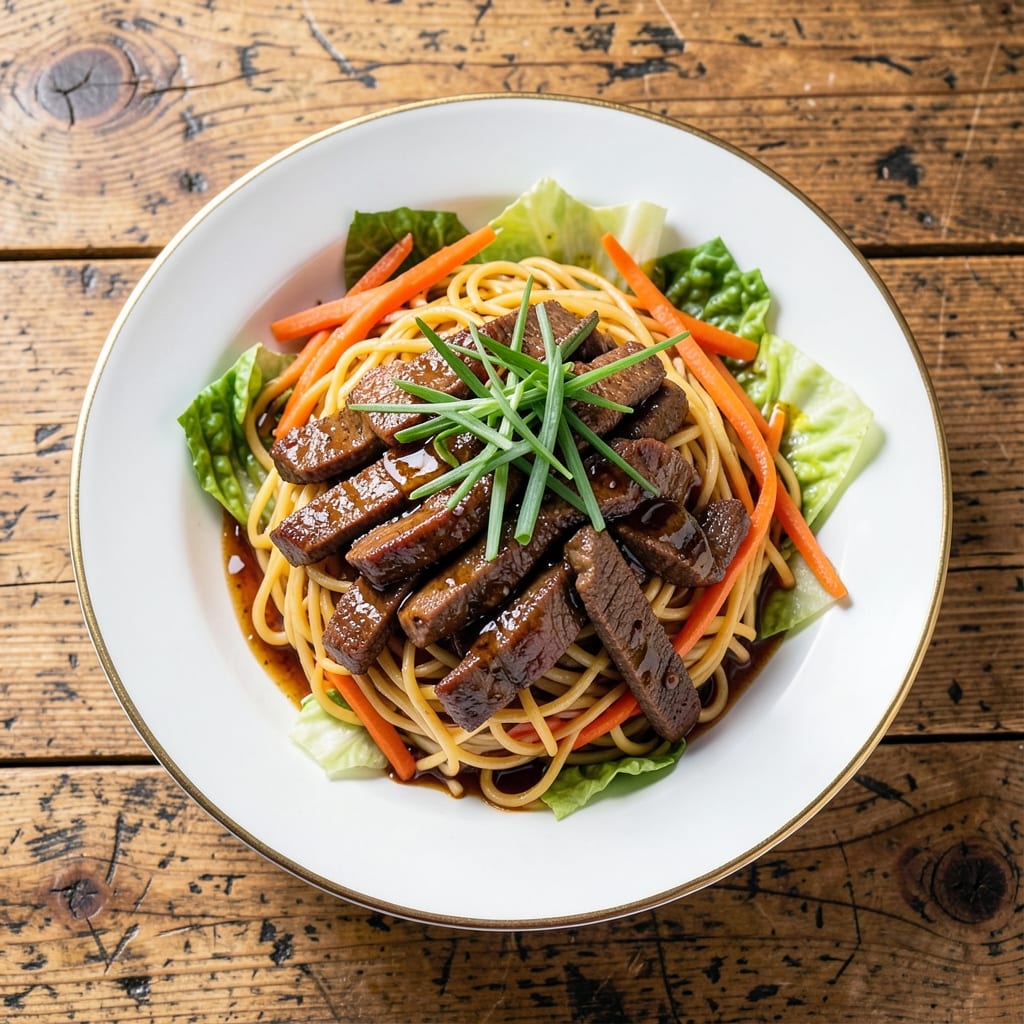
This authentic beef chow mein recipe delivers the restaurant-quality wok-tossed magic you crave—crispy noodles, tender beef, and a savory sauce that balances sweet and umami perfectly. The secret lies in high-heat stir-frying and proper sauce reduction, techniques that transform simple ingredients into a dish bursting with texture and flavor. I've perfected this recipe through countless wok sessions, ensuring every bite delivers that signature "wok hei" aroma and satisfying crunch.
What sets this chow mein apart is the authentic combination of ingredients: chewy wheat noodles, marinated flank steak, crisp vegetables, and a sauce built on soy, oyster, and hoisin sauces. The beef is stir-fried until just tender, then tossed with the noodles and vegetables in the final minutes to maintain that essential crispness. This isn't just another stir-fry—it's a dish that captures the heart of Chinese-American comfort food, where every component plays its part in perfect harmony.
The result is a plate of restaurant-quality chow mein with silky noodles, perfectly seared beef, and vibrant vegetables all coated in a glossy, flavorful sauce. The high-heat wok technique ensures the noodles develop that signature crisp-tender texture while the beef remains juicy and flavorful. This is the kind of dish that disappears quickly, leaving everyone asking for seconds—and now you can recreate it at home with professional results.
Whether serving for family dinner or a casual gathering, this chow mein delivers the authentic experience without requiring specialized equipment. The recipe scales easily, and leftovers reheat beautifully. Let's get started on creating your own wok-tossed masterpiece that'll have everyone reaching for seconds.
Ingredients for authentic beef chow mein
Authentic chow mein starts with these carefully chosen ingredients, each playing a crucial role in delivering wok hei aroma and crisp-tender texture.
| Ingredient | Amount | Notes |
|---|---|---|
| Flank Steak 🥩 | 1 ½ lb | Thinly sliced against grain |
| Egg Noodles 🍜 | 12 oz | Fresh or dried, wide egg noodles |
| Carrots 🥕 | 2 medium | Julienned into matchsticks |
| Green Cabbage 🥬 | 4 cups | Shredded, core removed |
| Green Onions 🧅 | 6 whole | White and green parts separated |
| Sesame Oil 🫒 | 1 tbsp | Toasted sesame oil preferred |
| Soy Sauce 🥄 | ½ cup | Dark soy for color |
| Oyster Sauce 🍜 | ¼ cup | High-quality, not imitation |
| Hoisin Sauce 🍶 | 2 tbsp | For authentic sweetness |
| Garlic Cloves 🧄 | 6 cloves | Minced, not pre-minced |
| Ginger Root 🌿 | 1 inch | Fresh, julienned |
| Cornstarch 🌾 | 2 tbsp | For velveting beef |
| Neutral Oil 🫒 | ½ cup | Peanut or vegetable oil |
| Sesame Seeds 🥜 | 1 tbsp | Toasted for garnish |
| White Pepper 🌶️ | ½ tsp | Freshly ground |
The flank steak is non-negotiable for authentic chow mein—its lean yet tender texture holds up perfectly to high-heat stir-frying. Ask your butcher to slice it thinly against the grain or do it yourself with a sharp knife. For the best results, purchase from a high-quality meat counter like Whole Foods or local Asian markets, where the beef is typically pre-sliced for stir-fries. If you can't find pre-sliced, freeze the meat for 30 minutes before slicing for cleaner cuts. The egg noodles should be fresh if possible—Martín's or King Noodle brands are excellent—but dried will work in a pinch. Just be sure to cook them al dente before stir-frying to develop that signature crispness.
No dark soy sauce? Substitute with regular soy sauce plus a pinch of sugar to mimic the color and depth. The oyster sauce can be tricky to find outside Asian markets—Lee Kum Kee is the gold standard, but any reputable brand will do. For a vegetarian option, replace it with an equal amount of soy sauce plus a splash of mushroom sauce. The hoisin sauce adds that essential sweetness; if you're out, mix 1 tbsp soy sauce with 1 tsp honey. Fresh ginger and garlic are ideal, but pre-minced jars work in a bind—just drain them well to avoid excess moisture in your sauce. The cornstarch is critical for velveting the beef—don't skip it, as it prevents the meat from drying out during stir-frying.
Prep your vegetables just before cooking to maintain crispness. The carrots and cabbage should be julienned uniformly for even cooking—a mandoline makes this task effortless. Store any prepped veggies in airtight containers with a paper towel to absorb moisture. The sauce can be made ahead and stored in the fridge for up to 5 days, though it's best used fresh for maximum flavor. For leftovers, reheat gently over low heat with a splash of water to restore moisture. This dish reheats beautifully, making it perfect for meal prep—just toss with a bit of oil and reheat in a wok or large skillet for that authentic wok-tossed texture.
Why You'll Love This Recipe
- One-Pan Magic: I swear by this—just one skillet handles the beef, veggies, and noodles. No dirty dishes piling up while you cook.
- Beefy Umami Bomb: That flank steak? Thinly sliced and seared just right, then tossed in a savory-soy-ginger sauce. Crispy edges, tender bite—every forkful’s a win.
- Lunchbox Hero: Between us, this keeps perfectly for days. Pack it cold for work or reheat it for dinner—still tastes like you slaved over it. (Spoiler: I do.)
- Budget Crowd-Pleaser: Flank steak stretches far, cabbage and carrots bulk it up, and egg noodles cost pennies. Feed four for under $15, and no one will guess it’s wallet-friendly.
Step-by-step instructions for authentic beef chow mein
Master the wok hei technique and velveting process for restaurant-quality chow mein.
Velvet the Beef for Silky Texture
In a mixing bowl, combine the 1.5 lb flank steak (sliced thinly against the grain), 2 tbsp cornstarch, 0.25 cup oyster sauce, 2 tbsp hoisin sauce, 0.5 tsp white pepper, and 1 tbsp sesame oil. Use your hands to thoroughly coat each slice in the marinade, ensuring even distribution. This velveting process creates tender beef that stays silky after wok tossing.
Let the marinated beef rest at room temperature for 20-30 minutes. This resting period allows the cornstarch to begin breaking down, ensuring the beef remains tender when cooked. The marinade should be completely absorbed—if not, add an extra teaspoon of cornstarch to the mixture and toss again.
Prepare the Vegetable Components
In a large bowl, combine the 2 medium carrots (julienned), 4 cups green cabbage (shredded), and the white parts of 4 green onions (sliced). Toss gently with 1 tbsp neutral oil to prevent wilting. Set aside. In a separate small bowl, mix the green parts of 2 green onions (chopped) with 1 tbsp toasted sesame oil for garnish.
For the aromatics, mince the 6 cloves garlic and julienne the 1 inch ginger root. Keep these separate until ready to use. The vegetables should be prepped and ready before cooking begins—this ensures everything hits the wok at the perfect moment for maximum crunch.
Cook the Noodles Al Dente
Bring a pot of water to a rolling boil and cook the 12 oz egg noodles for 1 minute less than package instructions recommend. They should be al dente with a slight bite. Drain immediately and rinse briefly under cold water to stop cooking. Toss the noodles with 1 tbsp neutral oil to prevent sticking and keep them separate for the wok toss.
Real talk: Overcooked noodles turn mushy in the wok. This quick cooking and immediate chilling ensures they maintain their structure while absorbing the wok hei flavors. Keep the cooked noodles covered until ready to use—this prevents them from drying out.
Build the Sauce Base
In a small bowl, whisk together 0.5 cup soy sauce and 0.5 cup neutral oil. This sauce mixture should be emulsified—it creates the glossy coating that clings to the noodles and beef. The oil prevents the sauce from becoming too thick during wok tossing, ensuring each strand gets perfectly coated.
Keep this sauce mixture at room temperature until needed. The balance of soy sauce and oil is critical—it delivers both umami depth and that signature chow mein sheen. If your soy sauce is light, add an extra teaspoon of dark soy sauce for better color development.
Wok Toss for Perfect Texture
Heat a wok or large skillet over high heat until smoking hot. Add 2 tbsp neutral oil and swirl to coat. Working quickly, add the marinated beef in a single layer and stir-fry for 1-2 minutes until just cooked through—it should remain tender, not tough. Remove beef and set aside.
In the same wok, add the prepared vegetables and stir-fry for 2-3 minutes until just tender-crisp. Add the cooked noodles and toss vigorously for 1 minute to distribute heat evenly. Return the beef to the wok and pour the sauce mixture over everything. Toss continuously for 2-3 minutes until everything is evenly coated and steaming hot.
Finish and Serve
Transfer the chow mein to serving plates and immediately garnish with the reserved green onion sesame oil mixture and 1 tbsp toasted sesame seeds. The high heat of the wok creates "wok hei"—that signature smoky aroma and flavor that defines authentic chow mein. Serve immediately while still steaming hot.
Each bite should deliver a perfect balance: silky beef, crisp-tender vegetables, and chewy noodles all coated in that glossy sauce. The key to success lies in timing and heat control—never let the wok cool during cooking, and work quickly once everything hits the pan.
Pro Tips For Making Authentic Beef Chow Mein
- Slice Against the Grain: Flank steak’s tough fibers need to be cut perpendicular to the grain—really pay attention to those muscle lines. I learned this the hard way when my first batch turned into chewy rubber; now I slice it paper-thin and toss it in the wok before the noodles hit the pan.
- Blanch Cabbage First: Shred that green cabbage and give it a quick 30-second blanch in boiling water, then shock it in ice water. This softens it just enough to hold up in the stir-fry without turning to mush—no more soggy, limp cabbage at the bottom of your dish.
- Don’t Overcrowd the Wok: I used to dump everything in at once, and the beef would steam instead of sear. Work in batches: cook the beef and carrots first, then pull them out before adding noodles and cabbage. A crowded wok = flavorless, wet chow mein.
- Use Cold Noodles: Rinse the egg noodles under cold water and toss them with a tiny bit of oil before adding to the wok. They’ll cook faster and absorb the sauce better than if you toss them in hot—no more gummy, undercooked strands clinging together.
Perfect pairings for this recipe
Classic Side Pairings
Serve your beef chow mein with steamed jasmine rice—the slightly sticky texture soaks up the sauce beautifully while balancing the dish's richness. I like to cook 1 cup uncooked jasmine rice for each serving, using a 1:1.5 rice-to-water ratio in a rice cooker. For extra authenticity, add a pinch of salt and a few drops of sesame oil to the cooking water. 🍚
A simple cucumber salad with rice vinegar and chili oil provides refreshing contrast to the bold flavors. Thinly slice 1 English cucumber and toss with 1 tbsp rice vinegar, ½ tsp sugar, ¼ tsp red pepper flakes, and a drizzle of chili oil. The cool crunch cuts through the richness perfectly.
Drink Pairings
A crisp green tea like japanese sencha complements the dish's savory-sweet balance without overpowering it. The light, vegetal notes refresh your palate between bites. For something more substantial, try an ice-cold Tsingtao beer—its clean, slightly malty profile pairs wonderfully with the umami-rich sauce. 🍵
For non-alcoholic options, lychee soda adds a sweet, floral contrast that enhances the chow mein's depth. Mix ½ cup lychee juice with 1 cup sparkling water and a splash of lemon-lime soda for a refreshing sipper. The effervescence helps cleanse the palate between bites.
Garnish Upgrades
Add crispy fried shallots for an extra layer of texture—just pan-fry ¼ cup shallots in 2 tbsp oil until golden and crisp. Sprinkle them over the finished dish right before serving. I like to use Kallo brand fried shallots for that perfect crunch. 🌟
For heat lovers, toss in sliced Thai chilies or sriracha drizzle at the table. A few drops of sriracha or a sprinkle of crushed red pepper flakes lets everyone customize their spice level. Keep these garnishes separate until serving to maintain maximum freshness.
Nutrition facts
Frequently asked questions about authentic beef chow mein
Can I substitute flank steak with another cut?
Yes, but choose carefully! Sirloin or ribeye work well—they're tender and flavorful. Avoid tougher cuts like chuck or round, as they won't velvet properly. If using sirloin, slice it 1/8-inch thick against the grain for best results. For budget options, chicken thigh (boneless, skinless) can replace beef, but reduce cooking time to 1 minute to avoid drying out.
Why does my chow mein turn out soggy?
Soggy chow mein usually means overcooked noodles or insufficient heat. First, cook noodles 1 minute less than package instructions and rinse with cold water to stop cooking. Second, use a wok or cast-iron skillet on high heat—never medium. Toss everything vigorously for 2-3 minutes total to maintain crispness. Pro tip: Keep cooked noodles covered until ready to stir-fry to prevent moisture buildup.
How do I make this recipe vegetarian?
Replace the beef with extra-firm tofu (pressed and cubed) or shiitake mushrooms (sliced). For tofu, pan-fry until golden before adding to the wok. Boost umami by adding 1 tbsp vegetarian oyster sauce and 1 tsp mushroom powder to the sauce mixture. Use dark soy sauce for color depth, and garnish with crispy fried shallots for texture. The dish will still be packed with flavor!
Can I make chow mein ahead of time?
Yes, but with key adjustments. Cook and cool the chow mein completely, then refrigerate for up to 2 days. To reheat, spread it on a baking sheet and warm in a 350°F oven for 10-15 minutes to restore crispness. For a quick stovetop method, toss with 1 tsp oil and reheat over medium-high heat for 2-3 minutes, adding a splash of water to loosen the sauce. Serve immediately after reheating.
What's the secret to that smoky wok hei flavor?
Wok hei comes from three key techniques: high heat, proper oil, and quick cooking. Use a carbon steel or cast-iron wok preheated until smoking. Add neutral oil (like peanut or vegetable) and swirl to coat—this creates steam that carries flavors. Cook in small batches and work quickly to avoid cooling the wok. The residual smoke from the hot wok infuses the dish with that signature aroma.