
Main Courses
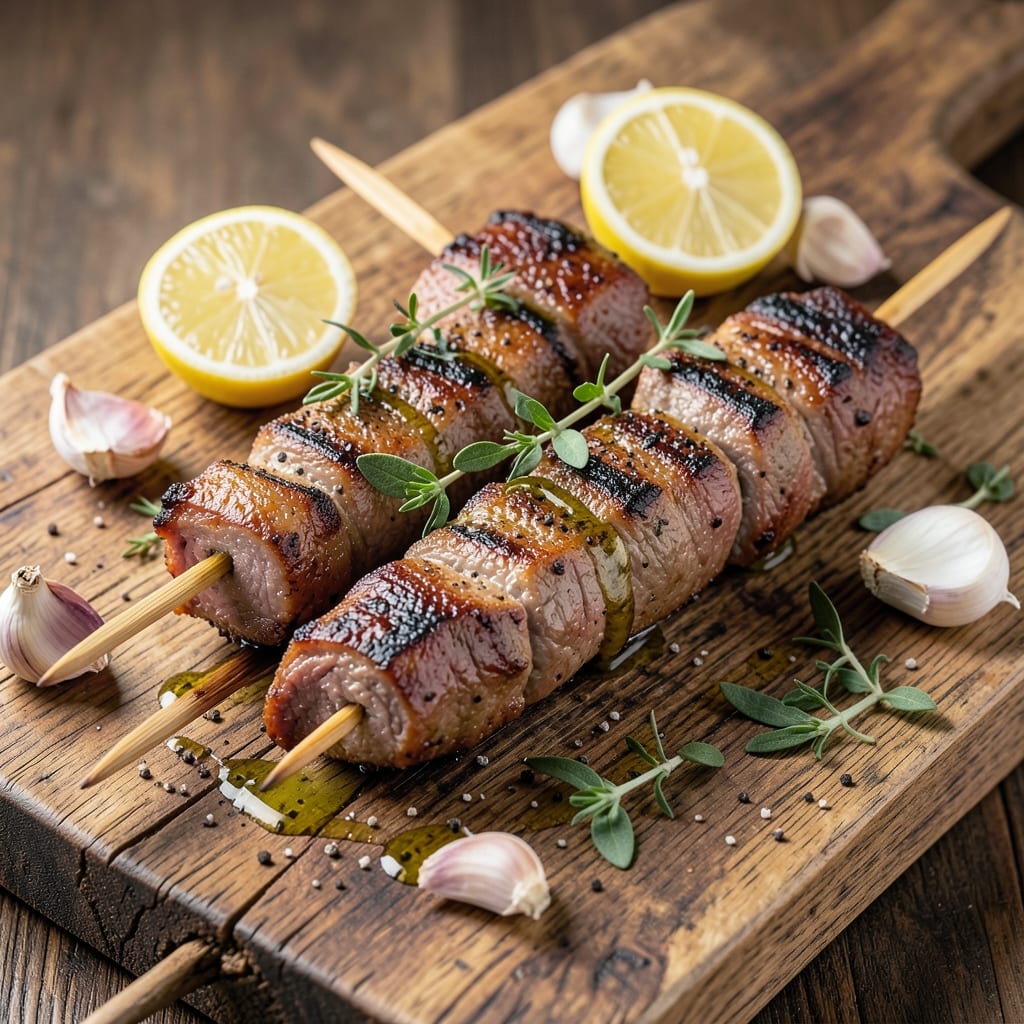
This authentic beef souvlaki recipe transports you straight to a bustling Greek taverna, where sizzling skewers of marinated beef meet crispy pita and cool tzatziki. 🌟 The secret lies in a bold marinade of lemon, garlic, and oregano that tenderizes the meat while infusing it with bright Mediterranean flavors. After perfecting this over years of visits to Athens, I’ve simplified the process without sacrificing authenticity—just a few hours of marinating and a hot grill (or stovetop) for golden, juicy bites.
What sets this recipe apart is the traditional technique: thick-cut beef cubes marinated overnight, threaded onto skewers, and grilled over high heat for just 2-3 minutes per side. The result? Tender, caramelized edges with a smoky aroma that fills your kitchen. Unlike many shortcut versions, this method delivers the same restaurant-quality flavor you’d find in a Greek gyro shop, where souvlaki is a staple served with warm pita, fresh vegetables, and a side of tangy tzatziki.
The beauty of souvlaki lies in its versatility—serve it as a main course with lemon wedges and a sprinkle of sesame seeds, or turn it into a meze spread with grilled vegetables and olives. The marinade doubles as a flavorful sauce when reduced, adding depth to every bite. With just a handful of ingredients and minimal prep, you’ll master the art of Greek street food that’s as satisfying as it is delicious.
Ready to recreate that taverna experience at home? The key is patience—let the flavors meld overnight—and a hot grill for those perfect sear marks. Here’s how to make it happen.
Ingredients for authentic beef souvlaki
Just 13 ingredients transform simple beef into restaurant-style Greek skewers.
| Ingredient | Amount | Notes |
|---|---|---|
| Thick-Cut Beef Chuck Roast 🥩 | 1 ½ lb | Cut into 1-inch cubes |
| Fresh Lemon 🍋 | 1 whole | Juiced and zested |
| Garlic Cloves 🧄 | 8 cloves | Minced or crushed |
| Extra-Virgin Olive Oil 🫒 | ½ cup | For marinade and grilling |
| Dried Oregano 🌿 | 2 tbsp | Greek or Mediterranean blend |
| Ground Black Pepper 🌶️ | 1 tbsp | Freshly cracked |
| Diamond Crystal Kosher Salt 🧂 | 1 ½ tsp | For seasoning |
| Wooden Skewers 🪵 | 8 pieces | Soaked in water 30 mins |
| Red Wine Vinegar 🍷 | 2 tbsp | For tangy depth |
| Fresh Parsley 🌿 | ¼ cup | Chopped, for garnish |
| Sesame Seeds 🌰 | 1 tbsp | Toasted for crunch |
| Pita Bread 🍞 | 4 whole | Warm, for serving |
| Tzatziki Sauce 🥒 | ½ cup | Store-bought or homemade |
The beef is everything here. Chuck roast gives you that perfect balance of tenderness and flavor—sirloin or ribeye will dry out. Look for cuts with good marbling at Whole Foods or your local butcher shop. I always ask for it pre-cut into 1-inch cubes to save time, but if you're feeling ambitious, grab a whole roast and cube it yourself. The key is even-sized pieces so they cook uniformly. For extra authenticity, soak the skewers in water for at least 30 minutes before using (trust me, it prevents burning).
No red wine vinegar? Lemon juice works in a pinch, though it'll be less complex. Fresh parsley is ideal, but dried oregano at half the amount gets you close if you're out. The olive oil should be extra-virgin—California Olive Ranch or Colavita are my go-tos. For the sesame seeds, toast them in a dry pan for 30 seconds until golden—they add a whole new level of flavor. If you can't find Greek oregano, regular dried oregano will work, but it's worth hunting down at a Mediterranean market if you're nearby.
Marinated beef keeps 3 days in the fridge, but the flavor actually improves after 24 hours. The skewers are best served immediately after grilling, but you can prep them ahead and grill straight from the fridge. Pita stays fresh for 2 days if wrapped in foil, and the tzatziki will last 4 days in the fridge. Double the marinade and use it as a sauce—it's amazing drizzled over grilled veggies or even pasta. The sesame seeds? Store them in a cool, dark place for up to 6 months—they lose their crunch when exposed to light.
Why You'll Love This Recipe
- One-Pan Wonder: I swear by this—just the chuck roast, olive oil, and whole garlic cloves smashed into the meat. No fancy prep, no extra bowls, and the pan’s still clean by the time you’re done.
- Crispy-Garlicky Magic: That thick-cut beef develops a caramelized crust while staying juicy inside, and the garlic? It infuses the meat so deeply, every bite tastes like it’s been kissed by a Greek taverna. Honestly, the lemon finish ties it all together like a perfect hug.
- Leftover Reinvention: Make a double batch—those beef slices reheat like a dream in pita with tzatziki or shredded over salads. My kids even ask for it cold in wraps the next day.
- Budget-Friendly Feast: A single chuck roast stretches across meals, and the ingredients? Olive oil, oregano, lemon—stuff you already own. It’s the kind of meal that makes you feel fancy without breaking the bank. (Yes, even on a Tuesday night.)
Step-by-step instructions for authentic beef souvlaki
Here's how to make taverna-style souvlaki with juicy beef and bold Greek flavors.
👨🍳 Step 1: Marinate the Beef for Maximum Flavor
Cut the 1.5 lb thick-cut beef chuck roast into 1-inch cubes—this size ensures even cooking and easy skewering. In a large bowl, combine the beef with 0.5 cup extra-virgin olive oil, 2 tbsp dried oregano, 1 tbsp ground black pepper, 1.5 tsp diamond crystal kosher salt, and 2 tbsp red wine vinegar. The vinegar adds that classic Greek tang that cuts through the richness.
Zest and juice the 1 whole fresh lemon (about 2 tablespoons juice), then add to the bowl along with the 8 cloves minced garlic. Mix everything thoroughly until the beef is fully coated in the marinade. Cover and refrigerate for at least 4 hours, but overnight is even better—I like to marinate mine for 12 hours to let the flavors really penetrate.
🍳 Step 2: Skewer the Beef Like a Pro
Soak the 8 wooden skewers in water for 30 minutes before using—this prevents them from burning on the grill. Thread the marinated beef onto the skewers, leaving a little space between each cube so they cook evenly. Don't overcrowd the skewers or the meat won't brown properly.
Let the skewered beef sit at room temperature for 20 minutes before cooking. This ensures even cooking and prevents cold spots in the center. While they're resting, preheat your grill or grill pan to medium-high heat (about 400°F). You want the grill to be hot enough to sear the meat but not so hot that it burns before the inside cooks through.
🔥 Step 3: Grill to Perfect Medium-Rare
Place the skewers on the grill and cook for 3-4 minutes per side until the beef reaches 130-135°F internally. You're aiming for medium-rare—this is the perfect texture for souvlaki. The edges should be nicely browned with grill marks, but the center should still feel slightly springy when pressed with tongs.
If you don't have a meat thermometer, cut into one skewer—juices should run clear, not red. Don't overcook! Souvlaki is meant to be tender, not tough. As the skewers cook, baste them occasionally with any leftover marinade from the bowl to keep them juicy.
🥘 Step 4: Assemble with Traditional Sides
Transfer the cooked skewers to a plate and let them rest for 5 minutes. This resting time is crucial—it allows the juices to redistribute so every bite is moist and flavorful. While they rest, warm the 4 whole pita bread in a dry skillet or wrap them in a damp towel and microwave for 20 seconds to make them pliable.
To serve, place 2 skewers per pita, drizzle with 0.5 cup tzatziki sauce, and sprinkle with 0.25 cup chopped fresh parsley and 1 tbsp toasted sesame seeds. The sesame seeds add a beautiful crunch that contrasts with the soft pita and tender beef. Serve immediately while everything is hot and fresh!
🍽️ Step 5: Garnish and Enjoy Like a Greek Taverna
For that authentic touch, squeeze a little extra lemon juice over the top just before serving. The bright acidity cuts through the richness of the beef and balances all the flavors. If you're feeling fancy, add a sprinkle of crumbled feta cheese on the side for dipping.
Souvlaki is meant to be enjoyed immediately, straight from the grill, with your hands. The combination of juicy beef, creamy tzatziki, and warm pita makes every bite satisfying. Leftovers? Store them in the fridge for up to 2 days, but honestly, they rarely last that long!
Pro Tips For Making Authentic Beef Souvlaki
- Trim the Fat First: Cut off the thickest layer of fat from the beef chuck roast before slicing—it’ll make your souvlaki juicier and easier to thread. I used to leave it on, thinking it added flavor, but it just made the skewers greasy and harder to grill evenly. ---
- Sear in Batches: Don’t overcrowd the pan when searing the beef slices—work in 2-3 batches if needed. Crowding steams the meat instead of browning it, and you’ll end up with gray, sad souvlaki instead of caramelized, flavorful bites. ---
- Marinate Overnight (But Not Too Long): Let the beef sit in olive oil, lemon juice, minced garlic, and oregano for at least 6 hours—but no more than 12. Any longer, and the acid will start breaking down the meat, turning it mushy. (Yes, I’ve learned this the hard way.) ---
- Thread Skewers Loosely: Don’t jam the beef slices onto the skewers like they’re hostages—leave a little space between each piece. This ensures they cook evenly and don’t turn into a single, tough lump of meat. (Your future self will thank you.)
Storing and reheating your leftovers
Refrigerator Storage
Marinated beef keeps beautifully in the fridge for up to 3 days in an airtight container with the marinade. I store mine in a glass container with a tight lid to prevent odors from seeping in. The longer it marinates, the more flavor develops—24 hours is ideal, but 12 hours still works well. Just make sure the container is completely sealed to maintain freshness. 🌟
Freezing Cooked Souvlaki
Cooked souvlaki freezes well for up to 3 months if stored properly. Let the skewers cool completely before placing them in a freezer-safe bag with parchment paper between layers to prevent sticking. Label with the date and thaw overnight in the fridge before reheating. The texture holds up surprisingly well after freezing! ❄️
Reheating for Best Results
For stovetop reheating, warm the skewers in a skillet over medium heat for 2-3 minutes per side, adding a splash of water or olive oil to prevent drying. Microwave reheating works too—cover with a damp paper towel and heat in 30-second bursts until reaching 165°F. Avoid overcooking, or the beef will turn tough. 🔥
Reviving Pita Bread
Warm pita loses its softness when stored, but you can revive it quickly. Wrap in a damp paper towel and microwave for 10-15 seconds or toast in a dry pan for 30 seconds until pliable. For extra crispiness, brush with olive oil before reheating. Fresh pita makes all the difference in that first bite! 🍞
Tzatziki Longevity
Store-bought tzatziki lasts 4 days in the fridge, but homemade versions keep for 3 days maximum. If it separates, stir vigorously before using. For extra freshness, add a thin layer of olive oil on top to preserve moisture. The sauce pairs perfectly with reheated souvlaki, so keep it handy! 🥒
Grill Prep for Leftovers
If you're grilling leftovers, preheat the grill to medium heat (about 350°F) to avoid overcooking. Skewer the beef again for even heating and baste with lemon juice while grilling to restore moisture. The key is short bursts of heat—just enough to warm through without drying out. 💫
Nutrition facts
Frequently asked questions
Can I use chicken or pork instead of beef for souvlaki?
Chicken thighs work beautifully for a lighter option, while pork shoulder creates juicy, flavorful skewers. For chicken, marinate for 4-6 hours (it cooks faster), and aim for 165°F internally. Pork should be marinated 6-8 hours and cooked to 145°F. The key is adjusting marinade time and donkey heat—pork benefits from slightly longer marinating than beef.
How do I prevent the skewers from burning on the grill?
Soak wooden skewers in water for 30 minutes before using to prevent burning. Use a grill pan or cast iron skillet if you're indoors, and avoid overcrowding the grill. Keep the heat at medium-high (400°F) and cook in batches if needed. For extra insurance, brush skewers with olive oil before grilling.
What's the best way to make the marinade ahead of time?
Prepare the marinade 1 day ahead and store it in an airtight container in the fridge. The flavors deepen over time! Add the beef 4-12 hours before cooking. If you're short on time, marinate for just 2 hours—it'll still be delicious, though less tender. Pro tip: Save any leftover marinade and reduce it on the stove for a quick pan sauce.
Can I make souvlaki without a grill?
Yes! Use a cast iron skillet or grill pan on the stovetop. Heat over medium-high heat until hot, then cook skewers 3-4 minutes per side. For extra crispiness, finish under a broiler for 1-2 minutes. A grill isn't required—just ensure your pan gets hot enough to create those signature grill marks.
Why does my souvlaki turn out dry?
Overcooking is the #1 cause! Souvlaki should be medium-rare (130-135°F), not well-done. Use a meat thermometer to avoid guesswork. Another common mistake is using lean cuts like sirloin—stick with chuck roast for juiciness. Also, let the beef rest 5 minutes after grilling before serving to lock in moisture.