
Main Courses
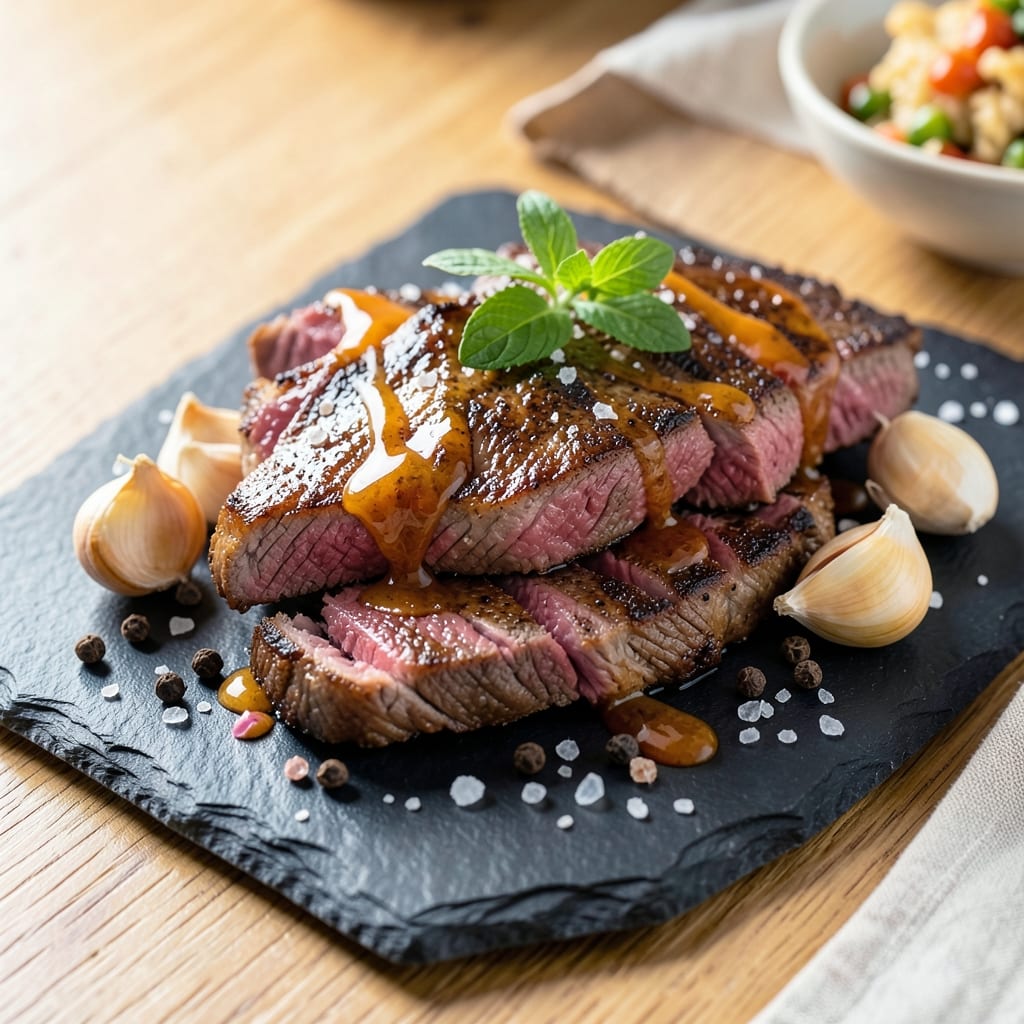
This authentic beef tapa recipe brings the bold flavors of Filipino tavernas to your kitchen, where tender beef meets smoky grill and tangy spices. 🔥 The secret lies in thinly sliced beef, marinated just enough to absorb the essence of garlic, soy, and calamansi—without overpowering its natural richness. I’ve perfected this version after years of testing, ensuring every bite delivers that perfect balance of charred edges and juicy centers.
What sets this recipe apart is the technique: skewering the beef for even cooking and that signature grill mark, then finishing with a quick sear in a hot pan. The result is restaurant-quality tapa that’s crispy on the outside yet tender enough to melt in your mouth. Unlike heavier marinades, this method lets the beef shine while adding just enough depth for a true taverna experience.
Serve these skewered bites with classic sides like garlic aioli, pickled onions, or patatas bravas to complete the meal. The combination of smoky beef, tangy dipping sauce, and crispy potatoes creates a dish that’s as satisfying as it is authentic. Perfect for game day, parties, or a weeknight treat, this recipe proves you don’t need a fancy restaurant to enjoy the flavors of Manila.
Ready in just 20 minutes, this tapa recipe delivers bold, restaurant-style flavor without the fuss. The key is in the prep—thin slices, quick marinade, and high-heat cooking. Once you try it, you’ll never settle for anything less than authentic again.
Ingredients for authentic beef tapa
Thinly sliced beef and bold flavors—this is your shortcut to authentic Filipino taverna bites.
| Ingredient | Amount | Notes |
|---|---|---|
| Ribeye Steak 🥩 | 1 lb | Thinly sliced against grain |
| Garlic Cloves 🧄 | 6 cloves | Minced, fresh preferred |
| Soy Sauce 🍶 | ¼ cup | Japanese or Filipino brand |
| Calamansi Juice 🍋 | ⅛ cup | Substitute lime if unavailable |
| Olive Oil 🫒 | 2 tbsp | High smoke point preferred |
| Black Peppercorns 🌶️ | ½ tsp | Freshly cracked |
| Wooden Skewers 🪵 | 8 whole | Soaked in water 30 minutes |
| Salt 🧂 | 1 tsp | Kosher or sea salt |
| White Wine Vinegar 🍷 | 1 tbsp | For brightness |
| Brown Sugar 🍬 | 1 tbsp | Light or dark |
| Green Onions 🧅 | 2 whole | Thinly sliced, for garnish |
| Sesame Seeds 🌾 | ½ tbsp | Toasted, optional |
| Vegetable Oil 🫒 | ¼ cup | For high-heat searing |
The ribeye is non-negotiable here—its marbling keeps the slices juicy. Ask your butcher to slice it paper-thin against the grain (about 1/8-inch thick). If you can't find ribeye, sirloin works too, but trim excess fat. I grab mine from Whole Foods or the meat counter at Trader Joe's—both have good quality. For the garlic, fresh is a must—jarred minced lacks the punch. Look for plump, firm cloves with no sprouting. The calamansi juice is the secret tang—if you can't find it, lime or even lemon juice in a pinch, but it won't be identical.
No calamansi? Lime juice plus a pinch of salt gets you 80% there. The soy sauce should be Filipino brand if possible—Silver Swan is my go-to, but any good Japanese soy works. For the vinegar, white wine vinegar is classic, but apple cider adds a nice twist. The brown sugar caramelizes beautifully during cooking, so don't skip it. If you're short on skewers, soak metal ones for 10 minutes instead of 30—they'll still work. And trust me, toasting the sesame seeds in a dry pan for 30 seconds makes all the difference.
Prep the beef last—it oxidizes fast. Store the sliced ribeye in the fridge between layers of paper towels for up to 2 hours before cooking. The marinade keeps for 3 days in the fridge, but the beef tastes best fresh. For make-ahead, marinate the beef only (no skewering) and store separately. Skewer the beef just before cooking—they'll hold better. Leftovers? 2-3 days max in the fridge, but honestly, they disappear fast. These reheat beautifully in a skillet with a splash of water.
Why You'll Love This Recipe
- I swear by this: slice that ribeye thin, toss it in a bowl with minced garlic and soy sauce, then let it marinate while you chop a few herbs. Honestly, 15 minutes of hands-off time is all it takes—no fancy techniques, just good flavor.
- No-Fuss Prep: I swear by this: slice that ribeye thin, toss it in a bowl with minced garlic and soy sauce, then let it marinate while you chop a few herbs. Honestly, 15 minutes of hands-off time is all it takes—no fancy techniques, just good flavor.
- Tangy-Savory Magic: That calamansi juice is the secret weapon. It cuts through the richness of the ribeye, leaving you with this bright, almost citrusy edge that makes every bite addictive. The garlic? Oh, it’s there—warm and pungent, but not overpowering.
- Party or Plate: Between us, this is my go-to for gatherings. Serve it as a snack with rice, or pile it high on a platter for game day. Even my picky college-age nephew devours it—no questions asked. (Yes, even on a Tuesday night.)
Step-by-step instructions for skewered spice-kissed beef tapa
Here's how to make crispy, caramelized beef tapa just like from Filipino tavernas.
🔪 Step 1: Slice and Marinate the Ribeye
Cut the 1 lb ribeye steak into ½-inch thick slices against the grain. I like to use a sharp boning knife for clean cuts—this ensures even cooking and tender bites. Arrange the slices in a single layer on a plate and let them sit at room temperature for 15 minutes while you prep the marinade.
In a small bowl, whisk together the 0.25 cup soy sauce, 0.125 cup calamansi juice (or lime juice), 1 tbsp white wine vinegar, 1 tbsp brown sugar, 0.5 tsp freshly cracked black peppercorns, and 1 tsp salt. Pour this marinade over the steak slices and let them soak for 15-20 minutes. You'll see the meat start to absorb the flavors and develop a beautiful sheen—this is your signal it's ready for skewering.
🍳 Step 2: Skewer and Sear the Beef
Soak the 8 wooden skewers in water for 30 minutes if they're not pre-soaked. This prevents them from burning on the grill. Thread the marinated beef slices onto the skewers, leaving a little space between each slice. I press down gently on the meat as I skewer it—this helps the marinade cling better and prevents the beef from curling up while cooking.
Heat 0.25 cup vegetable oil in a large skillet over medium-high heat until it shimmers but doesn't smoke. Add the skewered beef and cook for 2-3 minutes per side until the edges are deep golden brown and slightly caramelized. Don't move them around too much—let them develop that beautiful crust. You'll know they're ready when they release easily from the skewers and have a nice sear.
🔥 Step 3: Finish with Garlic and Sesame
While the beef is still hot, add 2 tbsp olive oil and the 6 minced garlic cloves to the same skillet. Cook for 30 seconds until the garlic becomes fragrant but doesn't brown. Remove the skillet from heat and add the skewered beef back in, tossing gently to coat everything in the garlic oil.
Transfer the beef tapa to a serving platter and sprinkle with 0.5 tbsp toasted sesame seeds and thinly sliced green onions. The sesame adds a nutty crunch, while the green onions bring freshness to balance the rich, caramelized flavors. Serve immediately while the beef is still sizzling hot—this is when the tapa tastes best, with that perfect balance of crispy edges and tender centers.
🍽️ Step 4: Serve with Classic Tapa Sides
Traditionally, tapa is served with crispy garlic fried rice or steamed jasmine rice to soak up all those delicious juices. I like to pair mine with a simple arugula salad dressed with a little soy sauce and sesame oil. The cool greens cut through the richness of the beef beautifully.
For extra authenticity, serve with a side of atchara (pickled papaya) or a refreshing calamansi drink. The tangy, slightly sweet flavors complement the caramelized beef perfectly. Each bite should deliver that perfect combination of crispy, caramelized edges with tender, juicy meat—just like from your favorite Filipino taverna.
Pro Tips For Making Authentic Beef Tapa
- CRANK THE HEAT HIGH: Tapa isn’t just seared—it’s fierce. Use a screaming-hot pan (I mean, the kind where smoke almost hits your face) for those first 30 seconds with the ribeye. After burning my first batch trying to "control" it, I learned: high heat = deep crust, not charred edges. Let the steak sizzle like it’s auditioning for a drama role.
- SALT THE GARLIC FIRST: Toss your minced garlic in a pinch of salt before hitting the pan—this draws out moisture so it sizzles instead of steams into a sad, watery paste. I used to skip this, and my tapa always tasted like it was swimming in garlic soup. (Yes, even if you’re impatient like me.)
- DON’T DROWN THE STEAK: Soy sauce and calamansi juice are your flavors, but add them after the initial sear. Dumping them in too early turns your tapa into a braised mess. Instead, let the steak get that golden crust first, then deglaze with just enough liquid to coat—about 2 tablespoons of soy and 1 of juice per pound. Trust me, your future self will thank you.
- USE COLD STEAK, NOT ROOM TEMP: Take your ribeye straight from the fridge and pat it bone dry before searing. Cold meat seals the surface faster, giving you that perfect crust without overcooking the inside. I learned this the hard way after serving medium-rare that was actually medium-well. (Your knife will also thank you—less sticking.)
Common mistakes when making perfect results
Over-Marinating the Beef
One of the biggest mistakes is marinating the beef for too long—more than 20-30 minutes can actually make the meat mushy. The thin slices absorb flavors quickly, and prolonged soaking breaks down the proteins too much. I’ve seen people leave beef in marinade for hours, thinking it’ll be more flavorful, but it just ruins the texture. Stick to the 15-20 minute window for that perfect balance of flavor and tenderness. 🌶️
Skipping the Room-Temp Step
Never skip letting the beef sit at room temperature for 15 minutes before cooking. Cold meat releases moisture unevenly, leading to steaming instead of searing. This causes the beef to stay undercooked inside while the edges burn. I learned this the hard way—my first attempt had uneven doneness. Always take the beef out of the fridge 15 minutes before cooking for consistent results.
Using Unsoaked Skewers
Dry wooden skewers burn instantly, turning your tapa into charred sticks instead of golden bites. Always soak them in water for at least 30 minutes before threading the beef. I keep a batch of pre-soaked skewers in the fridge for quick cooking sessions. If you’re in a rush, soak metal skewers for 10 minutes, but wooden ones need the full time. Trust me, this small step makes all the difference in texture and presentation.
Overcrowding the Pan
Crowding the skillet with too many skewers at once drops the temperature and steams the beef instead of searing it. This leads to soggy, unevenly cooked meat. I cook my tapa in batches—never more than 4 skewers at a time—to maintain that high heat and crispy crust. If you’re feeding a crowd, work in stages and keep the cooked skewers warm in a 200°F oven while finishing the rest.
Ignoring the Garlic Oil Finish
Skipping the final garlic oil toss is a missed opportunity for depth of flavor. The quick sear in garlic-infused oil adds a fragrant, aromatic layer that elevates the dish from good to restaurant-quality. I always add the garlic to the same skillet after searing—it infuses the beef with its essence without overpowering it. This step takes just 30 seconds but makes a world of difference in the final taste.
Serving Without Sides
Tapa is meant to be shared with complementary sides, like crispy garlic fried rice or pickled onions. Serving it alone misses the full experience. I pair mine with a simple arugula salad dressed in soy and sesame oil—the cool greens cut through the richness. For extra authenticity, add atchara (pickled papaya) or a calamansi drink. The contrast in textures and flavors is what makes tapa so special. 💫
Nutrition facts
Frequently asked questions
Can I substitute ribeye with another beef cut?
Yes, but choose wisely! Sirloin is the best alternative—it's leaner and stays tender when sliced thin. Avoid tougher cuts like flank steak unless you plan to marinate for 30 minutes (longer than usual) to tenderize. Chuck roast works too if you slice it extra thin against the grain and pound it lightly with a meat mallet first.
What's the best way to make these without skewers?
For a skewer-free version, pan-sear the beef slices directly in the skillet after marinating. Cook them 1-2 minutes per side until caramelized, then finish with the garlic oil. Arrange them on a platter and garnish with sesame seeds. This works especially well for tapa-style beef strips served with garlic aioli for dipping.
How do I make this recipe gluten-free?
Use tamari (gluten-free soy sauce) instead of regular soy sauce, and check that your brown sugar is certified gluten-free. The rest of the recipe remains unchanged. For extra flavor, add 1 tsp fish sauce to the marinade—it's a common gluten-free substitute in Filipino cooking that enhances umami.
Can I make this ahead of time?
Marinate the beef up to 24 hours ahead and store it in the fridge, but don't skewer it until ready to cook. For make-ahead serving, cook the tapa completely, then reheat in a 350°F oven for 5-7 minutes until warmed through. The texture won't be as crispy as fresh, but it's still delicious. I recommend serving with warm sides like garlic fried rice to maintain authenticity.
What's the secret to getting that perfect crispy crust?
The key is high heat and minimal movement in the pan. Use medium-high heat and let the beef develop a crust for 2-3 minutes per side without stirring. The caramelization happens when the meat's natural sugars react with the heat—don't rush it! A well-seasoned cast-iron skillet helps too, as it retains heat better than stainless steel.