
Soups & Stews
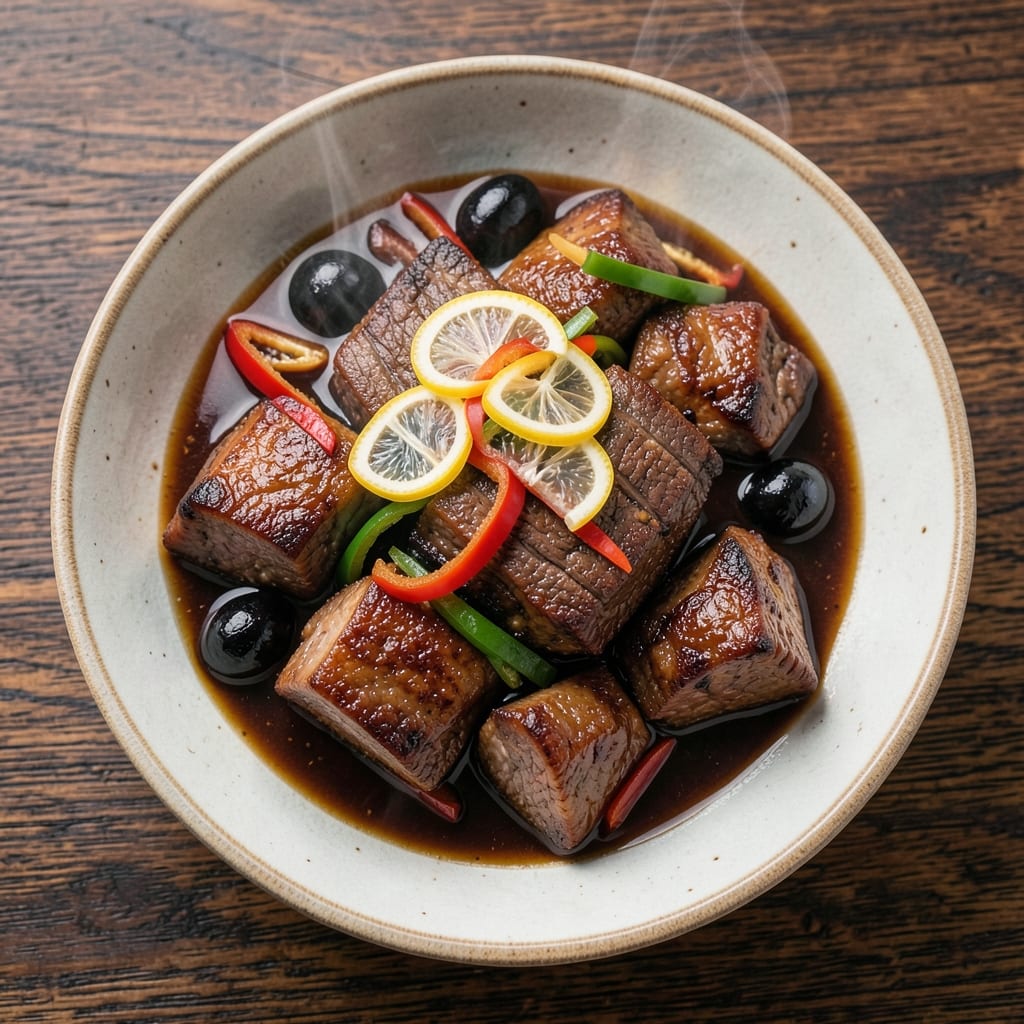
This authentic Chinese beef stew delivers restaurant-quality depth with tender, silken beef and aromatic spices like star anise and cinnamon. The slow-braising process transforms tough cuts into melt-in-your-mouth bites while infusing the broth with layers of savory-sweet complexity. I developed this recipe after years of studying regional variations, ensuring every element—from the soy sauce balance to the ginger-toast—honors traditional techniques.
The key to success lies in the double-boiling method, where the beef simmers gently in its own juices before finishing with a rich, reduced sauce. This approach preserves texture while building flavor, resulting in a dish that’s both comforting and sophisticated. Cantonese and Sichuan influences shine through in the spice blend, offering a perfect balance of warmth and umami without overpowering the beef’s natural richness.
By the time you serve this stew, you’ll have a dish that pairs beautifully with steamed jasmine rice or fluffy mantou buns. The broth is fragrant with star anise and ginger, while the beef remains tender yet firm—each bite a testament to patience and precision. This is the kind of meal that turns weeknights into a taste of home, steeped in tradition and love.
Perfect for family gatherings or cozy dinners, this recipe scales effortlessly while maintaining authenticity. The slow-cooked method means flavors deepen over time, making it even more rewarding the next day. Let’s bring the heart of Chinese home cooking to your table.
Ingredients for authentic chinese beef stew
Pantry staples meet aromatic spices for this restaurant-quality Chinese beef stew.
| Ingredient | Amount | Notes |
|---|---|---|
| Chuck Roast 🥩 | 2 lb | Well-marbled, cut into 1.5-inch cubes |
| Light Soy Sauce 🥄 | ½ cup | Kikkoman preferred for authentic flavor |
| Dark Soy Sauce 🥄 | ¼ cup | For depth and color |
| Shaoxing Wine 🍷 | ¼ cup | Substitute dry sherry if unavailable |
| Fresh Ginger 🧄 | 2 tbsp | Minced, peeled, for aromatic base |
| Garlic Cloves 🧄 | 6 cloves | Smashed, skin-on for maximum flavor |
| Star Anise Pods 🌿 | 4 whole | Whole pods for infusing aroma |
| Cinnamon Sticks 🌿 | 2 whole | 2-inch pieces for subtle warmth |
| Dried Red Chilies 🌶️ | 2 pieces | Arbol or Thai for gentle heat |
| Green Onions 🧅 | ½ cup | Sliced, for garnish and freshness |
| Sesame Oil 🫒 | 1 tbsp | Toasted, for finishing aroma |
| Cornstarch 🌾 | 1 tbsp | For thickening the sauce |
| Water 💧 | 3 cups | For initial simmering |
| Vegetable Oil 🫒 | 2 tbsp | High smoke point for searing |
| Brown Sugar 🍯 | 2 tbsp | For balancing savory-sweet |
The beef is non-negotiable—chuck roast delivers that melt-in-your-mouth texture when braised properly. Look for cuts with good marbling at Whole Foods or your local Asian market, where they often carry pre-cut versions for convenience. If you're buying a whole roast, ask the butcher to cube it yourself—1.5-inch pieces ensure even cooking. For the soy sauces, Kikkoman light and dark are the gold standard, but any quality brand works. Shaoxing wine can be tricky to find; dry sherry like Peter Heering is a reliable substitute that won't overpower the dish.
No star anise? Anise seeds or fennel seeds work in a pinch, but the flavor won't be identical—star anise's licorice note is essential here. For the chilies, dried arbol or Thai chilies give gentle heat without overpowering, but if you prefer more kick, add a pinch of Sichuan peppercorns (toasted first for extra aroma). The ginger and garlic should be freshly minced—pre-minced jarred versions lack the bright, fresh punch this dish needs. If you're short on time, frozen ginger works fine (just thaw and mince). For the sesame oil, toasted sesame oil is a must—regular sesame oil won't have that nutty depth.
This stew tastes even better the next day as flavors meld—plan ahead. Store in an airtight container in the fridge for up to 5 days, or freeze for 3 months. The sauce thickens as it cools, so you can thin it with a splash of water if needed. For serving, I like to portion the beef and sauce separately, then reheat the sauce with a splash of water to restore its silky texture. The leftovers reheat beautifully—just add a few drops of water to prevent drying out.
Why You'll Love This Recipe
- One-Pot Magic: I swear by this—just chuck the beef in a pot, toss in the soy sauces and ginger, and let it simmer. No chopping mountains of veggies or layering sauces. The chuck roast practically melts into tender perfection while you sip tea.
- Umami Bomb: That combo of light and dark soy sauce? Chef’s kiss. The dark sauce gives it a glossy, caramelized depth, while the Shaoxing wine adds this subtle, almost sweet richness that makes it impossible to stop eating. Honestly, the first bite is like a hug for your taste buds.
- Leftovers That Win: This stew gets better the next day—yes, really. The flavors meld overnight, and reheating it is just dump-and-go. I make a double batch on Sundays because my kids beg for it all week, and it’s the only meal that actually improves with time.
- Budget Beef Boost: Chuck roast is cheap, but this recipe turns it into something restaurant-worthy. Between us, I’ve served this at potlucks and family dinners, and no one ever guesses it’s not from a fancy wok house. Plus, the ginger and wine stretch the flavor so far, you’ll wonder why you ever bought expensive cuts.
Step-by-step instructions for authentic Chinese beef stew
Here's how to transform tough chuck roast into melt-in-your-mouth silken beef with deep aromatic layers.
Prepare the Aromatic Base and Sear the Beef
Heat the 2 tablespoons vegetable oil in a heavy-bottomed Dutch oven over medium-high heat until shimmering. Add the 6 smashed garlic cloves and 2 tablespoons minced fresh ginger, cooking for 30 seconds until fragrant but not browned. This quick sauté unlocks their full flavor potential without burning.
Push the aromatics to one side and add the 2 lb chuck roast cubes in a single layer. Don't crowd the pan—this ensures proper browning. Sear the beef for 3-4 minutes per side until deep golden brown develops. Those caramelized crusts form the flavor foundation of your stew. Remove the beef and set aside temporarily.
Build the Spiced Sauce Foundation
In the same Dutch oven, reduce heat to medium and add the 4 whole star anise pods, 2 whole cinnamon sticks, and 2 dried red chilies. Toast for 30 seconds until you can smell their warm, earthy aromas wafting through your kitchen. This step is crucial for authentic depth—don't skip it.
Pour in the 0.25 cup Shaoxing wine and scrape up any browned bits from the bottom with a wooden spoon. Let it simmer for 1 minute until reduced by half. Then add the 0.5 cup light soy sauce, 0.25 cup dark soy sauce, 2 tablespoons brown sugar, and 3 cups water. Stir well to combine all ingredients into a cohesive base.
Slow Braise to Tender Perfection
Return the seared beef to the Dutch oven, spooning the aromatic sauce over the top. Bring to a gentle simmer over medium heat, then immediately reduce to low heat. The goal is a bare simmer—you should see just a few tiny bubbles breaking the surface. Cover tightly with a lid and cook for 2 hours without disturbing it.
After 2 hours, check for doneness by piercing a beef cube with a fork. It should be fork-tender with just slight resistance. If needed, continue braising for another 30 minutes. The long, slow cook time breaks down collagen into gelatin, transforming tough beef into silken bites. The sauce should have reduced slightly, coating the beef in a glossy, flavorful glaze.
Thicken and Finish with Sesame Oil
In a small bowl, whisk together the 1 tablespoon cornstarch with 2 tablespoons water to create a smooth slurry. Remove the lid and increase heat to medium-high. Stir the slurry into the stew and simmer for 2-3 minutes until the sauce thickens enough to coat the back of a spoon. This step creates that signature silky texture that makes this stew so irresistible.
Remove the star anise pods and cinnamon sticks (you can discard them or save for future recipes). Stir in the 1 tablespoon toasted sesame oil and taste. Adjust seasoning if needed—you might need a touch more soy sauce for saltiness or a splash of water if the sauce is too thick. The sesame oil adds that final aromatic punch that makes this dish authentically Chinese.
Garnish and Serve with Confidence
Ladle the stew into serving bowls, garnishing each portion with 2 tablespoons sliced green onions. The bright green color contrasts beautifully with the deep brown sauce and beef, adding both visual appeal and freshness. Serve immediately with steamed jasmine rice to soak up every last drop of that luscious sauce.
This stew tastes even better the next day as flavors continue to meld, but if you can't wait, enjoy it warm straight from the pot. Each bite should deliver perfectly tender beef with layers of savory, sweet, and aromatic complexity—exactly what makes Chinese beef stew so special. The key to authenticity lies in those whole spices and the patient braising process—don't rush it!
Pro Tips For Making Authentic Chinese Beef Stew
- SEAR THE CHUCK ROAST FIRST: Skip the slow start—blast that chuck roast in a screaming-hot wok or Dutch oven for 3-4 minutes per side until deep brown. I learned this the hard way: rushing the sear means the soy sauce won’t caramelize properly, leaving your stew tasting flat instead of rich. (Yes, even if you’re impatient like me.)
- USE DARK SOY SAUCE LAST: Stir in the dark soy sauce only in the final 5 minutes—it’s not just for color, it’s for that signature glossy finish. I used to add it early and ended up with a muddy broth. Save it for when you’re ready to plate, and your stew will look like it came from a dim sum house.
- SIMMER GINGER UNTIL FRAGRANT: Don’t just toss in chopped ginger—bruise it first, then fry it in the pot until the oil smells like a spice market. This releases the essential oils that make the difference between "meh" and "wow." (Pro move: Use a mortar and pestle if you’re feeling fancy.)
- LOW AND SLOW AFTER THE FIRST HOUR: After the initial sear and 30 minutes of active cooking, drop the heat to a bare simmer—just enough to keep tiny bubbles breaking the surface. I used to keep it at a rolling boil, and the beef turned out tough as shoe leather. Patience here guarantees melt-in-your-mouth texture.
Common mistakes when making this recipe
Overcooking the Beef
One of the biggest mistakes is letting the beef become mushy rather than tender. Since chuck roast is a tough cut, it needs slow braising—never rush the 2-hour minimum at a gentle simmer. I’ve seen home cooks crank the heat too high, which turns the beef into a sad, gray pulp. Always maintain a bare simmer (just a few bubbles) and check doneness by piercing with a fork—it should be fork-tender but still hold its shape. 🔥
Skipping the Sear
The deep, caramelized crust from searing is what builds the stew’s umami depth. Skipping this step means losing that rich, meaty flavor. Sear the beef over medium-high heat for 3-4 minutes per side until deep golden brown forms. If your pan is crowded, the beef will steam instead of brown, and the flavor will suffer. Use a heavy-bottomed Dutch oven to ensure even browning.
Ignoring the Whole Spices
Whole spices like star anise and cinnamon need to be toasted briefly to release their aromas. Many cooks toss them in raw, which means your stew will lack that warm, earthy depth. Toast them for 30 seconds until fragrant—this step is non-negotiable for authenticity. Also, don’t strain them out; let them infuse the broth for maximum flavor. Just remove them before serving.
Using the Wrong Soy Sauce
Substituting regular soy sauce for the light and dark soy sauce combo is a common mistake. Light soy sauce adds saltiness and color, while dark soy sauce provides depth and richness. If you only have one, use light soy sauce and add a splash of molasses or brown sugar to compensate for the missing depth. Brands like Kikkoman are reliable, but avoid low-quality store brands that can make the dish taste flat.
Not Adjusting the Sauce
Many cooks stop tasting after the initial seasoning, but flavors evolve as the stew simmers. After thickening with cornstarch, always taste and adjust—you might need more soy sauce for saltiness or a splash of water if the sauce is too thick. The final touch of toasted sesame oil adds aroma, but if the dish tastes bland, a pinch of white pepper can brighten it up. Never assume the seasoning is perfect without testing!
Rushing the Thickening Process
Adding the cornstarch slurry too early or boiling the stew aggressively can turn the sauce gluey or grainy. The slurry should be stirred in off the heat or at a gentle simmer, not a rolling boil. Simmer for just 2-3 minutes until the sauce coats the back of a spoon. If it’s still too thin, make another slurry with 1 tsp cornstarch and 1 tsp water and stir in carefully. Patience here makes all the difference! ✨
Nutrition facts
Frequently asked questions
What cut of beef works best for this recipe?
Use chuck roast for the best results—it's the traditional choice with excellent marbling that becomes tender when slow-braised. Look for well-marbled cuts at your local butcher or Asian market. Avoid leaner cuts like sirloin, as they won't develop the same silken texture.
Can I substitute Shaoxing wine with something else?
Yes! Use dry sherry like Peter Heering or even dry white wine in a pinch. The alcohol will cook off, leaving behind fruity notes that complement the beef. Avoid sweet wines—they'll throw off the savory balance. Use the same 0.25 cup measurement for consistency.
How do I make this dish spicier?
Add Sichuan peppercorns (toasted first) or extra dried red chilies—start with 1 extra chili and adjust to taste. For heat without spice, add a pinch of red pepper flakes at the end. Remember, the spices toast before adding to the stew, so they'll develop deeper flavor.
Can I make this stew in a slow cooker? Sear the beef first, then transfer everything to your slow cooker. Cook on low for 6-8 hours or high for 3-4 hours. The long cook time will give you that same tender beef. Just
What's the best way to reheat leftovers?
Reheat gently on the stove over low heat with a splash of water or broth to restore moisture. Avoid microwaving—it can make the sauce watery. For best results, reheat just until warm, then let it sit covered for 5 minutes to meld flavors. Leftovers taste even better the next day!