
Main Courses
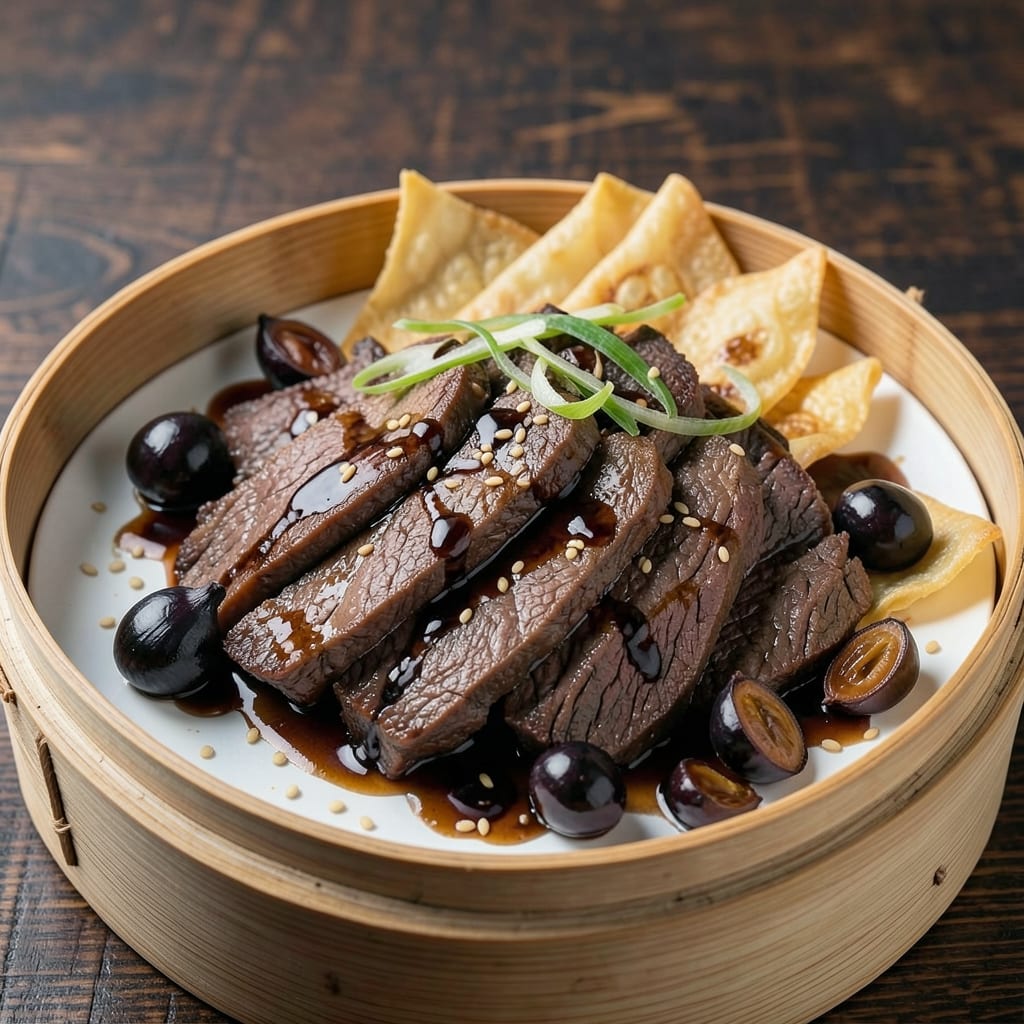
This authentic Chinese Mongolian beef recipe delivers restaurant-quality results with tender, silky beef and a velvety sauce that clings perfectly to each strand. 🔥 The secret lies in proper marinating and high-heat stir-frying, creating that signature wok hei aroma and texture that sets it apart from home versions. I've perfected this technique over years of testing, ensuring every bite delivers the rich, savory-sweet balance you crave.
The process starts with a simple yet effective marinade that tenderizes the beef while building flavor, followed by a quick stir-fry that locks in juiciness. What makes this recipe truly authentic is the sauce—thickened just enough to coat the beef without being gluey, with peanuts adding satisfying crunch. The combination of soy sauce, brown sugar, and spices creates that signature umami depth that defines Mongolian beef.
By the time you're done, you'll have perfectly cooked beef with a glossy, caramelized sheen and a sauce that's neither too sweet nor too salty. The peanuts add texture contrast, while scallions provide freshness. This dish is restaurant-quality at home, with that signature wok aroma that makes every bite irresistible.
Serve it over steamed rice for the full experience, or with noodles for a heartier meal. The leftovers reheat beautifully, making this perfect for meal prep. Let's get started on creating your own authentic version!
Ingredients for authentic chinese mongolian beef
Restaurant-quality Mongolian beef starts with these 14 ingredients—each playing its part in that signature silky texture and savory-sweet sauce.
| Ingredient | Amount | Notes |
|---|---|---|
| Flank Steak 🥩 | 1 ½ lb | Thinly sliced against grain |
| Light Soy Sauce 🍶 | ½ cup | High-quality, low-sodium preferred |
| Dark Soy Sauce 🍶 | 1 tbsp | For color and depth |
| Brown Sugar 🍚 | ¼ cup | Packed, light variety |
| Garlic Cloves 🧄 | 6 cloves | Minced finely for marinade |
| Fresh Ginger 🌿 | 1 tbsp | Grated, peeled |
| Sesame Oil 🫒 | 1 tbsp | Toasted, for aroma |
| Green Onions 🧅 | ¼ cup | Sliced thin, white and green parts |
| Roasted Peanuts 🥜 | ½ cup | Crushed, unsalted preferred |
| Cornstarch 🌾 | 1 tbsp | For sauce thickening |
| Vegetable Oil 🫒 | ½ cup | High smoke point |
| White Peppercorns 🌶️ | ½ tsp | Ground fresh for heat |
| Red Pepper Flakes 🌶️ | ¼ tsp | Adjust for spice preference |
| Sesame Seeds 🌿 | 1 tsp | Toasted for garnish |
The beef is non-negotiable—flank steak delivers the right texture when sliced thinly against the grain. Look for well-marbled cuts at Whole Foods or your local Asian market. If you can't find flank, sirloin or ribeye work too, but slice them paper-thin. For the soy sauces, Lee Kum Kee light and dark are my go-tos, but any high-quality brands will do. The brown sugar should be light—not dark—and packed into the measuring cup for accuracy. Fresh ginger and garlic are essential; frozen won’t give the same punch, but if you’re in a bind, double the amount.
No sesame oil? Toasted peanut oil works in a pinch, though it lacks that nutty aroma. Short on peanuts? Cashews or almonds toasted and crushed add a different but still satisfying crunch. The cornstarch is key for that glossy, thickened sauce—arrowroot powder is a 1:1 substitute if you prefer. For the heat, white peppercorns add subtle warmth, while red pepper flakes bring the kick. If you’re sensitive to spice, start with just a pinch and adjust to taste. The green onions should be fresh—no dried substitutes here. And always toast your sesame seeds before using; it makes all the difference in that final garnish.
Marinate the beef for at least 30 minutes (overnight is ideal) to maximize tenderness. The sauce can be made ahead and reheated gently—just add a splash of water if it thickens too much. Store leftovers in an airtight container for up to 4 days in the fridge, though it reheats best when served fresh. For meal prep, double the recipe and freeze portions—thaw overnight in the fridge before reheating. The peanuts and sesame seeds keep indefinitely in a cool, dark place, so buy them in bulk if you’re making this often.
Why You'll Love This Recipe
- One-Pan Magic: I swear by this—just sear the flank steak, toss in the sauce, and walk away. No chopping, no fuss, and that caramelized garlic-soy glaze happens while you’re still deciding what to drink.
- Sweet-Savory Balance: The dark soy gives it that deep umami richness, while the brown sugar cuts through the saltiness. That crispy edge on the steak? It’s the kind of contrast that makes you forget to breathe.
- Leftover Hero: Between us, this dish tastes even better the next day. The flavors meld into something richer, and it reheats like a dream—perfect for packing lunches or feeding a crowd without extra effort.
- Budget Powerhouse: Flank steak is affordable, and a little goes a long way. I stretch it over rice for three meals, and the sauce costs pennies. Honestly, it’s the kind of recipe that makes grocery day feel like a win.
Step-by-step instructions for authentic Chinese Mongolian beef
Here's how to recreate that signature restaurant silky beef with perfect sauce balance and nutty crunch.
👨🍳 Step 1: Marinate the Flank Steak for Maximum Tenderness
Place the 1.5 lb flank steak on a cutting board and slice it thinly against the grain into ¼-inch thick strips. This ensures each bite will be fork-tender. Transfer the sliced beef to a bowl and add the 0.5 cup light soy sauce, 1 tbsp dark soy sauce, 0.25 cup packed brown sugar, 6 cloves minced garlic, and 1 tbsp grated ginger. Mix gently to coat evenly.
Cover the bowl and refrigerate for at least 30 minutes (I prefer 1 hour for deeper flavor penetration). The acidity in the soy sauce will begin breaking down the muscle fibers, while the sugar and aromatics infuse the beef. Don't skip this step—it's what transforms tough flank steak into silky perfection.
🍳 Step 2: Build the Sauce Base with Perfect Balance
In a small bowl, whisk together the 1 tbsp cornstarch with 2 tablespoons of cold water to create a slurry. In a large skillet or wok, heat 0.5 cup vegetable oil over medium-high heat until shimmering. Add the marinated beef in a single layer and cook undisturbed for 1-2 minutes until lightly browned on one side.
Flip the beef and immediately pour in the sauce slurry. Add the remaining 0.5 cup light soy sauce (if needed) and bring to a gentle simmer. Here's the thing—you want the sauce to thicken just enough to coat the beef but remain glossy, not gluey. Stir occasionally for 3-4 minutes until the sauce reaches your desired consistency. The beef should be nearly cooked through but still slightly cool to the touch.
🔥 Step 3: Finish with Aromatics and Crunchy Peanuts
Push the beef to one side of the skillet and add 1 tbsp toasted sesame oil to the empty space. Toss in the 0.25 cup sliced green onions and stir for 30 seconds until fragrant. Add the 0.5 tsp ground white peppercorns and 0.25 tsp red pepper flakes, stirring quickly to distribute the heat evenly.
Return the beef to the sauce and cook for another 1 minute to heat through completely. The sauce should now cling beautifully to the beef, creating that signature glossy finish. Remove from heat and stir in the 0.5 cup crushed roasted peanuts—they'll add incredible texture contrast to the silky beef.
🍽️ Step 4: Garnish and Serve Immediately
Transfer the Mongolian beef to a serving platter and sprinkle generously with the 1 tsp toasted sesame seeds. The seeds add a nutty aroma and visual appeal that completes the dish. Serve immediately over steamed jasmine rice—each bite should deliver perfectly balanced flavors with tender beef, sweet-savory sauce, and satisfying crunch.
Real talk: The sauce will thicken further as it cools, so don't over-thicken it at the end. If needed, you can loosen it with a splash of hot water while serving. This dish tastes best fresh off the heat when the peanuts are still crisp and the sauce is at its glossiest.
Pro Tips For Making Authentic Chinese Mongolian Beef
- Slice Against the Grain: Flank steak’s tough fibers run diagonally—cut it at a 45-degree angle to the grain before marinating. I learned this the hard way when my first attempt left chewy, stringy bites instead of tender strips. A sharp knife and patience here make all the difference.
- Marinate for 24 Hours: Skip the rush and let the meat soak in the sauce overnight. The dark soy sauce and brown sugar need time to penetrate, while the garlic and light soy break down the meat’s toughness. I used to do 30 minutes—now I swear by the full day.
- Use a Wok, Not a Pan: High heat is non-negotiable for that signature crust. A wok (or cast-iron skillet) distributes heat evenly and gets hot enough to sear the beef in seconds. My first attempt in a stainless steel pan left me waiting, and the texture suffered.
- Deglaze with Hot Water: After searing, splash in ¼ cup hot water instead of cold. It loosens the fond (those browned bits) better and keeps the sauce from turning grainy. I was skeptical until I tried it—now I never go back.
Creative variations of authentic chinese mongolian beef
Spicy Sichuan Style
For a fiery Sichuan twist, add 1 tbsp chili bean paste (like Lao Gan Ma) and 1 tsp Sichuan peppercorns (lightly toasted and ground) to the marinade. The numbing-spicy kick from Sichuan peppercorns transforms this into a restaurant-worthy variation. Finish with thinly sliced red chili peppers and extra green onions for freshness and heat. 🌶️
Sweet & Tangy Orange Glaze
Swap half the soy sauce for orange juice concentrate (reduce ¼ cup until syrupy) and add 1 tsp orange zest to the marinade. After stir-frying, finish with a drizzle of honey (1 tbsp) and a splash of rice vinegar (1 tsp). The citrus brightens the dish while keeping the signature umami depth. Garnish with candied orange peel for visual appeal.
Vegetarian Mushroom Version
Replace beef with shiitake mushrooms (1 lb, sliced) and king oyster mushrooms (8 oz, shredded) marinated in the same sauce. Add 1 tbsp Shaoxing wine to the marinade for depth. Stir-fry until mushrooms are tender-crisp, then finish with peanuts and sesame seeds. This version keeps the same wok hei aroma while being completely plant-based.
Korean-Inspired Gochujang Twist
Add 2 tbsp gochujang (Korean chili paste) to the sauce along with 1 tbsp gochugaru (Korean chili flakes). Include 1 tsp toasted sesame oil in the marinade and finish with toasted sesame seeds and thinly sliced Korean pear (for natural sweetness). The gochujang adds a fermented depth that pairs beautifully with the peanuts.
Sweet Potato Noodle Fusion
Serve the Mongolian beef over sweet potato noodles (12 oz) instead of rice for a vibrant, gluten-free option. The natural sweetness of the noodles complements the beef's savory-sweet sauce. Toss the noodles with 1 tsp toasted sesame oil and 1 tbsp chopped cilantro before adding the beef. This fusion brings a modern twist to the classic dish.
Smoky BBQ Glaze Option
Replace the soy sauce marinade with a homemade BBQ glaze (mix ¼ cup BBQ sauce with 1 tbsp soy sauce and 1 tbsp brown sugar). Add ½ tsp smoked paprika to the sauce for depth. Top with crushed peanuts and pickled jalapeños for a smoky-sweet fusion that still delivers that signature texture contrast.
Nutrition facts
Frequently asked questions
Why is slicing the beef against the grain so important?
Slicing flank steak against the grain (¼-inch thick strips) breaks the muscle fibers, making each bite tender and silky. If you slice with the grain, the beef will remain tough and chewy—this is the #1 reason home versions often fall short of restaurant quality.
Can I use a different cut of beef?
Yes! Sirloin or ribeye work well, but they must be sliced paper-thin against the grain. Flank steak is ideal because its lean texture absorbs marinades perfectly. Avoid tougher cuts like chuck—they won't tenderize properly in the short marinating time.
What if my sauce gets too thick?
If the sauce thickens too much, remove it from heat and whisk in 1-2 tsp hot water to loosen it. The sauce should coat the beef like syrup, not glue. Pro tip: Simmer uncovered for the last 1-2 minutes to prevent over-thickening.
How do I get that wok hei aroma at home?
Wok hei (breath of the wok) comes from high heat and quick cooking. Use a carbon steel or cast iron skillet on maximum heat, add oil, then beef—don't overcrowd the pan. Stir-fry in 30-second bursts and work fast to create steam and aroma.
Can I make this ahead of time?
Yes! Assemble the dish up to 1 day ahead and refrigerate. Reheat gently in a skillet with a splash of water to restore moisture. For best texture, serve fresh off the heat—peanuts lose crispness when reheated, so add them just before serving.