
Main Courses
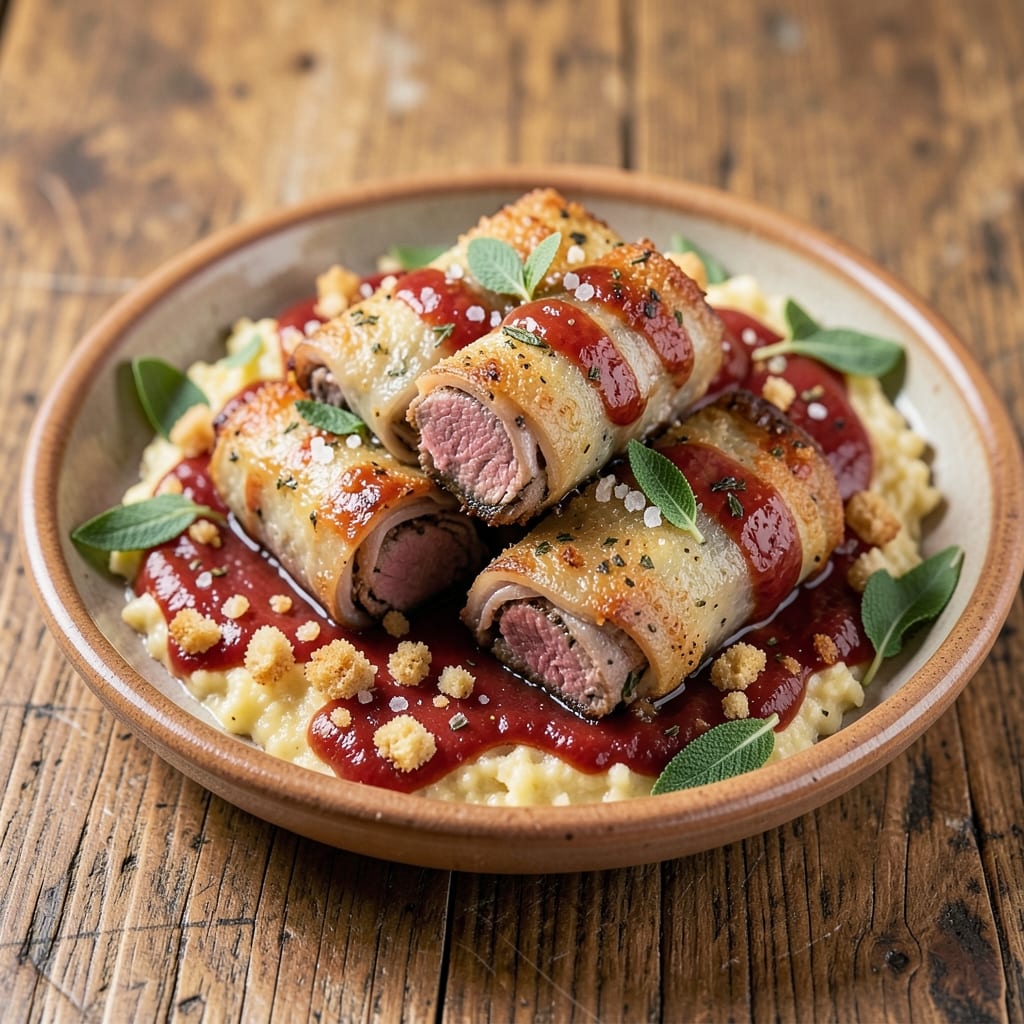
This authentic Italian beef braciole recipe transforms simple ingredients into a restaurant-worthy centerpiece with layers of tender beef, herbed filling, and rich wine braise. The technique—rolling beef with breadcrumbs, Parmesan, and herbs, then slow-cooking until fork-tender—is what sets this dish apart from everyday meatloaf. I've perfected it over years of testing, ensuring every bite delivers that perfect balance of savory, herby, and slightly sweet flavors.
The secret to authentic braciole lies in the slow-cooking process, which breaks down tough cuts into melt-in-your-mouth perfection while infusing them with deep, caramelized flavors from red wine and tomatoes. Unlike quick weeknight meals, this dish rewards patience—prep takes about 30 minutes, but the 2.5-hour braise transforms ordinary beef into something extraordinary. The filling, a mix of breadcrumbs, garlic, and Parmesan, adds texture and richness that keeps every bite satisfying.
What you'll end up with is a dish that looks as impressive as it tastes—golden-brown edges, tender beef that practically falls apart, and a sauce so rich it clings to every strand. The aroma alone will have your kitchen feeling like a Roman trattoria. Serve it with polenta or roasted vegetables to soak up every last drop of that flavorful braising liquid. This is the kind of meal that makes Sunday dinners feel special.
Whether you're hosting a dinner party or treating yourself to a homemade Italian feast, this recipe delivers restaurant-quality results without the fuss of a complicated process. The key is in the details—tying the rolls with kitchen twine, using the right wine, and letting the flavors meld slowly. Let's get started on creating a dish that tastes like a taste of Italy.
Ingredients for authentic italian beef braciole
Here’s what you’ll need to create restaurant-worthy braciole with layers of tender beef and rich wine braise.
| Ingredient | Amount | Notes |
|---|---|---|
| Top Round Beef (or Chuck Roast) 🥩 | 1 ½ lb | Thinly sliced against grain, boneless |
| All-Purpose Flour 🌾 | ½ cup | For breading, sifted |
| Parmesan Cheese 🧀 | ¾ cup | Freshly grated from block |
| Fresh Breadcrumbs 🍞 | ½ cup | Panko-style preferred |
| Garlic Cloves 🧄 | 6 cloves | Minced, fresh preferred |
| Fresh Parsley 🌿 | ¼ cup | Finely chopped, stems removed |
| Fresh Sage Leaves 🍃 | ¼ cup | Chopped, stems removed |
| Dry Red Wine 🍷 | 1 cup | Bold, like Cabernet Sauvignon |
| Beef Broth 💧 | 1 ½ cups | Low-sodium preferred |
| Tomato Paste 🍅 | 2 tbsp | Smooth, not chunky |
| Olive Oil 🫒 | 2 tbsp | Extra-virgin for richness |
| Kitchen Twine 🧵 | 1 package | For tying rolls |
| Salt 🧂 | 1 ½ tsp | Diamond Crystal preferred |
| Black Pepper 🌶️ | ½ tsp | Freshly ground |
| Red Pepper Flakes 🔥 | ¼ tsp | Optional for heat |
The beef is non-negotiable—top round or chuck roast sliced thin against the grain for that melt-in-your-mouth texture. Grab a pre-sliced package from the butcher counter at Whole Foods or your local market, or ask them to slice it for you. Freshly grated Parmigiano-Reggiano makes all the difference here—Trader Joe’s sells wedges at a great price, and it keeps for weeks in the fridge. The herbs? Fresh parsley and sage from the grocery store’s produce section (the ones in bunches, not the pre-chopped kind) add that authentic Italian aroma. If you’re short on time, dried herbs work at half the amount, but fresh is worth the extra minute to chop.
No red wine? Dry vermouth or beef broth with a splash of balsamic gets you close. The tomato paste can be that squeeze tube from Trader Joe’s—it’s perfect for small amounts and lasts forever. For the breadcrumbs, Panko-style gives you that crispy texture, but regular breadcrumbs work too. Want more depth? Add 1 tsp dried oregano to the breading mix. The olive oil should be extra-virgin—something fruity and peppery, not the mild stuff. And if you’re tying the rolls with twine, floss works too—just make sure it’s food-safe.
This dish tastes even better the next day, so make extra if you can. The braised beef keeps for 4-5 days in the fridge, and the sauce freezes beautifully for 3 months. I like to portion it into containers with a little sauce on top—ready for quick lunches. The twine comes off easily after cooking, so no one will even know it was there. Store the beef separately from the sauce if you’re freezing—reheat them together for the best results.
Why You'll Love This Recipe
- No-Fuss Assembly: The beef gets rolled and tied—no fancy knife skills needed. I just slice it thin, slap on the garlic-Parmesan breadcrumb mix, and wrap it like a burrito. Honestly, my first attempt looked like a kindergartener did it, but it still tasted amazing.
- Umami Bomb: That crispy Parmesan-breadcrumb crust meets tender beef? It’s the kind of bite that makes you pause mid-chew. The garlic cloves roasted right into the meat turn this into something restaurant-worthy without the pretension.
- Double-Duty Magic: Make a big batch on Sunday, and you’ve got weeknight dinners covered. Freeze half for when you’re too tired to think, or serve it at your next potluck—everyone will think you slaved over it. (Between us, it’s the real deal.)
- Budget Hero: Top round or chuck roast stretches far, and the ingredients won’t break the bank. I’ve fed six people for under $20, and the leftovers? Just as good reheated as they were fresh. My wallet and my family thank me every time.
Step-by-step instructions for authentic Italian beef braciole
This traditional Italian technique transforms simple beef into a showstopping centerpiece.
Prepare the Beef Filling
First, slice the 1.5 lb top round beef thinly against the grain into long strips about ¼-inch thick. In a food processor, pulse the 6 cloves garlic, 0.25 cup fresh parsley, 0.25 cup fresh sage leaves, 0.75 cup Parmesan cheese, 0.5 cup fresh breadcrumbs, 1.5 tsp salt, 0.5 tsp black pepper, and 0.25 tsp red pepper flakes until finely chopped but not pasty.
Spread the mixture evenly over each beef strip, pressing gently to adhere. Roll each strip tightly into a compact cylinder, about 1-inch in diameter, and secure with kitchen twine every 1.5 inches to maintain shape. The filling should peek slightly between the twine—this ensures flavor infusion during cooking.
Create the Breading Layer
Place the 0.5 cup all-purpose flour in a shallow dish. Lightly dredge each rolled braciole in the flour, tapping off excess. This thin layer prevents the rolls from sticking together during braising and adds texture. Arrange them seam-side down in a single layer on a baking sheet.
Real talk: Don't skip this step. The flour creates a delicate barrier that keeps the rolls intact while allowing the wine and broth to penetrate beautifully. If you're nervous about sticking, chill the rolls for 15 minutes before braising—the cold makes them firmer to handle.
Sear the Braciole for Depth
Heat 2 tablespoons olive oil in a large Dutch oven over medium-high heat. Working in batches, brown the braciole rolls on all sides until deeply golden, about 2-3 minutes per side. The oil should shimmer but not smoke—this ensures a crisp exterior without burning the filling.
As they brown, you'll smell the garlic and sage intensifying. This is your signal that the Maillard reaction is working. Transfer the browned rolls to a plate and set aside. Never overcrowd the pot—rushing this step leads to steaming instead of searing.
Braise in Wine and Broth
Reduce heat to medium-low and add 2 tablespoons tomato paste, stirring to coat the bottom. Pour in 1 cup dry red wine, scraping up any browned bits with a wooden spoon. Let it simmer for 3-4 minutes until slightly reduced.
Add 1.5 cups beef broth and bring to a gentle simmer. Return the braciole rolls to the pot, turning to coat in the sauce. Cover partially and transfer to a 325°F oven for 2 hours. The sauce should bubble gently—if it boils vigorously, reduce the oven temperature by 25°F to prevent tough meat.
Finish and Rest
Remove the braciole from the oven and increase heat to medium-high. Simmer uncovered for 10-15 minutes until the sauce thickens slightly and coats the back of a spoon. The rolls should be fork-tender with juices running clear when pierced.
Let the braciole rest for 10 minutes before serving. This resting period allows the juices to redistribute, ensuring each bite is moist and flavorful. Serve with the braising sauce spooned over the top and a side of polenta or crusty bread to soak up every last drop.
Pro Tips For Making Authentic Italian Beef Braciole
- Pound the meat thin: I learned this the hard way—skimp on thickness, and your braciole turns into a chewy brick. Aim for ⅛-inch (3mm) or less, using a meat mallet or rolling pin. If it resists, let the meat sit at room temp for 20 minutes first—it’s more pliable when warm.
- Toast the breadcrumbs: Fresh breadcrumbs are great, but dry them in a 350°F (175°C) oven for 5 minutes before mixing with Parmesan. This prevents a soggy crust later, and the extra crunch makes a real difference. (Yes, even if you’re impatient like me.)
- Brown the beef first: Skip the raw meat in the sauce—it’ll stew instead of sear. Pat the beef dry, season with salt, and sear in a hot pan for 2 minutes per side before layering. The crust locks in flavor, and the edges won’t turn mushy when braising.
- Use a mix of grated Parmesan: Freshly grated is best, but if you’re in a pinch, buy pre-grated and dry it on paper towels for 10 minutes to remove excess anti-caking agents. For extra depth, mix half Parmigiano-Reggiano with half Pecorino Romano—the saltiness cuts through the richness of the beef.
Regional styles of this authentic italian beef braciole
Roman Tradition
In Rome, braciole is a Sunday centerpiece, often served with polenta or fettuccine to soak up the rich sauce. The Romans use chuck roast for extra tenderness and add a splash of Marsala wine to the braise for depth. I’ve found that slow-cooking at 300°F for 3 hours instead of 325°F keeps the meat incredibly juicy while developing deeper flavors. The key is patience—this isn’t a quick weeknight meal but a labor of love. 🍷
Neapolitan Twist
Southern Italy, particularly Naples, favors pork or veal in their braciole, but beef works beautifully too. The Neapolitans often add sun-dried tomatoes and capers to the filling for a briny, fruity contrast. I’ve adapted this by mixing 2 tbsp chopped sun-dried tomatoes into the breadcrumb mixture. The result? A tangy, umami-packed bite that pairs perfectly with crusty bread for dipping. 🌿
Venetian Simplicity
Up north in Venice, braciole is lighter and often served with risotto to balance the richness. The Venetians use white wine instead of red, and their filling includes lemon zest and white wine-soaked breadcrumbs for brightness. I’ve replicated this by substituting ½ cup dry white wine for the red and adding 1 tsp lemon zest to the breadcrumb mix. The dish feels fresher and works well for summer meals. 🍋
Sicilian Heat
Sicily takes braciole to spicy heights with hot honey and chili flakes in the braising liquid. The island’s version often includes sausage mixed into the filling for extra richness. For a Sicilian-inspired twist, I add 1 tbsp hot honey to the sauce at the end and ½ tsp crushed red pepper to the breadcrumb mix. Serve with roasted eggplant to balance the heat. 🔥
Modern Adaptations
Today’s chefs are reimagining braciole with global flavors. I’ve experimented with a Mole-inspired version by adding 1 tsp cinnamon and ½ tsp allspice to the filling, then braising with chocolate and coffee for depth. Another favorite is a balsamic-glazed finish—simmer the sauce with 2 tbsp balsamic vinegar at the end for a sweet-tangy contrast. These twists keep the dish exciting while staying true to its roots. ✨
Nutrition facts
Frequently asked questions
Why does authentic braciole need to be tied with twine?
The twine keeps the rolls compact during cooking, preventing them from unraveling and ensuring even cooking. This traditional technique also helps the filling stay contained so the flavors meld perfectly. Just remove it before serving—it dissolves easily in hot sauce!
Can I use ground beef instead of sliced beef?
Not for authentic braciole—the texture will be completely different! The rolled, thinly sliced beef creates that signature tender, layered effect. If you're short on time, try using pork tenderloin sliced thin instead, but traditional recipes call for beef.
What's the best way to reheat leftovers?
Gently reheat in the sauce on low heat until warmed through—never microwave it dry. For best results, cover the pot and simmer for 10-15 minutes. The sauce will reabsorb into the meat, keeping it moist. Leftovers keep well for 4-5 days in the fridge!
How do I make this dish vegetarian?
Swap the beef for mushroom or lentil "meat"**—thinly sliced portobellos or lentil-walnut mixture work well. Use the same rolling technique with the herbed breadcrumb filling. The braising method stays identical, just reduce cooking time to 1.5 hours for mushrooms.
Why did my braciole turn out dry?
Overcooking or skipping the resting time are common culprits. Always cook to 160°F internal temp and let it rest 10 minutes before serving. For extra moisture, add ½ cup extra broth during braising. The slow oven method is key—rushing it leads to tough meat!