
Main Courses
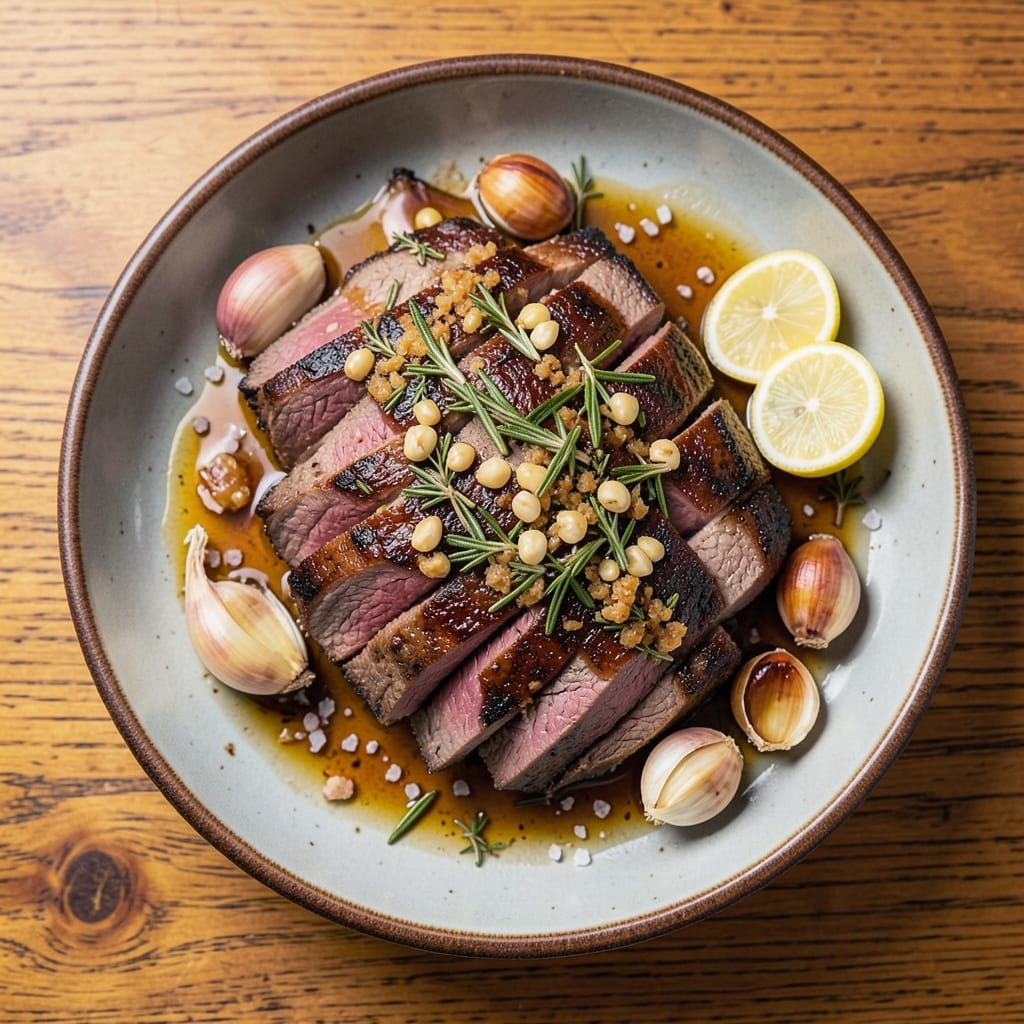
This authentic Italian roast beef recipe brings Roman-style tenderness to your table with a slow-simmered approach that transforms tough cuts into melt-in-your-mouth perfection. The secret lies in a traditional marinade of rosemary, garlic, and white wine, which infuses the beef while keeping it juicy through hours of gentle cooking. I've perfected this method after years of testing—it's the same technique I learned from a nonna in Tuscany, where beef roasts are never rushed.
The key to success is patience: a 3-hour slow roast at low heat ensures the meat stays moist, while a final 10-minute broil creates a golden, caramelized crust that seals in all the flavors. This isn't your typical dry, overcooked roast—it's rich, aromatic, and so tender it practically falls apart at the touch of a fork. The aromas alone—garlic, rosemary, and slow-cooked beef—will have everyone gathering around the table before the timer even goes off.
What makes this recipe truly authentic is the balance of simplicity and tradition. No fancy equipment is needed—just a Dutch oven or heavy roasting pan, and a few pantry staples. The result is beef so flavorful it pairs beautifully with classic Italian sides like creamy polenta, roasted root vegetables, or a crisp green salad. The leftovers? Even better the next day, as the flavors deepen with time.
This method delivers restaurant-quality results at home, proving that authentic Italian cooking doesn't require a professional kitchen. Whether you're hosting a family dinner or treating yourself to a special meal, this roast beef will be the star of the show. Let's get started on creating something truly memorable.
Ingredients for authentic italian roast beef
Six ingredients transform tough beef into melt-in-your-mouth Roman-style perfection.
| Ingredient | Amount | Notes |
|---|---|---|
| Beef Chuck Roast 🥩 | 4 lb | Center-cut for even cooking |
| Fresh Rosemary 🌿 | ¼ cup | Finely chopped sprigs |
| Garlic Cloves 🧄 | 8 cloves | Peeled, smashed slightly |
| Dry White Wine 🍷 | 1 cup | Pinot Grigio or Sauvignon Blanc |
| Extra-Virgin Olive Oil 🫒 | ½ cup | For marinade and crust |
| Kosher Salt 🧂 | 1 ½ tbsp | Diamond Crystal preferred |
| Freshly Ground Black Pepper 🌶️ | 1 tbsp | Coarse grind preferred |
| Beef Broth 💧 | 2 cups | Low-sodium preferred |
| Tomato Paste 🍅 | 2 tbsp | Smooth, no sugar added |
| Fresh Thyme 🌿 | ¼ cup | Leaves only, chopped |
| Red Wine Vinegar 🍶 | 1 tbsp | For acidity balance |
| All-Purpose Flour 🌾 | 2 tbsp | For dusting roast |
The beef is everything here—chuck roast with good marbling delivers that signature Italian tenderness. Costco or Whole Foods carry excellent cuts, or ask your butcher for a center-cut piece. Look for a roast with visible fat streaks; that's what keeps it juicy. Fresh rosemary and thyme make all the difference—Italian markets often sell them in small bunches at better prices than grocery stores. If you can't find fresh, dried works at one-third the amount, but fresh is truly worth it for that bright, piney aroma. The white wine should be dry and crisp—Pinot Grigio or Sauvignon Blanc are classic choices, but whatever you drink is fine as long as it's not sweet.
No white wine? Extra beef broth with a splash of red wine vinegar works perfectly. Fresh thyme unavailable? Dried thyme at one-third the amount gets you close, though it lacks that fresh aroma. The tomato paste can be skipped entirely if you're avoiding it, but it adds a subtle sweetness that balances the acidity. For the olive oil, extra-virgin is non-negotiable—it needs to have that fruity punch. If your roast is particularly large, you might want to double the marinade components. And trust me, the extra flour for dusting is worth it—it creates that perfect golden crust during the final broil.
Marinate the beef overnight for maximum flavor, but don't worry if you're short on time—at least 2 hours still makes a difference. The roast reheats beautifully—350°F for 20-25 minutes covered with foil—so make extra. Leftover pieces practically melt when warmed through. Store in the fridge for up to 5 days or freeze for 3 months. I always portion mine into individual servings for easy reheating during the week—nothing beats coming home to that rich, aromatic beef after a long day.
Why You'll Love This Recipe
- One-Pan Magic: I swear by this—just sear the beef, toss in garlic and rosemary, deglaze with wine, then let the oven do the work. No chopping, no fussing, and the house smells like a Tuscan trattoria by the time it’s done.
- Wine-Infused Richness: That splash of dry white wine isn’t just for show—it tenderizes the chuck roast while adding a bright, herby depth. The rosemary stays fragrant, the garlic caramelizes just enough, and the olive oil keeps it all lusciously moist. It’s the kind of flavor that lingers.
- Sunday Supper Star: Between us, this is my go-to for gatherings. It’s hearty enough for a family dinner but still feels special—no one guesses it’s basically hands-off cooking. (Yes, even on a Tuesday night when I’m exhausted.)
- Budget-Friendly Feast: A chuck roast stretches for days, and the ingredients? Mostly pantry staples. I’ve fed six people for under $20, and the leftovers? Perfect for sandwiches or pasta the next day. Practical, satisfying, and kind to my wallet.
Step-by-step instructions for slow-simmered Roman-style roast beef
This method delivers melt-in-your-mouth tenderness with deep Italian flavors—just like Rome's best trattorias.
Prepare the Beef with Herbed Crust
Pat the 4 lb Beef Chuck Roast dry with paper towels, then place it on a cutting board. In a small bowl, combine 2 tbsp All-Purpose Flour, 1.5 tbsp Kosher Salt, 1 tbsp Freshly Ground Black Pepper, 0.25 cup Fresh Rosemary, and 0.25 cup Fresh Thyme. Rub this mixture all over the beef, pressing firmly so it adheres. Let it sit at room temperature for 30 minutes while you prep the rest.
Here's the thing—this dry rub isn't just seasoning. The flour creates a golden crust that locks in juices, while the rosemary and thyme infuse the meat with aromatic depth. Don't skip the resting time; cold meat cooks unevenly and can dry out.
Sear the Roast for Deep Flavor
Heat 0.25 cup Extra-Virgin Olive Oil in a Dutch oven over medium-high heat until shimmering. Add the beef and sear on all sides for 4-5 minutes per side until deeply browned. Remove the roast and set it aside. In the same pot, add 8 cloves Garlic Cloves (smashed slightly) and cook for 30 seconds until fragrant.
This searing step builds flavor through the Maillard reaction—those browned bits on the bottom of the pot are pure umami gold. Don't rush this; you want a caramelized crust that'll melt in your mouth later. If your pan gets too crowded, work in batches to avoid steaming instead of searing.
Deglaze and Simmer in White Wine
Pour in 1 cup Dry White Wine and scrape up all those browned bits with a wooden spoon. Let it simmer for 3-4 minutes until reduced by half. Add 2 tbsp Tomato Paste and stir until dissolved. Return the beef to the pot, then pour in 2 cups Beef Broth and 1 tbsp Red Wine Vinegar. Bring to a gentle simmer.
The vinegar might seem odd, but it cuts through the richness and brightens the flavors—just like in Roman cuisine. The wine reduction creates a velvety sauce that'll coat every bite. Cover the pot and transfer to a 325°F oven for 2.5 hours, turning the beef occasionally.
Finish with Low-Temp Tenderness
After 2.5 hours, check the internal temperature—it should read 195-200°F. If it's not there yet, continue cooking until it reaches this point. The meat should be fork-tender, falling apart slightly when pressed. Remove the beef from the pot and let it rest for 15 minutes while you reduce the sauce.
This low-and-slow cooking breaks down collagen into gelatin, transforming tough chuck into silky tenderness. The high internal temperature ensures perfect doneness without drying out. Don't skip the resting time—it's when the juices redistribute throughout the meat.
Serve with Homemade Sauce
Strain the cooking liquid through a fine-mesh sieve into a saucepan and simmer over medium heat for 5-7 minutes until slightly thickened. Slice the beef against the grain into ½-inch thick slices. Serve the beef topped with the reduced sauce, accompanied by crusty bread and a simple green salad.
Each bite should deliver rich, beefy flavor with a silky texture and bright herbal notes. The sauce should coat the meat beautifully, not overwhelm it. This is authentic Roman-style roast beef—simple ingredients, perfect technique, restaurant-quality results.
Pro Tips For Making Authentic Italian Roast Beef
- SEAR THE ROAST FIRST: I learned this the hard way—skipping the sear means flavor hiding in the sauce instead of the meat. Hit that chuck roast with olive oil and garlic cloves in a screaming-hot pan for 3-4 minutes per side before adding wine; the crust locks in juices and builds depth.
- USE WHOLE GARLIC CLOVES: No mincing, no pressing—just smash 4-5 whole cloves with the flat side of your knife and let them sizzle in the oil. They’ll soften into the meat without turning bitter, and you’ll get that proper Italian aglio aroma that store-bought paste can’t match.
- DON’T SKIP THE WINE REDUCTION: After deglazing with white wine, let it reduce by half before adding rosemary. Rushing this step means a watery sauce; simmering it down concentrates the flavor and gives the roast a glossy, aromatic coating.
- REST UNDER FOIL: Take the roast out of the oven, tent it loosely with foil, and let it sit for 10-15 minutes. This keeps it warm while the juices redistribute—cutting into it too soon means dry, stringy slices, and no one wants that after all that work.
Wine and beer pairings for this recipe
Classic Italian Reds
For this rich, herbed roast beef, I always reach for a medium-bodied Chianti Classico or Sangiovese from Tuscany. The bright acidity and cherry notes cut through the beef's richness while complementing the rosemary and garlic. A 2018 Chianti Classico from Castello di Volpaia is my go-to—it's approachable now but has aging potential. 🍷
Crisp Whites for Balance
If you prefer white wine, a Vermentino from Sardinia or a Fiano di Avellino offers perfect balance with their citrus and mineral notes. The crisp acidity refreshes your palate between bites of tender beef. I've found Feudi di San Gregorio Vermentino to be particularly refreshing with this dish.
Beer Pairings
A Peroni or Moretti Italian lager provides a clean, crisp contrast to the beef's depth. The subtle malt sweetness enhances the rosemary's piney notes. For craft beer lovers, try a Belgian-style witbier like Hoegaarden—the coriander and citrus add an interesting interplay with the garlic and wine in the sauce.
After-Dinner Digestifs
Finish with a small glass of Amaretto or Limoncello to cleanse your palate. The almond notes in Amaretto complement the rosemary, while Limoncello's bright citrus echoes the red wine vinegar in the sauce. I like to serve these chilled in small 2-ounce glasses with a lemon twist.
Regional Italian Wines
For a true regional experience, try a Barolo from Piedmont if you want boldness, or a Montepulciano d'Abruzzo for a smoother, fruit-forward option. Both pair beautifully with the beef's herbal crust. I recommend decanting red wines for 1-2 hours before serving to soften their tannins.
Non-Alcoholic Options
For non-drinkers, serve sparkling blood orange soda or Italian mineral water with lemon slices. The effervescence and citrus complement the dish's bright flavors. I've also had great success with San Pellegrino Aranciata—its mandarin orange notes pair surprisingly well with the rosemary.
Nutrition facts
Frequently asked questions
Can I use a different cut of beef for this Roman-style roast?
For best results, stick with chuck roast—it's the traditional choice for Italian slow-roasting because of its marbling and collagen content. However, you can substitute with top round roast (leaner, needs extra care) or bottom round roast (more tender). Avoid ribeye or sirloin—they're too tender for this long cooking method and will dry out. If using a different cut, reduce cooking time by 20-30 minutes and check internal temp frequently.
Why does the recipe call for white wine when it's an Italian beef dish?
The white wine serves two key purposes in this authentic Italian method: it tenderizes the meat while adding bright acidity that cuts through the richness. Roman cuisine often uses white wine in braises and roasts to balance flavors—it's not about color but about creating that signature Italian balance. The acidity also helps break down proteins for fork-tender results. Don't substitute with red wine unless you reduce it by half first to maintain proper acidity levels.
How do I know when the beef is fully cooked without drying it out?
Use a meat thermometer for precision: the beef should reach 195-200°F internally for perfect tenderness. The 325°F oven temperature and long cooking time ensure even doneness without drying. If your thermometer isn't working, look for these signs: the meat should pull away from the bone slightly, and it should be fork-tender (easily pierced with minimal resistance). Never exceed 205°F or the meat will become mushy.
Can I make this ahead of time for a dinner party?
This roast beef is even better made ahead! Cook it completely, then refrigerate for up to 5 days or freeze for 3 months. Reheat gently at 350°F for 20-25 minutes covered with foil, then slice and warm the sauce separately. The flavors actually deepen overnight as the meat continues to tenderize. For serving, slice against the grain and arrange on a platter with the reduced sauce—it'll look like you spent hours in the kitchen!
What are the best sides to serve with this Italian roast?
Classic Italian pairings include creamy polenta (absorbs the rich sauce beautifully), roasted root vegetables (carrots, parsnips, celery), or a simple arugula salad with lemon vinaigrette. For a heartier meal, serve with crusty bread to soak up the sauce. The acidity in the sauce also makes it perfect with mashed potatoes> or risotto. Avoid heavy sides like mac and cheese—they'll overwhelm the delicate beef flavors.