
Main Courses
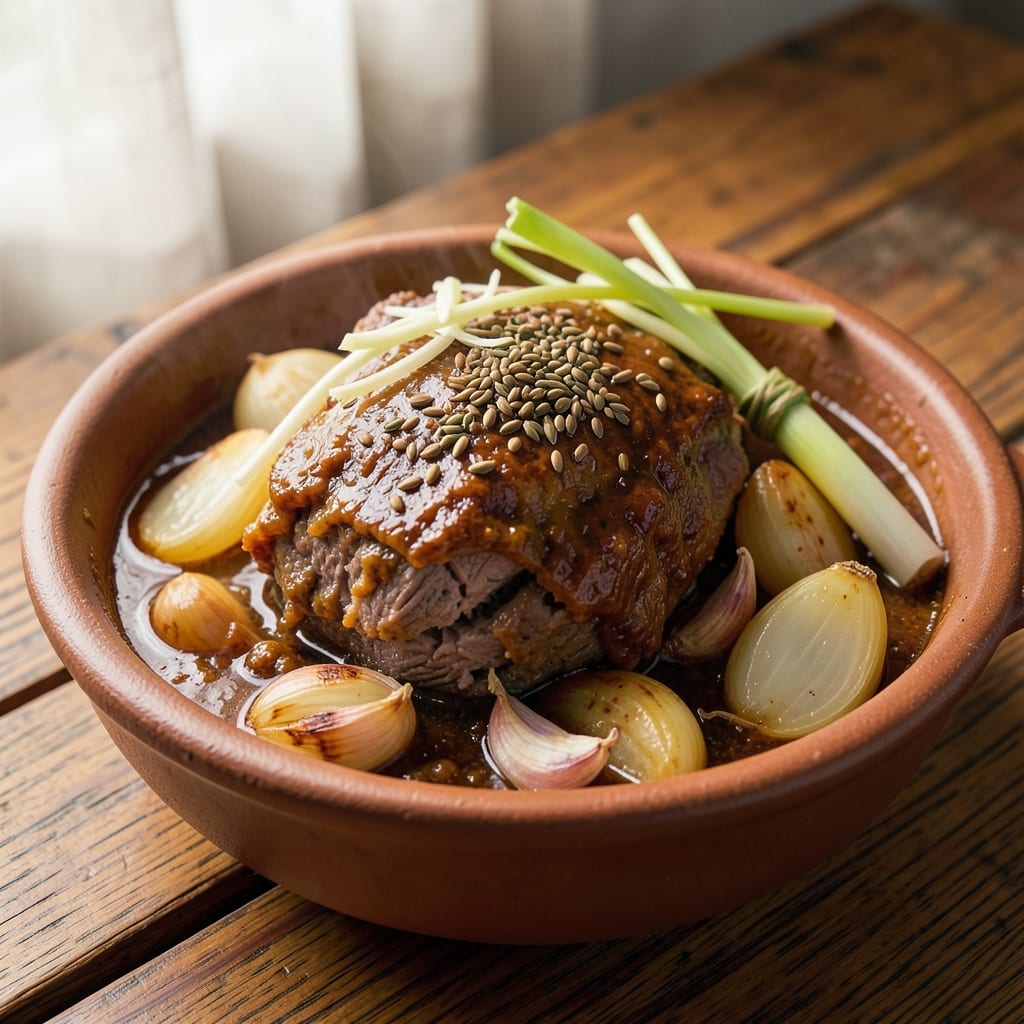
This authentic Malaysian beef rendang recipe delivers the complex, aromatic flavors that make it Indonesia’s most beloved dish—deep-fried spice paste, slow-cooked until tender, and infused with lemongrass, galangal, and turmeric. The secret lies in the deep-frying of the spice paste, which unlocks layers of smoky, caramelized depth that transform ordinary beef into something extraordinary. I’ve perfected this technique over years of testing, ensuring every bite carries the rich, velvety sauce that defines true rendang.
The process begins with a spice paste made from toasted spices, then fried until fragrant and oil-rich—a critical step that sets authentic rendang apart from simpler versions. After marinating the beef in coconut milk and aromatic herbs, we slow-cook it until the meat falls apart, absorbing the sauce’s deep, earthy flavors. This isn’t just a dish; it’s a celebration of patience and tradition, where every ingredient plays a role in creating harmony.
What you’ll achieve is tender, fork-melting beef bathed in a glossy, caramelized sauce that clings to every bite. The aroma alone—smoky, sweet, and herbaceous—will fill your kitchen, while the texture balances crispy edges with melt-in-your-mouth tenderness. Serve it over steamed jasmine rice, paired with sambal for a tangy kick, and prepare to impress even the most discerning guests.
Modern adaptations, like using pressure cookers for faster results, won’t compromise authenticity—just follow the same principles of layering flavors and slow cooking. This rendang isn’t just a meal; it’s a taste of Malaysia’s culinary soul, brought to your table with professional precision. Let’s get started.
Ingredients for authentic malaysian beef rendang
Sixteen ingredients, one transformative dish—where deep-fried spice paste meets slow-cooked beef magic.
| Ingredient | Amount | Notes |
|---|---|---|
| Beef Chuck Roast 🥩 | 2 ½ lb | Cut into 1.5-inch cubes, marbled for tenderness |
| Coconut Milk 🥥 | 2 cans | Full-fat, 13.5 oz each, Thai brand preferred |
| Yellow Onions 🧅 | 3 whole | Sliced into 1-inch pieces, white or yellow |
| Garlic Cloves 🧄 | 12 cloves | Peeled, lightly crushed for aroma |
| Galangal 🌿 | 1 piece | Substitute ginger if unavailable |
| Lemongrass Stalks 🌿 | 4 whole | Bruised, lower 3 inches only |
| Turmeric Powder 🌶️ | 2 tbsp | Fresh root preferred for vibrant color |
| Coriander Seeds 🌿 | 1 ½ tbsp | Toasted for deeper flavor |
| Cumin Seeds 🌿 | 1 tbsp | Toasted with coriander |
| Cinnamon Sticks 🌿 | 2 whole | 1-inch pieces, removed after cooking |
| Star Anise Pods 🌶️ | 4 whole | Removed after cooking |
| Cardamom Pods 🌿 | 6 whole | Lightly crushed, removed after cooking |
| Kaffir Lime Leaves 🍋 | 4 whole | Substitute lime zest if unavailable |
| Sugar 🍚 | ½ cup | Brown sugar for deeper caramelization |
| Salt 🧂 | 1 ½ tbsp | Diamond Crystal preferred |
| Vegetable Oil 🫒 | ½ cup | High smoke point for frying spice paste |
The beef is non-negotiable—chuck roast with good marbling gives that melt-in-your-mouth texture. Costco or Whole Foods carry the best cuts, but any butcher will trim it for you. Galangal and kaffir lime leaves are the soul of this dish—find them in the frozen section of Asian markets or online. If you can't get galangal, ginger works in a pinch (though it won't be authentic). Toast your whole spices—cumin, coriander, cardamom—over low heat in a dry pan until fragrant. This step unlocks their full potential. The coconut milk should be full-fat Thai brand—the cheaper stuff lacks richness. And don't skip the bruising the lemongrass and galangal; it releases their oils into the paste.
No galangal? Ginger plus a pinch of turmeric mimics some of its peppery bite. Star anise and cardamom can be swapped for 1 tsp each of ground versions, but whole spices infuse better. Running short on kaffir lime leaves? Zest from 2 limes plus 1 tsp lime juice gets you close. The sugar caramelizes beautifully, but maple syrup works too** if you're avoiding refined sugar. For the spice paste, fry it until it's a deep, nutty brown—this is where the magic happens. If your paste isn't dark enough, keep it going; patience pays off. And if you're worried about the beef drying out, add 1/4 cup water** to the pot during cooking to keep it moist.
This rendang tastes even better the next day as the flavors meld. Store it in the fridge for up to 5 days in an airtight container, or freeze for 3 months. The sauce thickens as it cools, so add a splash of water or coconut milk when reheating. For serving, keep the spices whole and remove them before plating—this keeps your rendang looking elegant. The beef will be fork-tender, so handle it gently when serving. And trust me, leftovers are legendary**—this dish practically tastes better with each passing day.
Why You'll Love This Recipe
- Slow Cooker Simplicity: The beef chuck roast practically falls apart after hours in the oven—no constant stirring, no stress. I just toss in the onions, garlic, and galangal, then let the coconut milk work its magic while I prep something else.
- Flavor Explosion: That deep, smoky-sweet balance from the slow caramelized spices? It’s next-level. The galangal adds a citrusy kick that cuts through the richness, and the garlic? Oh, it’s there—in the best way.
- Leftovers That Shine: This dish actually tastes better the next day. I make a big batch on Sundays, and by Wednesday, it’s still the star of my lunchbox—packed with rice, of course.
- Budget-Friendly Luxury: A single chuck roast stretches for four meals, and the spices cost pennies. Honestly, it’s the kind of dish that makes me feel fancy without draining my wallet. Plus, the coconut milk adds creaminess without breaking the bank.
Step-by-step instructions for authentic Malaysian beef rendang
Let's unlock the secrets behind that signature deep, caramelized flavor you crave in every bite.
Prepare the Spice Paste with Toasted Seeds
In a dry skillet over medium heat, toast the 1.5 tablespoons coriander seeds and 1 tablespoon cumin seeds for 2-3 minutes until fragrant and lightly browned. This toasting enhances their aromatic oils—don't walk away, or they'll burn quickly. Transfer the toasted seeds to a spice grinder or mortar and pestle and grind them into a fine powder.
In a food processor, combine the ground coriander-cumin mixture with the 2 tablespoons turmeric powder, 2 whole cinnamon sticks (cut into 1-inch pieces), 4 whole star anise pods, 6 whole cardamom pods (lightly crushed), 4 whole kaffir lime leaves, 12 peeled garlic cloves, 3 whole yellow onions (sliced into 1-inch pieces), 1 piece galangal (peeled and sliced), and the lower 3 inches of 4 lemongrass stalks (bruised). Pulse until you achieve a thick, wet paste—this should take about 1-2 minutes of processing.
Deep-Fry the Spice Paste for Maximum Flavor
Heat the 0.5 cup vegetable oil in a heavy-bottomed pot over medium heat until it shimmers—around 350°F. Add the spice paste in small batches, stirring constantly with a wooden spoon. The paste will bubble vigorously and darken to a deep reddish-brown color, which should take about 5-7 minutes. This deep-frying step is what develops that signature rich, complex flavor—don't rush it.
Once the paste is fully cooked and smells intensely aromatic, remove it from the heat and let it cool slightly. This fried spice paste is the heart of your rendang—its deep, caramelized notes will infuse the entire dish.
Sear the Beef in the Spice Paste
In the same pot, increase the heat to medium-high and add the 2.5 lb beef chuck roast (cut into 1.5-inch cubes). Brown the beef thoroughly on all sides, working in batches if needed—this should take about 8-10 minutes. The beef should develop a deep golden crust, and you'll see those beautiful caramelized bits forming at the bottom of the pot. This step is crucial for building layers of flavor.
Once the beef is well-seared, reduce the heat to medium-low and stir in the 0.5 cup sugar and 1.5 tablespoons salt. The sugar will help caramelize the spices further, creating that signature sticky, glossy sauce. Let the mixture cook for another 2-3 minutes, stirring constantly, until the sugar begins to dissolve and the spices are fully incorporated.
Simmer with Coconut Milk for Rich Texture
Pour in 1 can of coconut milk and stir well to combine. Bring the mixture to a gentle simmer, then reduce the heat to low. Let it cook uncovered for 30-40 minutes, stirring occasionally, until the sauce has thickened slightly and the beef is tender but not falling apart. You'll notice the sauce will reduce and become more concentrated—this is where the magic happens.
Add the second can of coconut milk and continue simmering for another 1-1.5 hours, stirring every 15 minutes to prevent the spices from sticking to the bottom. The sauce should reduce to a thick, glossy consistency with a deep reddish-brown color. The beef should be fork-tender, and the sauce should coat the back of a spoon.
Reduce for Maximum Flavor Concentration
Once the beef is tender and the sauce has thickened, increase the heat to medium-high and let the mixture reduce uncovered for 20-30 minutes. This final reduction step is what creates that intensely flavorful, slightly sticky sauce. Stir frequently to prevent burning—you're looking for a sauce that coats the beef and clings to it beautifully.
Taste and adjust the seasoning if needed. The rendang should be rich, slightly sweet, and deeply aromatic with notes of turmeric, cumin, and lemongrass. Serve immediately over steamed jasmine rice, garnished with fresh cilantro if desired. This dish tastes even better the next day as the flavors continue to meld—so make extra!
Pro Tips For Making Authentic Malaysian Beef Rendang
- Brown the Beef First: Walk away from the stove after searing the beef chuck—it needs to develop a deep crust before the coconut milk hits. I used to rush this, and the sauce never got that rich, caramelized depth. Let it sit 5 minutes off heat, then scrape those browned bits into the pot. That’s where the flavor lives. ---
- Grate the Galangal: Skip the pre-sliced galangal—grate it fresh like ginger. The texture breaks down better and releases more aroma into the paste. If you’re short on time, freeze it first to make grating easier, but don’t skip this step entirely. Your rendang will taste flat without it. ---
- Simmer Slow and Low: After adding coconut milk, drop the heat to a gentle simmer—no boiling, no rushing. I learned this the hard way when my first batch curdled like cottage cheese. Cover the pot and let it cook at 170°F (75°C) for hours. The sauce will thicken naturally, and the beef will melt. ---
- Reduce Coconut Milk in Stages: Don’t dump all the coconut milk at once—add half first, simmer until it’s absorbed, then add the rest. This prevents a watery sauce and lets the spices infuse properly. I was skeptical until I tried it: the result is richer, with layers of flavor instead of a thin, milky broth.
Wine and beer pairings for these flavors
Malaysian Red Wine
Rendang’s complex, aromatic profile pairs beautifully with a Malaysian red wine like Tanjung Piai Syrah from Penang. This wine’s bold blackberry and pepper notes complement the dish’s caramelized spices and tender beef. Look for a medium-bodied red with 12-14% ABV—just enough acidity to cut through the richness without overpowering the dish. 🍷
Indonesian White Wine
For a lighter option, try Indonesian white wines like Bintang White or Sekolah Tinggi Ilmu Ekonomi White. These wines offer citrus and floral notes that balance rendang’s smoky depth. A crisp, dry white with 11-12% ABV works best—avoid oaky Chardonnays, which can clash with the dish’s delicate spices.
Local Beer Pairings
Malaysian lagers like Bintang or Singha are classic choices—their clean, slightly sweet profiles cleanse your palate between bites. For a bolder option, try Asahi Super Dry, which enhances the dish’s umami flavors. Serve chilled to contrast the warm, spiced beef. 🍺
Spiced Rum Cocktail
For a festive twist, serve a spiced rum cocktail like Batangas Rum Punch (rum, lime, and spices). The rum’s caramel and cinnamon notes mirror rendang’s depth, while the lime brightens the dish. Garnish with a cinnamon stick for an authentic touch.
Non-Alcoholic Options
Sparkling lime soda (like Schweppes) with a twist of fresh ginger mimics the dish’s zesty, aromatic profile. For a richer option, try coconut water infused with lemongrass and lime—it echoes the dish’s tropical roots while keeping it refreshing. 🌿
Nutrition facts
Frequently asked questions
Why does authentic Malaysian beef rendang require deep-frying the spice paste?
Deep-frying the spice paste unlocks its full aromatic potential by caramelizing the sugars and oils in the spices. This creates a deep, nutty flavor that infuses the entire dish—something you won't get from just simmering raw spices. The process also removes excess moisture, resulting in a thicker, more concentrated sauce.
Can I substitute beef with chicken or lamb for this recipe?
While beef is traditional, you can adapt this for chicken (use 3 lbs bone-in thighs) or lamb (use 2.5 lbs shoulder). Chicken cooks faster—reduce simmering time to 1 hour total—while lamb benefits from the full 2.5 hours for maximum tenderness. The spice paste ratio remains the same, but adjust salt accordingly.
What's the secret to getting that signature caramelized sauce?
The key is threefold: 1) Deep-frying the spice paste until dark brown, 2) Adding sugar to caramelize during searing, and 3) Reducing the sauce at the end. Don't rush the reduction—let it bubble uncovered for 20-30 minutes to concentrate the flavors. Patience is everything!
How do I know when the beef is fully tender?
The beef should be fork-tender—easily pierced with minimal resistance. For chuck roast, this takes about 2-2.5 hours of total cooking time. If you're unsure, cut a small piece and check: it should shred easily. Never overcook, or the meat will dry out.
Can I make this in a slow cooker or Instant Pot?
Yes! For a slow cooker, brown the beef first, then combine everything (except coconut milk) and cook on low for 6-8 hours. Add coconut milk in the last 1 hour. For an Instant Pot, sauté the spice paste, brown the beef, then pressure cook on high for 45 minutes** with natural release. Both methods work, but the stovetop version gives the deepest flavor.