
Main Courses
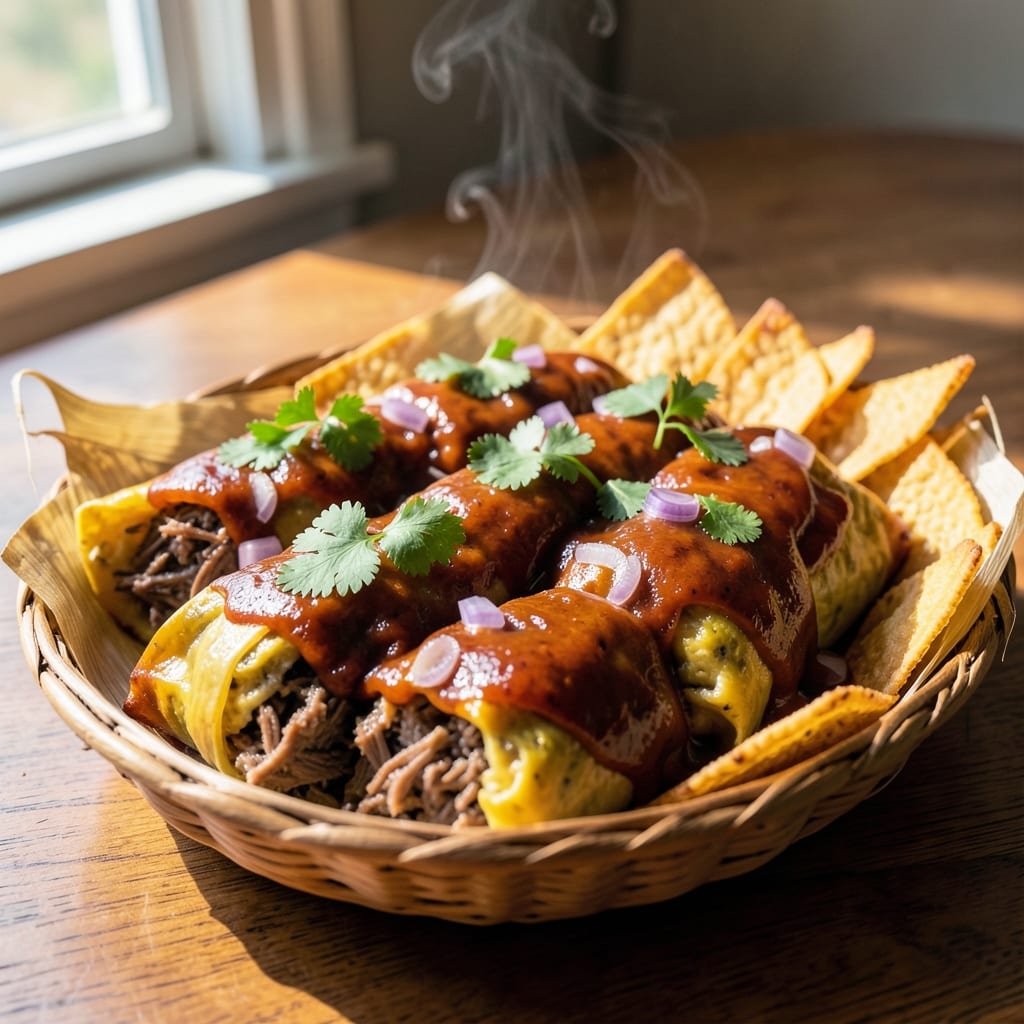
An authentic Mexican beef tamales recipe from scratch brings the soul of Mexican tradition to your table with every steamed bite—smoky chipotle, tender beef, and handmade masa that transforms a simple meal into a cultural experience. This recipe delivers the real deal: no shortcuts, just the time-honored process of preparing masa from scratch, wrapping it with care, and steaming until perfectly tender. What makes these tamales special is the balance of flavors—rich, spicy, and aromatic—that comes from slow-cooked beef in a chipotle-infused broth.
The key to authentic tamales lies in the masa itself, made from scratch with cornmeal and lard for that signature texture—neither too crumbly nor too sticky. The beef filling simmers for hours with garlic, onions, and spices until it's fork-tender, then gets coated in a smoky chipotle sauce that adds depth. Wrapping the masa around the filling requires patience, but the result is worth every fold: tender, flavorful tamales that steam to golden perfection. This is comfort food at its finest, steeped in tradition and bursting with flavor.
What you'll end up with is a platter of tamales that taste like they came from a Mexican abuela's kitchen—steamed to perfection, with crisp edges and a creamy interior that melts in your mouth. The smoky chipotle heat lingers just enough to satisfy without overwhelming, while the beef stays juicy and packed with flavor. Serve them with a side of salsa verde or a simple rice dish to round out the meal, and get ready to impress your guests with a dish that's as much about culture as it is about taste.
This recipe is designed for those who appreciate the process as much as the result—it's a labor of love, but the payoff is unforgettable. Whether you're making them for a special occasion or just treating yourself to a taste of Mexico, these tamales will transport you straight to the heart of Mexican cuisine. Let's get started on creating something truly special.
Ingredients for authentic mexican beef tamales recipe from scratch
Twelve ingredients to bring Mexico's heart to your table—smoky, tender, and steeped in tradition.
| Ingredient | Amount | Notes |
|---|---|---|
| Beef Chuck Roast 🥩 | 3 lb | Trimmed of excess fat |
| Dried Chipotle Peppers in Adobo 🌶️ | 2 whole | With 2 tbsp adobo sauce |
| Yellow Cornmeal 🌽 | 4 cups | Fine grind preferred |
| Lard 🧈 | 1 cup | Rendered, not leaf |
| Warm Water 💧 | 3 cups | For masa mixture |
| Onions 🧅 | 2 whole | Yellow or white, chopped |
| Garlic Cloves 🧄 | 8 cloves | Fresh, minced |
| Bay Leaves 🌿 | 4 whole | Fresh preferred |
| Ground Cumin 🌿 | 2 tbsp | Toasted for depth |
| Mexican Oregano 🍃 | 1 tbsp | Not regular oregano |
| Salt 🧂 | 2 tsp | Kosher or sea salt |
| Vegetable Oil 🫒 | ½ cup | For greasing |
| Banana Leaves 🍃 | 12 whole | Or aluminum foil |
| Dried Corn Husks 🌾 | 12 whole | Soaked for 1 hour |
| Chicken Broth 💧 | 1 cup | Low sodium |
The beef is non-negotiable—chuck roast gives that melt-in-your-mouth texture. Trim the fat but leave some for flavor. For the masa, yellow cornmeal is key—Bob's Red Mill is my go-to. Lard is traditional, but vegetable shortening works in a pinch (though purists will notice the difference). The dried chipotles? Look for smoky, not sweet—the adobo sauce adds that deep, tangy note. If you can't find Mexican oregano, regular oregano plus a pinch of cinnamon gets you close, but it won't be the same. Banana leaves? Asian markets or Latin grocers usually carry them—if you can't find them, aluminum foil works perfectly fine.
No lard? Coconut oil or extra butter will work, but the texture won't be quite the same. Short on chipotles? 1 tsp smoked paprika plus 1/2 tsp cayenne mimics the heat, but you'll lose that smoky depth. The masa should be like thick pancake batter—not too wet, not too dry. If it's crumbly, add a splash more water; if it's sticky, mix in a bit more cornmeal. For the beef, braise it low and slow—rushing this step will make the tamales tough. And if you're making these for a crowd, double the masa recipe—they disappear fast.
Keep the masa covered in the fridge for up to 2 days—it actually improves as it rests. The cooked tamales reheat beautifully: steam for 10 minutes to revive them. Freeze extras by wrapping them individually in plastic wrap, then store in a bag for up to 3 months. To serve, steam again until hot. Pro tip: Label your tamales if you're making multiple flavors—trust me, you'll thank yourself later.
Why You'll Love This Recipe
- I’ll be real: most recipes make you scramble for vegan butter or oil—but here, the lard is *part of the magic. That rich, buttery mouthfeel in the masa? Non-negotiable for real tamales. (And yes, it’s worth the extra step of rendering it yourself if you’re feeling ambitious.)
- No Lard Substitutes Needed: I’ll be real: most recipes make you scramble for vegan butter or oil—but here, the lard is *part of the magic. That rich, buttery mouthfeel in the masa? Non-negotiable for real tamales. (And yes, it’s worth the extra step of rendering it yourself if you’re feeling ambitious.)
- One-Pot Magic: Between us, the filling cooks while you mix the masa—no juggling pans. Tender beef, smoky chipotle in adobo, and just enough cumin to make your kitchen smell like a Mexican abuela’s kitchen. Honestly, the hardest part is waiting for the steamer to whistle.
- Leftovers That Taste Better: Tamales reheat like a dream—steam them again, and they’re just as good as day one. I’ve frozen these for months and still get compliments. (Pro tip: wrap them in foil before freezing, or the masa gets gummy.)
Step-by-step instructions for authentic Mexican beef tamales
Bringing tradition to life means mastering the masa and the fillings—here's how to do it right.
Prepare the Chipotle Adobo and Cook the Beef
Begin by removing the seeds and stems from the 2 whole dried chipotle peppers in adobo, then finely chop them. In a small saucepan, combine the chopped peppers with the 2 tablespoons adobo sauce and 1 cup chicken broth. Simmer over medium-low heat for 10 minutes until the mixture reduces slightly and becomes smooth. This will form the smoky base for your tamales.
While the adobo mixture simmers, trim the 3 lb beef chuck roast of excess fat, leaving about ¼-inch of fat cap. In a large Dutch oven, heat the 0.5 cup vegetable oil over medium-high heat. Add the beef and sear on all sides until deeply browned, about 8-10 minutes. Remove the beef and set it aside.
In the same Dutch oven, add the 2 whole chopped onions and 8 cloves minced garlic. Sauté for 5 minutes until softened and fragrant. Stir in the 2 tablespoons ground cumin, 1 tablespoon Mexican oregano, 2 teaspoons salt, and 4 whole bay leaves. Pour in the chipotle adobo mixture and add enough water to cover the beef by about 1 inch. Bring to a boil, then reduce heat to low, cover, and simmer for 3 hours or until the beef is fork-tender. Shred the beef using two forks and mix it with the cooking liquid. Let it cool slightly before using as filling.
Make the Masa Dough
In a large mixing bowl, combine the 4 cups yellow cornmeal, 1 cup lard, and 2 teaspoons salt. Use your hands to work the mixture until it resembles coarse crumbs with some larger pieces. Gradually add the 3 cups warm water while mixing, one ladle at a time. Knead the dough for 5-7 minutes until it becomes smooth and pliable, almost like playdough. The dough should hold its shape when pressed but still be soft enough to mold easily.
Here's the thing—this dough needs to be the right consistency. If it's too dry, add 1 tablespoon warm water at a time until it comes together. If it's too sticky, add a little more cornmeal. The goal is a dough that's easy to work with but not crumbly.
Cover the masa dough with a damp towel and let it rest at room temperature for 30 minutes. This resting period allows the flavors to meld and makes the dough even easier to shape later. Don't skip this step—it makes a world of difference in texture.
Soak and Prepare the Corn Husks
Fill a large pot with water and add the 12 whole dried corn husks. Bring to a boil, then reduce heat to low and let them simmer for 1 hour. This soaking process softens the husks enough to hold the masa without tearing. While they soak, prepare a large bowl of cold water to plunge the husks into after soaking. This sudden temperature change helps them retain their flexibility.
After soaking, carefully remove each husk and place it on a clean kitchen towel. Gently pat dry and set them aside. You'll want to work quickly here—husks dry out fast once removed from water. If any husks crack or tear, set them aside for use as wrappers for smaller tamales or discard them if they're too damaged.
While the husks soak, lightly grease a large baking sheet with a bit of vegetable oil. This will help prevent the tamales from sticking once they're assembled and steamed. Keep the husks covered with a damp towel until you're ready to assemble the tamales.
Assemble the Tamales
Divide the masa dough into 12 equal portions, each about the size of a golf ball. Take one portion and flatten it slightly between your palms. Place it in the center of a corn husk, about 2 inches from the wide end. Spoon about ½ cup of the beef filling onto the masa, then fold the wide end of the husk over the filling. Fold the sides inward, then roll the tamale tightly from the narrow end toward the wide end, tucking in the edges as you go.
Place each assembled tamale seam-side down on the greased baking sheet. Cover the sheet with a clean kitchen towel to keep the tamales moist while you finish assembling the rest. The key here is to work efficiently—once you start steaming, you can't pause the process.
Real talk: the first few tamales might look a little messy, but don't worry. With each one, you'll get better at judging the right amount of filling and how tightly to roll. Aim for tamales that are about 3 inches long—this size steams evenly and is easy to handle.
Steam the Tamales to Perfection
Line the bottom of a large stockpot with the 12 whole banana leaves (or aluminum foil if banana leaves aren't available), making sure they cover the entire base without overlapping. Pour in about 1 inch of water and bring it to a gentle simmer over medium heat. This creates the steam environment your tamales need to cook through evenly.
Carefully place the assembled tamales on the steaming rack or directly on the banana leaves, leaving about 1 inch of space between each one. Cover the pot tightly with a lid and steam for 90 minutes. Don't peek during this time—opening the lid releases steam and can make your tamales soggy instead of perfectly steamed.
After 90 minutes, check one tamale by carefully removing it from the pot. Let it cool for 5 minutes, then cut into it. The masa should be tender but not mushy, and the beef filling should be hot and flavorful. If it's not quite done, return the pot to the heat and steam for another 15-20 minutes. Once they're ready, serve the tamales warm with extra chipotle adobo sauce for dipping.
Pro Tips For Making Authentic Mexican Beef Tamales Recipe From Scratch
- Render the Lard First: I learned this the hard way—trying to mix cold lard into warm masa dough just makes a greasy mess. Heat the lard in a small pot over medium-low until it’s just melted but not smoking (about 3 minutes), then let it cool slightly before adding it to the masa. The texture will be smoother, and the tamales won’t turn out greasy or crumbly.
- Char the Chipotles: Skip the jarred adobo sauce and toast the dried chipotles in a dry skillet over medium-high heat for 30 seconds per side until they darken slightly. Soak them in warm water for 15 minutes, then blend with their soaking liquid—this adds depth the jarred sauce can’t match. (Yes, it’s extra work, but the smoky flavor is worth it.)
- Steam at 350°F: Low and slow is the only way to go. Steam the tamales in a covered pot at 350°F for 1.5–2 hours, not boiling. If the water boils too hard, the masa will cook unevenly and the filling might leak. Check the water level halfway—it should never drop below the bottom of the tamales.
- Rest the Beef: After slow-cooking the beef, let it rest under foil for 10 minutes before shredding. I used to shred it immediately, and the juices would run all over the masa while I worked. This keeps the filling moist and makes it easier to handle—no more sticky, crumbling tamales. (Your future self will thank you.)
Pro cooking tips for authentic mexican beef tamales recipe from scratch
Masa Consistency Secrets
The masa is where tamales make or break—get this right, and everything else falls into place. The dough should be smooth, pliable, and hold its shape when pressed, but still soft enough to mold without cracking. I find that 5-7 minutes of kneading by hand (not a mixer!) is key—this develops the gluten just enough for structure. If your dough feels dry, add 1 tablespoon warm water at a time until it comes together like playdough. Too sticky? Mix in 1 tablespoon cornmeal until it's workable. Pro tip: Use a food scale for precision—1 cup lard should weigh about 225 grams (not 160g like vegetable shortening). That extra fat makes all the difference in that melt-in-your-mouth texture. 🧈
Beef Braising Mastery
The 3-hour low-and-slow braise is non-negotiable for tender beef, but timing is everything. Start by searing the chuck roast until deeply browned—this creates the Maillard reaction that builds flavor. After adding the chipotle adobo and spices, maintain a gentle simmer (190-200°F)—any hotter and the beef will toughen. I like to use a meat thermometer to check internal temp: 205°F is perfect for shredding. Let the beef rest for 15 minutes after cooking before shredding—this keeps the filling juicy. If your beef isn't tender enough, add ½ cup warm broth and simmer another 30 minutes. 🥩
Husk Handling Hacks
Corn husks are temperamental—handle them wrong, and you'll end up with messy tamales. First, soak them for 1 hour in boiling water, then shock them in ice water for 10 minutes to lock in flexibility. Pat them dry gently with a towel, but don't over-dry—they should stay pliable. For assembly, place the masa 2 inches from the wide end of the husk to prevent tearing when rolling. If you're short on husks, use banana leaves (available at Asian markets) or even aluminum foil for a backup. The key is to keep them moist with a damp towel while working. 🌾
Steaming Like a Pro
Steaming tamales is an art—too much heat, and they'll turn mushy; too little, and they'll stay raw. Use a large stockpot with a tight-fitting lid and maintain a gentle simmer (not a rolling boil)—about 1 inch of water on the bottom is perfect. Place tamales on a rack or directly on banana leaves, leaving 1 inch of space between them for even steaming. The 90-minute cook time is just a guideline: check one tamale at 75 minutes by cutting into it—the masa should be tender but firm. If you peek, add 5-10 minutes to the total time to compensate for steam loss. 🌡️
Assembly Efficiency
Assembling 12 tamales can feel overwhelming, but a little prep saves time. Divide the masa into 12 equal golf-ball-sized portions (about 2.5 oz each) before starting. Keep the filling warm in a slow cooker on low heat while you work—cold filling makes the masa tough. For the first few tamales, practice your folding technique: fold the wide end over the filling first, then the sides, and finally roll tightly from the narrow end. If your tamales look lopsided, adjust the filling amount—½ cup per tamale is ideal. Work quickly but carefully: once steaming starts, you can't pause. ⏱️
Troubleshooting Tamales
Even pros have hiccups—here's how to fix them. If your masa is too crumbly, add 1 tbsp lard and knead for another 2 minutes. Too sticky? Mix in 1 tbsp cornmeal. Tamales not steaming evenly? Add ½ cup hot water to the pot and steam 15 minutes longer. The filling is too dry? Mix in 2 tbsp of the chipotle adobo sauce before assembling. And if your husks tear during rolling, use plastic wrap as a backup wrapper—it works in a pinch. 💡
Nutrition facts
Frequently asked questions
Can I make tamales without corn husks?
While corn husks are traditional, you can use banana leaves (available at Asian markets) or even aluminum foil as a substitute. For banana leaves, lightly oil them before wrapping, and for foil, use 18-inch squares to create a similar package shape. Just be sure to fold the foil tightly to prevent leaks during steaming.
How do I store leftover tamales?
Tamales reheat beautifully! Store them in an airtight container in the fridge for up to 5 days. To reheat, steam for 10-15 minutes until hot through. For longer storage, wrap each tamale individually in plastic wrap, then place in a freezer bag for up to 3 months. Thaw overnight in the fridge before reheating.
What's the secret to tender beef filling?
The key is low-and-slow cooking—braise the beef for 3 hours at 190-200°F until fork-tender. Never rush this step! After cooking, let the beef rest for 15 minutes before shredding to retain juices. If your beef isn't tender enough, add ½ cup warm broth and simmer another 30 minutes. The chipotle adobo sauce also helps keep the filling moist.
Can I use chicken or pork instead of beef?
While beef is traditional, you can adapt this recipe! For chicken, use 3 lbs boneless thighs and reduce cooking time to 2 hours. For pork, try 3 lbs pork shoulder and cook for 2.5 hours. The chipotle adobo sauce works beautifully with either protein, but adjust seasoning to taste—pork benefits from extra 1 tsp smoked paprika for depth.
Why did my tamales turn out dry?
Dry tamales usually happen from overcooking or insufficient moisture. Check your steaming time—90 minutes is ideal, but don't exceed 105 minutes. Also verify your masa consistency: it should be like playdough, not crumbly. If using foil instead of husks, ensure it's tightly sealed to trap steam. For extra moisture, brush tamales with chipotle adobo sauce before steaming.