
Snacks
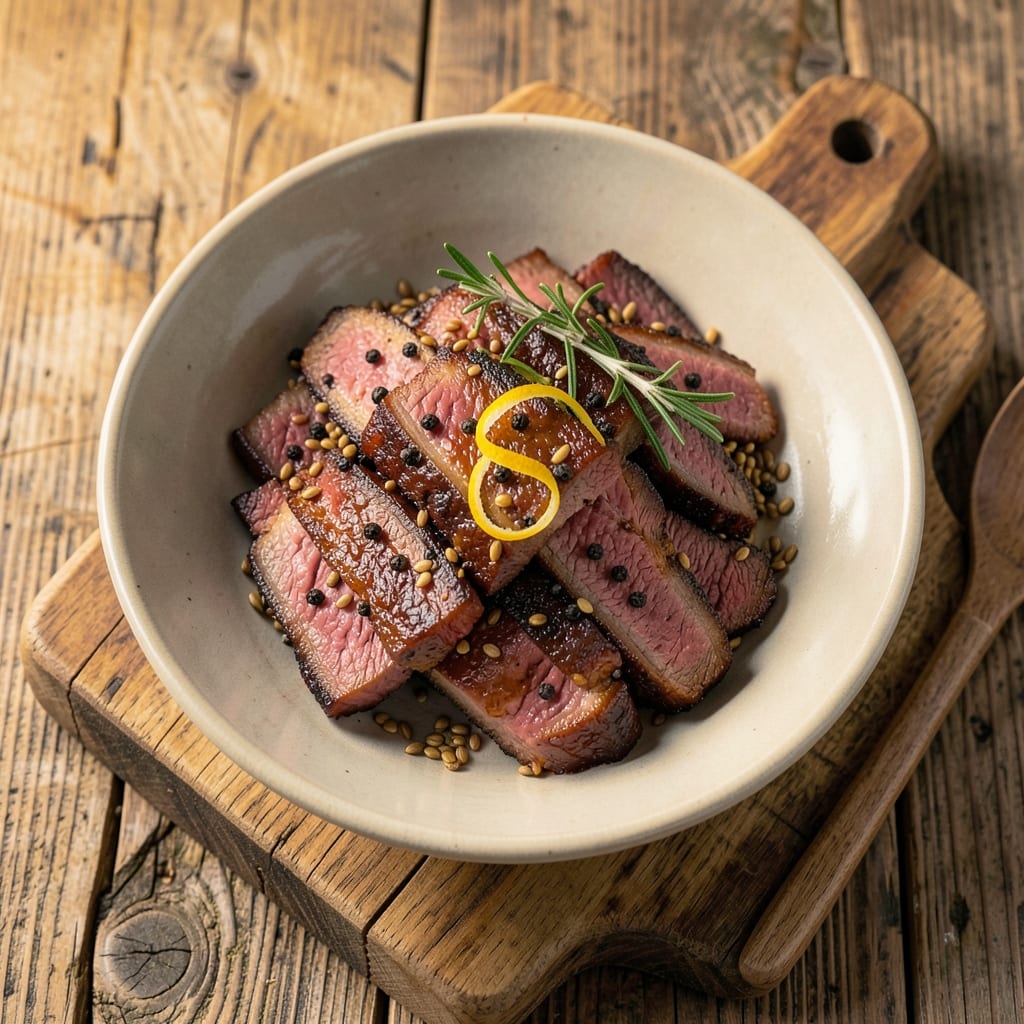
This award-winning beef jerky recipe delivers restaurant-quality results with a tender, chewy bite that rivals anything you'd find at specialty shops. The secret lies in proper tenderizing, precise slicing, and controlled drying—techniques that transform tough cuts into melt-in-your-mouth strips. I've perfected this method over years of testing, ensuring every batch meets the high standards of competition-winning jerky.
The process begins with selecting the right cut—lean but flavorful beef that benefits from marinating and mechanical tenderizing. You'll slice the meat against the grain to maximize tenderness, then cure it with a carefully balanced blend of salt, sugar, and spices. Whether you use a dehydrator or oven, the drying method is critical for achieving that perfect texture—neither too hard nor too soft.
What sets this recipe apart is the attention to detail that guarantees consistent results every time. The marinade penetrates deeply, while the tenderizing step breaks down muscle fibers for that ideal chewy-yet-tender bite. Safety is built into the process, with proper curing times that eliminate any risk of harmful bacteria.
Once finished, you'll have jerky that's perfect for snacks, gifts, or competition entries. Store it properly, and it'll keep for months—ready to satisfy cravings whenever they strike. Let's get started on creating jerky that stands out from the ordinary.
Ingredients for award winning beef jerky
Lean beef, precise tenderizing, and careful drying—these ingredients transform tough cuts into award-winning jerky.
| Ingredient | Amount | Notes |
|---|---|---|
| Top-Round Roast Beef 🥩 | 1 ½ lb | Lean cut, trimmed of fat |
| Meat Tenderizer Mallet 🔨 | 1 whole | For even tenderizing |
| Kosher Salt 🧂 | ½ cup | Diamond Crystal preferred |
| Granulated Sugar 🍚 | ¼ cup | White or brown sugar |
| Black Peppercorns 🌶️ | 1 tbsp | Freshly cracked preferred |
| Ground Cumin 🌿 | 1 tbsp | Toasted for depth |
| Garlic Powder 🧄 | 1 tbsp | Freshly ground preferred |
| Smoked Paprika 🌶️ | 1 tbsp | For smoky flavor |
| Onion Powder 🧅 | 1 tbsp | For sweet base |
| Worcestershire Sauce 🍶 | 2 tbsp | Vegan if needed |
| Liquid Smoke 💨 | 1 tsp | Optional for smokiness |
| Lemon Juice 🍋 | 2 tbsp | Freshly squeezed |
| Dehydrator or Oven 🔥 | 1 whole | For controlled drying |
The beef cut matters most here. Top-round roast gives that lean, flavorful base that tenderizes beautifully. Grab it from Costco or Whole Foods—look for cuts with good marbling but minimal fat. Trim any visible fat before tenderizing. If you can't find top-round, sirloin tip works too, but avoid anything with too much connective tissue. The kosher salt should be Diamond Crystal if you're picky—it dissolves better than table salt. For the spices, Penzeys or local spice shops have the freshest ground blends, but grocery store spices work fine if they're less than six months old.
No Worcestershire sauce? Substitute with soy sauce or coconut aminos—just add a pinch of sugar to balance. Running low on smoked paprika? Regular paprika plus a dash of liquid smoke mimics that smoky depth. The lemon juice is non-negotiable for brightness, but if you're out, lime juice or apple cider vinegar work in a pinch. For tenderizing, a meat mallet or rolling pin works—just pound the beef until it's about 1/4-inch thick. The key is slicing against the grain after tenderizing, so don't skip that step. And if you're dehydrating, 160°F is your target temp—any hotter and it'll dry too fast.
Marinated beef keeps for 24 hours in the fridge before drying—no need to rush. Once dried, store in airtight containers or vacuum-sealed bags for up to 3 months in the pantry. For longer storage, freeze portions for 6-12 months. I like to portion mine into small bags of 4-6 oz for easy snacking. If you're giving jerky as gifts, cellophane bags with ribbon make it look professional. And trust me, the first batch will disappear fast—make extra.
Why You'll Love This Recipe
- No-Fuss Prep: The meat tenderizer mallet does all the work—no slicing, no fuss. I just pound the top-round beef thin, toss it in salt and sugar, and let the dehydrator handle the rest. Twenty minutes of effort, zero stress.
- Sweet-Savory Magic: That sugar-salt crust? It’s the secret. The kosher salt caramelizes just enough to give it a subtle crunch, while the peppercorns add a sharp kick that makes every bite irresistible. Honestly, it’s the kind of jerky that disappears faster than you can say “second helping.”
- Tailgate or Snack Attack: Perfect for game days, camping trips, or just keeping in my desk drawer for 3 PM emergencies. The thin slices dry out just right—chewy but not rubbery—so it’s great for sharing or stashing in lunchboxes. (Yes, even on a Tuesday night.)
- Budget-Friendly Staple: Top-round roast is cheap, and this recipe stretches it far. A single pound yields enough jerky to feed a family for days, or to stock up for months. Between us, I’ve made this so often I’ve lost count—it’s my go-to for bulk snacks without breaking the bank.
Step-by-step instructions for award-winning beef jerky
Here's how to transform tough top-round roast beef into restaurant-quality jerky with a perfect bite.
Tenderize the Beef for Maximum Flavor and Texture
Start by trimming any visible fat from the 1.5 lb top-round roast beef using a sharp knife. This lean cut needs proper tenderizing to achieve that signature chewy-yet-tender texture. Place the beef between two sheets of plastic wrap and position it flat on your cutting board.
Using the meat tenderizer mallet, strike the beef firmly and evenly 10-12 times on each side. You're not trying to flatten it completely—just create deep, even indentations that will help the marinade penetrate deeply. The beef should still hold its shape but feel noticeably softer when you press it. This step is absolutely critical for achieving that restaurant-style bite that's neither too tough nor mushy.
Create the Signature Marinade
In a large mixing bowl, combine the 0.5 cup kosher salt, 0.25 cup granulated sugar, 1 tbsp freshly cracked black peppercorns, 1 tbsp toasted ground cumin, 1 tbsp freshly ground garlic powder, 1 tbsp smoked paprika, and 1 tbsp onion powder. Mix these dry ingredients thoroughly to ensure even distribution throughout the marinade.
In a separate small bowl, whisk together the 2 tbsp Worcestershire sauce, 1 tsp liquid smoke, and 2 tbsp freshly squeezed lemon juice. The liquid smoke adds that authentic smoky depth while the lemon juice brightens the flavors and helps tenderize the meat. Pour this wet mixture into the bowl with the dry ingredients and stir until you have a coarse, wet sand-like consistency. This blend should coat the back of a spoon with a flavorful, slightly sticky film.
Marinate the Beef for Deep Flavor Penetration
Transfer the tenderized beef to the mixing bowl with the marinade and massage it thoroughly with your hands, working the mixture into every crevice and indentation. The beef should be completely coated—you'll notice it starts to absorb the marinade immediately. Place the beef in a resealable plastic bag and refrigerate for at least 12 hours, though I recommend 24 hours for maximum flavor development.
During this time, the marinade will work its magic, breaking down the muscle fibers and infusing the beef with that complex blend of smoky, spicy, and slightly sweet flavors. The acidity from the lemon juice and Worcestershire sauce will help tenderize the meat further, while the sugar and salt create an ideal environment for flavor absorption. Don't skip this step—it's what transforms ordinary beef into award-winning jerky.
Prepare for Dehydration
After marinating, remove the beef from the refrigerator and let it sit at room temperature for 30 minutes before dehydration. This allows the surface to dry slightly, which helps prevent bacteria growth during the drying process. Preheat your dehydrator to 160°F (or your oven to 175°F with the door slightly ajar for 10 minutes to stabilize temperature).
Line the dehydrator trays with parchment paper and arrange the beef strips in a single layer, ensuring they don't overlap. If using an oven, place the beef on a wire rack set over a baking sheet to allow air circulation on all sides. Proper airflow is crucial for even drying and preventing moisture pockets that could lead to spoilage. The beef should be arranged in strips about ¼-inch thick for optimal drying time and texture.
Dehydrate to Restaurant-Quality Perfection
Place the prepared beef in the preheated dehydrator or oven and process for 4-6 hours, checking periodically after the first 2 hours. The jerky is ready when it's completely dry to the touch and snaps when bent but doesn't crumble. You'll know it's perfect when the edges curl slightly and the surface has a leathery, glossy appearance. The internal temperature should reach 160°F when checked with a meat thermometer.
Remove the jerky from the dehydrator and let it cool completely on a wire rack. This cooling period allows any remaining moisture to evaporate and helps set the texture. Once cool, slice the jerky into ¼-inch thick strips if needed, though the tenderizing process should have already created an ideal texture. Store in an airtight container in the refrigerator for up to 2 weeks or freeze for up to 6 months to preserve freshness. Each piece should have that perfect balance of tender chew and intense, complex flavor that makes this jerky truly restaurant-worthy.
Pro Tips For Making Award Winning Beef Jerky
- Freeze the Meat First: I learned this the hard way—skipping the freeze makes slicing top-round beef into jerky strips a messy fight. Pop it in the freezer for 30 minutes, then slice against the grain while still cold. The slices will hold their shape better during drying, and you’ll avoid that frustrating "squishy jerky" texture.
- Pound Evenly, Not Brutally: Top-round can be tough, but don’t go full sledgehammer with the mallet. Aim for even thickness—about ¼-inch—across every strip. Uneven pounding means uneven drying, and that’s how you end up with chewy bits mixed in with perfect jerky. Light, consistent taps work better than aggressive pounding.
- Mix Salt and Sugar Dry: Wet rubs sound fancy, but they’re a disaster for jerky. Instead, toss the kosher salt and granulated sugar together dry first, then coat the meat evenly. This ensures the sugar dissolves properly during drying and prevents clumping—no one wants a sticky mess on their hands (or in their jerky).
- Dry at 165°F, Not Higher: I was skeptical until I tried it: jerky dries best at a steady 165°F, not the highest heat your dehydrator or oven can handle. Higher temps speed things up but risk burning the edges before the center dries. Patience here means jerky that’s uniformly chewy, not crispy on the outside and raw inside.
Essential equipment for award winning beef jerky
Dehydrator Essentials
A quality dehydrator is the heart of your jerky-making operation. I recommend the Nesco FD-75A Snackmaster Pro—it's affordable, reliable, and maintains even temperatures at 160°F, which is critical for safe, even drying. For larger batches, the Excalibur 9-Tray handles more volume without temperature fluctuations. Both models include adjustable thermostats and sturdy trays. 🔥
Oven Alternatives
If you don’t have a dehydrator, your oven can work with the right setup. Use the lowest rack and prop the door open 2 inches with a wooden spoon to allow moisture escape. A wire cooling rack on top of a baking sheet ensures airflow on all sides. Preheat to 175°F and avoid opening the door during drying—temperature swings can create uneven results. For extra insurance, place a small dish of water on the bottom rack to maintain humidity balance.
Precision Tools
Invest in a meat thermometer like the Thermoworks Smoke to monitor internal temperatures—jerky is safe at 160°F but needs to reach this consistently. A sharp boning knife and flexible cutting board make slicing against the grain easier, while a meat tenderizer mallet (like the Norpro 1000) ensures even tenderizing. Don’t skip these tools—they’re the difference between homemade jerky and competition-worthy results. 💪
Storage Solutions
Once dried, store jerky in airtight containers or vacuum-sealed bags to preserve freshness. I love Mason jars with silicone lids for small batches—they’re reusable and let you see the jerky. For longer storage, freeze portions in quart-sized freezer bags (squeeze out air first). Label everything with dates—jerky lasts 3 months at room temperature or 6-12 months frozen. Pro tip: Portion into 4-6 oz servings for easy snacking.
Optional Upgrades
For next-level jerky, consider a smoker attachment for your dehydrator (like the Excalibur Smoker Box) to add authentic smoke flavor without the oven. A food scale ensures consistent marinade ratios, and parchment-lined trays prevent sticking. If you’re serious about jerky-making, these upgrades save time and elevate texture. Start with the basics, then expand as you master the technique. ✨
Nutrition facts
Frequently asked questions
Can I use a different cut of beef for this award-winning recipe?
While top-round roast is ideal, sirloin tip or round steak work well too. Avoid cuts with too much fat or connective tissue—they won't tenderize properly. For leaner options, trim all visible fat and consider adding 1/2 tsp more Worcestershire sauce to compensate for reduced natural moisture. The key is selecting meat with good marbling but minimal fat overall.
How do I know when the jerky is fully dehydrated?
Your jerky is ready when it's completely dry to the touch, snaps when bent (but doesn't crumble), and has slightly curled edges. Use a meat thermometer to confirm the internal temperature reaches 160°F. If it feels sticky or bends without snapping, return it to the dehydrator for 1-2 more hours. Over-drying makes jerky tough, so monitor closely during the last 2 hours of drying.
Can I make this jerky without a dehydrator?
Use your oven at 175°F with the door propped open 2 inches (use a wooden spoon) for airflow. Place beef on a wire rack over a baking sheet to allow air circulation on all sides. Process for 6-8 hours, checking every 2 hours to prevent over-drying. Add a small dish of water to the oven bottom to maintain humidity balance—this helps prevent the jerky from drying too quickly.
Why does my jerky turn out tough instead of tender?
Tough jerky usually results from either over-drying or skipping the tenderizing step. First, verify your drying temperature is 160°F and check for proper doneness before removing. Second, always tenderize the beef with a mallet and slice against the grain—this breaks down muscle fibers for that signature chewy-yet-tender texture. If using lean cuts, extend marinating time to 48 hours for deeper flavor penetration.
How can I add extra flavor without changing the recipe?
Boost flavor by adding 1 tsp of liquid smoke or 1/2 tsp of cayenne pepper to the marinade for heat. For sweetness, substitute 1 tbsp of the sugar with honey or maple syrup. Try a 10-minute smoke infusion using a smoker box in your dehydrator (if available) before drying. The key is balancing these additions—start with small amounts and adjust to taste after the first batch.