
Side Dishes
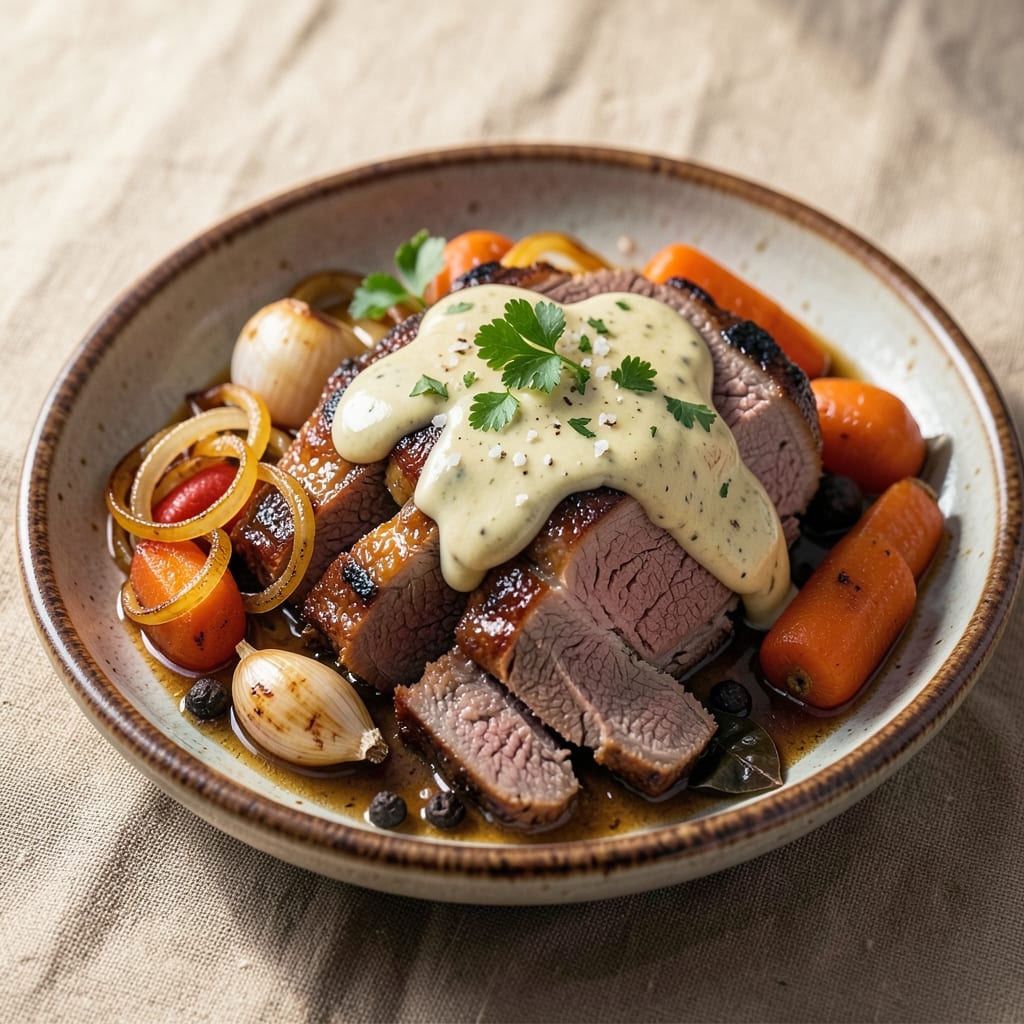
This award-winning corned beef recipe delivers melt-in-your-mouth tenderness and bold, aromatic flavors that win over even the most skeptical judges. 🌟 The secret lies in a precise curing process and slow braising that transforms tough cuts into succulent perfection—no shortcuts, just time-honored technique refined for maximum impact.
What sets this recipe apart is the balance of traditional spices and modern precision: a 3-day curing period ensures deep flavor penetration, while a low-and-slow cook (just 3 hours) guarantees juicy, fork-tender meat with a rich, caramelized crust. The result? Corned beef so impressive it could grace any competition table or holiday feast.
By the time you serve this masterpiece, your guests will experience juicy, spice-infused slices that practically fall apart at the touch of a fork. The aroma alone—smoky, savory, with hints of clove and bay—will have everyone asking for seconds before the first bite is taken. This isn't just corned beef; it's a showstopper.
Pair it with classic sides like cabbage and potatoes for a complete Irish feast, or serve it on its own as the star of the show. The presentation matters too: thick slices fanned on a platter with a sprinkle of fresh parsley elevate it from delicious to unforgettable. Ready to impress?
Ingredients for award winning corned beef
Six pounds of beef and a spice blend that turns ordinary into extraordinary.
| Ingredient | Amount | Notes |
|---|---|---|
| Beef Brisket 🥩 | 4 lb | Flat cut preferred, trimmed of excess fat |
| Yellow Onions 🧅 | 2 whole | Medium size, sliced into wedges |
| Carrots 🥕 | 4 whole | Large, peeled and cut into chunks |
| Bay Leaves 🌿 | 4 whole | Dried, standard size |
| Garlic Cloves 🧄 | 8 cloves | Fresh, peeled and smashed |
| Black Peppercorns 🌶️ | 1 tbsp | Freshly cracked for intensity |
| Mustard Seeds 🌶️ | 1 tbsp | Yellow seeds preferred |
| Ground Allspice 🌶️ | 1 tsp | For subtle warmth |
| Ground Cloves 🌶️ | 1 tsp | Whole cloves crushed for aroma |
| Kosher Salt 🧂 | 1 ½ cups | Diamond Crystal preferred |
| Pickling Spice Blend 🌶️ | 2 tbsp | Or make your own mix |
| Beef Broth 💧 | 2 cups | Low-sodium preferred |
| Apple Cider Vinegar 🍎 | ½ cup | For tangy depth |
| Fresh Parsley 🌿 | ¼ cup | Chopped, for garnish |
The brisket is non-negotiable here—flat cut delivers the best texture, while point cut can get too fatty. Costco or local butchers usually carry it pre-trimmed, but if you're buying whole, trim the fat cap to about 1/4-inch thickness. Look for good marbling, not too lean. The kosher salt is your secret weapon: Diamond Crystal dissolves faster than table salt, so you get better flavor penetration during the cure. I always buy mine in bulk from Penzeys—it's worth the investment for this recipe. The pickling spice blend? Grab a jar from the baking aisle, but if you're feeling fancy, make your own with mustard seeds, allspice, and a few cloves.
No beef broth? Vegetable broth with a splash of soy sauce works in a pinch, but the umami difference is noticeable. Running low on vinegar? Lemon juice at half the amount gives similar acidity, though the flavor profile shifts slightly. The garlic can be roasted for a sweeter note—just toss whole cloves in a 400°F oven for 10 minutes before smashing. For the carrots, baby carrots work fine, but large, knobby ones add more natural sweetness. And if you're curious about the spices: the cloves and allspice are what give this recipe its signature depth—don't skip them. Trust me on that.
This recipe is all about patience. The cured brisket keeps in the fridge for 3 days before cooking—use that time to prep your sides. The cooked version reheats beautifully: 165°F internal temp is your goal, and it'll stay juicy for 4-5 days in the fridge. For leftovers, slice against the grain and reheat with a splash of broth. Freezing? Portion into airtight containers with a little broth to keep it moist—3 months max. And that parsley garnish? Always keep some fresh on hand—it's the perfect finishing touch.
Why You'll Love This Recipe
- One-Pot Magic: I swear by this method—just toss the brisket, onions, and carrots into a pot with the spices, then let it simmer. No chopping like a fine chef, no fancy gadgets, just hands-off perfection while you do anything else.
- Crispy-Creamy Payoff: That brisket? Tender enough to melt, but with a crust so good you’ll want to eat it first. The garlic and bay leaves seep into every bite, turning a simple pot roast into something that’ll have your whole table asking for seconds.
- Budget Made Rich: A whole brisket for this price? You’d pay double at a restaurant. The onions and carrots bulk it up, so you’re feeding a crowd without breaking the bank. Plus, the leftovers stretch across meals like a champ.
Step-by-step instructions for slow-braised corned beef
Here's how to transform tough brisket into melt-in-your-mouth perfection.
🍳 Step 1: Cure the Brisket Overnight (The Secret to Juiciness)
In a large bowl, combine the 1.5 cups kosher salt, 2 tbsp pickling spice blend, 1 tbsp black peppercorns, 1 tbsp mustard seeds, 1 tsp ground allspice, and 1 tsp ground cloves. This is your curing mix—don't skip the spices, they're what make this award-winning. Place the 4 lb beef brisket in a large resealable bag and pour the curing mix over it, massaging it into all the crevices and fat pockets.
Add the 2 whole yellow onions (sliced into wedges) and 4 whole carrots (peeled and cut into chunks) to the bag. Seal tightly and refrigerate for 24-48 hours, turning the bag occasionally. Here's the thing—this curing process breaks down the muscle fibers and infuses the meat with flavor. Don't rush it; patience here ensures that juicy result you're after.
🍳 Step 2: Sear the Brisket for Deep Flavor
Remove the brisket from the curing bag and rinse it thoroughly under cold water to remove excess salt. Pat it completely dry with paper towels—this step is crucial for that perfect crust. Heat a large Dutch oven over medium-high heat and add just enough oil to coat the bottom lightly. Place the brisket fat-side down and sear for 8-10 minutes until the fat renders out and the surface is deeply browned.
Flip the brisket and sear the other side for another 5-7 minutes. Here's where it gets good—remove the brisket from the pot and set it aside. You'll see those beautiful browned bits stuck to the bottom; don't scrape them out. These are packed with flavor that will form the base of your braising liquid. This searing step isn't just about browning—it's about building layers of flavor that will make your corned beef truly award-worthy.
🥘 Step 3: Build the Braising Liquid
In the same Dutch oven, add the 8 cloves garlic cloves (smashed) and 4 whole bay leaves. Cook for 1 minute until fragrant—this releases their aromatic oils. Pour in the 2 cups beef broth and 0.5 cup apple cider vinegar, scraping up all those browned bits from the bottom. Bring the mixture to a simmer, then return the brisket to the pot, fat-side up.
Add the onions and carrots from the curing bag back into the pot. The liquid should come about halfway up the sides of the brisket—if it's too shallow, add a little water. Bring everything to a gentle boil, then immediately reduce the heat to low. Here's the critical part: cover the pot with a tight-fitting lid and don't peek for at least 2 hours. Every time you lift that lid, you're letting heat escape and potentially drying out your meat. Trust the process and let it cook undisturbed.
⏰ Step 4: Braise Until Fork-Tender (The Long Game)
Cook the brisket for 3-4 hours total, maintaining a gentle simmer. Here's how to check for doneness: insert a meat thermometer into the thickest part of the brisket (avoiding the bone). It should read between 200-205°F—this is the "probe-tender" stage where the meat is so tender it practically falls apart. If it's not there yet, keep braising, adding a splash of water if needed to prevent drying.
Real talk: this is where most home cooks rush and end up with tough meat. The low-and-slow method breaks down collagen and connective tissue, transforming tough brisket into something silky and juicy. The onions and carrots will be tender and infused with all that corned beef flavor—don't discard them. They're perfect for serving alongside or even mixing into the juices for extra richness.
🍽️ Step 5: Rest and Serve with Confidence
Once the brisket reaches the perfect temperature, remove it from the pot and transfer it to a cutting board. Tent loosely with foil and let it rest for 15-20 minutes. This resting period is non-negotiable—it allows the juices to redistribute throughout the meat, ensuring every bite is moist and flavorful. During this time, skim any excess fat from the braising liquid and strain out the bay leaves if you prefer a cleaner presentation.
Slice the brisket against the grain into ¼-inch thick slices. The meat should be so tender that it practically melts in your mouth with each bite. Serve the corned beef with the braised onions and carrots, a dollop of the reduced braising liquid, and garnish with 0.25 cup chopped fresh parsley. For the full experience, serve with classic accompaniments like colcannon, mustard sauce, or crusty rye bread. This isn't just corned beef—it's a masterpiece of slow-braised perfection that deserves its place on any award-winning table.
Pro Tips For Making Award Winning Corned Beef
- Trim the Fat First: Slice off that thick fat cap before cooking—it’s not just for looks. I used to leave it on, and the brisket would steam instead of sear, leaving you with a watery, flavorless mess. A sharp knife and 10 minutes upfront save hours of regret later. ---
- Brown the Brisket Hard: Get that beef screaming hot in a dry pan—no crowding, no rushing. I learned this the hard way after my first batch turned out pale and bland. High heat for 5-7 minutes per side builds crust and flavor; skip this, and you’re just boiling meat in liquid. ---
- Peel Those Carrots Wrong: Leave the skins on, but scrub them clean—no peeling needed. The skins soften beautifully and add texture; I used to peel them out of habit, and the dish lost that rustic, homey bite. Just a quick brush under cold water does the trick. ---
- Save the Starch Water: Reserve the liquid from rinsing onions and carrots—it’s packed with flavor. Strain it, then use it to deglaze the pot after browning the brisket. I was skeptical until I tried it; suddenly, the broth had depth instead of just being watery. ---
Troubleshooting great award winning corned beef
Over-Salted Brisket
If your brisket tastes too salty after curing, don't panic—this is fixable! Rinse the meat thoroughly under cold water for 10-15 minutes while massaging it gently to remove excess salt. Soak it in 1 gallon cold water with 1 cup milk for 2 hours to draw out the salt. The milk helps neutralize the saltiness while keeping the meat tender. After soaking, pat dry and proceed with searing. 💧
Meat Too Tough
Tough corned beef usually means the cooking time wasn't long enough or the temperature was too high. For best results, maintain a gentle simmer (190-200°F) and cook until the internal temperature reaches 200-205°F. If your meat is still tough, return it to the pot with 1 cup additional broth and cook for another 1-2 hours on low heat. The key is patience—low and slow breaks down collagen for that melt-in-your-mouth texture.
Braising Liquid Too Thin
A watery braising liquid can make your corned beef taste bland. If this happens, reduce the liquid by 25-30% on the stovetop after removing the meat. Simmer uncovered for 10-15 minutes to thicken it naturally. For extra richness, whisk in 1 tbsp cornstarch mixed with 2 tbsp cold water and cook for another 2 minutes. This creates a silky sauce that clings beautifully to the meat and elevates the dish.
Uneven Cooking
If some parts of your brisket are overcooked while others remain underdone, it's likely due to inconsistent heat distribution. Use a heavy-bottomed Dutch oven (like Le Creuset) to maintain even heat. Place the brisket fat-side up and add 1 cup hot water to the pot to create steam. This helps cook the meat more evenly. For extra insurance, use a meat thermometer to monitor the thickest part of the brisket, avoiding the bone.
Spices Not Infused
If your corned beef lacks depth, the spices likely didn't penetrate enough during curing. For next time, increase the curing time to 48 hours and use coarse-ground spices instead of powdered ones. They'll cling better to the meat and infuse more flavor. Also, try adding 1 tsp smoked paprika to the curing mix for an extra layer of complexity. The longer cure time gives the spices time to work their magic deep into the meat fibers.
Dry Meat After Cooking
Dry corned beef usually means the meat was cooked too long or at too high a temperature. To prevent this, always maintain a gentle simmer and avoid lifting the lid during cooking. If your meat turns out dry, revive it by slicing thinly and reheating with ½ cup beef broth over low heat for 5 minutes. For future attempts, consider adding 1 cup apple cider to the braising liquid—its acidity helps tenderize the meat while keeping it moist.
Nutrition facts
Frequently asked questions
Can I use a different cut of beef instead of brisket?
The flat cut brisket is ideal because of its even shape and leaner texture, but you can use point cut if that's all you can find. Just trim extra fat to 1/4-inch thickness to prevent greasiness. Avoid tougher cuts like chuck—they won't become as tender during the braising process. For a quicker version, some cooks use beef shank, but the texture will be more fibrous.
How long can I keep the cured brisket in the fridge before cooking?
You can safely cure the brisket for up to 3 days in the refrigerator—this is actually ideal for maximum flavor infusion. Beyond that, the risk of spoilage increases, and the meat may start to dry out. If you need to prep ahead, cure for 24 hours, then refrigerate uncovered for 12-24 hours to let excess moisture evaporate before cooking. This helps create a better crust during searing.
What's the best way to reheat leftover corned beef?
Slice the leftovers against the grain and reheat in a skillet with 2 tbsp beef broth over medium-low heat for 5-7 minutes, just until warmed through. For extra richness, add a splash of the original braising liquid. Never microwave—it turns the meat rubbery. If reheating from cold, add 1/4 cup broth per pound of meat to keep it moist. Leftover corned beef stays delicious for 4-5 days in the fridge.
Can I make this recipe in a slow cooker?
Yes, but with adjustments! After searing the brisket, transfer it to your slow cooker with all ingredients except the onions and carrots. Cook on low for 8-10 hours or high for 5-6 hours. Add the veggies during the last 1 hour of cooking. The slow cooker method works well but lacks the deep caramelization of stovetop braising. For best results, finish with a quick sear in a skillet after slow cooking to restore some of that crust.
What makes this recipe truly award-winning?
Three key factors: precise curing time (24-48 hours), low-and-slow braising (3-4 hours at 190-200°F), and technique details like searing for flavor development and proper resting. The spice blend (especially the cloves and allspice) creates that signature depth, while the apple cider vinegar adds bright acidity. It's these small, intentional choices that transform ordinary corned beef into something restaurant-quality and competition-worthy.