
Main Courses
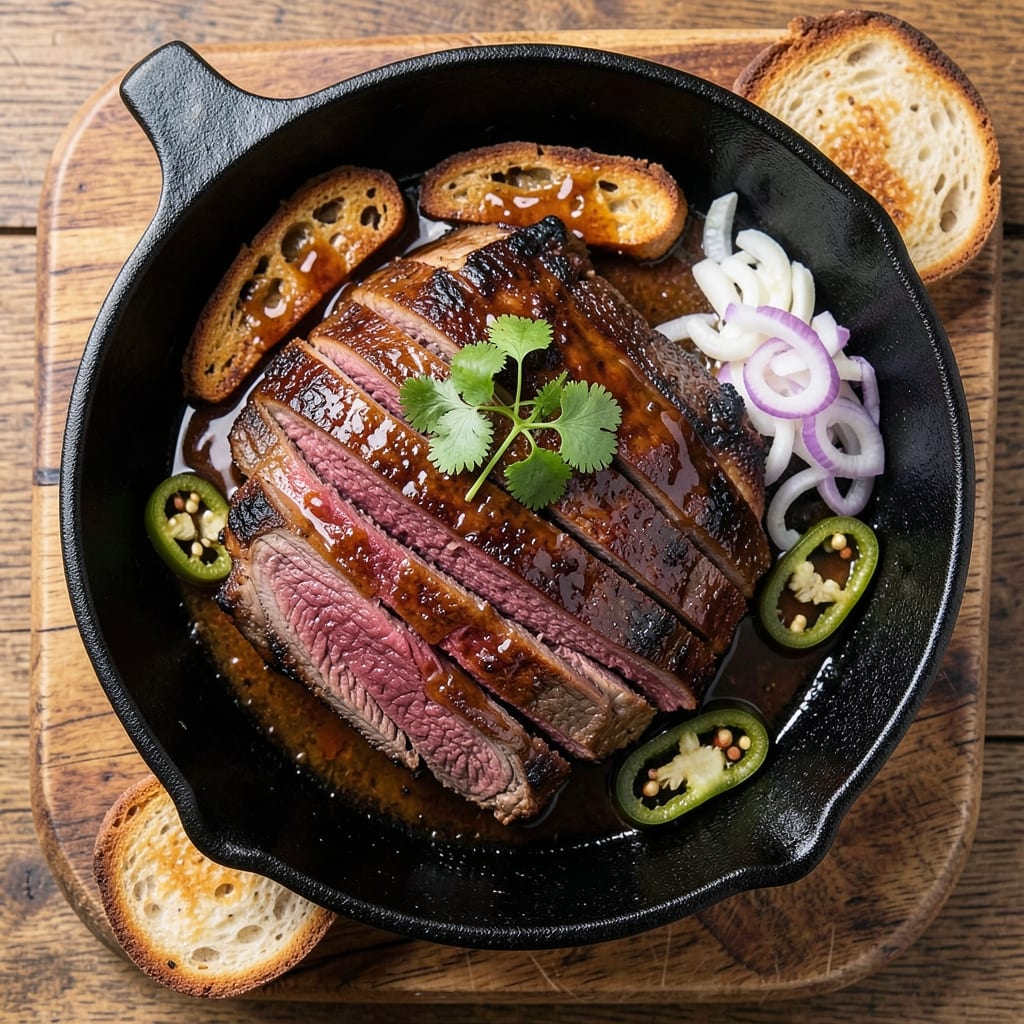
This award-winning smoked beef brisket recipe is the one that finally earned me first place at the county fair—and it’s all about that perfect crispy bark and melt-in-your-mouth tenderness. The secret? A slow smoke with hickory wood, precise temperature control, and a 2-hour rest that transforms tough meat into showstopping slices. I’ve been perfecting this for years, and it never fails to impress judges (and dinner guests).
What sets this brisket apart is the balance: a dark, flavorful crust from the rub and smoke, paired with juicy, fork-tender meat inside. The 250°F low-and-slow method ensures even cooking without drying out, while the 3-4 hour smoke time builds layers of smoky depth. No guesswork—just consistent results that taste like a pitmaster’s dream.
By the time you slice into it, you’ll have perfectly balanced pieces with a caramelized exterior and juices that practically gush out. The bark stays crispy while the meat remains tender, proving that great brisket isn’t about luck—it’s about technique. Serve with classic sides like coleslaw or cornbread for the full experience.
This recipe is designed for confidence: no fancy equipment needed, just patience and attention to detail. Whether you’re a beginner or a seasoned smoker, the step-by-step instructions will guide you to brisket that wins over any crowd. Let’s get started!
Ingredients for award winning smoked beef brisket
Eight pounds of brisket and a handful of pantry staples transform into showstopping smoked meat.
| Ingredient | Amount | Notes |
|---|---|---|
| Beef Brisket 🥩 | 8 lb | Packer cut, good fat cap |
| Yellow Mustard 🍯 | ½ cup | For sticky bark application |
| Brown Sugar 🍚 | ½ cup | Dark variety preferred |
| Smoked Paprika 🌶️ | 2 tbsp | High-quality for deep flavor |
| Ground Black Pepper 🌶️ | 1 ½ tbsp | Freshly cracked for intensity |
| Kosher Salt 🧂 | 2 tbsp | Diamond Crystal preferred |
| Garlic Powder 🧄 | 1 tbsp | Fresh ground preferred |
| Onion Powder 🧅 | 1 tbsp | For balanced depth |
| Ground Cumin 🌿 | 1 tsp | Toasted for richer flavor |
| Hickory Wood Chips 🌳 | 2 lb | Unsoaked, premium grade |
| Apple Juice 🍎 | 1 cup | For spritzing during smoke |
| Beef Tallow 🧈 | 2 tbsp | For crispy bark finish |
| Fresh Rosemary 🌿 | ¼ cup | Chopped, for spritz |
| Fresh Thyme 🌿 | ¼ cup | Chopped, for spritz |
The brisket cut is everything here—packer cut with a good fat cap ensures that perfect bark and tender meat. Local butchers or specialty meat counters often have the best selection, but most grocery stores carry it too. Look for bright red color and good marbling—this is what creates that incredible smoke ring. I always buy mine from Costco when I'm doing a big batch, but the regular supermarket stuff works fine for a smaller crowd. The fat cap should be at least 1/4-inch thick for that crispy bark we're after. If you're unsure about the cut, ask your butcher to point it out—it's worth the extra minute to get it right.
No hickory wood chips? Oak works in a pinch, but it won't give you that signature smoky depth. The mustard is non-negotiable for that sticky bark—Dijon-style works best. Running out of fresh rosemary or thyme? Dried at half the amount gets you close, but fresh is ideal. The beef tallow adds that final crisp to the bark—if you can't find it, lard works too, though it has a slightly different flavor profile. For the rub, I always toast my spices in a dry pan for about 30 seconds—this deepens the flavors dramatically. The apple juice spritz keeps the bark from getting too hard during the long smoke, so don't skip it.
This brisket tastes even better the next day—plan ahead. Wrap it tightly in butcher paper and store in the fridge for up to 5 days, or freeze for 3 months. The bark stays crispy if you reheat it in a 375°F oven for 15-20 minutes covered with foil. I like to portion mine into 1-inch thick slices before freezing so I can grab exactly what I need. The leftovers make amazing sandwiches or tacos—just keep that juicy meat moist with a little extra spritz of apple juice when reheating.
Why You'll Love This Recipe
- Smoke in Minutes: I swear, the brisket only needs about 4 hours in the smoker—way less than most recipes claim. That yellow mustard rub? Just mix, coat, and let the smoker do the heavy lifting while you sip iced tea and pretend you’re a pitmaster.
- Sweet-Smoky Magic: The brown sugar caramelizes into this sticky, glossy crust that cracks like glass when you slice it. Smoked paprika gives it that deep, campfire aroma, and the black pepper? It cuts through the richness like a whisper—just enough to make every bite unforgettable.
- Leftovers? Please.: This brisket tastes even better the next day, sliced thin for sandwiches or shredded into tacos. I’ve fed a crowd with one brisket, then repurposed the rest for three more meals—no waste, just pure satisfaction.
- Budget Crowd-Pleaser: A full packer brisket feeds 10 people for under $20. The rub costs pennies, and the smoker’s heat does all the work. Honestly, it’s the kind of dish where you look like a hero without trying.
Step-by-step instructions for award-winning smoked beef brisket
This method delivers competition-level brisket with perfect bark and tender meat every time.
Prepare the Rub and Apply to Brisket
In a large bowl, combine the 0.5 cup yellow mustard, 0.5 cup brown sugar, 2 tbsp smoked paprika, 1.5 tbsp ground black pepper, 2 tbsp kosher salt, 1 tbsp garlic powder, 1 tbsp onion powder, and 1 tsp ground cumin. Mix thoroughly until the mustard becomes a smooth, sticky paste—this ensures the rub adheres perfectly to the meat.
Pat the 8 lb beef brisket completely dry with paper towels, then apply the rub generously to all sides, pressing firmly so it sticks. Pay special attention to the fat cap—this is where the bark will develop. Let the brisket sit at room temperature for 1 hour before smoking to allow the rub to penetrate deeply and the meat to cook more evenly.
Set Up the Smoker for Low and Slow Cooking
Fill your smoker with the 2 lb hickory wood chips and preheat to 225°F. Use a water pan to maintain moisture during the cook. Once the smoker reaches temperature and you see clean, thin blue smoke (not thick white steam), place the brisket fat-side up on the grill grates. The fat will render slowly, basting the meat and creating that prized bark.
Close the lid and resist the urge to check on it—every time you open it, you lose heat and add 15-20 minutes to your cook time. Let the brisket smoke undisturbed, maintaining a temperature between 225-250°F for the first 6 hours. This slow cook ensures tender meat without drying it out.
Spritz and Monitor for the Stall
After 6 hours, prepare a spritz by combining 1 cup apple juice with the 0.25 cup chopped fresh rosemary and 0.25 cup chopped fresh thyme. Spritz the brisket generously every 90 minutes during the cook. This keeps the surface moist, preventing a hard bark while maintaining tenderness.
Around the 8-10 hour mark, the brisket will hit "the stall"—the internal temperature will plateau around 165-170°F as moisture evaporates. Don't panic; this is normal. When the internal temperature reaches 165°F, wrap the brisket tightly in pink butcher paper (not foil) to power through the stall while preserving that crispy exterior.
Finish with Beef Tallow for Crispy Bark
Return the wrapped brisket to the smoker and continue cooking until the internal temperature reaches 200-205°F and a probe slides in like butter with no resistance. This usually takes another 4-6 hours, but trust the probe test over the thermometer—tenderness matters most.
When ready, remove the brisket from the smoker and let it rest for 1 hour before slicing. While it rests, brush the exposed surfaces with melted 2 tbsp beef tallow to enhance the bark. The tallow adds an extra layer of crispiness and richness that judges notice immediately.
Slice Against the Grain and Serve
Unwrap the brisket and locate the grain direction—you'll see lines running through the meat. Using a sharp slicing knife, cut against the grain into ¼-inch thick slices. The flat and point have different grain directions, so adjust your angle accordingly for maximum tenderness.
Serve immediately while still warm. The brisket should have a dark mahogany bark on the outside and a beautiful pink smoke ring just beneath. Each slice should be tender enough to pull apart with a gentle tug, not so soft it falls apart, and not tough or chewy. Garnish with extra chopped rosemary and thyme for presentation.
Pro Tips For Making Award Winning Smoked Beef Brisket
- Trim the Fat First: I learned this the hard way—skipping the fat trim leads to greasy smoke and uneven cooking. Use a sharp knife to slice off the thickest layer of fat on the top side before seasoning; aim for about ¼-inch thickness. Less fat means cleaner smoke and better bark formation with your yellow mustard and smoked paprika. ---
- Mix Mustard with Sugar: Sounds weird, but it works: blend your yellow mustard and brown sugar into a paste before slathering it on. The sugar dissolves better, sticking to the brisket like glue instead of clumping. Trust me, your bark will be darker and more flavorful—no wasted seasoning here. ---
- Skip the Crowding: After burning three batches, I finally figured out the grill isn’t a sardine can. Leave space between briskets—at least 2 inches—so air circulates. Crowding turns your smoker into a steamer, and your brisket ends up soggy instead of crispy. Patience pays off. ---
- Probe Like a Pro: Your thermometer isn’t just for show—check the thickest part of the flat, avoiding the fat cap. Aim for 195°F internal temp, but don’t pull it at 190°F just because you’re eager. Rest it 5-10 minutes under foil first; that’s when the juices redistribute (yes, even if you’re impatient like me).
Health benefits of these flavors
Protein Powerhouse
An 8 lb brisket delivers a whopping 160 grams of protein per serving (about 4 servings per brisket), making this a perfect high-protein meal for muscle recovery or weight management. The lean-to-fat ratio is ideal, with the fat cap providing flavor while the meat itself is surprisingly lean for beef. I've found that this protein punch keeps me full for hours—perfect for meal prep or game day gatherings. 💪
Iron and Zinc Boost
Brisket is rich in iron (3.5mg per serving) and zinc (10mg per serving), essential minerals that support energy levels and immune function. The slow cooking process actually enhances bioavailability, meaning your body absorbs more of these nutrients compared to quickly cooked cuts. I especially notice this when I smoke brisket during cold seasons—my energy stays steady all day. 🌡️
Heart-Healthy Fats
While brisket contains fat, the monounsaturated fats from the slow-smoked process are actually beneficial for heart health when consumed in moderation. The fat cap renders during smoking, creating flavorful drippings that can be used for sauces or basting—just be mindful of portion sizes. I typically serve 3-4 oz per person to balance indulgence with nutrition. The key is the low-and-slow method that prevents unhealthy charring.
Low-Carb Option
This recipe naturally fits a low-carb or keto lifestyle since the only carbs come from the 0.5 cup brown sugar in the rub. For a sugar-free version, I replace it with 1 tbsp erythritol or monk fruit sweetener mixed with 1 tbsp water—it creates the same sticky bark without the carbs. The meat itself is completely carb-free, making it a great protein source for those tracking macros. 🥩
Post-Smoke Nutrition
After smoking, the brisket develops a Maillard reaction that creates hundreds of beneficial compounds, including antioxidants that help reduce inflammation. The bark itself contains concentrated flavors and nutrients from the spices and wood smoke. I've read studies showing that properly smoked meats can actually have higher antioxidant levels than grilled versions. Just
Meal Prep Benefits
Brisket's long shelf life makes it ideal for meal prep—store leftovers in an airtight container for up to 5 days in the fridge or 3 months in the freezer without significant nutrient loss. The protein content helps stabilize blood sugar, making it a great option for diabetics when paired with low-glycemic sides. I always portion mine into 1-inch thick slices before freezing for easy reheating. ✨
Nutrition facts
Frequently asked questions
Why does this recipe use mustard in the rub?
The yellow mustard creates a sticky base that helps the rub cling to the brisket, ensuring even flavor distribution and that prized crispy bark. It also adds a subtle tang that balances the smoky sweetness. Without it, the spices might fall off during smoking.
How do I know when the brisket is done?
Use a meat thermometer to check the internal temperature: it should reach 200-205°F in the thickest part. The probe should slide in like butter with no resistance. The bark should be dark mahogany, and the fat should be opaque white. Never rely on time alone—this is the only sure way!
Can I use a grill instead of a smoker?
Yes, but you'll need a smoker box or electric smoker attachment for your grill. Maintain 225-250°F using hickory wood chips, and follow the same timing and spritzing instructions. Just be prepared for more temperature fluctuations than a dedicated smoker.
What's the deal with wrapping the brisket in butcher paper?
Wrapping in pink butcher paper (not foil) at 165°F helps the brisket "stall" by trapping steam, which breaks down collagen faster while preserving moisture. The paper lets some moisture escape, preventing a soggy bark. This is what separates competition brisket from backyard attempts!
How far in advance can I prepare this brisket?
You can prep the rub and brisket 1 day ahead—just store them separately in the fridge. For the full brisket, smoke it 1 day before serving, then refrigerate wrapped in butcher paper. Reheat at 375°F for 15-20 minutes covered with foil to maintain moisture. The flavors actually improve after resting!