
Main Courses
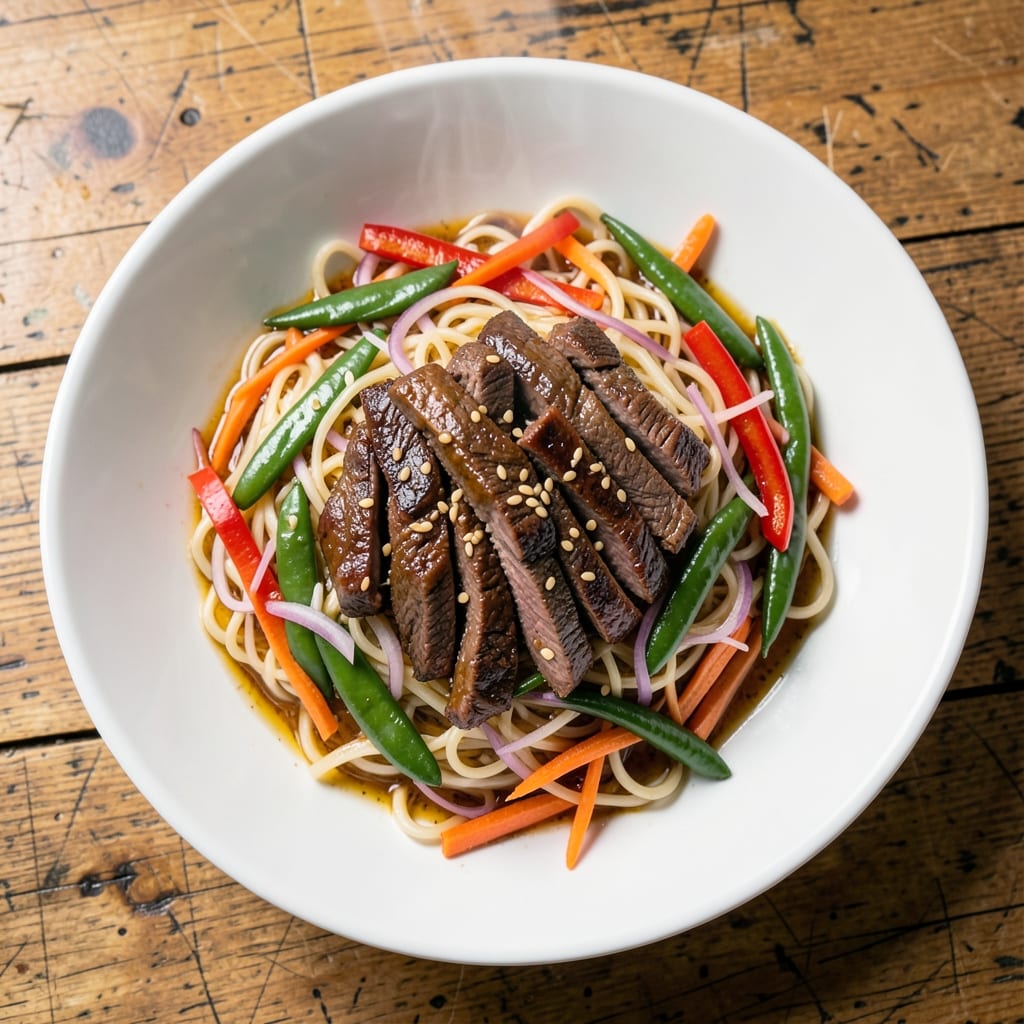
This awesome beef stir fry recipe delivers restaurant-quality results with tender beef, velvety rice noodles, and a charred pepper crunch that elevates every bite. The secret lies in high-heat searing and a balanced sauce that marries sweet, savory, and umami flavors without overpowering the natural taste of the beef. I've perfected this technique over years of testing, ensuring the beef stays juicy while the vegetables achieve that signature wok-char.
The foundation of this stir fry is properly marinated beef—thinly sliced flank steak that develops deep flavor from a simple soy-ginger-garlic marinade. While the beef rests, you'll quickly stir-fry an array of fresh vegetables, including bell peppers, snap peas, and carrots, which develop that essential charred texture when cooked at high heat. The rice noodles cook in the same pan, absorbing the rich stir-fry sauce while maintaining their signature chewiness.
What you'll end up with is a dish that's both elegant and satisfying—tender beef with a slight chew, crisp-tender vegetables, and noodles coated in a glossy sauce that's perfectly balanced between sweet and savory. The charred pepper crunch adds a textural contrast that makes each bite exciting. This recipe serves four and comes together in under 30 minutes, making it ideal for weeknight dinners or weekend gatherings.
Pair with steamed jasmine rice or a simple cucumber salad to round out the meal. The beauty of this stir fry lies in its adaptability—swap in your favorite vegetables or proteins, adjust the sauce to your preference, and make it your own. Let's get cooking!
Ingredients for awesome beef stir fry
These simple, quality ingredients come together for a restaurant-worthy stir fry.
| Ingredient | Amount | Notes |
|---|---|---|
| Flank Steak 🥩 | 1 lb | Thinly sliced against grain |
| Rice Noodles 🍜 | 8 oz | Flat, medium-width preferred |
| Bell Peppers 🌶️ | 2 whole | Red or green, sliced |
| Snap Peas 🌱 | 1 cup | Fresh or frozen, thawed |
| Carrots 🥕 | 2 medium | Julienned into matchsticks |
| Red Onion 🧅 | 1 whole | Thinly sliced |
| Garlic Cloves 🧄 | 4 cloves | Minced |
| Fresh Ginger 🌿 | 1 inch | Peeled, grated |
| Soy Sauce 🥢 | ⅓ cup | Low-sodium preferred |
| Honey 🍯 | 2 tbsp | Or maple syrup |
| Sesame Oil 🫒 | 1 tbsp | Toasted, for finishing |
| Vegetable Oil 🫒 | 2 tbsp | High smoke point |
| Salt 🧂 | 1 tsp | Kosher or sea salt |
| Black Pepper 🌶️ | ½ tsp | Freshly ground |
| Sesame Seeds 🌾 | 1 tbsp | Toasted for garnish |
The flank steak makes or breaks this dish—look for well-marbled cuts at the butcher counter. Costco or Whole Foods usually have great options, or just grab the pre-sliced kind from the meat section. Thinly slicing against the grain is key for tenderness, so ask your butcher to do it if they can. Rice noodles? Thai Kitchen brand is my go-to—they cook perfectly without turning mushy. For the bell peppers, red or green both work, but red adds a natural sweetness that pairs beautifully with the stir-fry sauce.
No flank steak? Sirloin or ribeye sliced thin will work in a pinch, though they're pricier. Fresh ginger not on hand? Ground ginger at half the amount gets you close, but fresh is ideal. The snap peas can be swapped for snow peas or broccoli florets—whatever you've got on hand. For the sauce, low-sodium soy sauce is crucial to avoid salt overload, and honey or maple syrup balances the savory flavors beautifully. The sesame oil should be toasted—Trader Joe's has a great one, or toast regular sesame oil in a dry pan for 2 minutes.
Prep the beef marinade first—it needs at least 30 minutes to tenderize. Store any leftovers in airtight containers for 3-4 days in the fridge. The noodles reheat beautifully with a splash of water—just microwave until warm. For extra flavor, toss with a little more sesame oil and a pinch of salt. This dish tastes even better the next day as the flavors meld together. Freeze portions for up to 3 months if you're prepping ahead.
Why You'll Love This Recipe
- One-Pan Magic: I swear by this recipe on nights when I’m too tired to wash extra dishes—just toss everything in one skillet, stir, and walk away. The flank steak caramelizes right alongside the veggies, so no flipping pans or separate cooking required.
- Umami Bomb: That seared flank steak? It’s the star, but the soy-ginger sauce tied with a splash of fish sauce turns this into something ridiculously addictive. The snap peas stay crisp, the carrots melt just enough, and the rice noodles soak up all the flavor—no bland bites here.
- Lunchbox Hero: Between us, this is my secret weapon for meal prep. I’ll make a big batch on Sunday, portion it into containers, and boom—grab-and-go lunches all week. The noodles stay separate until reheating, so they don’t turn mushy, and the beef keeps its perfect bite even after a few days.
- Budget Powerhouse: Flank steak is cheaper than you think when sliced thin, and rice noodles stretch further than regular pasta. Bell peppers and carrots last forever in the fridge, and I often swap in whatever’s on sale—like subbing zucchini for snap peas. Filling, satisfying, and won’t break the bank.
Step-by-step instructions for velvety beef stir fry
Let’s create a restaurant-worthy stir fry with tender beef, perfectly al dente rice noodles, and a sweet-savory sauce.
Prep and Marinate the Flank Steak
Slice the 1 lb flank steak thinly against the grain into strips about ¼-inch thick. This ensures tender bites—thick slices will stay chewy. Place the sliced steak in a bowl and mix with 0.33 cup soy sauce, 2 tbsp honey, 1 tbsp sesame oil, 1 tsp salt, and 0.5 tsp black pepper. Let it marinate for at least 20 minutes (or up to 2 hours in the fridge). The longer it sits, the more flavor it absorbs.
While the steak marinates, peel and grate 1 inch fresh ginger and mince 4 cloves garlic. These aromatics will infuse the sauce with depth. Keep them separate for now—they’ll join the stir fry later. The marinade should coat the steak evenly, so give it a quick stir before setting it aside.
Cook the Rice Noodles Al Dente
Rinse the 8 oz rice noodles under cold water to remove excess starch, then soak them in hot water for 8-10 minutes until pliable but still firm to the bite. Overcooking them now means they’ll turn mushy in the stir fry. Drain and set aside, tossing lightly with a bit of sesame oil to prevent sticking.
Here’s the trick: Undercooked noodles finish cooking in the hot pan, absorbing the sauce beautifully. If they’re too soft now, they’ll turn to paste. Test one noodle—it should hold its shape but yield slightly when pressed with a fork.
Stir-Fry the Vegetables for Crunch and Color
Heat 2 tbsp vegetable oil in a large skillet or wok over high heat until shimmering. Add the 2 medium julienned carrots, 1 cup snap peas, and 1 whole sliced red onion. Stir-fry for 3-4 minutes until the carrots soften slightly but still retain a bite. Add 2 whole sliced bell peppers and cook for another 2 minutes until they blister and char at the edges.
Remove the vegetables and set aside. The goal is to keep them vibrant and slightly crisp—overcooking will turn them soggy. If the pan starts smoking, reduce the heat slightly. The residual oil will help sear the beef next, so don’t wipe it out.
Sear the Beef and Combine Everything
Return the skillet to high heat and add the marinated steak in a single layer. Let it sear undisturbed for 1-2 minutes until browned on the bottom. Stir-fry for 2-3 minutes until the beef is cooked through but still tender. Add the minced garlic and grated ginger, stirring for 30 seconds until fragrant.
Pour in the reserved 1 cup snap peas and 2 whole sliced bell peppers (if not already cooked), then add the drained rice noodles. Toss everything together for 1-2 minutes until the noodles are heated through and coated in the sauce. The beef should be just warm, not reheated—it’ll stay tender.
Finish and Serve with Crunchy Garnishes
Remove the skillet from heat and drizzle with 1 tbsp toasted sesame oil. Toss gently to distribute. Taste and adjust seasoning with a pinch more soy sauce or honey if needed. The sauce should be glossy and balanced—sweet from the honey, savory from the soy, and umami-rich from the beef.
Transfer to serving plates, garnishing each portion with 1 tbsp toasted sesame seeds. The seeds add a nutty crunch that contrasts the soft noodles and tender beef. Serve immediately while everything is hot—this stir fry tastes best fresh out of the pan.
Pro Tips For Making Awesome Beef Stir Fry
- Slice Steak Against Grain: Flank steak’s muscle fibers run long—cutting perpendicular to them makes each bite tender. Use a sharp knife and slice before cooking, then freeze the strips for 15 minutes to firm up. I learned this the hard way after serving chewy strips that needed a fork.
- Blanch Veggies First: Bell peppers and carrots take forever to soften. Give them a 2-minute blanch in boiling water, then shock in ice water—this cuts stir-fry time by half. Snap peas stay crisp, so add them raw at the end. Sounds weird, but it works: your veggies stay bright and cook in seconds.
- Don’t Overcrowd the Pan: I used to dump everything in at once, and the beef turned soggy while the veggies steamed. Cook the steak in batches if needed—high heat, 1-2 minutes per side max—then push it aside and add veggies in waves. A crowded pan kills the sear you’re actually after.
- Soak Noodles Until Al Dente: Rice noodles turn mushy fast. Soak them in warm water until they’re pliable but still hold shape—about 10 minutes—then drain and toss with a splash of oil. Over-soaking is the fastest way to ruin texture. Trust the process: they’ll soften further in the pan.
Storing and reheating this awesome beef stir fry
Fridge Storage Tips
Store leftovers in an airtight container with a tight-fitting lid to keep the noodles from drying out. I like using glass Pyrex containers because they're microwave-safe and let me see the contents. Place the stir fry in the fridge within 2 hours of cooking to prevent bacterial growth. The flavors actually deepen overnight, so it tastes even better the next day! 💛
Freezer-Friendly Method
For long-term storage, portion the stir fry into quart-sized freezer bags—this makes reheating easier. Press out excess air before sealing to prevent freezer burn. Label with the date and freeze for up to 3 months. The beef and noodles retain their texture surprisingly well when reheated properly. Just don't freeze the sesame seeds—they'll lose their crunch. ❄️
Microwave Reheating
Pop the container in the microwave on medium power for 2-3 minutes, then stir and add 1-2 tablespoons of water to revive the noodles. Cover with a damp paper towel to trap steam. Heat in 30-second intervals until reaching 165°F internally. The beef should be warmed through but not overcooked—this keeps it tender. 🔥
Stovetop Refresh
For the best texture, reheat on the stovetop in a skillet over medium heat with 1 tablespoon of vegetable oil. Add a splash of water or beef broth to prevent sticking. Stir-fry for 3-4 minutes until everything is heated through. Finish with a drizzle of sesame oil and toasted sesame seeds right before serving for that restaurant-quality crunch. ✨
Noodle Revival Trick
If your reheated noodles seem dry, toss them with 1 teaspoon of toasted sesame oil and a pinch of salt. The oil adds moisture while enhancing flavor. For extra freshness, top with sliced green onions or crushed red pepper flakes—these brighten up the dish and cut through any reheating dullness. 🌱
Portion Control
Divide the stir fry into single-serving containers before storing to make reheating easier. This prevents you from microwaving the whole batch and ending up with soggy noodles. I like using small glass containers that fit perfectly in my microwave. Store the sesame seeds separately and sprinkle fresh when reheating for maximum crunch. 💡
Nutrition facts
Frequently asked questions
Can I use a different cut of beef instead of flank steak?
Sirloin or ribeye work well when sliced thinly against the grain. For extra tenderness, try flank steak or skirt steak—they're budget-friendly and packed with flavor. Avoid tougher cuts like chuck unless you're willing to marinate for 4+ hours.
How do I prevent the beef from getting chewy?
Slice the beef thinly against the grain (never with it) and marinate for at least 20 minutes—the acid in soy sauce helps tenderize. Cook over high heat for just 2-3 minutes until barely pink inside. Overcooking is the #1 culprit for chewy beef!
What's the best way to make this vegetarian?
Swap the beef for extra-firm tofu (pressed and cubed) or mushrooms (shiitake or oyster). Marinate the tofu in the same sauce for 15 minutes before cooking. Add 1 tbsp cornstarch to the sauce for extra thickness. For protein, include edamame or tempeh—they hold up well to stir-frying.
Can I make this ahead of time?
Yes! Assemble everything except the sesame seeds and store in an airtight container for up to 3 days. Reheat gently on the stovetop with a splash of water. For freezing, portion into quart-sized bags (without seeds) and freeze for 3 months. Always finish with fresh sesame seeds for crunch.
Why does my stir fry sauce taste too salty?
Use low-sodium soy sauce and reduce the amount by 1-2 tablespoons. Balance with honey or maple syrup—the sweetness cuts through saltiness. If it's still too strong, add 1-2 tablespoons of water or broth to dilute. Taste as you go!