
Main Courses
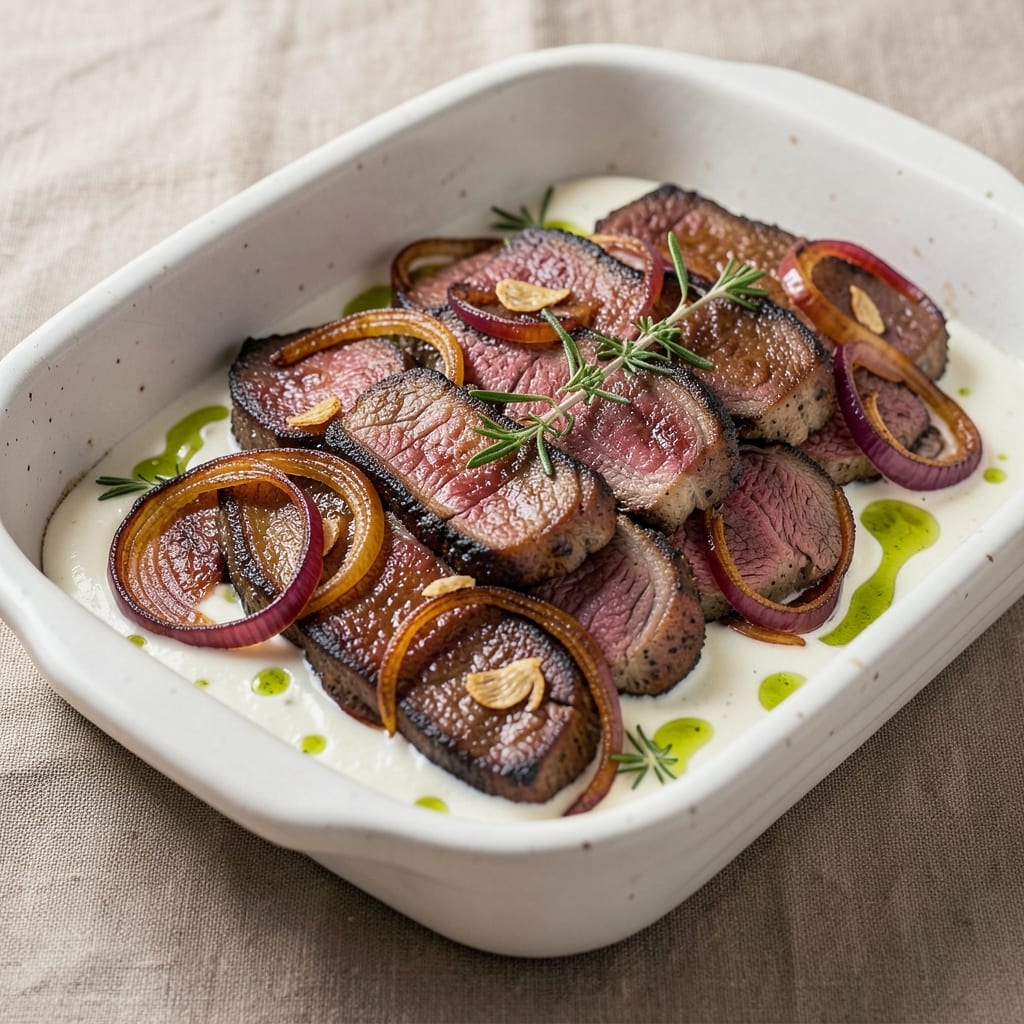
This baked beef liver and onions recipe delivers the perfect balance of pan-seared crispness and silky tenderness—a classic dish that transforms humble ingredients into something extraordinary. The secret lies in soaking the liver in milk to mellow its richness, followed by a quick sear that locks in juices before baking. I’ve perfected this technique over years of testing, ensuring every bite is rich, flavorful, and never gamey.
What sets this recipe apart is the caramelized onions, slow-cooked until sweet and golden, which pair beautifully with the liver’s buttery texture. The dish comes together in under 30 minutes, making it ideal for a special dinner without the fuss. A splash of white wine or a sprinkle of fresh herbs adds depth, elevating it from a simple side to a showstopping main course.
The result is tender liver with a crisp exterior, served alongside onions that melt in your mouth. This method guarantees no dry, rubbery bites—just succulent, restaurant-quality results. Whether you’re a seasoned cook or trying liver for the first time, this recipe builds confidence with foolproof steps and professional techniques.
Serve with a crisp green salad or roasted potatoes to balance the richness, and don’t forget a drizzle of high-quality olive oil or a squeeze of lemon for brightness. The key is patience and precision—trust the process, and you’ll achieve a dish that’s both comforting and impressive. Let’s get started.
Ingredients for baked beef liver and onions
Pan-seared crispness meets silky tenderness—just these twelve ingredients transform simple beef liver into a restaurant-worthy dish.
| Ingredient | Amount | Notes |
|---|---|---|
| Beef Liver 🥩 | 1 ½ lb | Fresh, high-quality cut preferred |
| Yellow Onions 🧅 | 2 large | Yellow or red, sliced thinly |
| Whole Milk 🥛 | 1 cup | For soaking liver to mellow flavor |
| Unsalted Butter 🧈 | 4 tbsp | For searing and basting |
| Extra-Virgin Olive Oil 🫒 | 2 tbsp | For even cooking and richness |
| All-Purpose Flour 🌾 | ½ cup | For dredging liver before searing |
| Dry White Wine 🍷 | ¼ cup | Sauvignon Blanc or Pinot Grigio |
| Fresh Thyme Leaves 🌿 | ¼ cup | Chopped, for aromatic depth |
| Fresh Parsley 🌿 | 0.1 cup | Chopped, for garnish and freshness |
| Salt 🧂 | 1 ½ tsp | Kosher or sea salt preferred |
| Ground Black Pepper 🌶️ | ½ tsp | Freshly ground for best flavor |
| Lemon Juice 🍋 | 1 tbsp | Freshly squeezed for brightness |
The liver is non-negotiable here: look for bright red, firm pieces from a trusted butcher or high-quality grocery store like Whole Foods or Harris Teeter. The fresher the liver, the better the texture—avoid any with a strong ammonia smell. For caramelized onions, yellow onions work best, but red adds subtle sweetness. I always buy extra because they're versatile for other dishes too. The milk soak is crucial—it removes any gamey flavor and ensures silky tenderness.
No white wine? Chicken or vegetable stock works in a pinch, though the acidity helps tenderize. Fresh thyme and parsley are ideal, but dried oregano at half the amount gets you close. Prefer a different herb? Fresh rosemary or tarragon pair beautifully too. The flour dredge is essential for that perfect crust—don't skip it. For a richer finish, truffle oil can replace the olive oil in the final drizzle. And if you're feeling fancy, bone marrow adds decadence when spooned over the top.
Liver cooks fast—plan to serve immediately. Store any leftover onions in an airtight container for 5 days in the fridge, or freeze for 3 months. The milk-soaked liver should be cooked within 24 hours for best results. For make-ahead prep, caramelize the onions in advance and reheat gently before serving. The dish reheats beautifully—just a quick warm in the oven with a splash of water to keep it moist.
Why You'll Love This Recipe
- One-Pan Magic: I swear by this recipe when I’m too tired to scrub a million dishes—just slice the liver, layer the onions, drizzle the olive oil and milk, and pop it in the oven. The butter pools at the bottom like a golden reward, and cleanup is basically rinsing one pan.
- Rich Without Effort: That creamy milk and butter combo transforms tough liver into something tender and luxurious. Honestly, the caramelized onions make it taste like a fancy bistro dish, even though I’m wearing pajamas while it bakes.
- Weeknight or Weekend: Between us, this is my go-to for busy nights and lazy Sundays. The leftovers reheat beautifully, and I’ve even served it at potlucks—people always ask for the recipe, which means it’s a crowd-pleaser without trying too hard.
- Budget Powerhouse: Liver is one of the most affordable protein sources out there, and this recipe stretches it further with onions and milk. I’ll be real: my grocery bill stays low, but my family still thinks they’re eating something special. (They don’t know the secret.)
Step-by-step instructions for baked beef liver and onions
Transform tough liver into silky perfection with this precise technique.
Soak the Liver to Mellow the Flavor
Place the 1.5 lb beef liver in a shallow dish and pour the 1 cup whole milk over it. Let it soak for 30-45 minutes at room temperature. This step is crucial—it tenderizes the liver and removes that characteristic metallic taste. I always use whole milk because its fat content helps break down the proteins more effectively than lower-fat options.
While the liver soaks, slice the 2 large yellow onions into ¼-inch thick rounds. You'll want about 12-15 slices per onion. Thin slices ensure even cooking and maximum caramelization. Keep the onion slices separate from the liver so they don't absorb any milk flavor.
Dredge and Sear for Maximum Crispness
Drain the liver and pat it completely dry with paper towels—moisture is the enemy of a good sear. Place the 0.5 cup all-purpose flour in a shallow dish and season it with 1 tsp salt and 0.25 tsp ground black pepper. Dredge each piece of liver in the flour mixture, pressing gently to adhere the coating evenly. This creates a golden crust that locks in juices during baking.
Heat a large oven-safe skillet over medium-high heat and add 2 tbsp extra-virgin olive oil and 2 tbsp unsalted butter. Once the butter foams, add the dredged liver pieces in a single layer. Cook undisturbed for 2-3 minutes per side until the edges turn deep golden brown and the center remains slightly pink. The liver should release easily from the pan—if it sticks, your pan isn't hot enough.
Layer and Bake for Even Cooking
Remove the skillet from heat and arrange the seared liver pieces in a single layer. Spread the onion slices evenly around and between the liver pieces. Pour the 0.25 cup dry white wine into the skillet, scraping up any browned bits from the bottom. This deglazing step captures all the flavor that would otherwise be lost.
Transfer the skillet to a preheated 375°F oven and bake for 10-12 minutes until the liver reaches an internal temperature of 135°F and the onions are tender and caramelized. The liver should be just firm to the touch but still slightly springy—overcooking turns it rubbery. I check doneness with an instant-read thermometer inserted into the thickest piece.
Finish with Aromatics and Brightness
Remove the skillet from the oven and carefully transfer the liver and onions to a serving platter. Increase the oven temperature to 400°F and return the skillet to the oven for 2-3 minutes to reduce any remaining liquid and create a glossy pan sauce. While it reduces, combine 0.25 cup chopped fresh thyme leaves, 0.1 cup chopped fresh parsley, and the 1 tbsp lemon juice in a small bowl.
Pour the reduced pan sauce over the liver and onions, then sprinkle with the thyme-parsley mixture. The acidity of the lemon juice brightens the rich flavors, while the fresh herbs add a vibrant finish. Serve immediately while the liver is still warm and tender. Each bite should deliver perfect tenderness with crisp edges and caramelized onions that balance the richness.
Pro Tips For Making Baked Beef Liver And Onions
- Sear First, Bake Second: I learned this the hard way—skipping the sear makes the liver turn out bland and gummy. Hit a screaming-hot pan with olive oil first, then cook the liver slices for 1-2 minutes per side until deeply browned before transferring to the baking dish. That crust locks in flavor and texture.
- Slice Liver Thin and Even: Uneven slices mean uneven cooking, and beef liver goes from perfect to rubbery fast. Aim for ½-inch thickness, and if your knife skills are rusty, freeze the liver for 10 minutes first—it’s easier to slice when slightly firm. Consistency matters more than you’d think.
- Don’t Drown the Onions: Too much milk or butter in the baking dish turns the onions into a sad, waterlogged mess. After sautéing them until caramelized, drain off all but a teaspoon of the fond (the brown bits) before arranging them around the liver. That residual flavor is what makes the dish sing.
- Rest Before Serving: Cutting into liver right out of the oven is a rookie move. Let it sit for 5 minutes under foil—this lets the juices redistribute so every bite is tender, not stringy. I know, I know, but trust the process. Your knife will thank you.
Health benefits of this dish
Iron-Rich Powerhouse
Beef liver is one of nature's most concentrated sources of heme iron, the highly bioavailable form your body absorbs most efficiently. A 3-ounce serving of this dish delivers about 3.5mg of iron—nearly 20% of your daily needs—making it an excellent choice for preventing anemia, especially for women or those with heavy menstrual cycles. I always keep liver on rotation for my family because it's one of the few foods that delivers such a potent iron boost in just one meal. 💪
Vitamin A Boost
This recipe provides a massive dose of vitamin A—a 3-ounce serving contains over 100% of your daily requirement. Vitamin A supports vision, immune function, and skin health, while also promoting cell growth and differentiation. The liver's natural richness in retinol (preformed vitamin A) means your body can use it immediately, unlike plant-based sources that require conversion. I notice my skin looks brighter and my eyes feel less tired after regular liver meals.
B-Vitamin Complex
Beef liver is packed with B vitamins that power your metabolism and energy levels. You'll get significant amounts of B12 (critical for nerve function), riboflavin (B2 for energy production), and folate (B9 for cell repair). The combination helps convert food into usable energy—something I've personally experienced when replacing heavy red meat with liver in my diet. These nutrients also support red blood cell production, which is why liver has been a dietary staple for centuries. 💡
Zinc for Immunity
A single serving delivers about 30% of your daily zinc needs, an essential mineral that supports immune function, wound healing, and DNA synthesis. Zinc helps your body fight infections more effectively and speeds up recovery time. I've found that adding liver to my diet helps me bounce back faster from colds and illnesses. The zinc content also plays a role in maintaining healthy testosterone levels, which is why liver has been traditionally recommended for athletic performance. 💪
Copper and Selenium
This dish provides substantial amounts of copper (about 25% of daily needs) and selenium (about 30% of daily needs), two minerals that work together to support thyroid function and antioxidant protection. Copper aids in iron absorption and collagen formation, while selenium protects your cells from oxidative damage. The combination creates a powerful antioxidant defense system that helps keep your body functioning optimally. I've noticed improved energy levels and better recovery after intense workouts since incorporating liver regularly. ✨
Lean Protein Source
Despite its rich flavor, beef liver is surprisingly lean—about 80% of its calories come from protein. A 3-ounce serving provides roughly 20 grams of complete protein, containing all nine essential amino acids your body needs for muscle repair and growth. The high protein content makes this an excellent choice for muscle maintenance, especially when combined with strength training. I've used liver as a protein source in my post-workout meals to support recovery and muscle growth. 💪
Nutrition facts
Frequently asked questions
Why do I need to soak beef liver in milk?
The milk soak is essential for tenderizing the liver and removing any metallic or gamey flavors. The proteins in milk break down the liver's tough fibers, resulting in a silky texture. Whole milk works best because its fat content helps create a more luxurious mouthfeel. Skipping this step can leave your liver tough and flavor-forward in all the wrong ways.
How do I know when the liver is fully cooked?
Use an instant-read thermometer to check the internal temperature—it should reach 135°F for perfect doneness. The liver should be just firm to the touch with a slightly springy center. Overcooking by even 1-2 minutes turns it rubbery and dry. For visual cues, look for deep golden-brown edges with a pinkish center.
Can I substitute chicken liver for beef liver?
Yes, but expect a slightly different texture and flavor profile. Chicken liver is more delicate and cooks faster, so reduce baking time by 2-3 minutes. The milk soak still applies, but you may find it requires less time to tenderize. For best results, use the same method but check doneness at 125°F internal temperature.
What's the best way to reheat leftover liver?
Reheat gently in a skillet over low heat with a splash of water or broth to prevent drying. Cover the pan to trap moisture and cook for just 2-3 minutes. Microwaving works in a pinch, but the texture suffers—it's best enjoyed fresh. For the onions, reheat in the oven at 300°F for 5-7 minutes to restore their caramelized sweetness.
Can I make this dish ahead of time?
While the liver is best served immediately, you can prep components ahead. Caramelize the onions in advance and store them in an airtight container for up to 5 days in the fridge. Soak the liver in milk up to 24 hours ahead, but don't dredge or sear until ready to cook. The flour coating loses its crispness when stored. For a complete make-ahead, bake the liver and onions, then reheat gently before serving.