
Soups & Stews
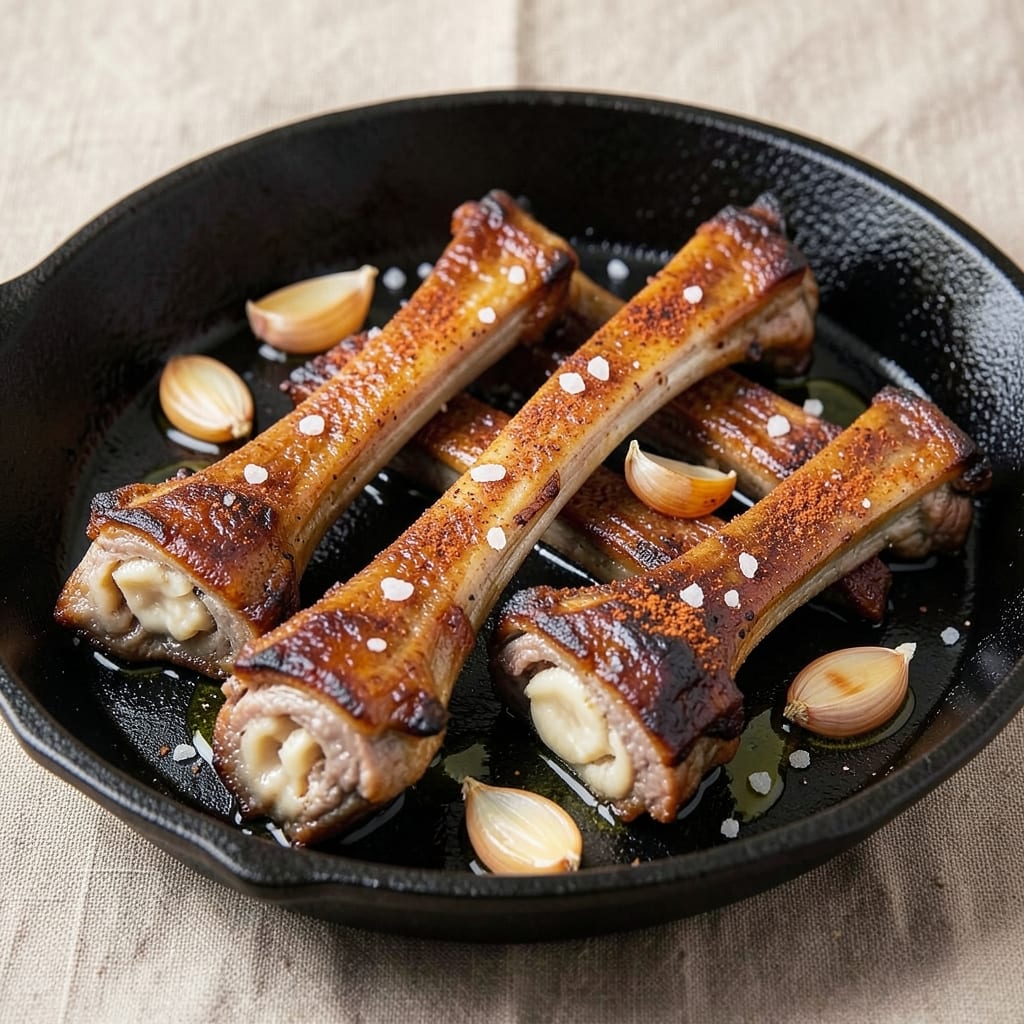
Slow-roasting the baked beef neck bones recipe for six hours unlocks a deep umami crunch that transforms tough cuts into melt-in-your-mouth perfection. This technique, rooted in soul food traditions, builds rich, caramelized flavors while keeping the bones tender and crisp at the edges. The key lies in patience—letting collagen render slowly into a luscious, gelatinous broth that clings to every bite.
What sets this recipe apart is the balance of high-heat searing followed by low-and-slow baking, which creates a crispy exterior while maintaining a fork-tender interior. Seasoning with smoked paprika and garlic powder enhances the natural beefy flavor, while a splash of apple cider vinegar brightens the dish. The result is a dish that’s equally at home on a Sunday supper table or as a centerpiece for a holiday feast.
By the final hour, your kitchen will fill with an irresistible aroma—a mix of caramelized bone, savory spices, and the sweetness of slow-roasted meat. The bones themselves become a textural revelation: crispy enough to satisfy a crunch craving but tender enough to fall apart with minimal effort. This is comfort food elevated, where every bite delivers layers of flavor built over hours.
Serve these bones with crusty bread to soak up the rendered juices or pair them with roasted root vegetables for a hearty meal. The leftovers make an even better soup the next day, proving this recipe’s versatility. Ready to master this slow-cooked classic?
Ingredients for baked beef neck bones
Six ingredients transform tough neck bones into crisp-tender, umami-rich masterpieces through slow roasting.
| Ingredient | Amount | Notes |
|---|---|---|
| Beef Neck Bones 🦴 | 3 lb | Raw, untrimmed for maximum collagen |
| Olive Oil 🫒 | ¼ cup | Extra-virgin for high smoke point |
| Smoked Paprika 🌶️ | 2 tbsp | Hungarian variety for authentic depth |
| Garlic Powder 🧄 | 1 ½ tbsp | Freshly ground for enhanced aroma |
| Kosher Salt 🧂 | 1 ½ tbsp | Diamond Crystal preferred for purity |
| Ground Black Pepper 🌶️ | 1 tbsp | Freshly cracked for robust flavor |
| Apple Cider Vinegar 🍎 | 2 tbsp | Unfiltered for tangy brightness |
| Fresh Rosemary 🌿 | ¼ cup | Finely chopped sprigs for herbal notes |
| Fresh Thyme 🌿 | ¼ cup | Leaves only, stems removed |
| Beef Bone Broth 🍲 | 1 ½ cups | Homemade preferred, low-sodium |
| Yellow Onion 🧅 | 1 whole | Large, halved for aromatics |
| Carrots 🥕 | 4 whole | Medium, whole for natural sweetness |
| Celery Stalks 🥬 | 3 whole | Fresh, cut into 2-inch pieces |
| Bay Leaves 🍃 | 2 whole | Dried, high-quality preferred |
The beef neck bones form the foundation—look for raw, untrimmed cuts with visible marrow channels at your butcher or Costco's bulk section for the best value. Penzeys Spices carries exceptional smoked paprika if you want to elevate the flavor profile beyond standard grocery store options. Fresh herbs like rosemary and thyme should be bright green and fragrant, indicating peak freshness. For the bone broth, homemade is ideal—simmer beef bones with vegetables for 12-24 hours—but low-sodium store-bought works in a pinch when time is limited. The key to success lies in selecting bones with ample connective tissue, as this collagen-rich component transforms into gelatin during the slow roast, creating that signature melt-in-your-mouth texture.
No smoked paprika? Substitute with a mix of regular paprika and a pinch of liquid smoke—start with 1/4 tsp liquid smoke per tablespoon of paprika. Fresh herbs unavailable? Dried thyme at one-third the amount provides a similar earthy backbone, though fresh delivers superior aroma. Apple cider vinegar can be replaced with white vinegar or lemon juice for acidity, though the apple notes enhance the overall complexity. For the aromatics, frozen vegetables work perfectly if fresh aren't available, though they'll contribute slightly less natural sweetness. The beef bone broth is non-negotiable for depth—chicken broth lacks the umami richness needed for this dish, though it can be used in a 1:1 ratio if absolutely necessary. When selecting onions, yellow or red varieties provide the best balance of sweetness and sharpness for this application.
Store any unused beef neck bones in a sealed container in the freezer for up to 6 months—they'll maintain their flavor and collagen content perfectly. The rendered juices from the roasted bones make an exceptional base for soups or gravies and can be refrigerated for 5 days or frozen for 3 months. For optimal texture, reheat bones from room temperature in a 350°F oven for 10-15 minutes rather than microwaving, which can make them rubbery. The crispy edges are best enjoyed immediately, though the tender meat remains delicious for 3-4 days when properly stored. Portion the bones into individual serving containers before freezing for quick meal assembly later—simply reheat and serve with crusty bread or roasted vegetables.
Why You'll Love This Recipe
- No-Fuss Prep: Between us, this takes less effort than boiling water. Just toss those beef neck bones on a sheet pan, drizzle with olive oil, sprinkle the smoked paprika and garlic powder, and let the oven do the work. No chopping, no marinating, no babysitting.
- Deep, Smoky Magic: That smoked paprika? It clings to the bones like a second skin, giving you this perfect balance of savory and subtle heat. The garlic powder melts into the beef as it bakes, creating layers of flavor that make you want to lick the pan.
- Leftovers That Shine: I swear by these bones for lazy Sundays—reheat them in the oven until crispy again, or shred the meat for tacos, sandwiches, or even a hearty soup. Honestly, the second day often feels better than the first.
- Budget Bone Steal: A pound of beef neck bones costs less than half what you’d pay for steak, but the flavor? It’s the kind of rich, meaty goodness that makes you forget you’re being thrifty. Plus, you’re getting double the bang for your buck with both the meat and the bones themselves.
Step-by-step instructions for slow-roasted beef neck bones
Transform tough neck bones into deeply flavorful, crispy-edged morsels with this precise slow-roasting method.
Prepare the Bones and Seasoning Base
Preheat your oven to 300°F with the rack positioned in the center. Pat the 3 lb beef neck bones completely dry with paper towels—this is critical for achieving that coveted crunch. Place them in a large roasting pan or Dutch oven, arranging them in a single layer without crowding.
In a small bowl, whisk together the 0.25 cup extra-virgin olive oil, 2 tbsp smoked paprika, 1.5 tbsp garlic powder, 1.5 tbsp kosher salt, and 1 tbsp freshly cracked black pepper until fully emulsified. This aromatic oil will penetrate the bones during roasting, infusing them with deep, smoky flavor. Pour this mixture evenly over the bones, coating them thoroughly on all sides.
Build the Aromatic Vegetable Base
Halve the 1 whole yellow onion and place it cut-side down over the bones. Cut the 4 whole carrots and 3 whole celery stalks into 2-inch pieces and scatter them evenly around the bones. Add the 2 whole bay leaves and the 2 tbsp apple cider vinegar to the pan. The vinegar adds brightness that cuts through the richness of the meat.
Pour the 1.5 cups beef bone broth into the pan, being careful not to submerge the bones completely. The broth should partially cover the vegetables and create steam during roasting. Sprinkle the 0.25 cup finely chopped fresh rosemary and 0.25 cup fresh thyme leaves over the top. The herbs will release their essential oils into the fat as they roast, creating layers of complex flavor.
Slow-Roast Until Deeply Caramelized
Cover the pan tightly with aluminum foil and place it in the preheated oven. Roast for 4 hours at 300°F, maintaining complete darkness in the oven to prevent premature browning. After 4 hours, remove the foil and increase the oven temperature to 375°F. This uncovered phase is where the magic happens—the exposed bones will begin to develop that prized crispy exterior.
Continue roasting for an additional 2 hours, basting the bones with their rendered juices every 30 minutes using a basting brush. You'll notice the bones darken to a deep mahogany color and the vegetables caramelize beautifully. The bones should pull away from the bone easily when tested with tongs, indicating they're ready. If they're not yet crispy enough, return them to the oven for 15-30 minutes at 400°F.
Rest and Serve with Rendered Flavors
Transfer the roasted bones to a serving platter, arranging them with the vegetables. Tent loosely with foil and let them rest for 15 minutes before serving. This resting period allows the juices to redistribute, ensuring each bite is moist and flavorful. The bones should have a satisfying crunch that gives way to tender meat when bitten into.
Serve the bones immediately, accompanied by the caramelized vegetables and any rendered juices in the pan. The bones will continue to release their rich, umami-filled fat as they cool, creating a sauce that enhances every bite. For maximum flavor, serve with crusty bread to soak up those precious juices or alongside roasted potatoes and braised greens.
Pro Tips For Making Baked Beef Neck Bones
- Preheat Pan Like It’s 1985: I learned this the hard way—cold pans make sad, greasy beef neck bones. Get that oven or skillet screaming hot (425°F or higher) before the bones hit the oil. The initial sear locks in flavor and keeps them from steaming like sad, limp leftovers. ---
- Salt Bones First, Then Wait: Slap on that kosher salt before searing—let it sit for 20 minutes. Sounds weird, but it works: the salt draws out moisture, so when you hit it with olive oil, you get a proper crust instead of a sticky mess. (Yes, even if you’re impatient like me.) ---
- Skip the Overcrowding: Beef neck bones need room to breathe—don’t stack them like firewood. Overcrowding steams them instead of browning, and you’ll end up with bland, waterlogged bones. Work in batches if needed; your patience here makes a real difference. ---
- Deglaze with a Splash: After searing, don’t just toss in the spices dry. Add a splash of water or broth (even just 2 tablespoons) to the pan first, scrape up those browned bits, then mix in the smoked paprika and garlic powder. That’s where the magic flavor hides—don’t waste it.
Perfect pairings for these flavors
Crusty Bread Pairing
Nothing complements these slow-roasted bones like a freshly baked baguette or sourdough loaf from your local bakery. The crispy crust soaks up the rendered juices beautifully, creating a textural contrast that elevates every bite. I recommend Brioche bread for its buttery richness or rustic Italian bread for a heartier option. Warm the bread in the oven at 350°F for 5 minutes before serving to enhance its aroma and texture. 🥖
Roasted Root Vegetables
For a complete meal, serve the bones alongside roasted root vegetables like carrots, parsnips, and sweet potatoes. Toss them in 2 tbsp olive oil, 1 tsp smoked paprika, and ½ tsp salt, then roast at 400°F for 30-40 minutes until caramelized. The natural sweetness of the vegetables balances the savory depth of the bones, creating a harmonious plate. I often add a sprinkle of fresh parsley for brightness.
Creamy Polenta
A creamy polenta made with 1 cup polenta, 4 cups chicken broth, and 2 tbsp butter adds a comforting element to the dish. Cook the polenta over medium heat for 20-25 minutes, stirring frequently, until thick and smooth. Stir in a splash of grated Parmesan cheese and a pinch of black pepper before serving. The mild, creamy texture contrasts perfectly with the crispy bones. 🍲
Spicy Mustard Sauce
For an extra layer of flavor, whip up a quick Dijon mustard sauce by mixing ¼ cup mayonnaise, 2 tbsp Dijon mustard, 1 tbsp apple cider vinegar, and a pinch of cayenne pepper. Drizzle this tangy sauce over the bones or serve it on the side for dipping. The heat and acidity cut through the richness of the meat, adding a refreshing contrast. I like to garnish it with chopped chives for a pop of color.
Simple Green Salad
A light green salad with crisp greens like arugula or mixed lettuce adds freshness to the rich, hearty bones. Toss the greens with 2 tbsp olive oil, 1 tbsp balsamic vinegar, and a pinch of salt and pepper. Top with toasted pine nuts or crumbled feta cheese for added texture. The acidity of the dressing helps cleanse your palate between bites of the savory bones. 🥗
Beer Pairing
To complement the deep, umami flavors of the beef neck bones, pair your meal with a malty amber ale or dark lager. The caramel and toasty notes in these beers enhance the roasted flavors of the dish. I love Samuel Adams Boston Lager or Guinness for their smooth, slightly sweet profiles. For a lighter option, a crisp pilsner like Heineken works well, balancing the richness without overpowering the dish. 🍺
Nutrition facts
Frequently asked questions
Why do beef neck bones need such a long baking time?
The 6-hour slow roast transforms tough collagen into tender gelatin, creating that signature melt-in-your-mouth texture. The low-and-slow method also allows flavors to develop deeply while preventing the bones from drying out. This technique is especially important for connective tissue-rich cuts like neck bones.
Can I use beef neck bones with meat still attached?
The recipe works best with bones that still have some meat attached—this adds extra flavor and moisture during roasting. Just trim any large fat chunks before seasoning. If using completely bare bones, you may need to add 1/4 cup extra beef broth to compensate for lost juices.
What's the best way to store leftovers?
Store bones in an airtight container with their rendered juices for up to 4 days in the fridge. For longer storage, freeze for 3 months. Reheat gently in a 350°F oven for 15 minutes to maintain crispiness. The juices can be refrigerated separately for 5 days or frozen for 3 months for soups or gravies.
Can I make this recipe in a slow cooker instead?
Yes, but with adjustments: use the same ingredients but cook on low for 8-10 hours (covered). For crispy edges, transfer to a 400°F oven for the final 30 minutes uncovered. The slow cooker method works well but may yield slightly less caramelization than oven-roasting.
How do I know when the bones are perfectly done?
The bones are ready when they're deep mahogany brown with crispy edges that give way to tender meat when pressed with tongs. The vegetables should be caramelized but not burnt. If they're not crispy enough, return to 400°F for 15-30 minutes uncovered until golden and crunchy.