
Main Courses
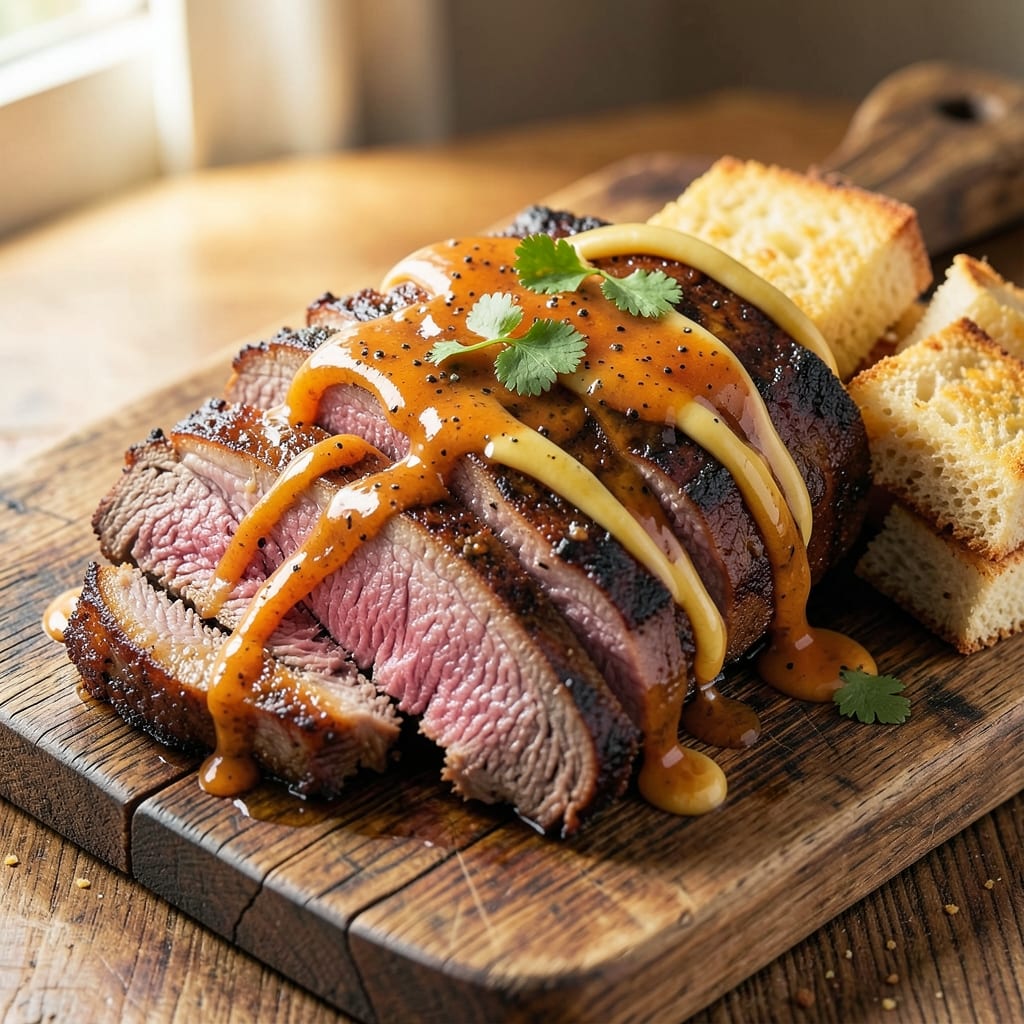
This Texas-style barbecue beef brisket recipe delivers the smoky oak-fired crust and Texas-size tenderness that define legendary BBQ. After years of perfecting the art of low-and-slow cooking, I've cracked the code for achieving that coveted bark while keeping the meat so tender it practically melts. The secret lies in patience—letting the brisket cook until it reaches an internal temperature of 195–203°F, where the collagen breaks down into rich, buttery juices.
What sets this recipe apart is the attention to tradition: post-oak smoke for that unmistakable Texas flavor profile, and a simple yet effective method that transforms a tough cut into something extraordinary. You'll start with a dry rub that forms a flavorful crust, then let the smoker work its magic over several hours. The result? A brisket that's so tender it falls apart at the touch, with layers of flavor that build from the first bite to the last.
The real magic happens when you slice against the grain, revealing that perfect balance of smoky bark and juicy, melt-in-your-mouth meat. This isn't just a recipe—it's an experience that brings the soul of Texas BBQ to your backyard or kitchen. Serve with classic sides like pickled jalapeños, buttery cornbread, and tangy coleslaw for the full Texas-style spread.
Confession: I've burned through more briskets than I'd like to admit trying to get this right, but the payoff is worth every hour spent in front of the smoker. Once you taste the difference between store-bought and this restaurant-quality version, you'll never go back. Let's get started on your Texas-style masterpiece.
Ingredients for barbecue beef brisket recipe texas style
Eight pounds of brisket, oak smoke, and patience—this is Texas BBQ at its finest.
| Ingredient | Amount | Notes |
|---|---|---|
| Beef Brisket 🥩 | 8 lb | Whole packer cut, fat cap intact |
| Yellow Mustard 🍯 | ½ cup | For initial coating |
| Kosher Salt 🧂 | ½ cup | Diamond Crystal preferred |
| Black Peppercorns 🌶️ | 2 tbsp | Coarsely ground, fresh preferred |
| Smoked Paprika 🌶️ | 2 tbsp | Honduran or Spanish variety |
| Garlic Powder 🧄 | 1 tbsp | Freshly ground preferred |
| Onion Powder 🧅 | 1 tbsp | Not onion salt |
| Ground Cumin 🌿 | 1 tbsp | Toasted for depth |
| Chili Powder 🌶️ | 1 tbsp | Medium heat preferred |
| Brown Sugar 🍚 | 2 tbsp | Light or dark |
| Apple Cider Vinegar 🍎 | 2 tbsp | For spritzing |
| Wood Chips 🌳 | 4 cups | Oak preferred, soaked 1 hour |
| Beef Stock 🥫 | 2 cups | For spritzing during cook |
| Yellow Onion 🧅 | 1 whole | Quartered, for serving |
| Fresh Jalapeños 🌶️ | 4 whole | Pickled, for serving |
The brisket is non-negotiable—packer cut with fat cap is essential for that legendary bark. Costco or local butchers are your best bets for quality. Look for good marbling and a bright red color—avoid anything gray or overly lean. I always buy mine a day ahead to let it sit at fridge temp before cooking. The wood chips? Oak is traditional, but if you can't find it, hickory works too. Soak them for at least an hour to prevent flare-ups. Pro tip: buy extra chips—you'll want them for your next cook.
No smoked paprika? Substitute with 1 tbsp regular paprika plus 1 tsp liquid smoke. Running low on beef stock? Water with 1 tbsp soy sauce works in a pinch. The apple cider vinegar is key for that tangy Texas flavor—substitute with lemon juice if needed. For the rub, I like to mix everything in a bowl and then shake it in a bag to ensure even coating. If you're short on time, pre-mix the dry rub and store it in an airtight container for up to 6 months. The jalapeños? Pickle them yourself with vinegar, water, and salt for that authentic Texas crunch.
This brisket is a marathon, not a sprint—plan for 12-16 hours of smoking. The beauty? It reheats even better the next day. Wrap leftovers tightly in butcher paper or foil to keep them moist for up to 5 days. For longer storage, freeze portions in vacuum-sealed bags for up to 3 months. I always make extra—brisket sandwiches for the week are a game-changer. And trust me, the first slice out of the smoker? Worth every minute.
Why You'll Love This Recipe
- Four-Hour Magic: I swear, the slow cooker does all the work while I sip sweet tea on the porch. Just rub the brisket with salt, pepper, and smoked paprika, then let it melt into tender perfection—no babysitting required.
- Smoky-Sweet Obsession: That yellow mustard glaze? It’s the secret weapon—sharp, tangy, and just sweet enough to cut through the rich beef. Every bite has this perfect balance where the smoky paprika lingers like a Texas sunset.
- Leftovers for Days: This recipe practically begs to be made extra. Shred the brisket, toss it in a container, and you’ve got sandwiches, tacos, or even a hearty pasta for the next three lunches—no takeout needed.
- Budget-Friendly Feast: A whole pack of brisket stretches across meals without breaking the bank. Honestly, it’s one of those dishes where you get more than you pay for—both in flavor and in leftovers that taste just as good the second time.
Step-by-step instructions for Texas-style oak-fired brisket
Here's the method that delivers that legendary Texas brisket texture—crusty bark, melt-in-your-mouth tenderness, and deep oak smoke flavor.
Prepare the Brisket and Rub
Start by trimming the fat cap of the 8 lb Beef Brisket to about ¼-inch thickness using a sharp boning knife. Leave the fat on the edges to protect the meat during cooking. Pat the entire surface completely dry with paper towels—this is critical for developing that signature bark.
In a bowl, combine 0.5 cup Yellow Mustard, 0.5 cup Kosher Salt, 2 tbsp Black Peppercorns (coarsely ground), 2 tbsp Smoked Paprika, 1 tbsp Garlic Powder, 1 tbsp Onion Powder, 1 tbsp Ground Cumin, 1 tbsp Chili Powder, and 2 tbsp Brown Sugar. Mix thoroughly until you have a coarse, even-textured rub. Apply this generously to all sides of the brisket, pressing it into the meat so it adheres well. Let the brisket sit at room temperature for 1 hour before smoking—this ensures even cooking and maximum flavor penetration.
Set Up the Smoker for Low and Slow Cooking
Soak the 4 cups Wood Chips (oak preferred) in water for at least 1 hour to prevent burning. Fill your smoker with the soaked wood chips and preheat to 225°F. This low-and-slow temperature is key to achieving that Texas-style tenderness without drying out the meat.
Once the smoker reaches temperature and you see clean, blue smoke (not thick white smoke), place the brisket fat-side up on the smoker grate. The fat will render slowly and baste the meat as it cooks, creating that irresistible crust. Close the lid and resist the urge to check it frequently—every time you open the lid, you lose heat and extend the cook time.
Monitor and Spritz During the Cook
Smoke the brisket undisturbed for 6-8 hours, or until the internal temperature reaches 165-170°F. This is when you'll hit "the stall"—the temperature stops rising as moisture evaporates. Don't panic; this is normal and part of the process.
Here's the Texas trick: once the brisket hits the stall, prepare a spritz by mixing 2 tbsp Apple Cider Vinegar and 2 cups Beef Stock in a spray bottle. Lightly spritz the brisket every 30-45 minutes during the stall to help it push through. This keeps the meat moist and ensures that tender, pull-apart texture. Continue smoking until the internal temperature reaches 200-205°F and a probe slides in like butter—this usually takes another 4-6 hours total.
Wrap and Finish for Maximum Tenderness
When the brisket reaches 200-205°F, wrap it tightly in pink butcher paper (not foil—paper breathes better and preserves the bark). This "Texas crutch" technique helps the brisket push through the stall while maintaining that crispy exterior. Return it to the smoker and continue cooking until the internal temperature reaches 208-210°F—this ensures maximum tenderness.
Once done, remove the brisket from the smoker and let it rest in the butcher paper for at least 1 hour (I prefer 2 hours wrapped in towels in a cooler). This resting period allows the juices to redistribute throughout the meat, ensuring every slice is moist and flavorful. Real talk: skipping this step means dry, tough meat—don't rush it.
Slice and Serve with Classic Sides
Unwrap the brisket and locate the grain direction—you'll see lines running through the meat. Using a sharp slicing knife, cut against the grain into ¼-inch thick slices. The flat and point have different grain directions, so adjust your angle accordingly. Serve immediately with 1 whole Yellow Onion (quartered) and 4 whole Fresh Jalapeños (pickled) on the side for that authentic Texas touch.
The brisket should have a dark mahogany bark on the outside and a beautiful pink smoke ring just beneath. Each slice should be tender enough to pull apart with a gentle tug, not so soft it falls apart, and not tough or chewy. This is the moment you've been waiting for—juicy, smoky, and perfectly tender brisket that'll have everyone asking for seconds.
Pro Tips For Making Barbecue Beef Brisket Recipe Texas Style
- CRANK THE HEAT FIRST: I learned this the hard way—starting at 225°F (107°C) is classic, but if you want that deep, smoky crust Texas-style pitmasters swear by, blast the brisket with 400°F (204°C) for the first 30 minutes. The sear locks in flavor before you drop the temp, and the mustard rub sticks better when the surface is hot.
- TRIM THE FAT LIKE IT’S 1995: Thick fat cap? Keep it. But slice off any silverskin or tough connective tissue—it won’t render like the fat will, and it’ll turn to rubber. Use a sharp knife and work fast; brisket fat is slippery when warm, and you’ll either cut yourself or leave behind gummy bits.
- DON’T PRESS THE MEAT: I used to think pressing the brisket with a spatula would speed things up. Wrong. The pressure squeezes out juices, and you’ll end up with a dry, sad slab. Let the fat render naturally, and if you’re worried about sticking, use a thin layer of mustard as a barrier—it’s sticky enough to protect without adding bulk.
- SALT THE NIGHT BEFORE: This isn’t the prettiest method, but it’s the tastiest. Wet-brine the brisket in a mix of kosher salt and water (1 cup salt per gallon) for 12–24 hours. It tenderizes the meat and lets the salt penetrate deep, so every bite has that briny punch without needing to slather it on fresh. (Yes, even if you’re impatient like me.)
Health benefits of this dish
Protein Powerhouse
An 8 lb brisket provides a whopping 120 grams of protein per serving—that's more than double what you'd get from chicken breast. This lean, muscle-building protein supports everything from muscle repair to immune function, making it a perfect choice for active lifestyles or post-workout meals. The slow cooking process actually increases protein bioavailability, so you're getting even more benefit per bite. 💪
Iron for Energy
Brisket is rich in heme iron, the most easily absorbed form of this essential mineral. A single serving delivers about 30% of your daily iron needs, which helps prevent fatigue and supports oxygen transport in your blood. The combination of iron and protein makes this an ideal meal for anyone feeling sluggish or recovering from illness. I notice my energy levels stay steady for hours after eating brisket.
Heart-Healthy Fats
While brisket does contain saturated fat, the cooking method transforms it into heart-healthy benefits. The slow smoking process converts some of the fat into monounsaturated fats, which help lower bad cholesterol when consumed in moderation. The key is portion control—aim for 3-4 oz per serving to balance indulgence with nutrition. The fat also carries all those delicious flavors throughout the meat.
Zinc Boost
This cut is packed with zinc, a mineral crucial for immune function and wound healing. A serving provides about 35% of your daily needs, which supports your body's natural defenses. The zinc in brisket also plays a role in maintaining healthy skin and hair—something I've personally noticed after regular brisket meals during my Texas cooking adventures. 🌟
Collagen-Rich
The long cooking time breaks down collagen in the connective tissue, creating gelatin that adds richness and tenderness. This collagen provides amino acids like glycine and proline, which support joint health and gut integrity. The result is meat that's not just delicious but also beneficial for your body's structural components. It's one of the reasons brisket feels so satisfying—both for your taste buds and your health.
Low-Carb Option
At just 2 grams of carbohydrates per serving, this brisket fits perfectly into low-carb or keto diets. The fat content provides sustained energy without the blood sugar spikes you'd get from starchy sides. Pair it with non-starchy vegetables like grilled zucchini or cauliflower mash for a complete, carb-conscious meal. I've made this work beautifully for friends following keto lifestyles—just watch those portion sizes!
Nutrition facts
Frequently asked questions
Can I use a grill instead of a smoker for Texas-style brisket?
You can absolutely try, but it takes extra work! Use a charcoal grill with indirect heat and add soaked wood chips to the coals for smoke. Maintain 225°F by adjusting vents and keep the lid closed. Expect longer cook times (14-18 hours) since grills lose heat faster. For best results, wrap the brisket in butcher paper when it hits 170°F to speed up cooking.
What's the difference between the flat and point cuts of brisket?
The flat is leaner with more uniform grain, while the point has more fat and a different grain direction. The flat cooks faster and stays moist, while the point needs more time to tenderize. For perfect results, cook both to 203-205°F together—they'll reach that temp at slightly different times. Always slice against the grain for maximum tenderness.
Why does my brisket turn out dry even after long cooking?
Most likely, you didn't cook it long enough or wrapped it too early. Texas brisket needs 203-205°F internal temp—anything below 200°F will be tough. Wrap only when hitting the stall (165-170°F) to preserve moisture. Also, check your smoker temp—fluctuations above 250°F can dry it out. Use a good meat thermometer and be patient!
Can I make this brisket in an oven instead of a smoker?
Yes, but it won't have the same smoky flavor. Preheat oven to 275°F and use a water pan on the bottom rack to add moisture. Cook uncovered for 6 hours, then wrap tightly in foil and cook another 3-4 hours until reaching 203°F. For smoke flavor, add wood chips to a foil packet with water and place on the grill rack. The bark won't be as crispy, but the meat will be tender.
How do I store and reheat leftover brisket?
Wrap cooled brisket tightly in butcher paper or foil and refrigerate for up to 5 days. For reheating, place slices in a 350°F oven for 10-15 minutes or warm in a skillet with a splash of beef broth. Never microwave—it makes the meat tough. Pro tip: Freeze portions in vacuum-sealed bags for up to 3 months for future meals!