
Main Courses
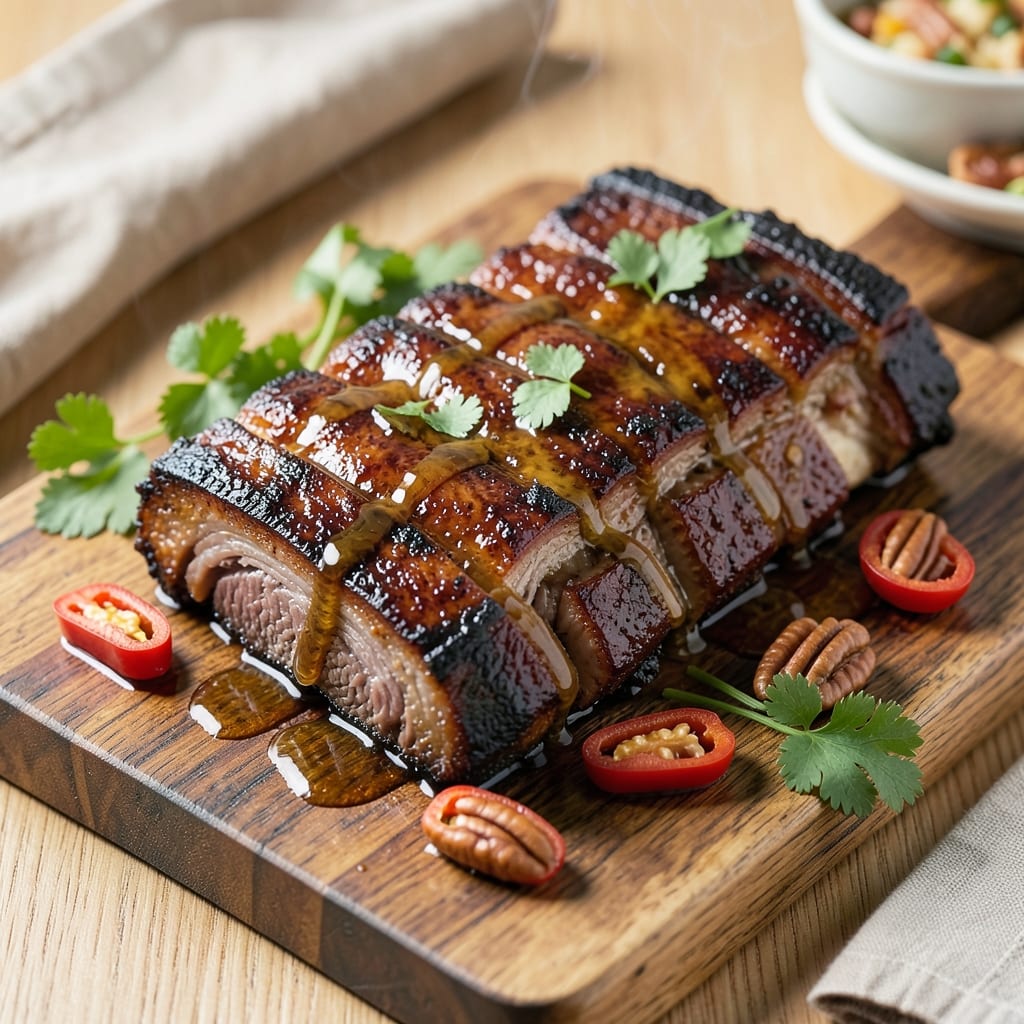
Barbecued beef back ribs transform tough meat into melt-in-your-mouth perfection when you master the slow-and-low approach. I still remember the first time I cooked them—those first bites of tender meat falling off the bone, with a smoky crust that crackled like autumn leaves. This recipe delivers restaurant-quality ribs at home, using a simple rub and precise cooking method that ensures every bite is juicy and flavorful.
The secret lies in patience and temperature control. We'll start with a dry rub that creates a deep, caramelized bark while keeping the meat tender inside. The ribs cook low and slow—around 225°F—for hours until they're so tender they practically fall apart. This method builds layers of flavor that transform tough cuts into something truly special, something that makes your kitchen smell like a backyard cookout on a crisp fall day.
By the time you're done, you'll have ribs with a perfectly balanced bark—crispy on the outside, tender and juicy on the inside. The rub infuses every bite with smoky, spicy, and slightly sweet notes, creating a harmony that's hard to resist. These ribs are worth the time and effort, especially when served with classic sides like tangy coleslaw or buttery cornbread to soak up every last bit of that delicious sauce.
Whether you're hosting a gathering or treating yourself to a slow-cooked meal, these ribs are a showstopper. The technique is straightforward, but the results are restaurant-quality—something that'll have everyone asking for seconds. Let's get started on creating ribs that'll have your guests raving for weeks.
Ingredients for barbecued beef back ribs
Six pounds of beef back ribs plus a handful of pantry staples transform into restaurant-quality barbecue.
| Ingredient | Amount | Notes |
|---|---|---|
| Beef Back Ribs 🥩 | 6 lb | Bone-in, meaty ends preferred |
| Yellow Mustard 🍯 | ¼ cup | For base of dry rub |
| Brown Sugar 🍚 | ½ cup | Packed, light or dark |
| Smoked Paprika 🌶️ | 2 tbsp | For deep smoky flavor |
| Chili Powder 🌶️ | 1 ½ tbsp | Medium heat preferred |
| Garlic Powder 🧄 | 1 tbsp | Freshly ground preferred |
| Onion Powder 🧅 | 1 tbsp | For balanced flavor |
| Ground Black Pepper 🌶️ | 1 ½ tsp | Freshly cracked |
| Kosher Salt 🧂 | 1 tbsp | Diamond Crystal preferred |
| Apple Cider Vinegar 🍎 | ¼ cup | For tenderizing soak |
| Yellow Onion 🧅 | 1 whole | Sliced for flavor base |
| Garlic Cloves 🧄 | 6 cloves | Crushed for aromatic punch |
| Beef Broth 🥫 | 1 cup | Low-sodium preferred |
| Wood Chips (Hickory or Oak) 🌳 | 2 cups | For authentic smoky flavor |
| Charcoal Briquettes 🔥 | 1 package | For consistent heat |
The ribs should have a good layer of fat—look for meaty ends where the flavor concentrates. Costco or local butchers usually carry the best cuts, but grocery store meat departments often have them too. If buying frozen, thaw overnight in the fridge—never at room temperature. The wood chips make all the difference; Traeger or Sweet Baby Ray's are reliable brands, but any food-grade hickory or oak will work. Soak them in water for 30 minutes before using to prevent flare-ups. Don't skip the meaty ends—they're where the most flavor lives!
No yellow mustard? Dijon or apple cider vinegar works in a pinch, though the texture will differ slightly. Smoked paprika can be swapped for regular paprika plus a pinch of liquid smoke, but authentic smoked paprika gives better depth. If you're short on time, the apple cider vinegar soak can be done in the morning—just cover the ribs and refrigerate. For the broth, low-sodium is key—you don't want to over-salt your ribs. The wood chips can be reused once, but after that, they lose their punch. Store unused chips in a sealed container in the freezer for up to 6 months.
The dry rub keeps for 3 months in an airtight container, so make extra—it's perfect for other meats too. Store the ribs uncovered in the fridge for up to 2 days before cooking to let the rub penetrate deeper. If you're prepping ahead, wrap the ribs tightly in plastic and freeze for up to 3 months. Thaw overnight in the fridge before cooking. The leftovers? Wrap them in foil and reheat at 300°F for 20 minutes—they taste even better the next day when everything has melded together.
Why You'll Love This Recipe
- Five-Ingredient Magic: I swear, you only need those five things—plus a little time—to make ribs that taste like they came from a pitmaster’s secret stash. No fancy marinades, no confusing rubs, just that perfect balance of sweet, smoky, and tangy.
- Crowd-Pleaser Guarantee: Between us, this is the one dish my picky dad and my veggie-loving sister both reach for. The brown sugar caramelizes into something addictive, while the mustard keeps it bright—not too heavy, not too sweet.
- Leftovers That Last: I’ve reheated these ribs three days later, and they still fall apart like they’re fresh. Wrap them in foil, toss in the fridge, and they’re ready to turn a lazy night into a full-on feast.
- Weeknight Flexibility: Slap them on the grill for summer BBQs, or slow-cook them in the oven when it’s raining. Honestly, I’ve even done them in a Dutch oven on the stove when I forgot to fire up the smoker—and they still won.
Step-by-step instructions for smoky, fall-apart beef back ribs
Here's how to transform tough ribs into tender, smoky perfection with a crispy bark.
Prepare the Ribs with Tenderizing Soak
Place the 6 lb beef back ribs in a large resealable bag and pour in the 0.25 cup apple cider vinegar. Add the 1 whole yellow onion (sliced) and 6 cloves garlic (crushed). Seal the bag and massage the ribs gently to distribute the marinade. Let them soak in the refrigerator for at least 4 hours, or preferably overnight. This acid marinade breaks down tough connective tissue, ensuring fork-tender meat.
After soaking, remove the ribs and pat them dry thoroughly with paper towels. Moisture on the surface prevents the rub from sticking properly and can lead to uneven cooking. I like to do this step right before smoking so the ribs stay dry and ready for the heat.
Create the Signature Dry Rub
In a medium bowl, combine the 0.5 cup brown sugar, 2 tbsp smoked paprika, 1.5 tbsp chili powder, 1 tbsp garlic powder, 1 tbsp onion powder, 1.5 tsp ground black pepper, and 1 tbsp kosher salt. Whisk vigorously to break up any sugar clumps and ensure even distribution of spices. The brown sugar acts as a binder while caramelizing to create that coveted bark.
Add the 0.25 cup yellow mustard to the dry ingredients and mix until fully incorporated. The mustard helps the rub adhere to the ribs and adds a subtle tang that balances the sweetness. Generously coat both sides of the ribs with the rub, pressing it into the meat so it doesn't fall off during cooking. Let the rubbed ribs sit at room temperature for 30 minutes before smoking.
Set Up the Smoker for Low and Slow Cooking
Fill a smoker box with the 2 cups wood chips (hickory or oak) and place it directly on the charcoal. Light the 1 package charcoal briquettes and let them burn until they're covered with a thin layer of white ash. This usually takes about 15 minutes. The goal is to maintain a steady temperature of 225-250°F throughout the cook.
Once you see clean, blue smoke (not thick white smoke), place the ribs bone-side down on the smoker grate. This position allows the meat to render fat and baste itself during the cook. Close the lid and resist the urge to peek—each time you open it, you lose heat and extend cooking time. The ribs need this consistent, low heat to break down collagen and become tender.
Smoke Until Probe-Tender with Perfect Bark
Smoke the ribs for 5-6 hours, maintaining the 225-250°F temperature range. You'll notice the ribs hit "the stall" around the 3-4 hour mark, where the internal temperature plateaus. This is normal and happens as moisture evaporates. The bark should develop a deep mahogany color with some charred spots—this is what we're aiming for.
When the ribs reach an internal temperature of 195-203°F (measured at the thickest part of the meat), they're ready. The meat should pull apart easily with tongs and have a beautiful smoke ring just beneath the bark. If the bark isn't dark enough, return the ribs to the smoker for another 15-30 minutes to develop further.
Rest and Serve for Maximum Juiciness
Transfer the ribs to a cutting board and tent loosely with foil. Let them rest for at least 15 minutes before serving. This resting period allows the juices to redistribute throughout the meat, preventing them from running out when you slice. The ribs should be incredibly tender, falling apart with just a gentle pull.
To serve, slice between the bones to create individual rib sections. The meat should be fork-tender with a perfect balance of smoky flavor from the wood chips and sweet, spicy notes from the rub. For extra moisture, spoon some of the 1 cup beef broth over the ribs before serving. These ribs pair beautifully with classic barbecue sides like coleslaw and cornbread.
Pro Tips For Making Barbecued Beef Back Ribs
- TRIM THE FAT CAP: Beef back ribs come with a thick fat cap that can turn greasy if left untouched. Use a sharp knife to score it into a diamond pattern—this lets the rub stick better and helps render fat evenly. (Yes, it’s messy, but your ribs will thank you.)
- BRINE OVERNIGHT: Skip the dry rub struggle—soak your ribs in a brine of 1 gallon water, ½ cup brown sugar, ¼ cup kosher salt, and 1 tablespoon each of smoked paprika and chili powder for 12–24 hours. The sugar caramelizes during cooking, giving you that sticky, smoky crust without extra effort.
- WRAP AT 170°F: Don’t wait until ribs are falling off the bone to wrap them in foil. At 170°F, they’ve got enough structure to hold their shape but still need moisture. Wrap tight with butcher paper (not foil—it traps too much steam), then let them sit for 30–45 minutes. This keeps them tender without turning them to mush.
- USE MUSTARD AS GLUE: That yellow mustard isn’t just for flavor—it’s the secret weapon for keeping your rub from sliding off. Mix 2 tablespoons into your dry rub (smoked paprika, chili powder, brown sugar) before applying. The acid cuts through fat, and the rub sticks like glue. (Trust me, I’ve seen it wash off mid-cook.)
Troubleshooting great barbecued beef back ribs
Uneven Bark Development
If your ribs develop patchy bark—some areas dark and crispy while others remain pale—it's usually due to uneven heat distribution or moisture on the meat. I've seen this happen when ribs aren't properly dried after the vinegar soak or when the smoker has hot spots. Before applying the rub, pat the ribs completely dry with paper towels, focusing on the bone areas where moisture tends to linger. Also, rotate the ribs 90 degrees every 1-2 hours to ensure even exposure to the heat source. A digital thermometer like the Meater helps identify hot spots in your smoker. 🔥
Ribs Not Tender Enough
When ribs aren't tender enough after 6 hours of smoking, it's almost always a temperature issue. I learned this the hard way when my first attempt at ribs came out chewy—turns out my smoker was running 275°F instead of the target 225-250°F. Use a bimetallic stem thermometer inserted into the thickest part of the ribs to monitor internal temperature accurately. If your ribs aren't reaching 195°F after 6 hours, check your smoker's temperature and adjust the airflow accordingly. Adding more charcoal or reducing the damper opening can help lower the temperature.
Stall Phase Woes
The stall—when ribs stop increasing in temperature around 160-170°F—can feel like an eternity, but it's completely normal. To power through it, I recommend wrapping the ribs in butcher paper (not foil) when they hit 165°F internal temperature. The paper allows some steam to escape while trapping heat, helping push through the stall faster. You'll typically see the temperature rise again within 30-60 minutes. Just avoid wrapping too early, as this can make the bark soggy. 💪
Dry or Tough Meat
Dry ribs often result from cooking too hot or not enough fat being rendered. If your ribs are dry, they likely weren't cooked low and slow enough. The key is maintaining that 225-250°F range and giving them plenty of time—5-6 hours is ideal. To add moisture back in, spoon ¼ cup beef broth over the ribs during the last 30 minutes of cooking. Also, make sure your ribs have a good layer of fat—this natural moisture helps keep the meat juicy. If you're using leaner cuts, consider adding a small piece of apple wood to the smoker for additional moisture.
Smoke Too Strong or Weak
If your ribs taste overwhelmingly smoky, you might be using too much wood or the wrong type. Hickory and oak are classic choices, but they can be intense. For a milder flavor, try fruitwoods like cherry or apple mixed with hickory. On the flip side, weak smoke often means insufficient wood or poor airflow. Soak your wood chips for 30 minutes before using to ensure they smolder properly. Adjust the smoker's airflow by opening or closing the damper—you want a steady stream of blue smoke, not thick white smoke or flames. 🌳
Ribs Sticking to Grate
Ribs sticking to the smoker grate is a common frustration, but it's easily prevented. First, make sure your grate is clean and well-oiled before adding the ribs. I like to use high-smoke-point oil like Avocado oil and apply it with a paper towel. Also, avoid placing ribs directly on the grate—use disposable aluminum pans or smoker trays to create space for fat to drip away. If they still stick, gently lift them with tongs and let them rest for a minute before continuing to cook. This gives any stuck-on pieces time to release naturally.
Nutrition facts
Frequently asked questions about smoky beef back ribs
How do I know when beef back ribs are fully cooked?
Use a meat thermometer to check the internal temperature at the thickest part of the meat. Ribs are perfectly done when they reach 195-203°F. The meat should pull apart easily with tongs and have a beautiful smoke ring just beneath the bark.
Can I cook beef back ribs in an oven instead of a smoker?
Preheat your oven to 225°F and place the ribs on a rack over a baking sheet. Add a water pan to the oven for moisture. Cook for 5-6 hours, rotating the ribs every 1-2 hours for even cooking. The bark won't be as smoky, but the meat will still be tender and flavorful.
What's the best way to store leftover ribs?
Wrap leftovers tightly in foil or place them in an airtight container. They'll keep in the fridge for 3-4 days. For longer storage, freeze them for up to 3 months. To reheat, warm in a 300°F oven for 20 minutes or until heated through. The flavors actually improve overnight!
Why do some ribs cook faster than others?
Ribs vary in thickness and fat content. Thicker cuts or those with more fat will take longer to cook. Always check the thickest part with a meat thermometer. If one rack finishes earlier, remove it and let it rest while the others continue cooking. The 195-203°F range is your target for perfect tenderness.
What's the best wood for beef back ribs?
Hickory and oak are classic choices that pair perfectly with beef. For a milder flavor, try fruitwoods like cherry or apple mixed with hickory. Avoid softwoods like pine—they can make the meat taste bitter. Soak wood chips for 30 minutes before using to ensure proper smoldering.