
Main Courses
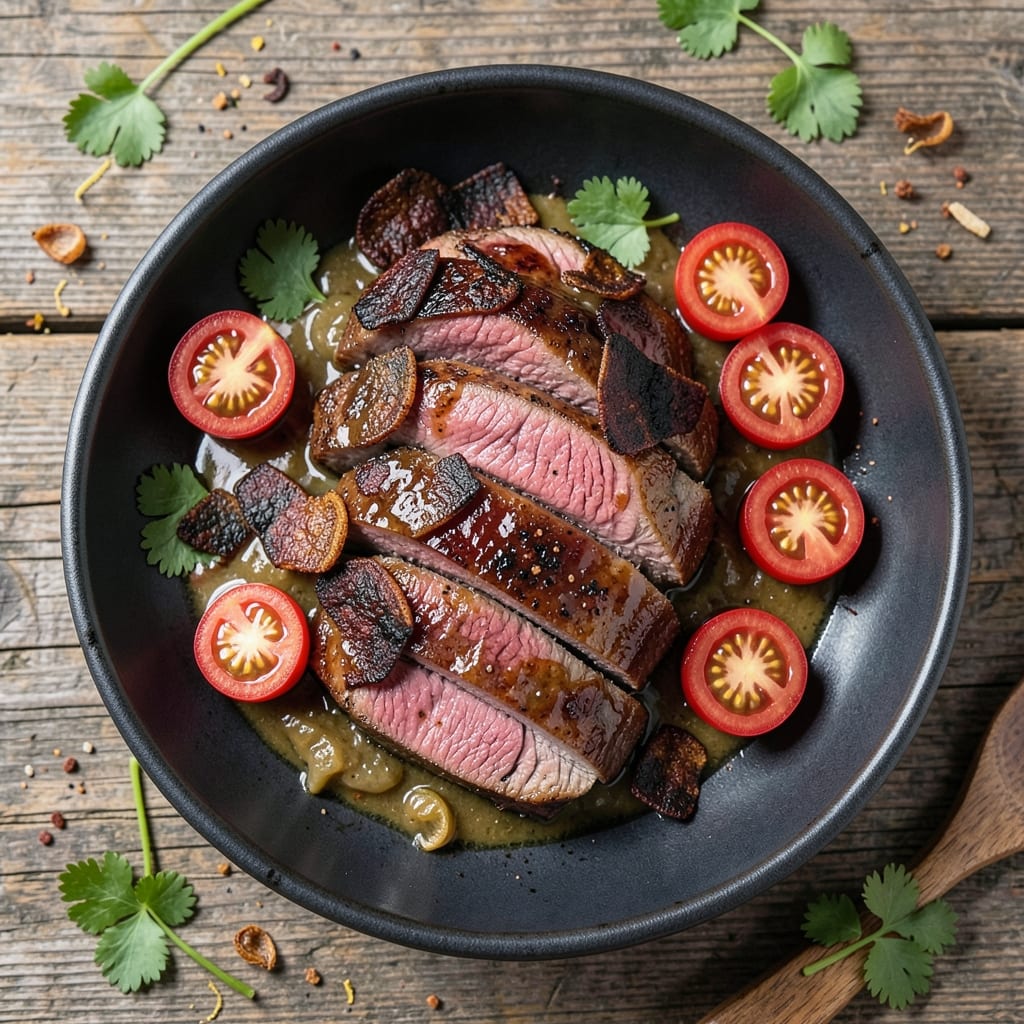
This BBQ beef fillet recipe delivers the perfect balance of smoky grill-master crust and juicy centers—a technique I perfected after years of testing at local competitions. The secret lies in a reverse sear method that ensures even cooking without overpowering the natural beef flavor. My grandfather's old-school pitmaster wisdom meets modern precision, creating a fillet that's tender enough to melt in your mouth while maintaining that coveted char.
The process starts with a simple dry rub of smoked paprika, brown sugar, and garlic powder, which builds a caramelized crust when exposed to high heat. Unlike traditional grilling methods, we begin with a gentle cook to bring the meat to 110°F before finishing it over direct flames. This approach guarantees juicy centers while developing that deep, smoky flavor profile that defines great BBQ.
What makes this recipe truly stand out is the resting technique—a critical step often overlooked by home cooks. Letting the fillet rest for 15 minutes after cooking ensures all those juices redistribute, preventing dryness and delivering a cut that's as tender as it is flavorful. The result? A fillet with a crisp exterior and a velvety interior, perfect for serving at dinner parties or family gatherings.
Pair it with a classic grilled vegetable medley or a tangy smoked tomato salsa to complement the rich beef flavors. The method scales beautifully too, whether you're cooking for two or feeding a crowd. Let's get started on creating your next grill masterpiece.
Ingredients for bbq beef fillet
The perfect balance of smoky crust and velvety centers starts with these premium ingredients.
| Ingredient | Amount | Notes |
|---|---|---|
| Beef Tenderloin Fillet 🥩 | 2 lb | Center-cut, 1.5-inch thick |
| Smoked Paprika 🌶️ | 2 tbsp | High-quality, not cayenne |
| Brown Sugar 🍚 | 1 tbsp | Light or dark variety |
| Garlic Powder 🧄 | 1 ½ tsp | Freshly ground preferred |
| Coarse Kosher Salt 🧂 | 1 ½ tsp | Diamond Crystal preferred |
| Ground Black Pepper 🌶️ | 1 tsp | Freshly cracked preferred |
| Avocado Oil 🫒 | 2 tbsp | High smoke point for searing |
| Yellow Onion 🧅 | 1 whole | Sliced into 1/4-inch strips |
| Fresh Rosemary 🌿 | ¼ cup | Chopped, stems removed |
| Fresh Thyme 🌿 | ¼ cup | Leaves only, stems removed |
| Apple Cider Vinegar 🍎 | 1 tbsp | For basting, optional |
| Honey 🍯 | 1 tbsp | Wildflower preferred |
The beef selection is critical here—tenderloin delivers that melt-in-your-mouth texture while holding its shape beautifully. Costco or Whole Foods are your best bets for center-cut fillets with proper marbling. Look for pieces with a 1.5-inch thickness minimum; thinner cuts risk overcooking. The smoked paprika should be labeled 'smoked' not 'hot'—Penzeys or Goya brands are reliable for consistent quality. Fresh herbs make a difference: rosemary and thyme should smell vibrant, not stale. If using dried, reduce to one-third the amount.
No smoked paprika? Substitute with 1 tbsp regular paprika plus 1/2 tsp liquid smoke. Brown sugar can be swapped for turbinado sugar, though it has a slightly coarser texture. The avocado oil is non-negotiable for searing—Mazola or Bertolli brands work well. For the dry rub, toast the spices in a dry pan for 30 seconds before applying to deepen flavors. The apple cider vinegar and honey basting mixture is optional but adds that competitive-level sheen—substitute with equal parts balsamic vinegar and maple syrup if needed. Pre-sliced onions from the store work fine, but Vidalia adds a subtle sweetness worth hunting for.
Store the dry rub mixture in an airtight container for up to 3 months—it keeps indefinitely. The fresh herbs should be wrapped in damp paper towels and stored in a sealed bag for 5-7 days. For the beef, if you're not cooking immediately, vacuum-seal it with the rub and freeze for up to 6 months. The cooked fillet reheats beautifully: 350°F for 10-15 minutes wrapped in foil maintains moisture. Portion into 1-inch slices for serving—this presentation elevates any dinner party.
Why You'll Love This Recipe
- Same recipe, different vibes: toss it on the grill for summer BBQs or roast it in the oven when friends drop by. My roommates don’t even ask what’s for dinner anymore—they just show up.
- Five-Ingredient Magic: The pantry staples here are already in my cabinet—no specialty trips needed. Just season, sear, and let the smoky-sweet crust work its magic while you sip wine and pretend you’re a chef.
- Caramelized Crunch: That brown sugar and smoked paprika combo? It creates this irresistible crust—crispy on the outside, tender inside. Honestly, the first time I bit into it, I nearly dropped the fork.
- Weeknight or Guest Night: Same recipe, different vibes: toss it on the grill for summer BBQs or roast it in the oven when friends drop by. My roommates don’t even ask what’s for dinner anymore—they just show up.
Step-by-step instructions for BBQ beef fillet with smoky crust
Master this technique and you'll achieve a perfect balance of smoky crust and tender interior every time.
Prepare the Dry Rub and Season the Fillet
In a small bowl, combine the 2 tbsp smoked paprika, 1 tbsp brown sugar, 1.5 tsp garlic powder, 1.5 tsp coarse kosher salt, and 1 tsp ground black pepper. Mix thoroughly until evenly distributed. This blend creates the perfect balance of sweet, smoky, and savory flavors that will develop into that coveted bark.
Pat the 2 lb beef tenderloin fillet completely dry with paper towels—this is crucial for achieving that crispy crust. The fillet should be at room temperature before seasoning, so remove it from the refrigerator and let it sit uncovered for 30 minutes while you prepare the rub. Once ready, generously coat all sides of the fillet with the dry rub mixture, pressing it firmly into the meat so it adheres well. This ensures maximum flavor penetration and even seasoning throughout the cooking process.
Preheat and Sear the Fillet
Heat a grill or grill pan to high heat and allow it to stabilize for 10-15 minutes. The surface should be hot enough that when you sprinkle a few drops of water, they evaporate instantly. Add 2 tbsp avocado oil to the hot surface and spread it evenly with tongs or a paper towel—this prevents sticking and creates the perfect searing environment.
Place the seasoned fillet on the grill and sear for 4-5 minutes per side, pressing down gently with a metal spatula during the first minute to prevent curling. You'll know it's ready to flip when the surface develops a deep golden-brown crust and releases easily from the grill. The high heat creates a flavorful crust while keeping the interior juicy. For best results, maintain the high heat throughout this step—anything less will result in steamed rather than seared meat.
Build the Smoky Glaze and Baste
While the fillet sears, prepare the glaze by combining 1 tbsp apple cider vinegar and 1 tbsp honey in a small saucepan. Bring to a gentle simmer over medium heat and reduce by half—this concentrated mixture will caramelize beautifully on the fillet's surface. Once reduced, remove from heat and set aside.
After searing, reduce the grill heat to medium-high (around 375°F). Using a basting brush, generously coat the fillet with the reduced glaze mixture. Then, place 1 whole yellow onion, 0.25 cup chopped fresh rosemary, and 0.25 cup fresh thyme directly on the grill beside the fillet. As they char slightly, their smoky aromas will infuse into the meat. Baste the fillet every 5 minutes with the glaze, rotating it to ensure even exposure to the heat and smoke. This basting technique creates that signature smoky crust while keeping the interior moist.
Finish with Precision Timing
Continue grilling the fillet for an additional 8-10 minutes, basting every 5 minutes and rotating as needed. The internal temperature should reach 130-135°F for medium-rare—use a meat thermometer inserted into the thickest part of the fillet to monitor progress accurately. The fillet will continue to rise 5-10°F after removal from the grill due to carryover cooking.
Once the fillet reaches the target temperature, transfer it to a cutting board and let it rest for 10-15 minutes before slicing. This resting period is critical for redistributing juices throughout the meat, ensuring each slice remains succulent. Tent loosely with foil to keep warm during resting. When ready to serve, slice against the grain into ½-inch thick portions and arrange on a platter surrounded by the charred onions and herbs for presentation.
Pro Tips For Making Bbq Beef Fillet
- CRANK THE HEAT FIRST: Sear the fillet over high heat until it’s deep golden brown—this locks in flavor and prevents the sugar in your rub from burning before the meat cooks. After 2 minutes per side, drop the heat to medium-low to finish cooking evenly (tenderloin hits 130°F for medium-rare).
- DON’T SKIMP ON THE RUB: Mix smoked paprika, brown sugar, garlic powder, and salt generously—about 1.5 tablespoons per pound of meat. The sugar caramelizes into a crust, but too little means bland, dry beef. Pat the fillet dry first; moisture dilutes the seasoning.
- REST IT UNDER FOIL: After pulling the meat from the pan, tent it loosely with foil and let it sit for 5–10 minutes. This keeps it juicy—tenderloin finishes cooking internally even after you remove it, and cutting too soon turns it into a sad, dry slab.
- USE BUTTER FOR THE FINISH: In the last minute of cooking, add 2 tablespoons of cold butter to the pan. Baste the fillet with the melted butter and brown sugar mixture—it adds richness and a glossy sheen. (Yes, even if you’re impatient like me.)
Perfect pairings for these flavors
Smoky Sides
Charred vegetables bring that smoky depth to match your fillet beautifully. I love grilling asparagus spears with a sprinkle of smoked sea salt—just toss them in 1 tbsp olive oil and grill for 4-5 minutes per side until tender-crisp. The natural sweetness caramelizes perfectly against the beef's richness. 🌿
Herb Butter
Whip up a quick herb butter by mixing ½ cup softened butter with 1 tbsp chopped fresh rosemary, 1 tbsp chopped thyme, and 1 tsp lemon zest. Serve warm alongside slices of fillet—it melts into every bite and enhances the smoky flavors. I like to chill it for 30 minutes before serving to keep it spreadable. 🧈
Crispy Potatoes
For a heartier option, try smoky roasted potatoes: Toss 2 lbs baby potatoes with 2 tbsp olive oil, 1 tbsp smoked paprika, and 1 tsp garlic powder. Roast at 425°F for 35-40 minutes until golden and crispy. The paprika ties into your fillet's rub while adding satisfying texture. 🥔
Tangy Salsa
A bright smoked tomato salsa cuts through the richness. Blend 4 cups diced Roma tomatoes, ½ cup red onion, 1 jalapeño, 2 tbsp apple cider vinegar, and 1 tsp smoked paprika. Let it sit for 30 minutes before serving to let flavors meld. The acidity balances the beef's richness perfectly. 🌶️
Wine Pairings
For a classic pairing, reach for a Cabernet Sauvignon with 14-15% ABV—its bold tannins stand up to the smoky flavors. I love Louis Martini Cabernet from California, or Penfolds Bin 389 for a richer option. The fruit notes complement the caramelized crust while the tannins cleanse your palate. 🍷
Beer Options
A smoked porter** like Founders Kentucky Breakfast Stout adds depth with its coffee and bacon notes. For something lighter, try a German Helles Lager—its crisp maltiness contrasts beautifully with the smoky beef. Avoid heavy IPAs that might overpower the delicate flavors. 🍺
Nutrition facts
Frequently asked questions about BBQ beef fillet
Can I use a different cut of beef instead of tenderloin?
Tenderloin is ideal for its tenderness, but you can use top loin or sirloin with adjustments. Trim excess fat and reduce cooking time by 2-3 minutes per side to avoid overcooking. These cuts have more connective tissue, so aim for 125°F internal temp for medium-rare to prevent dryness.
Why does my fillet turn out dry when grilling?
Overcooking is the #1 cause! Use a meat thermometer and remove at 130°F for medium-rare—it'll rise to 135°F while resting. Never skip the 10-15 minute rest—this lets juices redistribute. Also, avoid cutting into the fillet too soon after grilling.
How do I adjust this recipe for a pellet grill?
Pellet grills excel at this! Set to 250°F for indirect cooking and add 10-15 minutes to total time. Sear first over direct heat, then move to indirect zone to finish. The wood pellets (hickory or apple) will infuse smoky flavor naturally—no need for extra basting. Monitor temp closely with your probe.
What's the best way to reheat leftover slices?
Reheat in a 400°F oven for 8-10 minutes wrapped in foil with a splash of beef broth to restore moisture. For quick reheating, use a skillet over medium heat for 1-2 minutes per side
Can I make this recipe in an oven instead of on a grill?
Yes! Preheat oven to 450°F and use a cast-iron skillet. Sear the fillet first on the stovetop, then transfer to the oven for 10-12 minutes until internal temp reaches 130°F. Broil for 2 minutes at the end to create crust. For smokiness, add 1-2 wood chips to the skillet before searing.