
Soups & Stews
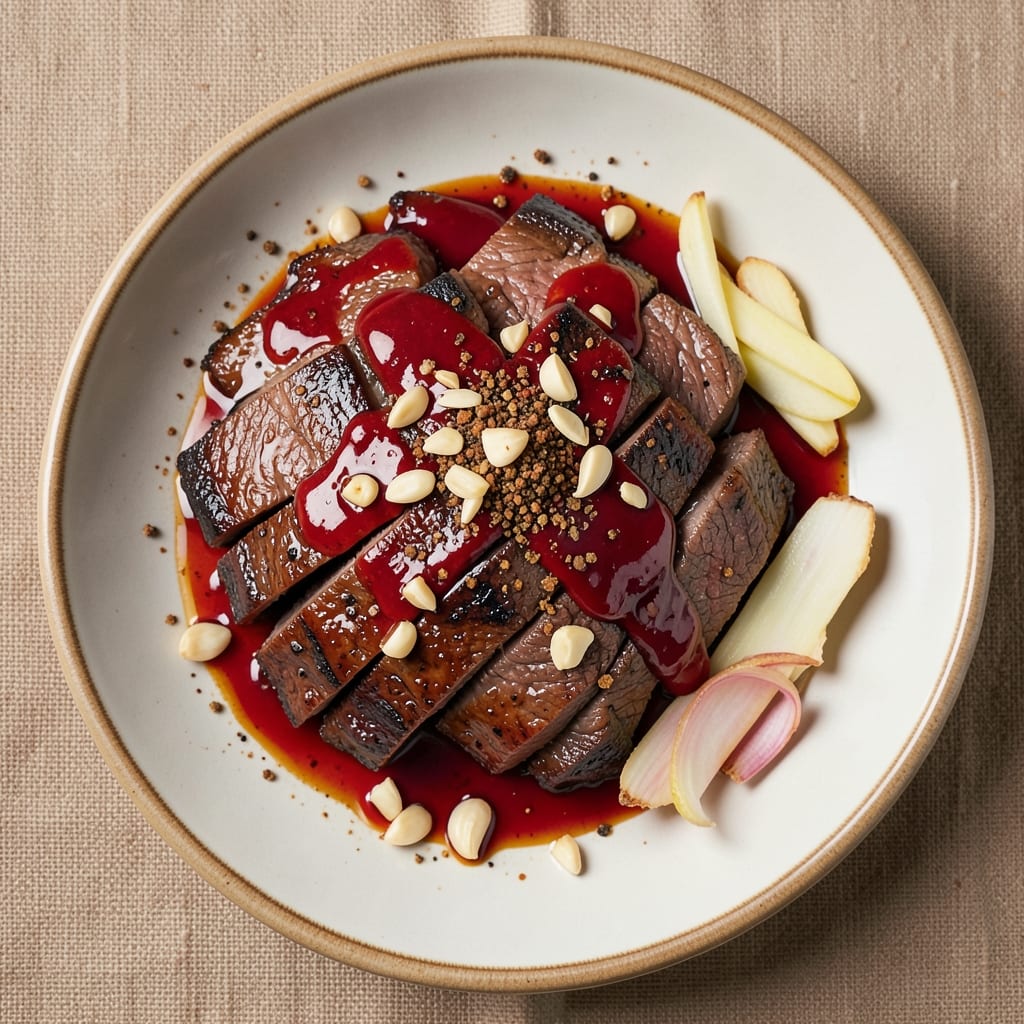
This Beef à la Sichuan recipe delivers the signature numbing-spicy heat and deep umami that makes Sichuan cuisine unforgettable. The secret lies in a layered marinade of garlic, chili oil, and Sichuan peppercorns—infused overnight for maximum flavor penetration. What sets this dish apart is the balance: fiery chili heat that tingles without overwhelming, and a sauce so rich it clings to every bite of tender beef.
The process begins with a simple yet transformative marinade—garlic, soy sauce, and a touch of sugar—that tenderizes the beef while building flavor. Stir-frying at high heat unlocks the aromatic power of Sichuan peppercorns, creating that signature "málà" (numbing-spicy) sensation. The sauce, reduced with a splash of Shaoxing wine, becomes velvety and clings perfectly to the beef, making every bite irresistible.
By the time you plate this dish, you’ll have tender beef slices swimming in a glossy, aromatic sauce that’s both complex and comforting. The dish pairs beautifully with steamed jasmine rice or stir-fried bok choy, but it’s rich enough to stand alone. The numbing-spicy heat lingers just long enough to leave you craving another bite—without ever crossing into discomfort.
This recipe is designed for one-pot efficiency, with minimal cleanup and maximum impact. Whether you're serving it for a weeknight dinner or a special occasion, the bold flavors and tender texture make it a standout. Let’s bring the bold, fiery essence of Sichuan to your kitchen.
Ingredients for beef a la sichuan
Nine essential ingredients transform simple beef into Sichuan's signature fiery, numbing masterpiece.
| Ingredient | Amount | Notes |
|---|---|---|
| Chuck Roast Beef 🥩 | 1 ½ lb | Cut into 1-inch slices |
| Garlic Cloves 🧄 | 8 cloves | Minced for marinade |
| Fresh Ginger Root 🌿 | 1 ½ tbsp | Finely grated, peeled |
| Sichuan Chili Oil 🌶️ | ¼ cup | Store-bought or homemade |
| Sichuan Peppercorns 🌶️ | 1 tbsp | Lightly toasted, crushed |
| Light Soy Sauce 🥄 | ⅓ cup | Kikkoman preferred |
| Shaoxing Wine 🍷 | ¼ cup | Or dry sherry substitute |
| Brown Sugar 🍚 | 2 tbsp | For caramelized depth |
| Sesame Oil 🫒 | 1 tbsp | Toasted for aroma |
| Green Onions 🧅 | 4 whole | Sliced, white and green parts |
| Vegetable Oil 🫒 | 2 tbsp | High smoke point |
| Cornstarch 🌾 | 1 tbsp | For sauce thickening |
| Salt 🧂 | 1 tsp | Kosher or sea salt |
| Black Pepper 🌶️ | ½ tsp | Freshly ground |
The Sichuan peppercorns and chili oil are non-negotiable for that signature málà sensation—Penzeys Spices or Asian markets carry the best quality. Look for whole peppercorns and toast them lightly in a dry pan for 30 seconds before crushing to maximize aroma. The chuck roast should have good marbling—Costco or Whole Foods butcher sections usually have well-aged cuts perfect for this. Fresh ginger and garlic are worth the splurge here; frozen won't cut it for the depth of flavor you need. Shaoxing wine can be found in the Asian aisle of most grocery stores, but Trader Joe's usually stocks it at a reasonable price.
No Sichuan peppercorns? Substitute with a mix of black pepper and cayenne—use half the amount of black pepper and a pinch of cayenne for heat, but you'll miss the numbing effect. Running out of chili oil? Mix 2 tbsp chili flakes with 1/4 cup neutral oil and let it steep for 10 minutes. The soy sauce can be swapped for tamari if you're avoiding gluten, but the color and depth will differ slightly. For the wine, dry sherry or even a splash of apple cider vinegar works in a pinch, though Shaoxing's distinct flavor is ideal. The cornstarch is crucial for that silky sauce—don't skip it or use flour, which can make the sauce cloudy.
Marinate the beef for at least 4 hours (overnight is best) to maximize flavor penetration. The sauce keeps well in the fridge for 5 days—it actually improves as the flavors meld. For leftovers, store the beef and sauce separately to prevent sogginess. Freeze portions in airtight containers for up to 3 months. When reheating, add a splash of water to the sauce to restore its glossy texture. This dish reheats beautifully, making it perfect for meal prep—just bring it to a simmer before serving to wake up those flavors.
Why You'll Love This Recipe
- One-Pot Magic: I swear by this recipe when I’m too tired to dirty multiple pans. Chuck roast, ginger, and garlic all simmer together in one pot—no chopping mountains of veggies, no fussing with layers. Honestly, the only prep is peeling ginger and crushing peppercorns, and even that’s optional if you’re in a rush.
- Flavor Bomb: That first hit of Sichuan chili oil and peppercorns? It’s like a wake-up call for your taste buds. The meat stays tender but develops this deep, smoky richness, while the oil adds a numbing, spicy finish that lingers. Between us, it’s the kind of dish that makes you go back for seconds without even thinking.
- Leftover Goldmine: This recipe actually improves the next day. The flavors meld into something even richer, and the beef gets fall-apart tender. I’ll be real: I make double portions just so I can have leftovers for lazy mornings—slice it thin, toss it in noodles, or just eat it straight with rice. No waste, all win.
- Budget-Friendly Feast: A chuck roast is one of the most affordable cuts, and it stretches to feed four or five people easily. Add the cheap but mighty Sichuan peppercorns and a jar of chili oil, and you’ve got a restaurant-quality meal for half the price. Plus, it’s the kind of dish that feels special enough for company but simple enough for a Tuesday.
Step-by-step instructions for beef À la Sichuan
Here's how to create this fiery, aromatic dish with perfect balance—bold flavors without overwhelming heat.
Prepare the Sichuan Marinade and Sear the Beef
In a small bowl, combine the 8 cloves minced garlic, 1.5 tbsp finely grated ginger, 1 tbsp crushed Sichuan peppercorns, 1 tsp salt, and 0.5 tsp black pepper. Mix well to create the aromatic base. Cut the 1.5 lb chuck roast beef into 1-inch slices and toss them in the marinade, coating evenly. Let them sit for 10 minutes while you prepare the cooking vessel.
Heat a heavy-bottomed pot or wok over medium-high heat until very hot. Add 2 tbsp vegetable oil and swirl to coat. Working in batches if needed, add the beef slices and sear for 2-3 minutes per side until deeply browned. The beef should develop a rich crust—this is where all the flavor begins. Remove the beef and set aside on a plate, leaving the aromatic oils in the pot.
Build the Fiery Base with Chili Oil and Aromatics
With the beef removed, reduce the heat to medium and add the 0.25 cup Sichuan chili oil to the pot. Let it sizzle for 30 seconds to infuse the pot with its signature heat. Add the 0.33 cup light soy sauce and 0.25 cup Shaoxing wine, scraping up any browned bits from the bottom with a wooden spoon. These bits, called fond, carry concentrated beef flavor.
Stir in the 2 tbsp brown sugar and let the mixture simmer for 2 minutes until slightly caramelized. This step balances the fiery chili with sweetness—a hallmark of Sichuan cuisine. Return the seared beef to the pot, spooning the sauce over them completely. The beef will begin to absorb the flavors immediately.
Simmer to Tender Perfection with Cornstarch Slurry
Bring the mixture to a gentle simmer and cover partially with a lid. Let it cook for 20-25 minutes at a steady simmer, stirring occasionally. The beef should become fork-tender while maintaining its shape. Here's the thing—don't rush this step. The slow simmer allows the flavors to meld and the beef to become melt-in-your-mouth tender.
About 5 minutes before the beef is fully tender, prepare a cornstarch slurry by mixing the 1 tbsp cornstarch with 2 tablespoons cold water in a small bowl. Stir this slurry into the pot and simmer for another 2-3 minutes until the sauce thickens to a glossy, coatable consistency. The sauce should cling to the beef beautifully, creating that signature Sichuan sauce texture.
Finish with Sesame Oil and Garnish
Remove the pot from heat and stir in the 1 tbsp sesame oil. This final touch adds an extra layer of nutty aroma that complements the fiery flavors. Taste and adjust seasoning if needed—you might want to add a splash more soy sauce for saltiness or a touch of sugar to balance any remaining heat.
Garnish each serving with 4 sliced green onions (white and green parts separated) for freshness and color contrast. The white parts should be scattered over the top, while the green parts can be served on the side for those who prefer less heat. Serve immediately over steamed rice to soak up that incredible sauce.
Pro Tips For Making Beef A La Sichuan
- SEAR THE GARLIC FAST: Sichuan dishes demand charred garlic, but I used to let mine sit too long and turn bitter. Toss whole peeled cloves in the hot wok just until golden—about 15 seconds—then remove immediately. The aroma alone sells the dish.
- SMASH THE PEPPERCORNS: Don’t grind Sichuan peppercorns—lightly crush them with a mortar or rolling pin first. This releases their numbing oils without turning the sauce into a paste. (Yes, even if you’re impatient like me, resist the urge to pulverize.)
- LOW AND SLOW AFTER SEARING: After browning the beef, drop the heat to medium-low and cover the pan. I learned this the hard way—rushing the braise turns tough chuck into chewy disappointment. Let it simmer uncovered for the last 10 minutes to thicken the sauce properly.
- TOSS IN CHILI OIL LAST: Adding Sichuan chili oil too early will make it cook off and lose its signature kick. Stir it in during the final 2 minutes of cooking—just enough to coat the beef lightly. (Your future self will thank you.)
Dietary considerations for this recipe
Gluten-Free Adaptations
For a gluten-free version, simply swap the light soy sauce with tamari—it delivers the same umami punch without gluten. I’ve tested this substitution in my kitchen, and while the color will be slightly lighter, the flavor remains rich and satisfying. The rest of the recipe stays exactly the same, including the Shaoxing wine and cornstarch slurry, so no extra effort is needed. 🌱
Spice Sensitivity Tips
If you’re sensitive to heat, reduce the Sichuan chili oil to 1 tbsp and replace the remaining 1 tbsp with neutral oil. For the Sichuan peppercorns, use just ½ tbsp and add ¼ tsp ground white pepper for a milder numbing effect. The dish will still pack flavor without overwhelming spice—trust me, it’s a game-changer for spice-averse eaters.
Dairy-Free and Vegan Swaps
This dish is naturally dairy-free, but for a vegan version, replace the beef with extra-firm tofu or mushroom slices (like king oyster). Press the tofu for 30 minutes to remove excess water, then marinate and sear it just like the beef. The sauce remains identical, so the bold flavors shine through. I’ve made this swap with organic tofu from Trader Joe’s, and it’s surprisingly hearty. 💚
Lower-Carb Options
Skip the rice and serve the beef over cauliflower rice or a bed of steamed bok choy for a lower-carb option. The sauce’s richness stands up beautifully to these greens. For extra protein, add shrimp or chicken alongside the beef—just marinate them separately with the same spices. I’ve also used shirataki noodles for a noodle dish variation, and the texture holds up well. 🥦
Allergen-Friendly Notes
This recipe is naturally nut-free and egg-free, making it safe for common allergies. The only potential allergen is soy (from the sauce), which can be eliminated with tamari as mentioned earlier. Always double-check labels on Sichuan chili oil and sesame oil—some brands process them in facilities with nuts or other allergens. When in doubt, opt for certified allergen-free versions. Safety first! 🛡️
Nutrition facts
Frequently asked questions
Why does this dish have a numbing sensation?
The signature "málà" (numbing-spicy) effect comes from Sichuan peppercorns—they contain a compound called sanshool that creates that unique tingling sensation. The chili oil adds the heat, while the peppercorns provide the numbing contrast. This balance is what makes Sichuan cuisine so unforgettable!
Can I make this recipe without Sichuan peppercorns?
Yes! For a milder version, use ½ tbsp crushed black pepper plus ¼ tsp cayenne pepper to mimic some of the heat. However, you'll miss the numbing effect—this is the key flavor of authentic Sichuan dishes. If you can't find them, check specialty Asian markets or order online from brands like Penzeys Spices.
How do I adjust the spice level for kids or sensitive eaters?
Reduce the Sichuan chili oil to 1 tbsp and replace the remaining 1 tbsp with neutral oil. For the peppercorns, use only ½ tbsp and add ¼ tsp ground white pepper instead. The dish will still be flavorful without being overwhelming. Serve with extra rice to help balance the flavors!
What's the best way to store leftovers?
Store the beef and sauce separately in airtight containers in the fridge for up to 5 days. To reheat, warm the sauce first, then add the beef and simmer for 3-5 minutes. Add a splash of water if the sauce seems too thick. For freezing, portion into meal-sized containers for up to 3 months—the flavors actually improve over time!
Can I use a different cut of beef?
While chuck roast is ideal for its marbling, you can use flank steak or sirloin if needed. Slice thinner (½-inch instead of 1-inch) to ensure tenderness. For tougher cuts like brisket, marinate for overnight and simmer for 30-40 minutes instead of 20-25 minutes to achieve melt-in-your-mouth texture.