
Main Courses
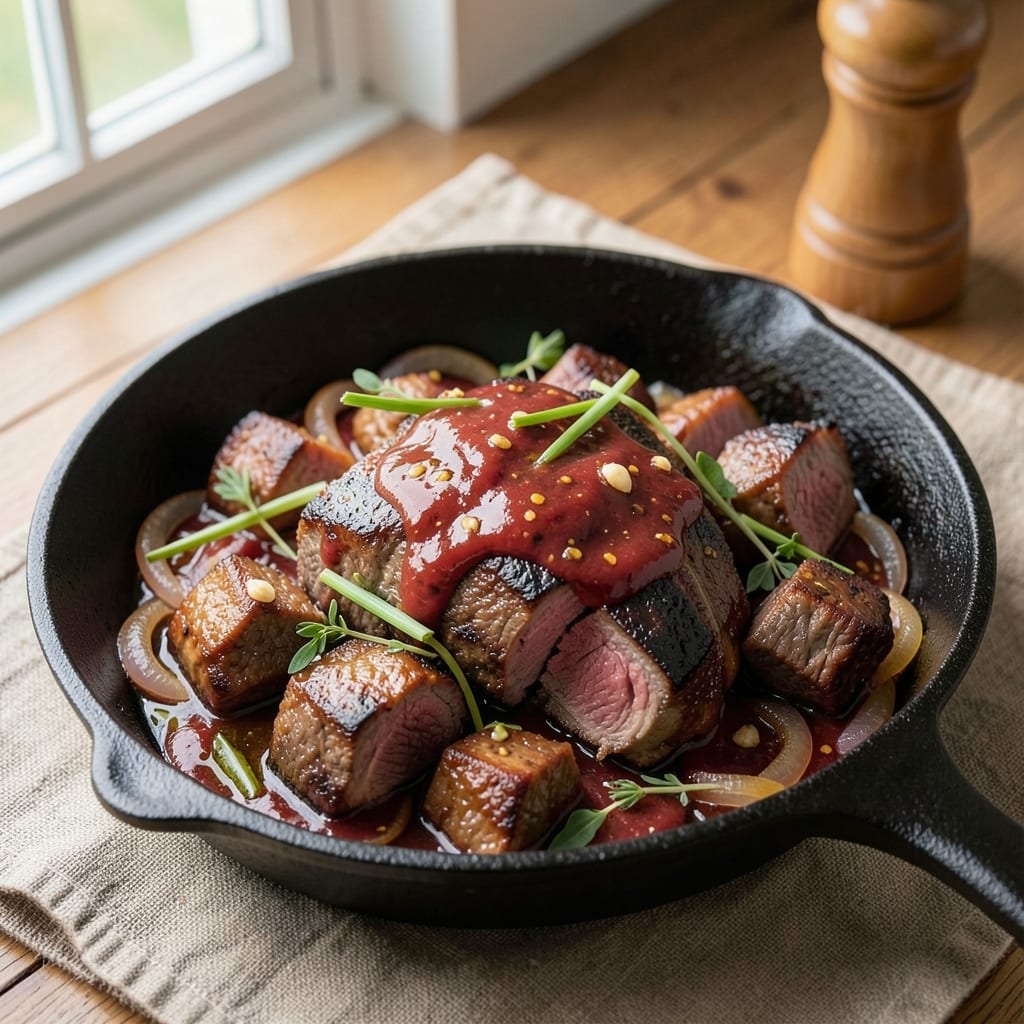
This beef ajou recipe transforms tough cuts into melt-in-your-mouth tenderness with West African spices and a signature sweet vinegar glaze. The secret lies in slow braising, where spices like ajou (dried fish or meat seasoning) infuse the beef, creating layers of umami and warmth that define this beloved dish. I've refined this recipe to balance authenticity with modern kitchen convenience—no special equipment required, just patience and attention to detail.
The process begins with searing beef chunks until deeply caramelized, locking in flavors before a long simmer in a rich tomato-based sauce. Ajou seasoning adds its signature depth, while sweet vinegar creates that glossy finish that makes every bite irresistible. Vegetables like carrots and potatoes absorb the sauce beautifully, turning this into a hearty one-pot meal that feeds a crowd.
What you'll end up with is beef so tender it falls apart at the touch, coated in a glossy, slightly sweet sauce that's both vibrant and comforting. The aroma alone will have everyone gathered around your table, and the dish pairs perfectly with steamed rice or fluffy couscous to soak up every last drop of that flavorful sauce.
This recipe preserves the soul of West African cuisine while making it accessible for home cooks. Whether you're serving it for a family gathering or a special occasion, the depth of flavor and satisfying texture will leave everyone asking for seconds. Let's get started on this restaurant-worthy dish!
Ingredients for beef ajou
Pantry staples meet West African spices for a dish that turns tough beef into melt-in-your-mouth perfection.
| Ingredient | Amount | Notes |
|---|---|---|
| Beef Chuck Roast 🥩 | 3 lb | Cut into 2-inch chunks |
| Ajou Seasoning 🌶️ | 2 tbsp | Filipino dried fish or meat seasoning |
| Sweet Vinegar 🍶 | ½ cup | Cane vinegar preferred |
| Tomato Paste 🍅 | ½ cup | Smooth, no sugar added |
| Onion 🧅 | 1 whole | Yellow, chopped |
| Garlic Cloves 🧄 | 6 cloves | Minced |
| Carrots 🥕 | 4 whole | Medium, peeled and sliced |
| Potatoes 🥔 | 4 whole | Russet, peeled and cubed |
| Bay Leaves 🍃 | 2 whole | Dried |
| Black Peppercorns 🌶️ | 1 tsp | Cracked |
| Sugar 🍚 | 2 tbsp | Granulated |
| Olive Oil 🫒 | ¼ cup | Extra-virgin for searing |
| Salt 🧂 | 1 ½ tsp | Kosher or sea salt |
| Water 💧 | 2 cups | For braising |
| Fresh Parsley 🌿 | ¼ cup | Chopped, for garnish |
The beef is the star, so don't skimp on quality. Chuck roast is ideal—it's flavorful and breaks down beautifully during braising. Look for cuts with good marbling at Costco or Whole Foods for the best value. If you can't find chuck, short ribs or brisket work too. The ajou seasoning is non-negotiable—it's what gives this dish its signature depth. You can find it at Asian or Filipino markets, or online if your local store doesn't carry it. If you're in a pinch, a mix of fish sauce and soy sauce can substitute, but it won't be quite the same.
Sweet vinegar adds that glossy finish, but don't use just any vinegar. Cane vinegar is traditional, but if you can't find it, apple cider vinegar works in a bind. The tomato paste should be smooth—none of that chunky stuff. For the potatoes, Russets hold up best during braising, but Yukon Golds add creaminess if you prefer. Fresh parsley is ideal for garnish, but dried parsley at half the amount works if you're out. The carrots can be baby carrots if that's what you've got—just peel them first. And if you're worried about the sugar making this too sweet, trust me: the vinegar balances it perfectly.
This dish tastes even better the next day, so make extra if you can. Store leftovers in an airtight container in the fridge for up to 5 days, or freeze for 3 months. The sauce thickens as it cools, so a splash of water or broth helps loosen it when reheating. I like to portion mine into containers with rice on the side—it's a great make-ahead meal for busy weeks. And if you're serving a crowd, double the recipe—it's that good.
Why You'll Love This Recipe
- One-Pot Magic: I swear by this recipe when I’m too tired to dirty multiple pans. Just sear the chuck roast, toss in the ajou seasoning, sweet vinegar, and tomato paste—then let the slow cooker or oven do the heavy lifting. Honestly, the cleanup is almost nonexistent.
- Sweet-Savory Balance: That ajou seasoning is the star—it’s got garlic, ginger, and a touch of heat that wakes up the beef. The sweet vinegar cuts through the richness, leaving you with a sauce that’s sticky, tangy, and ridiculously good on rice or noodles.
- Lunchbox Hero: Between us, this is my go-to for meal prep. Slice the beef thin, pack it with steamed rice, and it stays fresh for days. My kids grab it for school lunches, and I still eat mine cold the next day—no complaints.
- Budget Stretch: A chuck roast feeds six for under $20, and the ajou seasoning lasts forever. I’ll be real: it’s one of those recipes where you end up making it twice in a row because the leftovers taste even better the second time.
Step-by-step instructions for Filipino-style braised beef
Here's how to create tender, flavorful beef ajou with that signature sweet-tangy vinegar gloss.
Sear the Beef for Deep Flavor
Heat the 0.25 cup olive oil in a large Dutch oven over medium-high heat until shimmering. Working in batches, add the 3 lb beef chuck roast cut into 2-inch chunks and sear for 3-4 minutes per side until deeply browned. This step develops the rich, caramelized foundation for your dish.
As you sear, don't crowd the pan—work in batches if needed. The beef should release easily from the bottom when ready. Transfer the browned beef to a plate and set aside. You'll notice the oil will darken as it renders fat from the meat, creating layers of flavor.
Build the Aromatic Base
In the same Dutch oven, add the 1 whole chopped onion and cook for 5 minutes until softened and beginning to caramelize. Add the 6 minced garlic cloves and 1 tsp cracked black peppercorns, cooking for another 1 minute until fragrant.
Stir in the 2 tbsp ajou seasoning and 1.5 tsp salt, letting the spices toast for 30 seconds to release their aromas. This is where all the complex flavors begin to meld together. The ajou will give a distinct umami depth that's characteristic of Filipino cooking.
Develop the Sweet-Tangy Sauce
Add the 0.5 cup tomato paste and 2 tbsp sugar, stirring to combine with the onions and garlic. Pour in the 0.5 cup sweet vinegar and 2 cups water, scraping up any browned bits from the bottom of the pot. Bring to a simmer over medium heat.
Add the 4 sliced carrots, 4 cubed potatoes, and 2 whole bay leaves to the pot. Return the seared beef to the Dutch oven, making sure it's submerged in the liquid. The vinegar will create that signature glossy finish while balancing the richness of the beef.
Braise Until Tender
Cover the Dutch oven and transfer to a preheated 325°F oven. Braise for 2.5-3 hours until the beef is fork-tender and easily pulls apart. The vegetables should be soft but still hold their shape.
Check the liquid level halfway through cooking. If it's reduced too much, add ¼ cup water to maintain moisture. The beef should be so tender that a fork slides through with minimal resistance. This low-and-slow cooking method ensures maximum flavor penetration and melt-in-your-mouth texture.
Finish and Serve
Remove the beef and vegetables from the pot and transfer to a serving platter. Strain the braising liquid through a fine-mesh sieve to remove any bay leaves, then return the liquid to the pot. Simmer uncovered over medium heat for 5-7 minutes until slightly thickened.
Pour the reduced sauce over the beef and vegetables, then garnish with 0.25 cup chopped fresh parsley. Serve immediately with steamed rice to soak up that delicious, glossy sauce. The combination of tender beef, sweet potatoes, and that tangy vinegar sauce makes this dish truly special.
Pro Tips For Making Beef Ajou
- BROWN THE MEAT FIRST: Don’t rush this—sear the chuck roast in batches over high heat until it’s deep brown, not just pink. I learned this the hard way: skipping a proper sear means the ajou seasoning won’t stick, and the sauce will taste flat. Let the onions caramelize too while you work in batches.
- USE THICK TOMATO PASTE: Reach for the canned tomato paste in a brick—not the watery stuff. Spread a thin, even layer on the meat before adding the ajou mix. This creates a barrier that keeps the beef juicy and the sauce from turning into a watery glaze. (Yes, even if it looks messy at first.)
- DON’T SKIP THE VINEGAR REST: After cooking, let the beef and sauce sit with the sweet vinegar for at least 10 minutes off the heat. I used to pour it in at the end, and the dish always tasted rushed. The acid needs time to mellow and meld—otherwise, it’ll hit your tongue like a slap.
- SIMMER LOW AND SLOW: Once everything’s in the pot, reduce to a bare simmer—no boiling. I was skeptical until I tried it: high heat turns the sauce grainy and the beef tough. A gentle bubble keeps the chuck tender and the ajou flavors rich. Cover loosely and let it do its thing.
Storing and reheating your leftovers
Refrigerator Storage
Let your beef ajou cool completely before transferring to airtight containers—I use glass Pyrex with snap-on lids for best results. Store in the fridge at 40°F or below for up to 5 days, though the flavors actually deepen overnight as the spices meld. The sauce will thicken slightly, so add a splash of water or beef broth when reheating to restore its glossy texture. 💫
Freezer Prep Tips
For longer storage, freeze portions in quart-sized freezer bags (leave 1 inch headspace for expansion) or glass containers with tight seals. Label with the date—this dish stays excellent for 3 months in the freezer. Thaw overnight in the fridge before reheating for even texture. I like to portion mine with rice on the side for easy grab-and-go meals.
Stovetop Reheating
My preferred method is stovetop reheating to preserve that signature glossy sauce. Transfer the beef and vegetables to a pot, add ¼ cup water or broth, and simmer over medium-low heat for 10-15 minutes, stirring occasionally. Taste and adjust seasoning—you might need a pinch more salt or a splash of vinegar to refresh the tang. Keep the lid slightly ajar to prevent over-reduction.
Microwave Shortcuts
For quick meals, microwave individual portions covered with a damp paper towel on 70% power for 3-4 minutes, stirring halfway. Add 1-2 tablespoons of water if the sauce looks dry. The microwave method works best for single servings and takes about half the time of stovetop reheating. Just avoid high power to prevent rubbery beef.
Sauce Restoration
If the sauce thickens too much during storage, thin it with warm water or broth—about 2 tablespoons at a time—while reheating. For extra richness, stir in 1 teaspoon butter or a splash of coconut milk at the end. The key is balancing the sauce's natural sweetness with the tangy vinegar, so always taste as you go. A sprinkle of fresh parsley revives the dish's freshness after reheating.
Nutrition facts
Frequently asked questions
What makes this beef ajou recipe different from other braised beef dishes?
This recipe stands out with its signature ajou seasoning—a Filipino dried fish or meat blend that adds deep umami—plus the sweet vinegar glaze that creates that glossy finish. Unlike traditional stews, it balances rich beef with tender vegetables in a sauce that's both sweet and tangy, making it uniquely satisfying. The slow braising technique ensures melt-in-your-mouth tenderness that's hard to achieve with quicker methods.
Can I substitute ajou seasoning if I can't find it?
Yes! For a similar umami depth, mix 1 tbsp fish sauce with 1 tbsp soy sauce and ½ tsp ground shrimp (if available). The ajou's complexity comes from fermented fish or meat, so this combo mimics the savory notes. If you're avoiding fish, try 1 tbsp Worcestershire sauce + ½ tsp smoked paprika for a meatier alternative. Just remember—authentic ajou can't be perfectly replicated, but these work in a pinch!
How do I know when the beef is tender enough?
The beef should easily pull apart with a fork—no resistance at all. For best results, use a meat thermometer: it should read 203°F in the thickest part. If you're unsure, cut into a small piece after 2 hours of braising. The vegetables should also be fork-tender but still hold their shape. Overcooking can make the beef dry, so check early rather than waiting too long.
What's the best way to serve beef ajou?
This dish shines with steamed jasmine rice or fluffy couscous to soak up the rich sauce. For a complete meal, add a crisp green salad with lemon vinaigrette to cut through the richness. Garnish with fresh parsley and serve with warm filipino-style bread (like pandesal) if available. Leftovers taste even better the next day—perfect for meal prep!
Can I make beef ajou in a slow cooker?
Brown the beef first, then transfer everything to a 6-quart slow cooker with 1 cup extra liquid. Cook on low for 7-8 hours or high for 4-5 hours. The slow cooker's gentle heat enhances tenderness, though you may need to reduce the sauce separately at the end to achieve that glossy texture. Just remember: slow cookers can't sear as effectively, so that first step is crucial for flavor!