
Soups & Stews
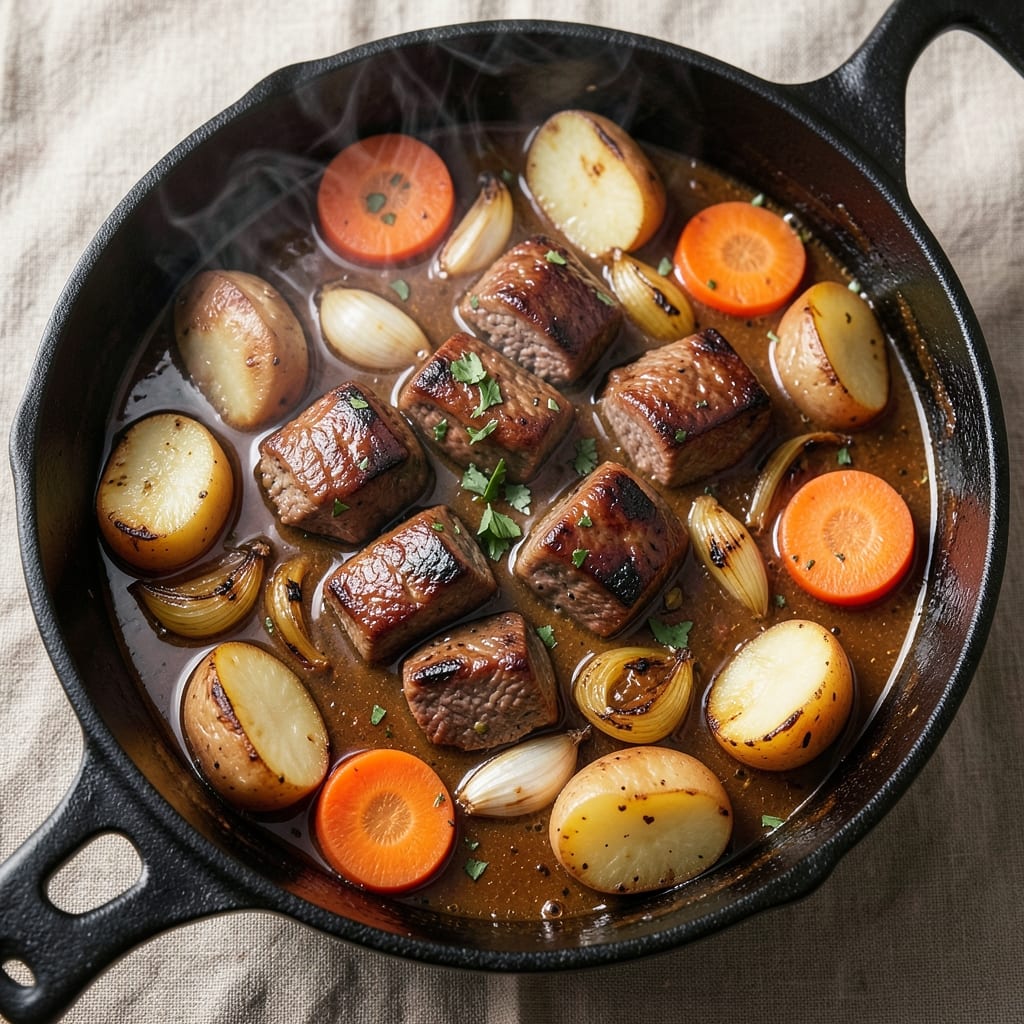
This beef ale stew recipe delivers the kind of deep, malted richness that transforms ordinary weeknight dinners into hearty, restaurant-worthy meals. The secret lies in slow-simmering tough cuts of beef until they become fork-tender, while the ale infuses every bite with a complex, caramelized depth that store-bought broths simply can't match. I've perfected this recipe over years of testing—no shortcuts, just layers of flavor built through proper browning, deglazing, and patient simmering.
What sets this stew apart is the balance of techniques: searing the beef for a flavorful crust, deglazing the pan to capture every browned bit, and letting the ale reduce slowly to concentrate its malted notes. The vegetables—carrots, onions, and potatoes—soften just enough to soak up the rich sauce, while herbs like thyme and bay leaves add aromatic depth. The result is a stew that tastes even better the next day, when flavors have fully melded.
By the time you serve this stew, you'll have a pot of velvety, deeply flavorful meat and vegetables swimming in a sauce that's rich yet balanced—sweet from the caramelized onions, tangy from the ale, and savory from the beef. It's the kind of dish that makes your kitchen smell like a cozy pub, perfect for cold evenings when you crave warmth in every bite. The best part? It's designed to be made ahead, so the flavors only get better with time.
Serve it with crusty bread for soaking up every last drop of that flavorful sauce, or pair it with roasted root vegetables for a complete meal. This isn't just stew—it's a labor of love that delivers professional-quality results at home. Let's get cooking.
Ingredients for beef ale stew
Here's what you need to create this deeply flavorful beef ale stew that tastes like a cozy pub.
| Ingredient | Amount | Notes |
|---|---|---|
| Beef Chuck Roast 🥩 | 2 lb | Cut into 1.5-inch cubes |
| Dark Ale 🍺 | 2 cups | Bold, dry variety preferred |
| Yellow Onions 🧅 | 2 whole | Sliced into 1/2-inch rounds |
| Carrots 🥕 | 4 medium | Peeled, cut into 1-inch chunks |
| Russet Potatoes 🥔 | 2 lb | Cut into 1.5-inch chunks |
| Garlic Cloves 🧄 | 4 cloves | Minced for depth |
| Fresh Thyme 🌿 | 2 sprigs | Or 1 tsp dried thyme |
| Bay Leaves 🍃 | 2 whole | Remove before serving |
| Beef Broth 💧 | 2 cups | Low-sodium preferred |
| Tomato Paste 🍅 | 2 tbsp | For depth of flavor |
| Olive Oil 🫒 | 2 tbsp | For searing beef |
| Salt 🧂 | 1 ½ tsp | Kosher or sea salt |
| Black Pepper 🌶️ | 1 tsp | Freshly ground |
| Worcestershire Sauce 🍶 | 1 tbsp | For umami depth |
The beef makes or breaks this stew. Chuck roast is your best bet—it's tough enough to benefit from the long simmer, breaking down into tender pieces. Costco or Whole Foods usually carry it pre-cut, but if you're buying a whole roast, ask the butcher to cube it for you. Look for good marbling—those little fat streaks melt during cooking and keep the meat juicy. I always grab my ale from Local Craft Breweries or the beer section at Whole Foods—avoid light lagers, you want something bold and malty like a stout or porter. The tomato paste? Trader Joe's has those little squeeze tubes that make this so easy—no mess, and they keep for ages.
No dark ale? Substitute beef broth with 1 tbsp balsamic vinegar for tang. Fresh thyme is ideal, but dried works at one-third the amount. If Worcestershire sauce isn't available, soy sauce at half the quantity gives similar umami punch. The carrots can be baby carrots if that's what's in the fridge—just cut them into even chunks so they cook at the same rate. For the potatoes, Yukon Golds hold up better than russets if you're serving immediately, but russets work great for reheating. Want extra richness? Add 1/4 cup heavy cream at the end—trust me on this.
This stew tastes even better the next day—honestly, that's when it shines. Store it in an airtight container in the fridge for up to 5 days, or freeze portions for 3 months. I always make double batches because it reheats so beautifully. For serving, I like to toast some crusty bread and let everyone soak up the sauce. The leftovers? Even more delicious cold the next lunch—perfect for packed lunches or quick dinners. If you're freezing, cool it completely first to prevent ice crystals.
Why You'll Love This Recipe
- One-Pot Magic: I swear by this—just dump everything in a Dutch oven, let it simmer, and walk away. No fancy layers, no stressing over timers. The beef Chuck roast practically melts into tender perfection while you sip that dark ale and pretend you’re in a pub.
- Malty Depth Bomb: That dark ale isn’t just flavor—it’s the secret weapon. The bitterness cuts through the richness of the beef, while the caramelized onions and slow-cooked potatoes soak it all up. Honestly, the first bite makes me close my eyes. It’s like a hug in a bowl.
- Leftovers That Beg: This stew only gets better the next day. I make a double batch on Sundays because reheating it is my lazy-day hero move. The potatoes get even softer, the beef shreds effortlessly, and the ale’s depth lingers—proof that good food rewards patience.
- Budget Feast for All: A Chuck roast stretches across multiple meals, and dark ale adds restaurant-quality depth without the price tag. Between us, this is the dish I pull out for game nights, sick-day comfort, or when I’m too tired to order takeout. Solid every time.
Step-by-step instructions for beef ale stew
Here's how to create a hearty stew with deep malted flavor and tender beef—simple steps for restaurant-quality results.
Sear the Beef for Maximum Flavor
Heat the 2 tablespoons olive oil in a large Dutch oven over medium-high heat until shimmering. Working in batches, add the 2 lb beef chuck roast cut into 1.5-inch cubes, letting each piece sear undisturbed for 2-3 minutes until deeply browned on all sides. This caramelization creates layers of flavor that'll infuse the stew.
I press down gently on the beef with a spatula during the first minute—this prevents it from curling and ensures even contact with the pan. Once all the beef is browned, transfer it to a plate and set aside. You'll know it's ready when the edges are deep golden brown and the meat releases easily from the pan.
Sauté Vegetables and Build the Base
In the same Dutch oven, add the 2 whole yellow onions sliced into ½-inch rounds and cook for 4-5 minutes until softened and lightly golden. Add the 4 medium carrots cut into 1-inch chunks and continue cooking for another 3 minutes until they begin to soften.
Stir in the 4 cloves minced garlic, 2 sprigs fresh thyme, and 2 whole bay leaves, cooking for 30 seconds until fragrant. Here's the thing—don't let the garlic burn. It should smell amazing but not bitter. This aromatic base forms the flavor foundation of your stew.
Deglaze and Combine Liquids
Pour in the 2 cups dark ale, scraping up all the browned bits from the bottom of the pot with a wooden spoon. This deglazing step captures all the flavor you worked so hard to create. Let the mixture simmer for 5 minutes until the ale reduces slightly and the vegetables are tender.
Stir in the 2 cups beef broth, 2 tablespoons tomato paste, 1.5 teaspoons salt, 1 teaspoon black pepper, and 1 tablespoon Worcestershire sauce. Add the seared beef back into the pot, along with the 2 lb russet potatoes cut into 1.5-inch chunks. The potatoes will absorb all that rich flavor as they cook.
Slow-Simmer to Tender Perfection
Bring the stew to a gentle boil, then reduce heat to low and cover partially. Let it simmer for 2 to 2½ hours, stirring occasionally, until the beef is fork-tender and the potatoes are easily pierced with a knife. The stew should have thickened slightly, with the liquid just coating the back of a spoon.
I check for doneness by testing the beef—it should pull apart easily with two forks. If the stew seems too thick, add a splash of water or broth. The potatoes should be soft but still hold their shape. Real talk: This is where patience pays off—rushing leads to tough meat.
Finish and Serve with Crispy Top
Remove the 2 whole bay leaves before serving. For the perfect finish, increase heat to medium-high and simmer uncovered for 5-7 minutes until the surface develops a golden crust. This crispy top adds texture contrast and intensifies the flavors.
Serve the stew hot, ladling it into bowls with the crispy top intact. The aroma alone will make your kitchen smell like a cozy pub. Each bite should deliver tender beef, hearty vegetables, and that rich malted depth from the ale. Pair with crusty bread to soak up every last drop of that flavorful sauce.
Pro Tips For Making Beef Ale Stew
- SEAR THE ROAST FIRST: Hit that chuck roast with high heat until it’s deep brown—almost black in spots—before adding the ale. I learned this the hard way: skipping the sear means a stew that tastes more like boiled beef than rich, caramelized comfort food. A hot pan and patience (yes, even if you’re impatient like me) make all the difference for flavor.
- USE THICK-SKINNED POTATOES: Russets are fine, but if you’ve got them, grab Yukon Golds or fingerlings—they hold up better to long simmering without turning to mush. I used to slice them too thin, and they’d disintegrate by the end. Cut them into 1.5-inch chunks, and they’ll stay intact while soaking up that ale.
- DON’T DROWN THE ALE: The beer should just cover the meat, not bathe it like a swimming pool. Too much liquid means watery stew, and you’ll end up with a sad, thin sauce. If your pot’s too big, use a smaller one or reduce the ale by half—trust me, the flavor concentrates when it’s tight.
- ADD POTATOES LAST: Tossing them in at the start turns them to glue. Wait until the beef’s tender (about 1.5 hours in) and the carrots are soft, then add potatoes with 30 minutes left. They’ll absorb the rich broth without falling apart—your future self will thank you for this small tweak.
Serving suggestions for beef ale stew
Crusty Bread Pairing
Nothing complements this stew like a warm, crusty loaf of sourdough or baguette. The sturdy crust holds up perfectly to the rich sauce, while the soft interior soaks up every last drop. I love toasting my bread with a sprinkle of flaky sea salt before serving—it adds a nice contrast to the stew's malted depth. For extra indulgence, try garlic bread with a smear of herb butter on the inside. 🥖
Pro tip: Buy your bread a day ahead and store it in a paper bag at room temperature to keep it fresh. The stale bread from the day before actually makes the best toast—it crisps up beautifully and absorbs more sauce. If you're short on time, Pepperidge Farm Milano cookies make a surprisingly good alternative for quick soaking.
Roasted Root Vegetables
For a complete meal, serve alongside roasted parsnips, turnips, and carrots tossed in olive oil, salt, and thyme. The caramelized edges of the vegetables add another layer of texture that balances the stew's creaminess. I roast them at 400°F for 25-30 minutes until tender and golden. The natural sweetness of the roots complements the malted flavors perfectly. 🥕
Don't overlook mashed potatoes as another classic pairing—their buttery texture contrasts nicely with the stew's hearty richness. For extra flavor, fold in roasted garlic or a splash of whole milk while mashing. If you want to keep it simple, even steamed green beans with a squeeze of lemon brighten up the plate with freshness.
Cheesy Toppings
Add a final touch with sharp cheddar or Gruyère shavings right before serving. The cheese melts slightly from the stew's heat, creating a luxurious finish. I like to use white cheddar because it melts smoothly without becoming greasy. For a vegetarian-friendly option, sprinkle with nutritional yeast—it adds a cheesy, umami flavor without dairy. 🧀
Another great topping is crispy fried onions—just fry ½-inch onion rings in olive oil until golden and sprinkle them on top. The contrast of crispy onions against the velvety stew is pure magic. If you're feeling adventurous, try caramelized onions for a sweeter, deeper flavor profile that pairs beautifully with the ale's maltiness.
Beverage Pairings
A dark beer or red wine completes the meal perfectly. For beer lovers, a stout or porter mirrors the stew's malted flavors while cleansing the palate between bites. I recommend Guinness or a local craft stout—just be sure to serve it chilled. If you prefer wine, a Cabernet Sauvignon or Syrah with their bold tannins stand up to the stew's richness. 🍷
For a non-alcoholic option, sparkling apple cider with a cinnamon stick adds a refreshing contrast. The effervescence cuts through the stew's richness, while the cinnamon echoes the warm spices in the dish. If you're serving this stew at a gathering, offer a mix of options to suit everyone's preferences.
Nutrition facts
Frequently asked questions about beef ale stew
Can I substitute ale with another liquid?
Yes, but the flavor will change. For a similar malted depth, use 2 cups beef broth plus 1 tablespoon balsamic vinegar. If you prefer beer, a dark stout or porter works best—avoid light lagers, which lack the rich maltiness. The ale's caramel notes are key to this recipe's character!
How do I make this stew ahead of time?
This stew actually tastes better the next day! Cook it completely, then store in an airtight container in the fridge for up to 5 days or freeze for 3 months. Reheat gently on the stove over low heat until warmed through. The flavors meld beautifully overnight, making it perfect for meal prep.
Why does my beef turn out tough?
Most likely, you didn't simmer long enough. Chuck roast needs 2-2½ hours of gentle simmering to break down properly. Also, avoid boiling—keep the heat low to prevent toughening. Test doneness by piercing with a fork: the meat should shred easily. If it's still tough, simmer uncovered for another 15-20 minutes.
Can I use ground beef instead of chuck roast?
Technically yes, but it won't have the same texture or depth of flavor. Ground beef cooks much faster and won't develop the same tender, shredded quality. If you must use it, brown it well first and simmer for only 45-60 minutes total. For best results, stick with chuck roast—it's designed for slow cooking and delivers that melt-in-your-mouth tenderness.
What's the best way to thicken the stew?
If your stew is too thin, try one of these methods:
- Simmer uncovered for 10-15 minutes to reduce the liquid naturally.
- Mix 1 tablespoon cornstarch with 2 tablespoons cold water, stir into the stew, and simmer for 2-3 minutes.
- For a richer texture, stir in ¼ cup heavy cream at the end. Avoid over-thickening—this stew should coat the back of a spoon but remain saucy.