
Main Courses
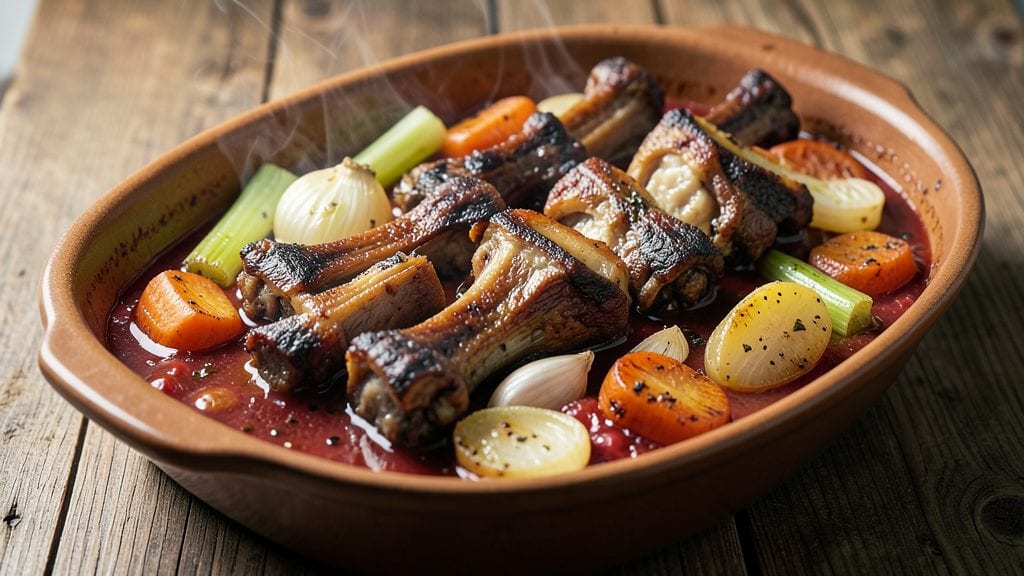
Transforming beef bones into a deeply flavorful dish is where home cooking meets restaurant-quality craftsmanship. This slow-braised beef bones recipe unlocks layers of umami richness that turn simple ingredients into something extraordinary.
I developed this method after years of experimenting with bone broths and braised meats, and it never fails to impress—even skeptical eaters.
The secret lies in the slow cooking process, where collagen-rich bones melt into a velvety broth while absorbing aromatic spices and vegetables.
You'll start with a quick roast to deepen the meat's natural flavors, then simmer everything for hours until the bones are tender and the broth reduces to perfect consistency. This isn't just a recipe; it's a technique that transforms tough cuts into melt-in-your-mouth perfection.
What you'll end up with is a dish that smells like homecoming—golden-brown bones resting in a glossy, aromatic sauce that clings to every bite.
The meat falls effortlessly from the bones, and the broth is rich enough to sip straight from the pot or use as a base for other meals. This is comfort food at its finest, the kind of dish that makes weeknights feel special.
Perfect for feeding a crowd or meal prepping for the week, this recipe delivers restaurant-quality results without the fuss. The bones can be used immediately or stored for future use, making it incredibly versatile. Let's get started on creating this deeply satisfying dish that'll have everyone asking for seconds.
Ingredients for beef bones
Sixteen ingredients transform tough bones into restaurant-quality umami richness through slow braising.
| Ingredient | Amount | Notes |
|---|---|---|
| Beef Bones (Marrow and Knuckle) 🦴 | 4 lb | Raw, uncooked, organic preferred |
| Yellow Onions 🧅 | 2 whole | Medium size, roughly chopped |
| Carrots 🥕 | 4 whole | Large, peeled, cut into chunks |
| Celery Stalks 🌿 | 4 whole | Fresh, cut into 2-inch pieces |
| Garlic Cloves 🧄 | 8 cloves | Peeled, smashed for aroma |
| Tomatoes 🍅 | 4 whole | Roma or vine-ripened, halved |
| Red Wine 🍷 | 2 cups | Bold, dry variety like Cabernet |
| Beef Broth 💧 | 4 cups | Homemade or high-quality store-bought |
| Bay Leaves 🌿 | 2 whole | Dried, standard size |
| Fresh Thyme 🌿 | ¼ cup | Stems removed, chopped |
| Black Peppercorns 🌶️ | 1 tbsp | Freshly cracked, coarse grind |
| Kosher Salt 🧂 | 1 ½ tbsp | Coarse grain preferred |
| Olive Oil 🫒 | ¼ cup | Extra-virgin for roasting |
| Tomato Paste 🍅 | ½ cup | High-quality, no sugar added |
The bones are the foundation—look for marrow and knuckle cuts at your butcher or Costco's bulk section for the best flavor. Organic bones have less residue, but conventional works fine if you rinse them well. Whole Foods or local butchers often carry higher-quality cuts, but don't overlook the meat section at Walmart or Kroger—their frozen beef bones are surprisingly good. For maximum richness, pat them dry before roasting and don't skip the browning step—this builds deep flavor through the Maillard reaction. If you can't find marrow bones, substitute with beef shanks (adjust cooking time to 3-4 hours instead of 2).
Red wine adds complexity, but any bold, dry red works—Cabernet Sauvignon, Merlot, or even a cheap Trader Joe's house red. No wine? Substitute with extra beef broth plus 2 tbsp balsamic vinegar. Fresh thyme is ideal, but dried thyme at one-third the amount works in a pinch. For tomato paste, avoid the canned kind with sugar—Mueller's or Barilla are reliable brands. The carrots and celery can be baby versions if that's what's available, but whole stalks release more flavor. If you're short on time, parboil the vegetables for 5 minutes before adding them to the pot.
This dish tastes even better the next day as flavors meld. Store in the fridge for up to 5 days or freeze for 3 months—the broth thickens beautifully when reheated. For meal prep, portion into individual containers with bones and sauce; reheat on the stovetop for 10 minutes. The bones can be roasted ahead and refrigerated for 2 days before braising, or frozen for 2 months—just thaw completely before cooking. If you make extra broth, strain and freeze it for future soups and stews.
Why You'll Love This Recipe
- Hands-Off Roast: I swear by this—just toss the bones with onions, carrots, and celery (the classic trio), add garlic, and let the oven do the work. No stirring, no babysitting, no stress. By the time you’ve made dinner plans, this’ll be ready.
- Marrow Magic: That golden, buttery marrow sliding out of the bone? It’s the star. The knuckles add rich, meaty depth, while the garlic and onions caramelize into something so savory, you’ll forget takeout exists. (Yes, even on a Tuesday night.)
- Leftovers That Work: The bones stay tender for days, perfect for quick lunches or tossing into soups. Honestly, the second batch is often better—more flavor concentrated, less effort. I keep a stash in the fridge for lazy days.
- Budget Bone Steal: You get two meals for the price of one: the bones themselves and the broth they render. Between us, this is how I feed my family for weeks without breaking the bank. Plus, the veggies stretch the flavor further—no wasted ingredients here.
Step-by-step instructions for slow-braised beef bones
This method transforms tough beef bones into rich, flavorful braised bones with deep umami essence.
Roast the Bones and Vegetables for Depth of Flavor
Preheat your oven to 425°F. Place the 4 lb beef bones (marrow and knuckle) on a rimmed baking sheet and roast for 30 minutes, turning occasionally, until they develop a deep golden-brown crust. This step caramelizes the natural sugars and creates a rich foundation for the braise.
While the bones roast, combine 2 whole yellow onions (roughly chopped), 4 whole carrots (peeled and cut into chunks), 4 whole celery stalks (cut into 2-inch pieces), and 8 cloves garlic cloves (peeled and smashed) on a separate baking sheet. Drizzle with 0.25 cup olive oil, toss to coat evenly, and roast alongside the bones for 25-30 minutes until the vegetables soften and begin to caramelize. This roasting process enhances their natural sweetness and builds complex flavors.
Build the Braising Liquids and Deglaze the Pan
Transfer the roasted bones and vegetables to a large, heavy pot—Dutch oven works best. In the same baking sheet, deglaze with 2 cups red wine, scraping up all the browned bits from the bottom. This step captures all the concentrated flavors that would otherwise be lost. Pour the wine into the pot and bring to a gentle simmer over medium heat. Let it reduce by half, which will intensify the wine's flavor.
Add 4 cups beef broth, 0.5 cup tomato paste, 2 whole bay leaves, 0.25 cup fresh thyme, 1 tbsp black peppercorns, and 1.5 tbsp kosher salt. Stir well to combine, ensuring all the ingredients are fully incorporated. The tomato paste will thicken the braise slightly, while the aromatics infuse the liquid with layers of flavor. The mixture should smell rich and aromatic—this is your signal that the base is developing properly.
Braise the Bones Low and Slow
Return the pot to a gentle simmer (small bubbles should break the surface occasionally) and cover with a tight-fitting lid. Reduce heat to low and let the bones braise for 3-4 hours. This long, slow cook time is critical—it breaks down the collagen in the bones and connective tissue, transforming them into tender, flavorful morsels. Check occasionally to ensure the liquid doesn't reduce too much; if it does, add a splash of water or broth.
After 3 hours, add the 4 whole tomatoes (halved) to the pot. The acidity from the tomatoes will brighten the braise and add another layer of complexity. Continue braising for another 30-45 minutes, until the bones are fork-tender and the liquid has thickened into a rich, velvety sauce. The bones should easily separate from the marrow, and the vegetables should be completely tender. This is the moment that matters: patience pays off with deeply flavorful results.
Rest and Serve for Maximum Richness
Once the bones are fully braised, remove the pot from heat and let the contents rest for 15-20 minutes. This resting period allows the flavors to meld and the bones to absorb the remaining liquid, ensuring every bite is infused with richness. Skim any excess fat from the surface if desired, though it adds delicious flavor if left in.
Serve the braised bones directly from the pot, ensuring each serving includes both the tender bones and the flavorful sauce. The marrow should be creamy and rich, while the knuckle bones will offer hearty, meaty texture. Pair with crusty bread to soak up every last drop of the umami-packed sauce. The result is a deeply satisfying dish that highlights the natural richness of the bones and vegetables.
Pro Tips For Making Beef Bones
- Blister the Bones First: Before adding anything else, sear the bones in a dry pot over medium-high heat until they’re deeply browned—this isn’t just for looks. The Maillard reaction kicks in, and that caramelized crust is what builds flavor later. I used to skip this, and my broth always tasted flat.
- Chop Onions Like a Pro: Don’t just dice those yellow onions—cut them into ½-inch chunks and leave the skins on for the first 30 minutes. The skins add color and texture, and larger pieces render slower, keeping the pot from steaming instead of browning. (Yes, even if it looks messy at first.)
- Don’t Rush the Deglaze: After browning the bones, walk away for 5 minutes before adding liquid. Let those fond bits cool slightly—adding cold water or stock too soon just dilutes the flavor. I learned this the hard way when my first batch turned out watery.
- Save Time with Frozen Garlic: Skip peeling fresh garlic cloves mid-recipe by using frozen garlic chunks straight from the bag. They thaw as they cook, and you avoid the hassle of mincing. Just toss them in whole—they’ll soften and infuse flavor just like fresh. (Your hands will thank you.)
Perfect pairings for beef bones
Bread Pairings
Crusty baguette-style bread is my go-to choice for soaking up the rich, umami sauce from these braised bones. Look for a freshly baked loaf from your local bakery or a French-style baguette from the grocery store's bakery section.
The crispy crust contrasts perfectly with the tender bones and velvety sauce. For an extra touch, brush the bread with garlic-infused olive oil before serving. 🥖
If you prefer something heartier, sourdough bread adds a tangy depth that complements the dish beautifully. I love using a thick-cut sourdough from a neighborhood bakery—its dense texture holds up well to the rich sauce.
For a gluten-free option, rosemary focaccia made with almond flour works surprisingly well and adds a fragrant herbal note.
Vegetable Sides
A simple sautéed green bean salad with shallots and lemon zest provides a bright, fresh contrast to the richness of the braised bones. Toss 1 lb green beans with 2 tbsp olive oil, 2 minced shallots, and 1 tbsp lemon juice after blanching for 2 minutes.
The acidity cuts through the richness, balancing the dish perfectly. 🥦
For a heartier side, roasted Brussels sprouts with balsamic glaze add a caramelized sweetness. Toss 1 lb halved Brussels sprouts with 2 tbsp olive oil, 1 tbsp maple syrup, ½ tsp smoked paprika, and roast at 400°F for 20 minutes until crispy.
The smoky-sweet flavor pairs wonderfully with the umami depth of the braised bones.
Wine Pairings
A bold Cabernet Sauvignon from Napa Valley is my top recommendation for this dish. Its dark fruit flavors and tannic structure stand up to the richness of the braised bones while complementing the wine's acidity.
Look for a 2018 or newer vintage from brands like Caymus Vineyards or Opus One for a balanced, elegant pairing. 🍷
If you prefer red blends, a Zinfandel or Syrah-based blend from California works beautifully. The blackberry and spice notes in these wines mirror the complexity of the braised bones. For a more budget-friendly option, try a Trader Joe's Charles Shaw Cabernet Sauvignon—it's surprisingly well-balanced for the price.
Beer Pairings
A Belgian-style dubbel with its malty sweetness and spiced notes is an unexpected but fantastic match. Brands like Westmalle Dubbel or Chimay Blue add a rich, caramel depth that complements the umami flavors without overpowering them. The slight tartness in these beers also helps cleanse your palate between bites. 🍺
For a lighter option, a German Dunkelweizen with its banana and clove notes provides a refreshing contrast. Look for brands like Weihenstephaner Hefeweizen Dunkel or Schneider Weisse Dunkel—these beers are crisp yet complex enough to pair well with the dish.
If you prefer something hoppier, a session IPA with citrus notes can cut through the richness, though it may compete with the dish's bold flavors.
Nutrition facts
Frequently asked questions
What's the best way to clean beef bones before cooking?
Rinse bones under cold water and scrub with a stiff brush to remove any residue or blood. Pat them completely dry with paper towels before roasting—this helps them brown better and creates deeper flavor. For extra clean bones, soak them in cold water for 30 minutes before scrubbing.
Can I use frozen beef bones instead of fresh?
Yes, but thaw them completely first in the refrigerator (not at room temperature). Frozen bones take longer to roast and braise, so add an extra 30-45 minutes to both steps. The flavor will be just as rich, but the texture might be slightly different.
How do I know when the bones are fully cooked?
Bones are done when they're fork-tender and easily separate from the marrow. The knuckle bones should have soft, meaty centers, and the marrow should be creamy. If they're still tough after 4 hours, add 1 cup water and continue cooking for another 30 minutes.
Can I make this recipe in a slow cooker?
Roast the bones and vegetables first, then transfer everything to a 6-quart slow cooker. Add all liquids and spices, then cook on low for 8-10 hours or high for 5-6 hours. The slow cooker's gentle heat works perfectly for this dish.
What can I do with leftover braising liquid?
Strain and freeze the broth for future soups, stews, or risottos. The rich liquid makes an excellent base for mashed potatoes or gravy. For immediate use, reduce it on the stovetop to make a concentrated sauce for pasta or meat dishes.