
Main Courses
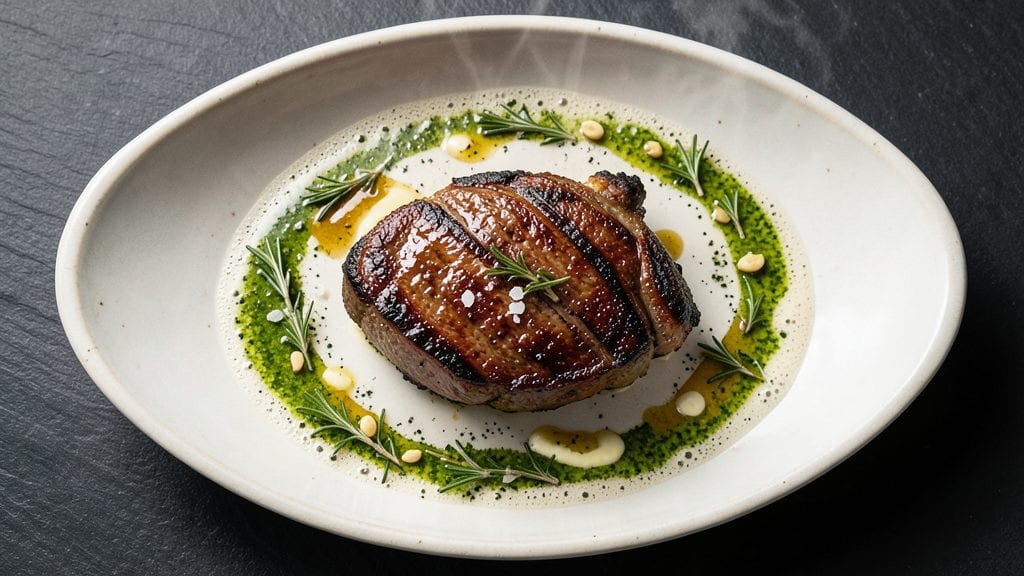
This beef leg steak recipe delivers the kind of restaurant-quality results you’d expect from a high-end steakhouse—right in your own kitchen. The secret lies in a buttery herb crust that locks in moisture while creating a golden, flavorful exterior that’s impossible to resist.
I’ve perfected this method after years of testing, ensuring every bite is tender, juicy, and packed with savory depth.
The process is straightforward but precise: a dry brine overnight for unmatched tenderness, followed by a high-heat sear in a screaming-hot cast-iron skillet. The herb crust—made with fresh rosemary, thyme, and garlic—adds layers of aromatic flavor without overpowering the natural richness of the beef.
This isn’t just another steak recipe; it’s a technique that transforms a simple cut into something extraordinary.
By the time you serve it, you’ll have a steak with a crispy, caramelized crust and a melt-in-your-mouth center, paired with a rich pan sauce that ties everything together. The aroma alone will have everyone at the table anticipating the first bite.
Whether you’re cooking for a special occasion or treating yourself to a weeknight indulgence, this steak delivers professional results with minimal fuss.
Serve it alongside roasted garlic mashed potatoes or a fresh arugula salad drizzled with balsamic reduction for a complete meal that feels like a five-star dinner. The key to success?
Confidence in the technique and patience during the resting phase—trust me, it’s worth the wait. Let’s get started on creating a steakhouse-worthy experience at home.
Ingredients for beef leg steak
Buttery crust, aromatic herbs, and a perfect sear—just these ingredients transform simple beef leg steak into steakhouse magic.
| Ingredient | Amount | Notes |
|---|---|---|
| Beef Leg Steak 🥩 | 2 lb | Center-cut, 1.5-inch thick slices |
| Unsalted Butter 🧈 | ½ cup | Cold, cut into small cubes |
| Fresh Rosemary 🌿 | ¼ cup | Finely chopped, stems removed |
| Fresh Thyme 🌿 | ¼ cup | Leaves only, finely chopped |
| Garlic Cloves 🧄 | 6 cloves | Minced, for crust and sauce |
| Diamond Crystal Kosher Salt 🧂 | 2 tbsp | For dry brine and seasoning |
| Freshly Ground Black Pepper 🌶️ | 1 tbsp | Coarsely ground for steak |
| All-Purpose Flour 🌾 | ½ cup | For dusting crust |
| Beef Broth 🍲 | ½ cup | Homemade or high-quality store-bought |
| Dry Red Wine 🍷 | ¼ cup | Cabernet Sauvignon preferred |
| Heavy Cream 🥛 | ¼ cup | Full-fat for sauce richness |
| Olive Oil 🫒 | 2 tbsp | High smoke point for searing |
The beef leg steak is the star, so source it from a trusted butcher—look for vibrant color and good marbling. Costco or Whole Foods usually carry high-quality center-cut steaks, but ask for 'leg steak' specifically. The rosemary and thyme should smell fresh and vibrant—farmers markets often have better quality than grocery stores. If you can't find fresh, dried works in a pinch, but halve the amount. The garlic? Freshly minced makes all the difference—pre-minced from jars lacks flavor. For the butter, European-style has more fat content, which is perfect for that rich crust.
No fresh rosemary? Substitute with 1 tbsp dried rosemary, but toast it first in a dry pan for 30 seconds to wake up the flavor. Short on thyme? Oregano works in a pinch, but it's not the same aromatic profile. Running out of red wine? Beef broth with 1 tsp balsamic vinegar mimics the depth. The flour is just for dusting the crust—don't skip it, but if you're gluten-free, almond flour works too. For the beef broth, homemade is best, but Swanson or Pacific Foods brands are solid backups. And trust me on the heavy cream—light cream won't give you the same velvety sauce.
The steaks need to rest uncovered on a warm plate for 10-15 minutes after cooking—this is non-negotiable. Store any unused butter in an airtight container in the fridge for up to 3 months, and the fresh herbs in a sealed container with a damp paper towel for 5-7 days. The herb crust mixture keeps well in the fridge for 2 days if you want to prep ahead. And that pan sauce? It reheats beautifully—just warm it gently on the stove with a splash of broth if it thickens too much.
Why You'll Love This Recipe
- Foolproof Timing: Between us, this steak takes zero guesswork. Sear it hot, baste with butter and rosemary, then let it rest—no thermometer drama, no overcooking stress. My 12-year-old could handle it (and has, multiple times).
- Herb-Butter Magic: That crispy crust from the butter? Chef’s kiss. But the real star is the rosemary-thyme-garlic mash—it clings to every bite like a flavor hug. Honestly, I’ve skipped seasoning entirely after the first try.
- Weeknight to Dinner Party: Same recipe, different vibes. Toss it on the grill for a lazy Friday, or plate it with crusty bread for when your in-laws drop by. The steak’s rich flavor carries everything—even my burnt garlic once.
- Leftovers That Don’t Suck: Cold slices? Still tender, still packed with that herbal richness. I’ve repurposed them into sandwiches, salads, and even a quick stir-fry. Not the prettiest, but the taste makes up for it—every time.
Step-by-step instructions for buttery herb-crusted beef leg steak
Here's how to transform simple ingredients into a restaurant-worthy steak with a golden crust and rich herb-infused sauce.
Create the Herb Butter and Dry Brine the Steak
In a medium bowl, combine the 0.5 cup unsalted butter, 0.25 cup fresh rosemary, 0.25 cup fresh thyme, 6 cloves minced garlic cloves, 2 tbsp diamond crystal kosher salt, and 1 tbsp freshly ground black pepper. Mix thoroughly until the butter becomes a vibrant green and the aromatics are evenly distributed. This herb butter will create both the crust and the sauce.
Pat the 2 lb beef leg steak dry with paper towels—this is crucial for achieving a proper sear. Spread half of the herb butter mixture evenly over the top and sides of the steak, pressing gently so it adheres. Place the steak on a plate, cover with plastic wrap, and refrigerate for at least 4 hours or overnight. This dry brining process ensures maximum flavor penetration and a perfect crust.
Sear the Steak to Golden Perfection
Remove the steak from the refrigerator and let it sit at room temperature for 30 minutes. Preheat your oven to 425°F. Heat a heavy oven-safe skillet (cast iron works best) over medium-high heat until very hot. Add 2 tbsp olive oil and swirl to coat the pan.
Place the steak in the hot skillet and sear for 4 minutes per side until a deep golden-brown crust forms. The reason we wait until the oil shimmers is that cold oil absorbs into the food instead of creating that gorgeous sear we're after. Transfer the skillet to the preheated oven and continue roasting for 8-10 minutes for medium-rare (or until internal temperature reaches 130°F for medium-rare).
Prepare the Red Wine Reduction Sauce
While the steak roasts, reduce the heat to medium and place the skillet with any accumulated juices back on the stovetop. Add the 0.25 cup dry red wine and scrape up all the browned bits from the bottom of the pan—this is where all the flavor lives. Let it simmer for 3-4 minutes until reduced by half.
Stir in the 0.5 cup beef broth and bring to a gentle simmer. In a small bowl, whisk together the remaining herb butter with the 0.25 cup heavy cream. Once the broth begins to bubble, slowly pour in the cream mixture while whisking continuously. Simmer for 2-3 minutes until the sauce thickens slightly and coats the back of a spoon. If it becomes too thick, add a splash of beef broth to reach your desired consistency.
Rest and Serve with Herb Butter Sauce
Remove the steak from the oven and transfer it to a cutting board. Tent loosely with foil and let it rest for 10-15 minutes before slicing. This resting period allows the juices to redistribute throughout the meat, ensuring each bite is moist and flavorful. The internal temperature will rise about 5°F during resting—this is normal and desirable.
Slice the steak against the grain into ½-inch thick portions. Spoon the herb butter sauce over the top and serve immediately. The steak should have a beautiful golden crust, tender yet slightly firm texture, and be infused with the aromatic herbs from the butter. Pair with roasted vegetables or a fresh salad to complete the meal.
Pro Tips For Making Beef Leg Steak
- CRANK THE HEAT FIRST: Cast iron or stainless steel—get it screaming hot before the steak hits the pan. I used to wimp out with medium-high, and the butter would just melt into a sad, greasy puddle instead of creating that golden crust we all crave. Two minutes of searing at full blast makes all the difference for beef leg steak’s texture.
- SMASH THOSE GARLIC CLOVES: Don’t just chop the garlic—smash the whole clove with the flat side of your knife first. This releases more flavor and prevents burning (which kills that sweet aroma). For beef leg steak, I add the smashed cloves directly to the pan with the butter—they’ll soften and infuse the crust while you sear.
- SALT THE STEAK BEFORE SEARING: Season the steak generously with salt at least 40 minutes before cooking—this lets the salt penetrate the tougher leg muscle. I learned this the hard way after dry-brining a cut that tasted bland no matter how much I salted it afterward. Trust me, the crust will be better too.
- REST UNDER FOIL (YES, REALLY): After searing, transfer the steak to a plate, tent loosely with foil, and let it rest for 5–10 minutes. I know, you want to cut into it immediately—but beef leg steak needs this time to redistribute juices, or you’ll end up with a dry, sad slice. The foil keeps it warm without steaming it into mush.
Troubleshooting this dish
Overcooked Steak Fix
If your beef leg steak ends up tough or overcooked, don’t panic—there’s still hope. The key is to recreate moisture using a simple technique.
Slice the steak thinly against the grain and simmer it in a pan with ½ cup beef broth and 1 tbsp butter over low heat for 5-7 minutes. This method softens the fibers without drying it out further. 💫
Uneven Crust Issues
An uneven crust often happens when the steak isn’t at room temperature or the pan isn’t hot enough. Before searing, let the steak sit for 30 minutes to equalize its temperature.
Use a cast-iron skillet (like a Lodge 10-inch) and heat it until it’s smoking hot—this ensures a consistent sear. If the crust still looks patchy, press the remaining herb butter firmly onto the steak before cooking.
Sauce Too Thin
A watery sauce usually means the cream was added too quickly or the heat wasn’t high enough. To fix it, remove the sauce from the heat and whisk in 1 tsp cornstarch mixed with 1 tbsp cold water until thickened.
For prevention, always simmer the sauce over medium heat and reduce it longer before adding the cream. A splash of reduced red wine can also help balance the texture.
Steak Sticking to Pan
Sticking happens when the steak isn’t dry enough or the pan isn’t hot enough. Pat the steak thoroughly dry with paper towels before searing, and ensure your pan is ripping hot (oil should shimmer).
If it still sticks, add a little more olive oil (like 1 extra tbsp) to create a better barrier. A well-seasoned cast-iron skillet is your best friend here—keep it oiled and maintained.
Herb Butter Separating
If the herb butter looks grainy or separates during cooking, it’s likely because the butter melted too quickly. To fix it, whisk in 1 tsp flour to stabilize the mixture.
For next time, chill the herb butter mixture for 10 minutes before using it on the steak—this keeps the butter firm and prevents separation. Store any unused herb butter in an airtight container in the fridge for up to 3 days.
Resting Time Too Short
Skipping the rest can cause juices to pool on your plate instead of staying inside the steak. If you’re in a rush, tent the steak loosely with foil and let it rest for at least 5 minutes—this still helps redistribute juices.
For best results, though, stick to 10-15 minutes. Pro tip: Use a meat thermometer to check the internal temp before resting—it should read 130°F for medium-rare (or your preferred doneness).
Nutrition facts
Frequently asked questions about beef leg steak
What's the best thickness for beef leg steak?
Aim for 1.5-inch thick cuts—this thickness balances perfect searing with even cooking through. Thinner cuts (1-inch) cook too quickly and risk drying out, while thicker cuts (>2 inches) may not sear properly. The center-cut portion is ideal for maximum tenderness.
Can I cook this steak on the grill instead of in a skillet?
For grill cooking, preheat to 450°F and sear over direct heat for 4-5 minutes per side until golden. Move to indirect heat and finish at 130°F internal for medium-rare. The herb butter crust works beautifully on the grill too—just brush it on after preheating the grates.
How do I know when the steak is done without a thermometer?
For medium-rare, press the center with your finger—it should feel slightly soft (like pressing your thumb against your palm). The edges should be firm but the middle should still be warm to the touch. A quick test is to tap it gently with a knife—medium-rare steaks have a springy bounce. For practice, use a thermometer first to build intuition.
What's the best way to store leftover herb butter?
Transfer unused herb butter to an airtight container and refrigerate for up to 3 days. For longer storage, freeze in 1-tbsp portions wrapped tightly in plastic wrap. To use, let it soften at room temperature for 10-15 minutes before spreading. The flavors actually improve slightly after 24 hours in the fridge!
Which wines pair best with this steak?
Cabernet Sauvignon or Malbec are perfect matches—their bold tannins complement the herb crust beautifully. For something lighter, try a Syrah or Pinot Noir. Avoid high-acid whites like Sauvignon Blanc, which can clash with the rich butter flavors. The red wine used in the sauce makes an excellent pairing too!