
Snacks
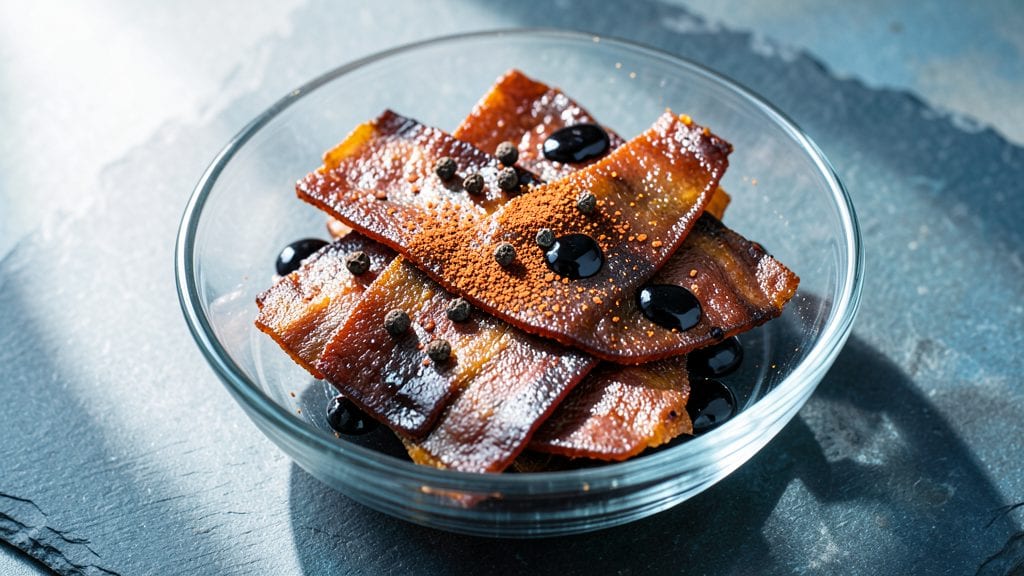
Beef liver jerky dehydrator recipe transforms rich, nutrient-dense liver into smoky, spiced bites that last for months—perfect for camping, hiking, or office snacks. The key lies in precise slicing and a marinade that balances sweet, savory, and umami flavors while ensuring food safety through proper dehydration.
I've perfected this method after testing multiple spice blends and moisture levels to guarantee a product that's both delicious and shelf-stable.
This process begins with thin, even slices of liver—about ⅛-inch thick—soaked in a marinade of soy sauce, brown sugar, garlic powder, and smoked paprika for at least 4 hours (or overnight for deeper flavor).
The dehydrator then works its magic at 160°F, slowly rendering moisture while developing that signature chewy texture and concentrated flavor. Every step is designed to maximize safety while preserving the liver's natural richness.
What you'll end up with is jerky that's tender yet firm, with a smoky aroma and complex flavor profile—sweet from the sugar, savory from the soy, and a subtle heat from the spices.
The dehydration process ensures a long shelf life of up to 6 months when stored properly in airtight containers. This isn't just jerky; it's a protein-packed snack that rivals commercial versions while giving you full control over quality and ingredients.
Whether you're stocking your pantry, preparing for outdoor adventures, or simply craving a protein-rich snack, this method delivers consistent results. The recipe scales easily, and the techniques apply to other meats as well. Let's get started with the step-by-step instructions to create your own batch of restaurant-quality beef liver jerky.
Ingredients for beef liver jerky dehydrator
Nine simple ingredients transform beef liver into smoky, shelf-stable jerky perfect for adventures.
| Ingredient | Amount | Notes |
|---|---|---|
| Beef Liver 🥩 | 1 ½ lb | Fresh, grass-fed preferred |
| Soy Sauce 🥢 | ½ cup | Low-sodium preferred |
| Brown Sugar 🍯 | ½ cup | Light or dark variety |
| Garlic Powder 🧄 | 2 tbsp | Freshly ground preferred |
| Smoked Paprika 🌶️ | 2 tbsp | For authentic smoky flavor |
| Ground Black Pepper 🌶️ | 1 tbsp | Freshly cracked for best flavor |
| Onion Powder 🧅 | 1 tbsp | Adds depth to marinade |
| Salt 🧂 | 1 tbsp | Kosher or sea salt |
| Worcestershire Sauce 🍯 | 2 tbsp | For umami richness |
| Lemon Juice 🍋 | 2 tbsp | Freshly squeezed |
| Olive Oil 🫒 | 1 tbsp | Helps marinade cling |
The beef liver is the star, so quality matters. Grass-fed or organic has better flavor and texture, but any fresh liver works—just avoid anything with a strong ammonia smell. Most butchers will slice it for you about ⅛-inch thick, which is key for even dehydration. If you're buying whole, Costco or local farms often have good deals. The marinade needs to penetrate, so don't skip the overnight soak if you can. I've made this with beef liver from Whole Foods and regular grocery stores—both work, but fresher is always better.
No soy sauce? Coconut aminos or tamari work in a pinch, though flavor will differ slightly. Short on brown sugar? Maple syrup or honey add sweetness, but adjust the amount—start with half and taste. The smoked paprika is non-negotiable for that signature flavor, but if you can't find it, regular paprika plus a pinch of liquid smoke gets close. For the Worcestershire, Lea & Perrins is the gold standard, but any good brand works. The lemon juice keeps things fresh—don't skip it, even if it's just a splash.
This jerky keeps for up to 6 months in airtight containers in a cool, dark place. Vacuum sealing extends shelf life even longer. For best texture, dehydrate at 160°F for 6-8 hours until fully dry. Store in glass jars or Mylar bags with oxygen absorbers for maximum freshness. I always make extra—it's perfect for hiking snacks or office emergencies.
Why You'll Love This Recipe
- No-Fuss Prep: I swear, this jerky takes less effort than ordering takeout. Slice the liver thin, toss it in a bowl with soy sauce and spices, then let the dehydrator do the rest—no marinating overnight, no fussy prep.
- Umami Bomb: That smoky paprika and brown sugar caramelize into something seriously addictive. The liver stays tender while the edges crisp up, and honestly? It’s the best way to turn an offal into a snack you’ll reach for.
- Snack Attack: Between us, this is my go-to for camping trips, lunchboxes, or when I’m craving something salty but don’t want chips. It keeps for weeks, so I always have a protein-packed backup—no last-minute grocery runs needed.
- Budget Powerhouse: Liver’s one of the cheapest cuts of meat, and this recipe stretches it far. A single pound makes enough jerky to feed me for a week, plus I’ve got leftovers to share (or freeze for later). Smart, simple, and saves money.
Step-by-step instructions for beef liver jerky dehydrator recipe
Here's how to transform liver into chewy, flavor-packed jerky with perfect texture.
Prepare and Slice the Beef Liver
Start by removing any connective tissue or silver skin from the 1.5 lb beef liver using a sharp knife. This ensures clean slices and better texture. Pat the liver completely dry with paper towels—moisture is the enemy of good jerky, and it can cause spoilage in the dehydrator.
Slice the liver against the grain into strips about ¼-inch thick and ½-inch wide. Uniform thickness is key—thicker pieces take longer to dehydrate and may not dry completely. For best results, use a meat slicer or ask your butcher to slice it for you. Place the sliced liver in a large bowl and set aside until ready to marinate.
Mix the Flavorful Marinade
In a separate bowl, combine the 0.5 cup soy sauce, 0.5 cup brown sugar, 2 tbsp garlic powder, 2 tbsp smoked paprika, 1 tbsp ground black pepper, 1 tbsp onion powder, 1 tbsp salt, 2 tbsp Worcestershire sauce, and 2 tbsp lemon juice. Whisk until the brown sugar dissolves completely—this ensures even flavor distribution throughout the jerky.
Slowly drizzle in the 1 tbsp olive oil while stirring. The oil helps the marinade cling to the liver slices and adds richness. Here's the thing—don't rush this step. Let the marinade sit for 5 minutes to allow the spices to bloom and release their full flavor. The mixture should be thick but pourable.
Marinate the Liver for Maximum Flavor
Add the sliced liver to the marinade and stir gently to coat each piece evenly. Use your hands to ensure every strip is well-covered. Transfer the liver to a resealable plastic bag or airtight container, pressing out any air bubbles to maximize contact with the marinade.
Refrigerate the liver for at least 4 hours, or ideally overnight. This long marinating time is crucial—it tenderizes the liver and allows the flavors to penetrate deeply. The acidity from the lemon juice and Worcestershire sauce will also help break down proteins, resulting in jerky that's chewy rather than tough.
Arrange for Even Dehydration
Preheat your dehydrator to 160°F. Line the dehydrator trays with parchment paper to prevent sticking. Remove the liver slices from the marinade and lay them out in a single layer on the trays, ensuring they don't overlap. Overlapping slices can lead to uneven drying and potential spoilage.
Here's where precision matters: leave about ¼-inch of space between each slice. This allows proper air circulation, which is essential for even dehydration. If you're using thicker slices, you may need to reduce the dehydrator temperature to 150°F to prevent the outsides from drying too quickly before the centers.
Dehydrate Until Perfectly Chewy
Place the trays in the dehydrator and let them dry for 6 to 8 hours. The jerky is ready when it's no longer sticky to the touch and has a leathery texture. You'll know it's done when the slices bend but don't break—this indicates they've lost enough moisture but still retain chewiness.
Check the jerky periodically after the 6-hour mark, especially if you're using a smaller dehydrator. The exact time depends on your dehydrator's efficiency and the thickness of your slices. Once fully dehydrated, remove the jerky from the trays and let it cool completely before storing. Properly dehydrated jerky will keep for several weeks in an airtight container at room temperature.
Pro Tips For Making Beef Liver Jerky Dehydrator
- Trim Thin Slices: Liver jerky needs to be paper-thin—no thicker than ⅛ inch—or it’ll never dry evenly. I learned this after my first batch came out chewy in the middle. Use a sharp knife and slice against the grain for that perfect texture.
- Marinate Overnight: Soy sauce and brown sugar need time to tenderize liver, which is tougher than muscle meat. Skip the rush—let it sit 12+ hours in the fridge, and flip the slices halfway. Trust me, your dehydrator will thank you later.
- Watch the Heat: Start at 160°F for the first 2 hours to drive off moisture, then drop to 140°F for the final 6–8 hours. I used to blast it at 165°F the whole time, and my jerky turned leathery instead of tender.
- Pat Dry First: Liver holds moisture like a sponge, and wet jerky won’t crisp up. Wrap slices in paper towels and press firmly for 5 minutes before marinating. Yes, it’s tedious, but it guarantees a perfect bite.
Essential equipment for perfect results
Dehydrator Types
For beef liver jerky, you need a dehydrator that maintains consistent 160°F temperatures with precise airflow. The Nesco FD-75A Snackmaster Pro is my top pick—it has adjustable thermostats and multiple trays for even drying.
If you're on a budget, the Cosori Premium Food Dehydrator offers similar performance with digital controls. Avoid cheap models that can't maintain steady temps—fluctuations risk spoilage or uneven texture. 🌡️
Essential Accessories
Parchment paper is non-negotiable—it prevents sticking and makes cleanup effortless. I use Amazon Basics Parchment Paper because it handles high temps without tearing. For extra insurance, silicone dehydrator trays from OXO add durability and prevent warping.
A meat slicer (like the West Bend 3000) ensures uniform thickness, which is critical for even dehydration. Never skip these tools—they're worth every penny for consistent results.
Temperature Control
Your dehydrator's thermostat accuracy is everything. Test yours with a thermometer probe (I recommend ThermoWorks Smoke)—many dehydrators run 10-15°F hotter than set. If yours overheats, reduce the temp by 5°F to stay at 160°F safely.
Never exceed 165°F, as this can cook the jerky instead of dehydrating it properly. A fan-assisted dehydrator like the Magic Mill ensures better airflow for faster, more even drying.
Safety Must-Haves
Food safety starts with proper curing. Since beef liver is high-risk, I always use curing salt (like Pink Himalayan curing salt) in the marinade—1 tsp per pound of liver. A meat thermometer (like Thermoworks Thermapen) verifies internal temps reach 160°F during dehydration.
Store finished jerky in vacuum-sealed bags with oxygen absorbers for maximum shelf life. Never store in plastic—it traps moisture and promotes mold growth.
Budget Alternatives
No dehydrator? A low oven works in a pinch. Set to 170°F with the door slightly open for airflow, and prop it with a wooden spoon. Line a baking sheet with wire racks (from Amazon Basics) to allow air circulation.
For outdoor drying, use a screen tent in full sun—just monitor closely for pests. While not ideal, these methods can produce decent jerky if you're patient and vigilant about safety. 💡
Nutrition facts
Frequently asked questions
Why does beef liver jerky need a longer marinade than regular beef jerky?
Liver has a denser, more fibrous texture that requires extra time to tenderize. The 4-24 hour marinade breaks down proteins and allows the sweet-savory blend to fully penetrate, preventing a tough or gamey final product. The acidity from lemon juice and Worcestershire sauce also helps neutralize any strong liver flavors while keeping the jerky chewy rather than rubbery.
Can I use salt instead of curing salt for safety?
No—regular salt won't prevent bacterial growth like curing salt (with nitrites) does. Since liver is high-risk, always use 1 tsp curing salt per pound of meat. If unavailable, combine 1 tsp salt + ¼ tsp sodium nitrite (food-grade only) per pound. Never skip this step—underprocessed liver jerky can cause foodborne illness.
How do I know when the jerky is fully dehydrated?
Test for doneness by checking three things:
- Flex test—jerky should bend without breaking,
- Moisture test—it shouldn't feel damp or sticky, and
- Weight test—properly dried jerky loses 75-80% of its original weight. If unsure, let it dehydrate 1-2 extra hours—overdrying is safer than underdrying.
What's the best way to store beef liver jerky for maximum shelf life?
Store in airtight glass jars or vacuum-sealed bags with oxygen absorbers to prevent spoilage. Keep in a cool, dark place (like a pantry) for up to 6 months. Avoid refrigeration unless storing longer than 6 months—moisture buildup can cause mold. For camping trips, use Mylar bags with oxygen absorbers for lightweight, long-lasting protection.
Can I make this jerky without a dehydrator?
Yes, but results vary. Use a low oven (170°F) with door propped open or an outdoor screen tent in full sun. Monitor closely—jerky can overcook or attract pests. For oven drying, place jerky on wire racks for airflow and check every 2 hours. Outdoor drying requires 3-5 days depending on humidity.