
Main Courses
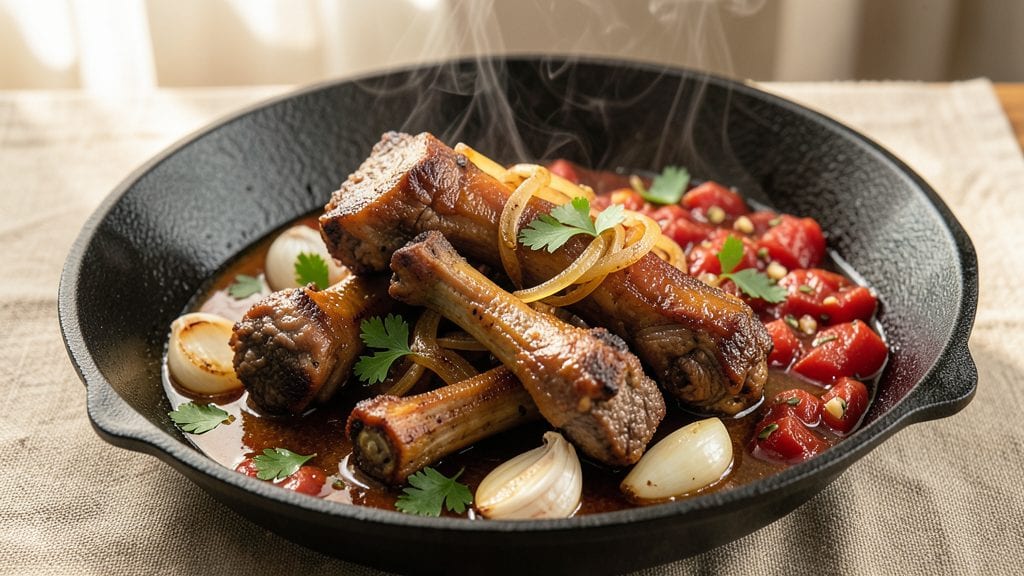
Transforming tough beef neck bones into a rich, umami-packed centerpiece takes patience—but the results are worth every minute. I spent weeks perfecting this slow-braised method after realizing how often home cooks discard these flavorful cuts.
The key? Letting collagen break down for hours until the meat practically melts off the bone, creating a broth so deeply savory it turns simple sides into a meal.
This recipe delivers restaurant-quality depth with just five core ingredients: beef neck bones, aromatics, wine, tomatoes, and time. The process transforms what many consider waste into a dish so tender and flavorful it becomes the star of your table.
What starts as a simple braise becomes a symphony of caramelized edges, velvety meat, and a sauce that thickens into a luxurious glaze.
By the time you serve it, you’ll have fall-apart beef swimming in a glossy, aromatic sauce that clings to every bite. The bones themselves become edible treasure, offering marrow so rich it’s worth the effort of cracking them open.
This isn’t just a recipe—it’s a technique that turns humble ingredients into something extraordinary, perfect for Sunday dinners or impressing guests.
Pair it with crusty bread to soak up every last drop of that deep umami sauce, or serve alongside roasted potatoes and greens for a complete meal. The leftovers? Even better the next day, as flavors meld into something even more complex. Let’s get started on creating this showstopper.
Ingredients for beef neck bones
Five core ingredients transform tough neck bones into restaurant-quality umami richness.
| Ingredient | Amount | Notes |
|---|---|---|
| Beef Neck Bones 🦴 | 4 lb | Raw, with marrow intact |
| Dry Red Wine 🍷 | 2 cups | Bold variety like Cabernet Sauvignon |
| Crushed Tomatoes 🍅 | 2 cups | San Marzano preferred for sweetness |
| Yellow Onion 🧅 | 2 whole | Chopped into 1/2-inch pieces |
| Garlic Cloves 🧄 | 6 cloves | Smashed for intense aroma |
| Carrots 🥕 | 4 whole | Cut into 1-inch chunks |
| Celery Stalks 🌿 | 4 whole | Cut into 1-inch pieces |
| Fresh Thyme 🌿 | 2 sprigs | Or 1 tbsp dried thyme |
| Fresh Rosemary 🌿 | 1 sprig | Woody stems removed |
| Bay Leaves 🍃 | 2 whole | Standard dried leaves |
| Diamond Crystal Kosher Salt 🧂 | 2 tsp | For seasoning and balancing |
| Freshly Ground Black Pepper 🌶️ | 1 tsp | Coarsely cracked |
| Extra-Virgin Olive Oil 🫒 | 2 tbsp | For initial searing |
| Beef Stock 💧 | 4 cups | Homemade preferred |
The beef neck bones are the foundation—look for thick, meaty sections with visible marrow. Local butchers often have them at better prices than grocery stores, and they'll clean them for you if asked. If you must buy at a supermarket, check the meat counter for pre-cut beef necks—they're usually sold in bulk bins. Freshness matters: the bones should smell clean, not ammonia-like, and the meat should be a deep red, not grayish. For maximum flavor, pat them dry before searing, as moisture can steam rather than brown. The wine should be bold and dry, with at least 12% alcohol—think Cabernet Sauvignon or Merlot. Avoid sweet dessert wines, as they'll overpower the dish. The crushed tomatoes should be San Marzano if possible, as their natural sweetness balances the acidity beautifully.
No red wine? Substitute with additional beef stock and a splash of balsamic vinegar—it adds depth without alcohol. Fresh thyme and rosemary can be swapped for dried at one-third the amount, but fresh herbs impart a brightness dried simply can't match. The aromatics—onion, garlic, carrots, and celery—form the 'soffritto' base that builds flavor. If you're short on time, pre-chop them all at once and store in an airtight container for up to 3 days. For the tomatoes, canned crushed tomatoes work perfectly, but if you're using fresh, roast them first to concentrate their sweetness. The beef stock can be homemade or high-quality store-bought—avoid the bouillon cubes, as they lack the complexity of real stock.
This dish rewards patience—plan for at least 3 hours of braising, but it's even better after 6 hours when collagen fully breaks down. Store leftovers in the original braising liquid in an airtight container for up to 5 days in the refrigerator. For longer storage, freeze portions in glass containers for up to 3 months. The sauce thickens as it cools, so add a splash of water or stock if it becomes too stiff when reheating. The bones themselves are edible treasure—crack them open at the table for a dramatic presentation and rich marrow to spoon onto crusty bread.
Why You'll Love This Recipe
- One-Pot Magic: I swear by this—just toss in the bones, a splash of red wine, and let the onions and garlic caramelize while you stir. No fancy gadgets, no stress, just rich, simmering goodness with minimal cleanup.
- Wine-Infused Depth: That dry red wine? It’s not just flavor—it’s the secret weapon. The acidity cuts through the richness of the beef, while the crushed tomatoes add a tangy sweetness that makes every bite feel like a little celebration.
- Weeknight & Potluck Star: Between us, this is my go-to for busy nights and when I’m feeding a crowd. The bones stay tender, the sauce thickens perfectly, and it reheats like a dream—whether it’s Tuesday or Thanksgiving leftovers.
- Budget-Friendly Luxury: Neck bones are cheap, but they taste like a steakhouse. I’ll be real: the first time I made this, I expected dry meat, but the slow simmer turns it into something so satisfying, you’d never guess it’s budget-friendly.
Step-by-step instructions for slow-braised beef neck bones
Transform tough beef neck bones into tender, flavorful braised meat using this precise method.
Sear the Bones for Deep Flavor
Pat the 4 lb beef neck bones completely dry with paper towels. Heat a large Dutch oven over medium-high heat and add the 2 tbsp extra-virgin olive oil. Once shimmering, carefully add the bones in a single layer, working in batches if needed. Sear for 8-10 minutes per side until deeply browned—this develops the rich, caramelized foundation for your braise.
Here's the thing—don't rush this step. The bones should develop a dark mahogany crust before moving forward. If you see steam instead of browning, reduce the heat slightly and give it more time. Remove the seared bones and set aside on a plate.
Build the Aromatic Base
In the same Dutch oven, add the chopped 2 whole yellow onion, smashed 6 cloves garlic, 1-inch chunks of 4 whole carrots, and 1-inch pieces of 4 whole celery stalks. Cook for 8-10 minutes until the vegetables soften and begin to caramelize—this sweetens the base and deepens the flavor profile.
Add the 2 sprigs fresh thyme, 1 sprig fresh rosemary (stems removed), and 2 whole bay leaves. Stir briefly to combine with the vegetables. Pour in the 2 cups dry red wine and scrape up any browned bits from the bottom of the pot—this releases all the flavor you worked so hard to develop during searing.
Braise Until Fork-Tender
Return the seared beef neck bones to the Dutch oven. Add the 2 cups crushed tomatoes and 4 cups beef stock. Bring to a gentle simmer, then reduce heat to maintain a low bubble just below boiling. Cover and braise for 3-4 hours until the meat is fork-tender and easily pulls away from the bone.
Real talk: Your oven might run hot, so start checking at the 20-minute mark. The bones are done when they separate cleanly from the bone with minimal resistance. If the liquid reduces too quickly, add 1-2 cups of hot water or beef stock to maintain coverage.
Finish with Seasoning
Once the meat is tender, remove the bones and strain the braising liquid through a fine-mesh sieve into a clean pot. Discard the solids. Return the strained liquid to medium heat and season with 2 tsp diamond crystal kosher salt and 1 tsp freshly ground black pepper. Simmer for 5-7 minutes to reduce slightly and intensify the flavors.
Return the beef neck bones to the sauce and let them warm through for 2-3 minutes. The meat should be coated in a rich, velvety sauce with deep umami notes from the long braising process. Serve immediately with crusty bread or over polenta to soak up every last drop of that luxurious sauce.
Pro Tips For Making Beef Neck Bones
- Brown the Bones First: Skip the slow start—sear those neck bones in a hot Dutch oven for 5-7 minutes per side until deep brown. I learned this the hard way: rushing the sear means flavor gets stuck in the pan instead of the meat. Use enough oil (about 2 tablespoons) so they sizzle properly—no crowding, or you’ll steam them.
- Deglaze with Wine: As soon as you remove the bones, pour in that dry red wine and scrape every last bit from the bottom. Let it bubble for 2 minutes before adding tomatoes—this pulls out the caramelized bits that make the sauce sing. (Yes, even if you’re impatient like me, don’t skip this step.)
- Crush Garlic Lightly: Don’t mince it into oblivion—leave those garlic cloves slightly whole (4-5 presses with a knife) so they infuse flavor without turning bitter. I was skeptical until I tried it: the texture stays intact, and the aroma lingers longer in the sauce.
- Simmer Low and Slow: After adding tomatoes and onions, reduce heat to a bare simmer—no boiling. Cover partially and let it cook for at least 2 hours, stirring occasionally. The wine will evaporate, the bones will fall off, and the sauce will thicken naturally. (Your future self will thank you for resisting the urge to rush.)
Wine and beer pairings for this recipe
Red Wine Harmony
The bold, earthy flavors of braised beef neck bones call for a wine with equal depth and structure. I always reach for a Cabernet Sauvignon from Napa Valley—its dark fruit notes and firm tannins mirror the dish's richness.
The 12-14% alcohol cuts through the fat while complementing the umami sauce. For something lighter but still elegant, a Merlot from Washington State offers velvety texture and red fruit undertones that enhance the tomatoes in the braise. 🍷
Beer Pairing Boldness
When I want to pair this dish with beer, I turn to a dark lager like Samuel Adams Black Lager. The malty sweetness and roasted barley notes create a beautiful contrast with the beef's savory depth.
For a hoppier option, a Belgian-style dubbel with its caramel and spice profile works wonderfully—just avoid overly bitter IPAs that would clash with the dish's richness. The beer's carbonation also helps cleanse the palate between bites.
Unexpected White Wine
Don't overlook white wine options! A dry Riesling from Germany offers surprising balance with its bright acidity and mineral notes. The wine's slight sweetness complements the caramelized onions in the braise, while its crisp finish cuts through the fat.
I've also enjoyed a Chardonnay with noticeable oak—just ensure it's unoaked if you prefer to highlight the beef's natural richness rather than adding another layer of complexity.
Non-Alcoholic Options
For those skipping alcohol, a sparkling apple cider with its crisp acidity and subtle sweetness works beautifully. The effervescence enhances the meal's richness without overpowering it. Another great choice is a hibiscus iced tea—its tart, floral notes provide refreshing contrast to the deep umami flavors.
Both options elevate the dining experience while keeping the focus on the braised beef's natural qualities. 💫
Nutrition facts
Frequently asked questions
Why do beef neck bones need such a long braising time?
The long braising time—3-4 hours or more—is essential to break down the tough collagen in the bones, transforming it into gelatin that makes the meat fork-tender. This slow process also infuses the sauce with rich umami flavors that develop over time. The result is meat that practically melts off the bone and a sauce that thickens into a luxurious glaze.
Can I use beef neck bones with meat still attached, or should I remove it?
You can absolutely use the bones with meat still attached—they're the star of this recipe! The meat will become tender and flavorful through braising. If you prefer, you can remove some meat for quick meals, but leaving it on maximizes the dish's rich, umami-packed profile. Just ensure the bones are clean and free of excess gristle before starting.
What's the best way to store leftovers?
Store leftovers in the original braising liquid in an airtight container in the fridge for up to 5 days. For longer storage, freeze portions in glass containers for 3 months. When reheating, add a splash of water or stock if the sauce thickens too much. The flavors actually deepen overnight, making leftovers even more delicious!
Can I make this recipe in a slow cooker?
Yes! Sear the bones first, then transfer everything to a slow cooker and cook on low for 8-10 hours or high for 5-6 hours. The slow cooker's gentle heat works perfectly for breaking down collagen. Just add 1 cup of water or stock if the liquid gets too low during cooking. The result will be just as tender and flavorful.
How do I know when the beef is fully tender?
The meat is done when it separates cleanly from the bone with minimal resistance—usually after 3-4 hours of braising. Insert a fork or skewer into the thickest part of the meat; if it slides in easily and the meat falls apart, it's ready. The sauce should also thicken slightly as the collagen breaks down.