
Main Courses
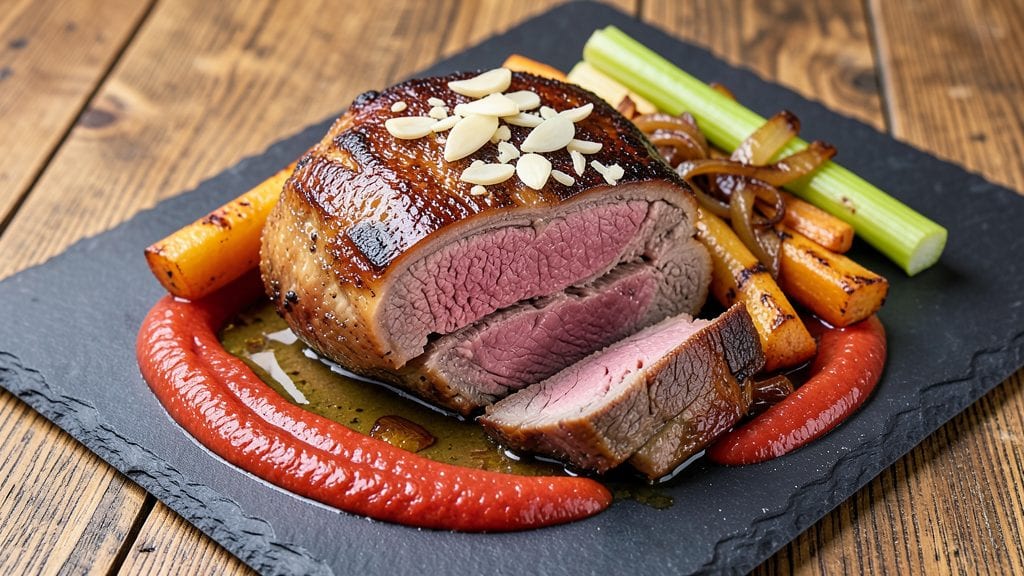
Transforming a beef shoulder clod into restaurant-quality richness starts with slow braising—a method that turns tough cuts into melt-in-your-mouth perfection. This professional technique ensures every bite is tender, juicy, and packed with deep, savory flavor.
The key lies in patience and precise temperature control, which I’ve refined over years of perfecting this dish.
The process begins with searing the clod to develop a rich crust before transferring it to a slow oven or braising liquid. This dual-stage cooking method breaks down collagen while preserving moisture, resulting in a dish that’s both visually stunning and irresistibly tender.
The internal temperature must reach at least 195°F for that signature fork-tender texture, a detail many home cooks overlook.
What you’ll achieve is a dish that balances bold, caramelized flavors with silky tenderness—ideal for special occasions or weeknight indulgence. The slow-braised method ensures the meat stays moist and flavorful, even when sliced thin. Pair it with roasted potatoes or a crisp green salad for a complete, satisfying meal.
This recipe delivers professional results without requiring advanced techniques. The braising process simplifies what could otherwise be a challenging cut, making it accessible for home cooks seeking restaurant-quality beef. Trust the method, and you’ll elevate your dinner table effortlessly.
Ingredients for beef shoulder clod
Four pounds of beef shoulder transforms into melt-in-your-mouth perfection through slow braising mastery.
| Ingredient | Amount | Notes |
|---|---|---|
| Beef Shoulder Clod 🥩 | 4 lb | Bone-in preferred for flavor |
| Yellow Onion 🧅 | 2 whole | Chopped into 1-inch pieces |
| Carrots 🥕 | 4 whole | Medium size, peeled and chopped |
| Celery Stalks 🥬 | 4 whole | Cut into 1-inch pieces |
| Garlic Cloves 🧄 | 6 cloves | Smash with side of knife |
| Tomato Paste 🍅 | ½ cup | High-quality, no sugar added |
| Red Wine 🍷 | 1 cup | Bold dry variety like Cabernet |
| Beef Broth 💧 | 2 cups | Low-sodium preferred |
| Olive Oil 🫒 | 2 tbsp | Extra-virgin for searing |
| Fresh Thyme 🌿 | 2 sprigs | Or 1 tsp dried thyme |
| Fresh Rosemary 🌿 | 1 sprig | Woody stems removed |
| Bay Leaves 🍃 | 2 whole | Standard dried leaves |
| Black Peppercorns 🌶️ | 1 tbsp | Freshly cracked |
| Kosher Salt 🧂 | 2 tbsp | Diamond Crystal preferred |
The beef shoulder clod is the foundation—bone-in cuts deliver superior flavor and moisture. Source from a trusted butcher for the best marbling, or look for USDA Prime at high-end grocers like Whole Foods or Dartmouth Farms. The clod should have a vibrant red color with visible fat marbling. For budget-friendly options, Costco's Kirkland Signature beef shoulder works exceptionally well when properly trimmed. Avoid pre-cut pieces with excessive lean—aim for a 60/40 fat-to-lean ratio for optimal results. The aromatics—onions, carrots, and celery—should be fresh and firm, with no soft spots or wilting. For the tomato paste, Bertolli or Barilla brands provide consistent quality without added preservatives. The red wine should be bold and dry—Caymus Vineyards or Apothic Red are reliable choices that won't overpower the dish.
No red wine available? Substitute with additional beef broth—just reduce the total liquid by 1/4 cup to maintain balance. Fresh herbs can be swapped for dried at a 1:3 ratio, but fresh thyme and rosemary provide that unmistakable depth. For the tomato paste, Trader Joe's squeeze tubes offer convenience without compromising quality. The beef broth should be low-sodium to avoid over-salting the finished dish—Pacific Foods or Kitchen Basics brands are excellent choices. If using pre-minced garlic, freshly smashed cloves release more flavor, though the convenience of pre-minced works in a pinch. For the olive oil, California Olive Ranch or Colavita provide the right balance of peppery notes without overpowering the beef's natural richness. The bay leaves should be standard dried leaves—avoid the fancy 'fancy' varieties that often contain unnecessary additives.
The braised beef maintains peak quality when stored properly. Portion into airtight containers with some of the braising liquid to preserve moisture—this keeps for 5-6 days in the refrigerator. For longer storage, freeze in portions for up to 3 months. When reheating, do so gently over low heat or in the oven at 300°F until warmed through. The dish actually improves after 24 hours as flavors meld further. For serving, slice against the grain for maximum tenderness. The braising liquid can be reduced further for a rich gravy, or used as-is for a flavorful sauce. Leftovers reheat beautifully, making this an ideal make-ahead dish for entertaining. Always cool the beef quickly under cold running water before refrigerating to prevent bacterial growth.
Why You'll Love This Recipe
- One-Pot Magic: I swear by this recipe for lazy nights—just toss the beef, onions, carrots, and celery into a Dutch oven with garlic, add water, and walk away. The clod breaks down into tender, pull-apart perfection while you sip wine or scroll through memes.
- Deep Umami Bomb: That beef shoulder clod? It’s the star. Slow-cooked until it melts in your mouth, with the onions and garlic caramelizing into a rich, savory sauce. Honestly, the first bite makes me forget I’m not at a fancy restaurant.
- Leftovers That Win: Make a double batch—this stuff tastes even better the next day. I freeze portions for busy weeks, and it reheats like a dream. My kids beg for it, and my partner calls it his "emergency meal" (code for "I’m too tired to cook").
- Budget Stretch: A single beef shoulder clod feeds a family of four for two meals, and the veggies (onion, carrots, celery) are pantry staples. Between us, this is how I feed my household without breaking the bank—no fancy cuts, just pure, satisfying flavor.
Step-by-step instructions for slow-braised beef shoulder clod
Here's the method for achieving melt-in-your-mouth beef shoulder clod with deep flavor and perfect tenderness.
Sear the Beef Shoulder Clod for Maximum Flavor
Pat the 4 lb beef shoulder clod completely dry with paper towels. Heat a heavy Dutch oven over medium-high heat and add the 2 tbsp olive oil. Once shimmering, place the beef shoulder clod in the pot, fat-side down. Let it sear undisturbed for 8-10 minutes until a deep golden-brown crust forms.
Flip the beef shoulder clod and sear the second side for another 8-10 minutes. This initial searing step creates the Maillard reaction, locking in flavors and building the foundation for rich braising liquid. Don't rush this step—patience here ensures maximum flavor development. Remove the beef shoulder clod from the pot and set it aside temporarily.
Build the Aromatic Base with Vegetables and Herbs
In the same Dutch oven, add the chopped 2 whole yellow onion, 4 whole carrots, and 4 whole celery stalks. Cook over medium heat for 8-10 minutes, stirring occasionally, until the vegetables begin to soften and release their natural juices. This process, called sweating, develops their flavors without browning.
Add the smashed 6 cloves garlic cloves, 2 sprigs fresh thyme, 1 sprig fresh rosemary, and 2 whole bay leaves to the vegetables. Stir for 1-2 minutes until the garlic becomes fragrant. The combination of these aromatics will infuse the braising liquid with complex, layered flavors that penetrate the beef during the long cook time.
Deglaze and Develop the Braising Liquid
Pour in the 1 cup red wine and scrape up all the browned bits from the bottom of the pot using a wooden spoon. This deglazing step captures all the flavor compounds released during searing. Let the wine simmer for 3-4 minutes until it reduces by about half and the alcohol burns off.
Stir in the 0.5 cup tomato paste and cook for another 2 minutes, allowing it to deepen in color and develop a slightly caramelized flavor. This step creates the base for your braising liquid, which will eventually transform into a rich, flavorful sauce. The tomato paste adds depth and helps balance the acidity from the red wine.
Braise Until Fork-Tender
Return the seared beef shoulder clod to the Dutch oven. Add the 2 cups beef broth and bring the liquid to a simmer. The liquid should come about halfway up the sides of the beef. Sprinkle the 1 tbsp black peppercorns and 2 tbsp kosher salt over the beef.
Cover the pot tightly with a lid and transfer it to a preheated 300°F oven. Braise for 3-3.5 hours, turning the beef occasionally to ensure even cooking. The beef is done when it reaches an internal temperature of 203°F and a fork slides in and out easily with no resistance. This slow cooking process breaks down the connective tissue, transforming tough muscle fibers into tender, fork-friendly meat.
Rest and Serve the Perfectly Tender Beef
Remove the beef shoulder clod from the pot and transfer it to a cutting board. Tent loosely with aluminum foil and let it rest for 15-20 minutes. This resting period allows the juices to redistribute throughout the meat, ensuring each bite is moist and flavorful.
While the beef rests, skim any excess fat from the surface of the braising liquid. You can serve the beef with the reduced braising liquid as a sauce, or use it to make gravy. The result should be perfectly tender beef that falls apart with just a gentle touch, infused with rich, complex flavors from the slow braising process.
Pro Tips For Making Beef Shoulder Clod
- SEAR UNTIL BLACK: Don’t stop at brown—push that beef shoulder until it hits deep black crust in spots. I learned this the hard way: pale sears mean pale flavor. Use a heavy pan, medium-high heat, and let it sit undisturbed for 3-4 minutes per side. That’s when the Maillard reaction actually kicks in.
- CHOP VEGETABLES UNEVENLY: Skip the perfect dice—roughly chop onions, carrots, and celery into ½-inch chunks with jagged edges. They’ll caramelize faster and add texture. (Yes, it looks messy, but your stew will taste richer.)
- DON’T CROWD THE PAN: If you’re braising, add the beef first, then the veggies in layers—never all at once. I used to dump everything in, and the onions would steam instead of brown. Give them space to crisp, or you’re just making soup.
- SMASH GARLIC CLOVES: Instead of mincing, smash the garlic cloves flat with the side of your knife before adding them. The exposed surface area releases more flavor without burning. (And you’ll avoid that bitter garlic paste taste.)
Perfect pairings for these flavors
Classic Comfort Sides
Serve your braised beef shoulder with creamy mashed potatoes—their buttery richness balances the deep, savory flavors. I like using Yukon Gold potatoes boiled until tender, then mashed with ½ cup sour cream, 4 tbsp butter, and salt to taste.
For extra decadence, fold in 2 oz sharp cheddar cheese while still hot. 🥔
Roasted garlic parmesan potatoes are another fantastic choice. Toss 2 lbs baby potatoes with 2 tbsp olive oil, 3 minced garlic cloves, ½ cup grated Parmesan, and 1 tsp Italian seasoning. Roast at 425°F for 35-40 minutes until golden and crispy. The garlic infuses the beef with an aromatic depth that complements the braising liquid.
Bold Sauce Pairings
Use the reduced braising liquid as a gravy by skimming excess fat and simmering until thickened. For extra richness, whisk in 1 tbsp cornstarch mixed with 2 tbsp cold water until it reaches a smooth, spoonable consistency.
This sauce elevates the dish to restaurant-quality, coating each forkful with layers of flavor. 🍲
For a red wine reduction, strain the braising liquid through a fine-mesh sieve, then reduce it by half in a saucepan over medium heat. Finish with 1 tbsp butter and 1 tsp fresh thyme for a glossy, velvety sauce that pairs beautifully with the tender beef.
A splash of balsamic glaze just before serving adds a tangy contrast.
Fresh Contrast Elements
A simple arugula salad with lemon vinaigrette cuts through the richness perfectly. Toss 4 cups baby arugula with 2 tbsp extra-virgin olive oil, 1 tbsp lemon juice, 1 tsp Dijon mustard, and salt to taste.
Top with shaved Parmesan and toasted pine nuts for crunch. The peppery greens refresh your palate between bites of tender beef. 🥗
Quick-pickled red onions add a bright, tangy crunch. Thinly slice 1 large red onion and soak in ½ cup apple cider vinegar, 1 tbsp sugar, and ½ tsp salt for at least 30 minutes. Drain before serving to avoid sogginess. The acidity brightens the dish and balances the deep, caramelized flavors of the braised beef.
Beverage Pairings
A bold red wine like Cabernet Sauvignon or Malbec mirrors the braising liquid’s richness and complements the beef’s depth. I recommend Caymus Vineyards Cabernet or Apothic Red—both have enough tannins to stand up to the dish. The wine’s dark fruit notes enhance the beef’s natural flavors. 🍷
For beer lovers, a dark ale or stout works wonderfully. Guinness or Samuel Adams Black Lager provide a malty sweetness that contrasts with the beef’s savory profile. Avoid light lagers, as they lack the body to complement the dish’s richness.
A smoky Scotch whisky like Glenmorangie 12 also pairs beautifully for those who prefer spirits.
Nutrition facts
Frequently asked questions
What makes a beef shoulder clod different from regular beef shoulder?
A beef shoulder clod is a specific cut from the upper portion of the beef shoulder, typically featuring more connective tissue and fat marbling than standard shoulder cuts. This makes it ideal for slow-cooking methods like braising, as the fat renders down and the collagen breaks down into gelatin, creating that signature tender texture. The clod cut often has a thicker fat cap, which helps keep the meat moist during long cooking.
Can I use a bone-in beef shoulder clod for this recipe?
Bone-in beef shoulder clods are actually preferred for this recipe, as they add extra flavor to the braising liquid. The bone infuses the cooking liquid with rich gelatin and minerals, enhancing the depth of flavor. If you're using bone-in, just be sure to trim any excess fat to 1/4-inch thickness for even cooking. The bone will also help stabilize the cut during braising.
How do I know when the beef shoulder clod is fully tender?
The beef is perfectly tender when it reaches an internal temperature of 203°F and a fork slides in and out with no resistance. For extra accuracy, press your finger against the meat—if it feels like pressing a warm sponge, it's ready. The meat should also pull apart easily when sliced against the grain. Overcooking can make it mushy, so monitor closely after 3 hours of braising.
What can I do with leftover braising liquid?
Leftover braising liquid can be transformed into a rich gravy by skimming excess fat and simmering until thickened. For extra richness, whisk in 1 tbsp cornstarch mixed with 2 tbsp cold water until it reaches a smooth consistency. You can also reduce it further to create a velvety red wine reduction sauce, or use it as a base for soups and stews. Don't waste this flavorful liquid—it's the soul of the dish!
Can I make this recipe in a slow cooker instead of an oven?
Yes, but with adjustments! Sear the beef first, then transfer it to a slow cooker with all the braising ingredients. Cook on Low for 8-10 hours or High for 5-6 hours, adding 1 cup water halfway through to prevent drying. The texture will be slightly different—more saucy than fork-tender—but still delicious. For best results, use a Dutch oven in the oven instead of a slow cooker.