
Main Courses
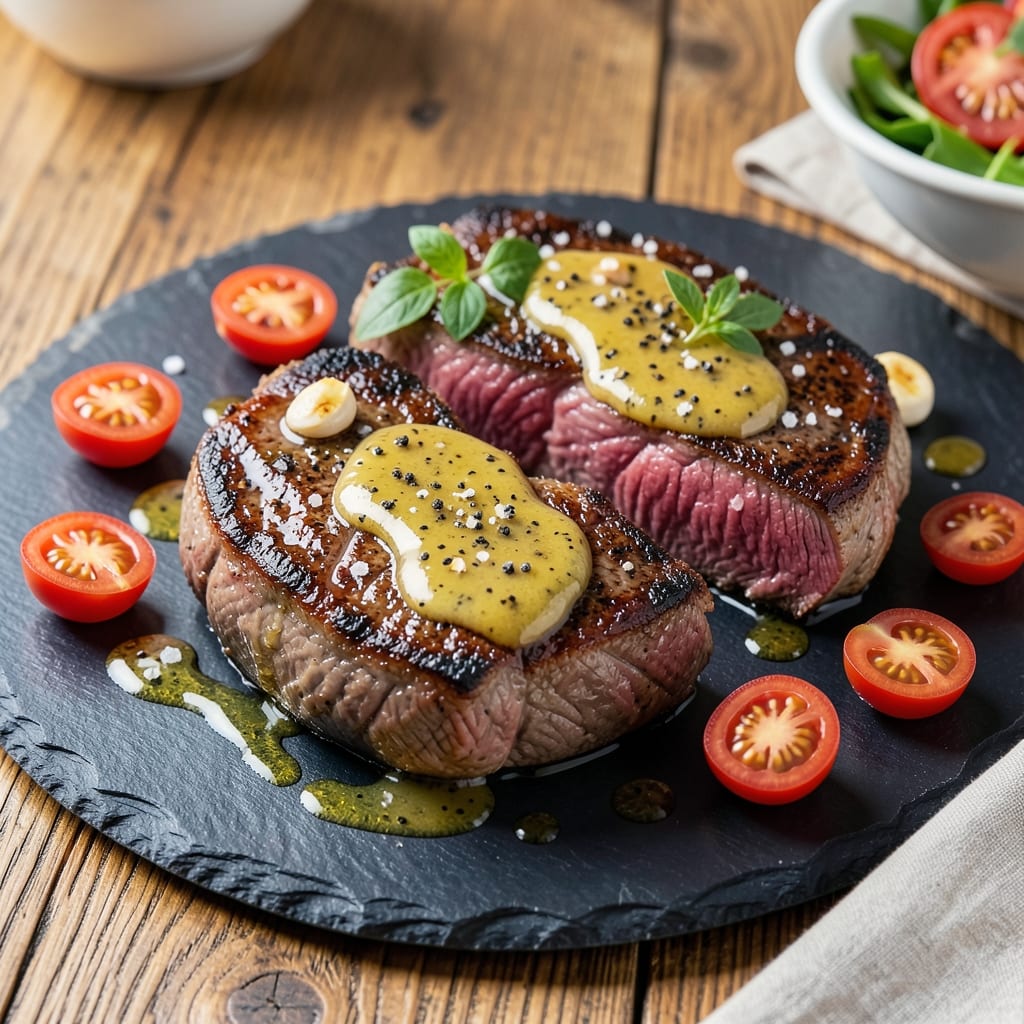
Here are some great beef sirloin recipe ideas that transform a weeknight dinner into a restaurant-worthy meal with just one simple technique: high-heat searing followed by a slow finish. After years of perfecting this method, I can confidently say the secret lies in the crust—crispy, caramelized edges that lock in juices for that juicy pink center everyone craves. The key is patience and precision, which I'll walk you through step by step so you can achieve this every time.
The beauty of this recipe is its versatility—whether you're working with a cast-iron skillet, grill, or even your oven, the same principles apply. We'll start with a dry-brine to enhance tenderness, then build flavor with garlic, rosemary, and thyme before that critical sear. The butter baste ensures moisture while creating a rich, aromatic crust that makes every bite worth waiting for. Trust me, this isn't your average steak recipe.
What you'll end up with is a perfectly cooked sirloin steak that's crispy on the outside, tender on the inside, and infused with herbaceous notes that elevate it beyond basic steakhouse fare. The technique works equally well for individual portions or feeding a crowd, making it perfect for everything from casual weeknight dinners to special occasions. The best part? It only takes about 20 minutes of active cooking time.
Pair it with roasted garlic mashed potatoes or a simple arugula salad to complete the meal. The recipe includes variations for different cooking methods, so you can adapt it to whatever equipment you have on hand. Let's get started on creating your best steak yet!
Ingredients for beef sirloin recipe ideas
Pantry staples plus a few key ingredients that guarantee restaurant-quality beef sirloin every time.
| Ingredient | Amount | Notes |
|---|---|---|
| Beef Sirloin Steaks 🥩 | 1 ½ lb | 1-inch thick, center-cut preferred |
| Kosher Salt 🧂 | 1 ½ tsp | Diamond Crystal preferred |
| Freshly Ground Black Pepper 🌶️ | 1 tsp | Coarse grind for texture |
| Garlic Cloves 🧄 | 4 cloves | Minced, fresh preferred |
| Extra-Virgin Olive Oil 🫒 | 2 tbsp | High smoke point preferred |
| Unsalted Butter 🧈 | 2 tbsp | Cold, cut into small pieces |
| Fresh Rosemary 🌿 | ¼ cup | Chopped, sprigs for garnish |
| Fresh Thyme Leaves 🌿 | ¼ cup | Or 1 tsp dried thyme |
| Yellow Onion 🧅 | 1 whole | Thinly sliced, for serving |
| Garlic-Infused Olive Oil 🫒 | 2 tbsp | For finishing, optional |
| Red Wine 🍷 | ½ cup | Bold dry variety like Cabernet |
| Beef Broth 💧 | ½ cup | For deglazing, optional |
| Fresh Parsley 🌿 | ⅛ cup | Chopped, for garnish |
The beef is non-negotiable—center-cut sirloin with 1-inch thickness ensures perfect doneness throughout. Whole Foods or your local butcher shop carry the best cuts, but any reputable grocery store will have suitable options. Look for good marbling and avoid pre-trimmed steaks—the fat is flavor. I always buy organic if budget allows, but conventional works fine. The steaks should sit at room temperature for 30-45 minutes before cooking, which makes all the difference in even cooking.
No fresh rosemary? Dried works at one-third the amount, but fresh has that piney aroma that elevates everything. Running low on red wine? Beef broth with a splash of balsamic works beautifully for deglazing. The garlic-infused olive oil is optional but adds a luxurious touch—just infuse regular olive oil with minced garlic in a small jar for 15 minutes in the sun. For serving, caramelized onions take this to the next level, though simple sliced onions work in a pinch. The butter should be cold when added to the pan for maximum sizzle and flavor.
Steaks reheat poorly, so cook only what you need. If you must reheat, use a low oven (200°F) for 10 minutes with a splash of broth to keep them moist. The aromatics (rosemary, thyme) keep for 1 week in the fridge, while the steaks should be used within 2 days of purchase. Store butter in the fridge and bring it to room temperature 30 minutes before cooking. The garlic-infused oil keeps for up to 2 weeks in the fridge—use it on everything from toast to pasta.
Why You'll Love This Recipe
- I swear by this: just salt, pepper, and olive oil—no fancy marinades, no last-minute shopping. The beef sirloin’s natural richness shines when you let it be the star, and honestly? That crispy sear from the cast-iron pan is worth the whole recipe.
- Two-Ingredient Magic: I swear by this: just salt, pepper, and olive oil—no fancy marinades, no last-minute shopping. The beef sirloin’s natural richness shines when you let it be the star, and honestly? That crispy sear from the cast-iron pan is worth the whole recipe.
- Garlic-Kissed Crust: Between us, the secret’s in the garlic. I smash those cloves into a paste with olive oil and slather it on the steaks before searing—it caramelizes into this golden, fragrant crust that sticks to every bite. Not the prettiest, but the taste makes up for it every time.
- Weeknight to Weekend: This recipe works whether I’m throwing together dinner after a long day or prepping for a dinner party. Slice the leftovers for sandwiches, toss them into salads, or reheat with a splash of balsamic—it’s that adaptable. My go-to when I don’t want to overthink it.
Step-by-step instructions for perfectly crispy beef sirloin steaks
Here's how to transform your sirloin into restaurant-quality steaks with a golden crust and tender interior.
Season and Rest the Beef Sirloin Steaks
Remove the 1.5 lb beef sirloin steaks from the refrigerator and pat them dry completely with paper towels. This step is crucial—any moisture will prevent that perfect crust from forming. I like to season both sides generously with 1.5 tsp kosher salt and 1 tsp freshly ground black pepper, pressing the seasoning into the meat so it adheres well. Let the steaks sit at room temperature for 30 minutes before cooking. This resting period ensures even cooking throughout the steak.
While the steaks rest, finely mince the 4 cloves garlic and chop the 0.25 cup fresh rosemary and 0.25 cup fresh thyme leaves for later use. The garlic will infuse the butter, and the herbs will add an aromatic depth to the finished dish. Keep these prepped ingredients within easy reach so you don't lose momentum during the cooking process.
Sear the Steaks to Develop Crust and Color
Heat a heavy skillet—cast iron works best—over medium-high heat until it's smoking hot. Add 2 tbsp extra-virgin olive oil and let it shimmer for 30 seconds. Place the steaks in the pan and cook undisturbed for 3-4 minutes per side. This initial sear is where the magic happens—you're building that flavorful crust while keeping the interior juicy. You'll know it's time to flip when you see a deep golden-brown crust form and the steak releases easily from the pan.
About 1 minute before flipping each steak, add 2 tbsp cold unsalted butter, the minced garlic, and half of the chopped rosemary and thyme. The butter will foam and bubble, basting the steaks with rich, flavorful fat. Tilt the pan slightly and spoon this butter over the steaks to ensure even coating. This basting step guarantees that each bite has that irresistible buttery aroma and flavor.
Finish Cooking and Create a Red Wine Reduction
Once the steaks have developed a beautiful crust on both sides, remove them from the pan and let them rest on a warm plate. At this point, reduce the heat to medium and pour in 0.5 cup red wine, scraping up any browned bits from the bottom of the pan. These bits, known as fond, are packed with flavor that will elevate your sauce. Let the wine simmer for 2-3 minutes until it reduces by about half, creating a glossy, concentrated liquid.
Add 0.5 cup beef broth to the pan and continue simmering for another 2 minutes until the sauce thickens slightly. This reduction captures all the flavors from the searing process and creates a silky sauce that pairs perfectly with the steaks. If you're feeling fancy, you can finish the sauce with 2 tbsp garlic-infused olive oil for an extra layer of richness. Keep the steaks warm while you prepare the sauce.
Rest and Serve with Fresh Herbs
Return the steaks to the pan and spoon the red wine reduction generously over the top. Let them sit for 2 minutes to absorb the sauce and heat through. This final step ensures that every bite is infused with the flavors of the reduction. Transfer the steaks to a cutting board and let them rest for 5-10 minutes before serving. Resting is crucial—it allows the juices to redistribute throughout the meat, preventing them from running out onto your plate.
While the steaks rest, thinly slice the 1 whole yellow onion and garnish each plate with the remaining rosemary and thyme, as well as 0.125 cup fresh parsley. The bright green parsley provides a beautiful contrast to the rich, deep colors of the steak and sauce. Serve the steaks immediately, cutting against the grain for maximum tenderness, and enjoy the perfect balance of crispy crust and juicy interior.
Pro Tips For Making Beef Sirloin Recipe Ideas
- USE A THERMOMETER: I learned this the hard way—sirloin’s a finicky cut. A meat thermometer at 130°F for medium-rare (135°F for medium) beats guessing. That 5°F difference means the difference between juicy and chewy.
- DRY THE STEAKS WELL: Pat those steaks down with paper towels before searing. Wet surfaces steam instead of brown, and you’ll end up with sad, gray crusts. Trust me, the extra 30 seconds saves your dinner.
- SALT BEFORE SEARING: Season the steaks generously with kosher salt at least 40 minutes before cooking. This seasoning penetrates deeper than a last-minute sprinkle, and the crust forms better when the salt has time to work its magic.
- SMASH THE GARLIC: Don’t just mince it—smash those garlic cloves with the flat side of your knife first. You’ll get more flavor and less bitterness, especially when cooking in olive oil. (Yes, even if you’re impatient like me.)
Wine and beer pairings for this beef sirloin recipe ideas
Classic Red Wine Pairings
For this rich, buttery beef sirloin, I always reach for a bold, dry red wine with enough tannins to stand up to the dish. A Cabernet Sauvignon from Napa Valley—like Caymus Vineyards or Opus One—is my go-to, offering blackcurrant, vanilla, and oak notes that complement the red wine reduction beautifully. If you prefer something more approachable, a Malbec from Argentina delivers juicy dark fruit flavors that cut through the butter's richness. 🍷
For a budget-friendly option, try a Chianti Classico from Tuscany—its bright acidity and cherry flavors make it surprisingly versatile. I've also enjoyed pairing this dish with a Syrah/Shiraz from Australia, especially when the steaks are served with a peppery sauce. The key is to avoid overly oaky wines that might compete with the natural beef flavors.
Craft Beer Complements
If wine isn't your thing, a dark amber ale or porter works wonderfully with beef sirloin. I love pairing this dish with Deschutes Brewery's Mirror Pond, a rich, malty amber ale with caramel and chocolate notes that mirror the steak's depth. For something hoppier, a double IPA like Stone Ruination provides a citrusy contrast that cleanses the palate between bites. 🍺
Another great option is a Belgian-style dubbel, like Westmalle Dubbel, which offers a balance of malt sweetness and spicy yeast character. The alcohol content in these beers also helps cut through the fat, making each bite more enjoyable. If you're serving with a red wine reduction, opt for a beer with lower alcohol to avoid overwhelming the dish.
Unexpected Pairings
For a truly unique experience, consider pairing your beef sirloin with a rosé from Provence—yes, rosé! A dry, crisp rosé like Whispering Angel or Miraval brings bright strawberry and citrus notes that refresh the palate after each rich bite. The acidity in these wines also helps balance the buttery sauce. I was skeptical at first, but this pairing has become a favorite for summer dinners. 🌸
If you're serving this dish with a side of creamy mashed potatoes or buttery risotto, a Pinot Noir from Oregon or Burgundy adds an elegant touch. The earthy, red fruit flavors in these wines complement the dish without overpowering it. For a non-alcoholic option, a sparkling grape juice like Martinelli's Sparkling Cider adds a festive touch to the meal.
Nutrition facts
Frequently asked questions about beef sirloin recipes
What's the best way to cook beef sirloin for maximum tenderness?
Always start with a hot pan or grill to create that perfect crust, then finish with a gentle sear to keep the inside juicy. For 1-inch thick steaks, aim for 3-4 minutes per side on medium-high heat. The key is to rest the meat 5-10 minutes after cooking—this lets the juices redistribute instead of running out when you cut. Pro tip: Pound thicker cuts to ½-inch thickness for even cooking.
Can I substitute another cut of beef for sirloin?
For similar results, try ribeye (more marbling) or New York strip (leaner but still tender). Avoid tougher cuts like flank steak unless you're slicing thinly against the grain. The ideal choice is center-cut sirloin—it's leaner but still flavorful, with less connective tissue than other cuts.
How do I know when beef sirloin is fully cooked?
Use a meat thermometer for precision: 125°F for rare, 135°F for medium-rare (recommended), or 145°F for medium. For perfect doneness, insert the probe into the thickest part, avoiding fat or bone. If you don't have a thermometer, press the center with your finger—it should feel slightly springy for medium-rare. Never overcook sirloin, or it'll turn tough.
What are the best sides to serve with beef sirloin?
Classic pairings include creamy mashed potatoes, grilled asparagus, or roasted Brussels sprouts. For a lighter option, try a caprese salad or garlic sautéed spinach. The key is balancing rich flavors—acidic or earthy sides cut through the beef's richness. My go-to is truffle mashed potatoes with a side of caramelized onions.
Why did my beef sirloin turn out dry?
Overcooking is the #1 culprit—sirloin is lean and dries out quickly. Always cook to medium-rare (135°F) and rest the meat before slicing. Another mistake? Skipping the room temperature step—cold meat cooks unevenly. For extra moisture, baste with butter during cooking or serve with a red wine reduction to rejuvenate dried-out slices.