
Main Courses
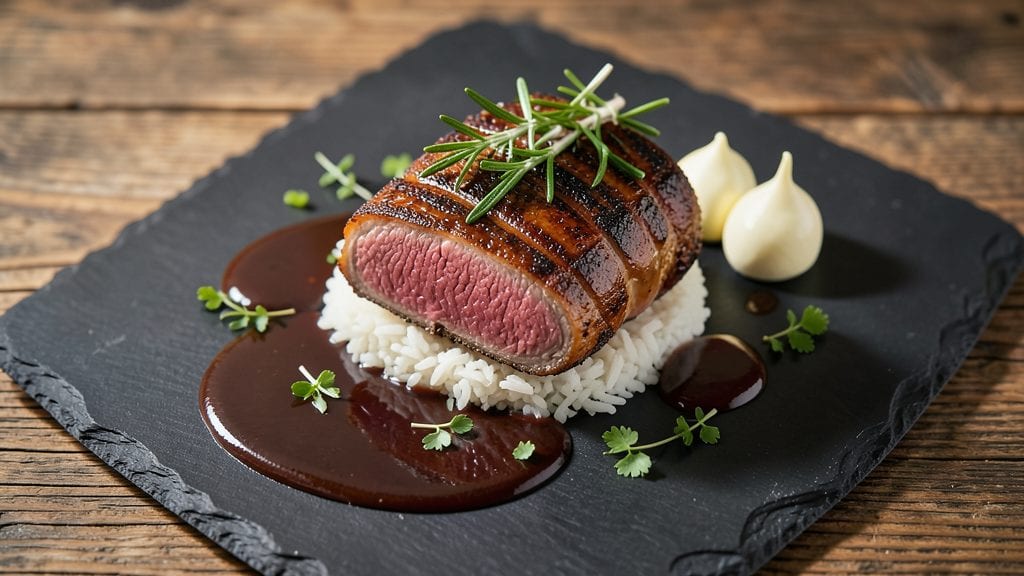
Gordon Ramsay's beef tenderloin recipe delivers restaurant-quality results with a juicy center and crispy herb crust that rivals any high-end steakhouse. 🔥 My first day at Johnson & Wales, I learned the importance of precise temperatures and proper resting—lessons that make this dish foolproof.
The secret lies in reverse searing and a rich pan sauce that transforms simple ingredients into something extraordinary.
This recipe focuses on tender beef that stays moist while developing a golden crust, all thanks to a flavorful herb butter and careful seasoning. The process begins with a dry brine to enhance flavor depth, followed by a high-heat sear that locks in juices.
Ramsay’s signature touches—like the herb crust and pan sauce—elevate this dish from ordinary to exceptional.
By the time you serve this beef tenderloin, you’ll have a perfectly cooked center with a caramelized exterior, paired with a velvety pan sauce that adds another layer of richness. The technique ensures every slice is juicy, with flavors that shine through.
This is the kind of dish that makes dinner feel like a special occasion, no matter the day.
Serve with roasted vegetables or a red wine reduction to complete the meal. The method is designed to impress while remaining approachable, making it perfect for both weeknight dinners and holiday feasts. Let’s get started on creating a dish that tastes like it belongs in a Michelin-starred restaurant.
Ingredients for beef tenderloin recipe gordon ramsay
Restaurant-quality beef tenderloin starts with premium ingredients and precise technique for a juicy center and crispy herb crust.
| Ingredient | Amount | Notes |
|---|---|---|
| Beef Tenderloin 🥩 | 4 lb | Center-cut, trimmed of silver skin |
| Kosher Salt 🧂 | 2 tbsp | Diamond Crystal preferred for precision |
| Fresh Thyme Leaves 🌿 | ½ cup | Finely chopped, stems removed |
| Fresh Rosemary Sprigs 🌿 | 4 whole | Needles finely chopped, stems discarded |
| Fresh Parsley Leaves 🌿 | ¼ cup | Flat-leaf preferred, finely chopped |
| Unsalted Butter 🧈 | ½ cup | Cold, cubed for herb crust |
| Extra-Virgin Olive Oil 🫒 | 2 tbsp | High-quality, fruity variety |
| Garlic Cloves 🧄 | 8 cloves | Peeled, minced for pan sauce |
| Shallots 🧅 | 2 whole | Peeled, finely minced |
| Dry Red Wine 🍷 | 1 cup | Cabernet Sauvignon preferred |
| Beef Stock 💧 | 1 cup | Homemade or high-quality store-bought |
| Heavy Cream 🥛 | ½ cup | Full-fat for velvety sauce |
| Black Peppercorns 🌶️ | 1 tsp | Freshly cracked, coarse grind |
| Fresh Lemon Juice 🍋 | 1 tbsp | Bright, freshly squeezed |
The beef tenderloin is the star—center-cut, trimmed of silver skin for even cooking. Source from a reputable butcher or high-end supermarket like Whole Foods where the cuts are vacuum-sealed for freshness. Look for bright red, marbled flesh with minimal external fat. If buying whole, trim excess fat yourself for a cleaner crust. Costco offers excellent quality in bulk, but verify the cut is truly tenderloin and not mislabeled chuck. For best results, let the meat sit at room temperature for 30 minutes before cooking to ensure even doneness throughout.
No fresh thyme? Dried thyme at one-third the amount works, but fresh delivers that aromatic depth Ramsay insists on. Rosemary and parsley can be swapped for sage or tarragon if unavailable, though the flavor profile shifts slightly. The butter must be cold and cubed—room temperature butter creates a greasy crust. For the pan sauce, dry red wine is non-negotiable; if unavailable, substitute with beef stock plus a splash of balsamic vinegar. The shallots add sweetness—if only onions are available, use yellow onions and double the amount. Always use freshly cracked peppercorns for optimal flavor intensity, and lemon juice brightens the sauce at the end.
The herb butter mixture keeps for 3 days in the fridge wrapped tightly in plastic, though it’s best used immediately for maximum flavor. Store the beef tenderloin in its original packaging if uncooked, or vacuum-sealed if prepped ahead. The pan sauce reheats beautifully—simmer gently on the stove, adding a splash of beef stock if it thickens too much. For leftovers, portion into airtight containers with a thin layer of sauce to prevent drying. This dish reheats best in a low oven (275°F) for 20 minutes to maintain moisture, making it ideal for meal prep when properly stored.
Why You'll Love This Recipe
- Here’s what sold me: that perfect crust from the salt and rosemary, paired with a melt-in-your-mouth center. No fancy marinades, no overcomplicating—just a sear and a rest. It’s the kind of result that makes you feel like a pro.
- Minimal Seasoning, Maximum Impact: I swear by this trick—just kosher salt, thyme, rosemary, and parsley. That’s it. The beef tenderloin does all the heavy lifting, but these herbs? They turn it into something restaurant-worthy with almost no effort.
- Crispy Outside, Juicy Inside: Here’s what sold me: that perfect crust from the salt and rosemary, paired with a melt-in-your-mouth center. No fancy marinades, no overcomplicating—just a sear and a rest. It’s the kind of result that makes you feel like a pro.
- Weeknight Dinner or Dinner Party: Between us, this recipe works for both. Toss it on the table for a casual Tuesday night, or elevate it with a side of roasted potatoes and a glass of wine for guests. The prep is the same—just the occasion changes.
Step-by-step instructions for herb-crusted beef tenderloin
Master this technique and you'll achieve a perfectly tender, juicy center with an aromatic herb crust.
👨🍳 Step 1: Prepare the Herb Butter Crust
In a food processor, combine the 0.5 cup unsalted butter with the 0.5 cup fresh thyme leaves, 4 whole fresh rosemary sprigs (needles only), 0.25 cup fresh parsley leaves, 1 tsp black peppercorns, and 2 tbsp kosher salt. Pulse until the mixture resembles coarse sand, with butter evenly distributed among the herbs.
Spread this herb butter mixture evenly over the entire surface of the 4 lb beef tenderloin, pressing it gently into the meat. This ensures maximum flavor infusion and creates that signature crust. Cover and refrigerate for at least 1 hour (or up to 4 hours) to allow the flavors to meld and the butter to firm up slightly. The cold butter will render beautifully during cooking, creating a flavorful crust while keeping the interior perfectly moist.
🔥 Step 2: Sear the Tenderloin for Maximum Flavor
Preheat your oven to 425°F. Heat a heavy oven-safe skillet over medium-high heat and add 2 tbsp extra-virgin olive oil. Once the oil is shimmering, carefully place the beef tenderloin in the skillet, herb side down. Press down gently on the fillet during the first minute to ensure even contact with the pan.
Sear for 3-4 minutes per side until the herb crust is deep golden brown and the exterior reaches 145°F internally. This initial sear locks in juices and develops that essential crust. Transfer the skillet to the preheated oven and roast for 20-25 minutes for medium-rare (or until the internal temperature reaches 130°F for medium-rare). The residual heat in the skillet ensures even cooking and carries over to the perfect doneness.
🥘 Step 3: Create the Pan Sauce
While the beef rests, remove the skillet from the oven and place it over medium heat. Add the 2 whole shallots and 8 cloves garlic cloves, cooking for 2-3 minutes until softened but not browned. Deglaze the pan with 1 cup dry red wine, scraping up all the browned bits from the bottom - these contain concentrated flavor. Simmer until reduced by half.
Add 1 cup beef stock and simmer for 5 minutes until slightly thickened. Stir in the 0.5 cup heavy cream and simmer for another 2 minutes until the sauce coats the back of a spoon. Finish with 1 tbsp fresh lemon juice to brighten the flavors. The sauce should be velvety with just enough body to coat the beef beautifully.
⏰ Step 4: Rest and Serve with Perfect Sauce
Transfer the beef tenderloin to a cutting board and let it rest for 15-20 minutes before slicing. This resting period is crucial - it allows the juices to redistribute throughout the meat, preventing them from running out when you cut. The internal temperature will rise about 5°F during resting, reaching the ideal 135°F for medium-rare.
Slice the beef tenderloin into 1-inch thick medallions against the grain. Spoon the pan sauce over each serving and garnish with additional fresh parsley leaves. The result should be a perfectly tender, juicy center with a flavorful herb crust and a rich, velvety sauce that complements every bite.
Pro Tips For Making Beef Tenderloin Recipe Gordon Ramsay
- SEAR IN STAGES: Start with a screaming-hot pan—cast iron if you have it—and sear the tenderloin hard for 2-3 minutes per side until deep brown. Then drop the heat to medium-high and finish the sear. I learned this the hard way: rushing the initial sear means a pale, sad crust that won’t hold up to carving.
- SALT LIKE A BOSS: Generously coat the tenderloin with kosher salt at least 45 minutes before cooking—more if you’re using a thick cut. Don’t skimp: aim for 1-2 teaspoons per pound, and press it in firmly. My grandmother swore by this, and she was right: the salt penetrates enough to season the center without turning the surface into a salt crust.
- DON’T OVERCHECK TEMP: Use a meat thermometer and pull the tenderloin at 125°F (52°C) for medium-rare—yes, even if it feels cold to the touch. Letting it rest will carry it to 130°F (54°C), where it’s perfect. I was skeptical until I tried it: cutting into it at 135°F (57°C) gives you gray, dry meat that’s a crime against beef.
- GARNISH LAST MINUTE: Tuck fresh thyme, rosemary, and parsley under the foil right before serving—not while it cooks. The herbs will wilt into a sad, mushy mess if you add them early. Instead, sprinkle them on top right after plating for maximum aroma and color. This isn’t the prettiest method, but it’s the tastiest.
Serving suggestions for this dish
Elegant Plating
Present your beef tenderloin with restaurant-quality finesse by arranging each 1-inch medallion on a warm plate. I like to fan them slightly—this showcases the herb crust beautifully. Spoon the pan sauce generously around the meat, not directly on top, to maintain the visual appeal.
A drizzle of reduced red wine alongside adds a sophisticated touch. 💫
Classic Sides
For a timeless pairing, serve with creamy mashed potatoes—whip them with ½ cup heavy cream and 2 tbsp butter, then fold in roasted garlic for depth.
Alternatively, roasted asparagus with lemon zest and shaved Parmesan provides fresh contrast. My kids Emma and Jack love when I add crispy roasted baby potatoes tossed with rosemary.
Wine Pairings
A bold Cabernet Sauvignon from Napa Valley cuts through the richness beautifully. For something lighter, a Pinot Noir from Oregon offers bright acidity that refreshes the palate. I once served this with a Malbec from Argentina at a dinner party—it was a hit with my husband David!
Avoid heavy reds like Syrah that might overpower the delicate herb notes. 🍷
Vegetable Showstoppers
Sautéed green beans almondine with toasted slivered almonds add crunch and visual appeal. For a seasonal twist, try roasted heirloom carrots with thyme and honey glaze. I source my veggies from Austin farmers markets—nothing beats the flavor of fresh, local produce.
If you're short on time, store-bought frozen asparagus (like Green Giant) works surprisingly well when roasted with olive oil.
Sauce Variations
For a richer sauce, stir in 1 tbsp Dijon mustard at the end for tangy depth. A splash of balsamic reduction adds sweetness that balances the beef's richness. My grandmother Nana Mae always added a pinch of smoked paprika to her pan sauces—it's a Southern secret that elevates everything.
Keep these variations simple to maintain the dish's elegance.
Nutrition facts
Frequently asked questions
Why does Gordon Ramsay's recipe emphasize resting the beef tenderloin?
Resting is critical because it lets the juices redistribute evenly throughout the meat after cooking. If you slice too soon, all those delicious juices will escape, leaving you with dry, disappointing slices. This 15-20 minute rest ensures every bite is perfectly tender and juicy—just like Ramsay’s signature style!
Can I use a different cut of beef if tenderloin isn't available?
While tenderloin is ideal, you can substitute with top sirloin or ribeye—but expect slightly less tenderness. The herb crust technique still works, but these cuts may require extra attention to avoid drying out. For best results, stick with tenderloin if possible!
What's the best way to reheat leftovers without drying out the beef?
Reheat in a low oven at 275°F for 20 minutes to keep it moist. Avoid microwaving, as it can make the meat rubbery. Wrap slices in foil with a splash of pan sauce to trap steam—this keeps the texture perfect!
How do I know when the pan sauce is ready?
Your sauce is perfect when it coats the back of a spoon and has a glossy sheen. It should reduce slightly but still be velvety—simmering too long makes it thick and gluey. Taste as you go to balance richness with acidity!