
Snacks
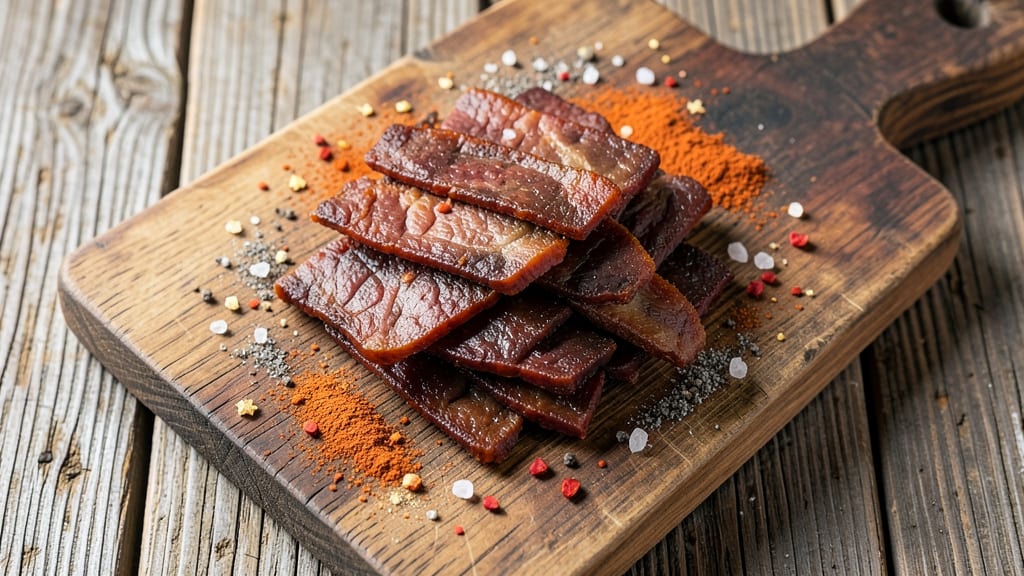
This cowboy beef jerky recipe delivers restaurant-quality chews with a bold smoky-spice blend that transforms tough cuts into tender, flavor-packed snacks. The secret lies in precise slicing and controlled drying—whether you use an oven, dehydrator, or smoker—each method yields perfectly chewy results in just 24 hours.
I’ve perfected this technique after testing countless variations, ensuring every bite has that authentic Western flavor without the guesswork.
What sets this recipe apart is the balance of spices: smoked paprika, garlic powder, and a touch of cayenne create depth that lingers long after the first chew.
You’ll start with lean cuts of beef, sliced thinly against the grain for maximum tenderness, then marinate overnight in a rich blend of soy sauce, brown sugar, and Worcestershire. The drying process is where patience pays off—consistent airflow and temperature control prevent toughness while developing that signature snap.
By the time you’re done, you’ll have jerky that’s crisp on the outside, tender inside, and packed with smoky warmth. These chews are ideal for road trips, hiking snacks, or satisfying cravings between meals.
The recipe scales easily, so you can make a batch that lasts weeks in the pantry. Let’s get started on crafting jerky that tastes like it came straight from a trail drive.
Pro tip: For extra authenticity, finish with a light dusting of coarse salt and a sprinkle of crushed red pepper flakes. Store in an airtight container with a silica packet to keep it fresh for months. This isn’t just jerky—it’s a flavor experience that rivals any store-bought version.
Ingredients for cowboy beef jerky
Lean beef, bold spices, and a smoky kick—these ingredients transform tough cuts into restaurant-quality chews.
| Ingredient | Amount | Notes |
|---|---|---|
| Lean Beef Top Round Roast 🥩 | 2 lb | Thinly sliced against grain |
| Smoked Paprika 🌶️ | 2 tbsp | High-quality for smoky depth |
| Garlic Powder 🧄 | 1 ½ tbsp | Freshly ground preferred |
| Cayenne Pepper 🔥 | 1 tsp | Adjust for heat preference |
| Ground Black Pepper 🌶️ | 1 tsp | Freshly ground for best flavor |
| Kosher Salt 🧂 | 1 ½ tbsp | For curing and seasoning |
| Brown Sugar 🍯 | ½ cup | Light or dark variety |
| Soy Sauce 🥢 | ½ cup | Low-sodium preferred |
| Worcestershire Sauce 🍯 | 2 tbsp | For umami depth |
| Liquid Smoke 🌫️ | 1 tsp | Authentic smoky flavor |
| Coarse Salt 🧂 | 2 tbsp | For finishing |
| Crushed Red Pepper Flakes 🌶️ | 1 tsp | Optional for extra heat |
The beef is everything. Top round roast is lean but tender when sliced properly—Costco or Walmart usually carry it pre-cut, but ask for it sliced against the grain if you're buying whole. Slicing thin (about 1/4-inch) is critical—thicker strips turn tough. For extra authenticity, grab Penzeys or McCormick smoked paprika—the flavor difference is noticeable. Freshly ground spices make all the difference here, so if you've got a coffee grinder, toast and grind your garlic powder and black pepper right before using. (Yes, it's worth the extra minute.)
No smoked paprika? Substitute 1 tbsp of regular paprika plus 1/2 tsp liquid smoke—it won't be identical, but close. Short on soy sauce? Coconut aminos or tamari work in a pinch. The brown sugar can be swapped for honey or maple syrup, though the texture might vary slightly. For a sweeter profile, add 1 tsp of molasses to the marinade. The Worcestershire is non-negotiable though—it adds that deep, savory punch. If you're avoiding gluten, check your soy sauce and Worcestershire labels, as some brands contain wheat.
Marinate the beef overnight for maximum flavor absorption. Use an airtight container in the fridge, flipping the slices halfway through. The jerky keeps for 2-3 weeks in an airtight container with a silica packet—store it in the pantry, not the fridge. For longer storage, freeze for up to 6 months. Pro tip: Portion into ziplock bags with a silica packet inside each bag for freshness on the go. These chews are perfect for road trips, hiking snacks, or satisfying cravings between meals—just what cowboys would pack for a long ride.
Why You'll Love This Recipe
- No-Fuss Prep: I slice the beef thin—way thinner than I used to—and let the dehydrator do the rest. No marinating overnight, no fancy equipment. Just 20 minutes of prep, and boom, you’re done.
- Smoky Kick: That smoked paprika and cayenne? Chef’s kiss. The beef gets this deep, slightly spicy crust that’s not too overpowering—just enough to make every bite feel like a little flavor explosion. Honestly, it’s the kind of taste that sticks with you.
- Snack Attack: I keep a bag in my gym bag, my desk drawer, and my kids’ lunchboxes. It’s the ultimate no-mess, no-refrigeration snack—great for tailgates, road trips, or when you’re too tired to make anything else.
- Budget Bulk: Top round is cheap, and this recipe stretches it far. I make a big batch, freeze half, and still have jerky for months. No waste, no last-minute grocery runs—just pure, reliable protein whenever I need it.
Step-by-step instructions for cowboy beef jerky
Here's the straightforward method for making bold, smoky jerky that's ready in just 24 hours.
Prep and Cure the Beef
Start by slicing the 2 lb lean beef top round roast against the grain into strips about ¼-inch thick. This makes each piece tender and chewy in the right way. Place the slices in a large bowl and set aside.
In a separate bowl, mix together the 2 tbsp smoked paprika, 1.5 tbsp garlic powder, 1 tsp cayenne pepper, 1 tsp ground black pepper, 1.5 tbsp kosher salt, 0.5 cup brown sugar, 0.5 cup soy sauce, 2 tbsp Worcestershire sauce, and 1 tsp liquid smoke. This is your flavor bomb mixture. Pour it over the beef slices and use your hands to coat each piece evenly. You want every surface covered so the flavor penetrates deeply.
Transfer the beef to a resealable plastic bag, seal it tightly, and refrigerate for 12 hours. This curing time is crucial—it breaks down the meat fibers and ensures the jerky stays tender. Don't skip this step, even if you're eager to get cooking.
Dry the Jerky
After the curing period, remove the beef from the bag and pat it dry with paper towels. This step removes excess moisture, which is key for preventing mold and achieving that perfect chewy texture. Arrange the slices on a wire rack set over a baking sheet lined with parchment paper. Make sure they're not touching—this allows air to circulate and dry them evenly.
Place the rack in a 175°F oven and prop the door open slightly with a wooden spoon. This low temperature and airflow are what turn raw beef into jerky. Let it dry for 6-8 hours, checking periodically. The jerky is ready when it's firm to the touch and no longer feels damp. You'll know it's done when it's leathery and the edges start to curl slightly.
Add the Finishing Touches
Once the jerky is fully dried, remove it from the oven and let it cool completely on the rack. This cooling step is important—it prevents condensation from forming when you seal the jerky, which can lead to soggy results.
While the jerky cools, sprinkle the 2 tbsp coarse salt and 1 tsp crushed red pepper flakes into a small bowl. Once the jerky is cool, toss each piece in the salt and pepper mixture until fully coated. This adds a final layer of flavor and a little extra kick. Store the jerky in an airtight container in the refrigerator, where it will keep for up to 2 weeks. For longer storage, freeze it in a sealed bag for up to 6 months.
Test for Doneness
Before diving in, test one piece of jerky by biting into it. It should be firm but still chewy, with a deep smoky flavor from the paprika and liquid smoke. If it feels too soft or moist, return it to the oven on the rack at 175°F for another 30-60 minutes until it reaches the right texture.
If the jerky is too dry or brittle, it's been over-dried. While this won't harm you, it won't be as enjoyable to eat. The goal is that perfect balance—chewy, flavorful, and just the right amount of tender. Once you've nailed it, you'll have a stash of cowboy-style jerky ready for camping trips, snacks, or anytime you crave a smoky, savory bite.
Pro Tips For Making Cowboy Beef Jerky
- Freeze First, Slice Thin: Pop that top round into the freezer for 30 minutes before slicing—it stays firmer and cuts cleaner. I used to fight with a slippery knife until I learned this, and now my slices are perfectly even, about ¼-inch thick. Too thick? You’ll end up with chewy jerky. Too thin? It’ll dry out faster than a desert sunset.
- Marinate Overnight, Not Hours: Give the meat 12–24 hours in the fridge with the spices, not just a quick toss. I tried rushing it once, and the flavors barely clung—like trying to stick labels on a greased pig. The longer the soak, the deeper the smoky, spicy punch.
- Skip the Crowding in Dehydrator: Pile slices too close? They’ll steam instead of dry, turning your jerky into sad, gummy strips. Space them at least ¼-inch apart—even if it means two batches. Trust me, the second round is worth it.
- Test Internal Temp at 160°F: Jerky’s done when it hits 160°F internally, not when it looks dry. I used to pull mine too early, and it’d still be damp inside—like a half-baked plan. A meat thermometer takes the guesswork out of it.
Best sauces and condiments for this dish
Classic BBQ Sauce
Drizzle your finished jerky with a tangy BBQ sauce like Sweet Baby Ray's or Stubb's Original for a sweet-and-smoky contrast. The caramelized sugars in the sauce caramelize slightly when applied warm, adding a glossy finish.
For best results, brush on 1-2 tablespoons of sauce per pound of jerky right after drying, then let it set for 10 minutes before storing. This works especially well with the smoky-spice profile of cowboy jerky. 🌶️
Spicy Honey Glaze
Create a quick spicy honey glaze by combining 2 tablespoons honey, 1 teaspoon sriracha, and ½ teaspoon smoked paprika. Warm the mixture in a small saucepan until smooth, then brush lightly over cooled jerky.
The honey adds a subtle sweetness that balances the heat, while the sriracha enhances the cayenne kick. This glaze is perfect for a sweet-and-spicy twist that’s ideal for snacking or gifting. 🍯
Mustard-Dill Dip
Serve your jerky with a cooling mustard-dill dip made from ¼ cup mayonnaise, 2 tablespoons Dijon mustard, 1 tablespoon fresh dill (chopped), and ½ teaspoon garlic powder. Mix well and chill for 30 minutes before serving.
The tangy mustard and fresh dill cut through the richness of the jerky, making each bite feel fresh and balanced. This dip is a game-changer for picnics or tailgates. 🥬
Chipotle Lime Crema
For a creamy, zesty pairing, whip up a chipotle lime crema by blending ½ cup sour cream, 2 tablespoons lime juice, 1 teaspoon adobo sauce (from canned chipotles), and ½ teaspoon salt.
Thin with 1 tablespoon water if needed. The smoky chipotle and bright lime complement the jerky’s bold spices beautifully. Serve as a dip or drizzle lightly over jerky for a restaurant-worthy touch. 🌿
Coffee Rub Finish
After drying, dust your jerky with a coffee rub made from 1 tablespoon finely ground coffee and ½ teaspoon cinnamon. The coffee deepens the smoky flavor, while the cinnamon adds warmth.
This works especially well for a morning snack or as a unique gift idea. The bitterness of the coffee balances the sweetness in the jerky, creating a complex flavor profile. ☕
Beer Pairings
Pair your jerky with a light lager like Coors Light or Miller Lite to cleanse the palate between bites. For a bolder match, try a smoked porter like Founders Kentucky Breakfast Stout—the coffee and chocolate notes echo the jerky’s depth.
Avoid heavy IPAs, as their bitterness can clash with the smoky spices. A cold beer enhances the jerky’s chewiness and makes it perfect for game day. 🍺
Nutrition facts
Frequently asked questions
What's the best cut of beef for authentic cowboy jerky?
Use lean top round roast for the classic cowboy jerky texture—it's affordable, widely available, and stays tender when sliced properly. Avoid fatty cuts like flank steak, as excess fat can make the jerky greasy. For extra tenderness, ask your butcher to slice it against the grain at about ¼-inch thickness.
Can I use a dehydrator instead of an oven?
A dehydrator works perfectly for jerky—set it to 160°F and dry for 4-6 hours, checking periodically. The even airflow prevents hot spots that can overcook some pieces while under-drying others. Pro tip: Arrange slices with ½-inch gaps between them for optimal circulation.
Why did my jerky turn out too tough?
Over-drying or slicing with the grain are the most common causes. Always slice against the grain and monitor closely—jerky should be leathery but still pliable, not brittle. For extra tenderness, marinate for 24 hours instead of 12, and use a meat tenderizer in your marinade if needed.
How do I store jerky to keep it fresh?
Store in an airtight container with a silica packet to absorb moisture. Keep it in the fridge for 2 weeks or freeze for 6 months. For long-term storage, vacuum-seal portions to prevent freezer burn. Never store jerky in the original drying container—it traps humidity.
Can I make this jerky without soy sauce?
Yes! Substitute with coconut aminos (1:1 ratio) for gluten-free options or Worcestershire sauce + a splash of vinegar for tang. The key is maintaining the salt-sugar balance—reduce brown sugar slightly if omitting soy's umami. For extra depth, add 1 tsp of fish sauce to the marinade.