
Main Courses
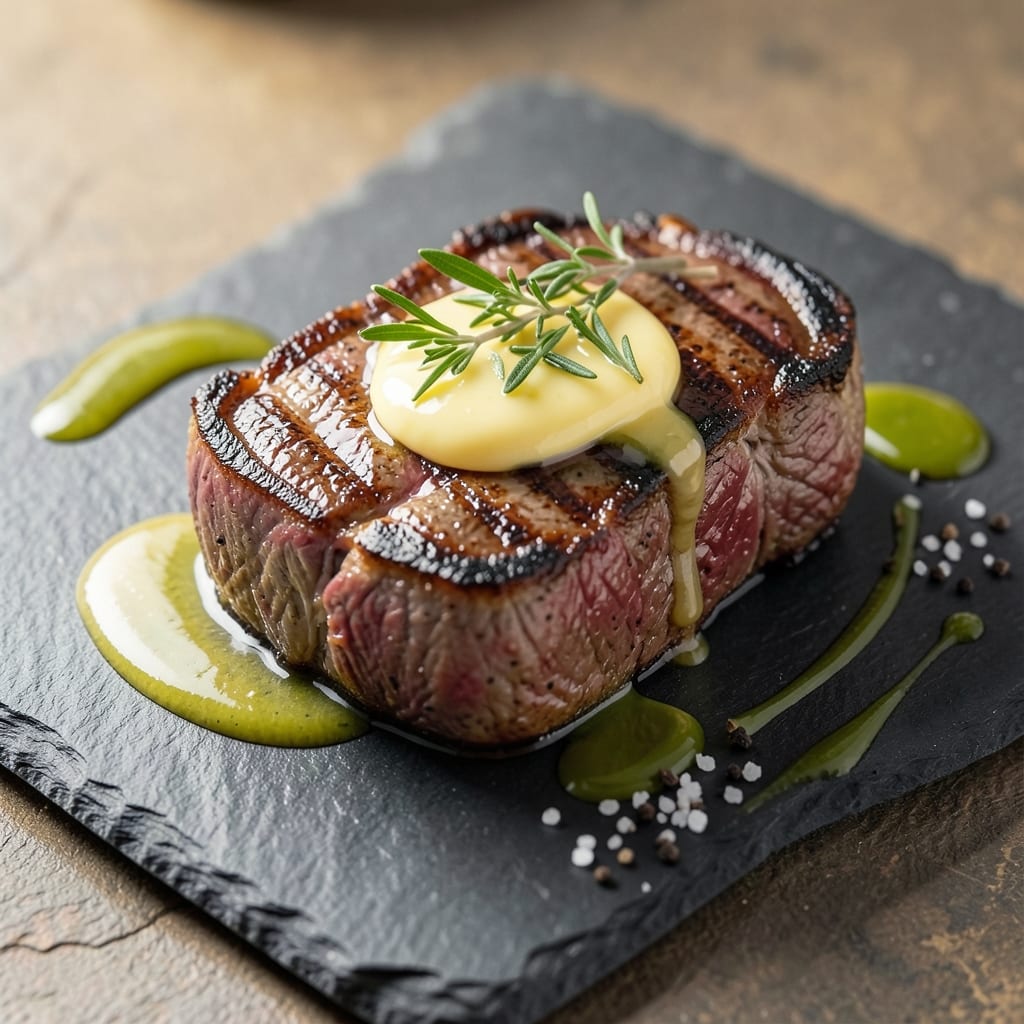
This dry aged beef recipe transforms a simple protein into a restaurant-quality centerpiece with deep nutty flavor and a buttery caramelized crust. 🔥 After years of perfecting techniques with neighborhood butchers, I've cracked the code for achieving that coveted dry-aged taste at home—no special equipment required. The secret lies in proper temperature control and a precise searing technique that creates that prized crust while keeping the interior tender and juicy.
What sets this recipe apart is the focus on even cooking—whether you're grilling, roasting, or pan-searing. We'll walk through the exact timing and temperature targets that guarantee perfect results every time, along with professional tips for handling the beef before and after cooking. The dry aging process (or how to mimic its effects) is explained in simple terms, so you can achieve that signature flavor without waiting months.
By the end, you'll have a showstopping main course with a rich, nutty aroma that fills your kitchen and a perfectly seared exterior that contrasts beautifully with the tender interior. This isn't just about cooking beef—it's about creating an experience that makes your dinner table feel like a special occasion, no matter the day of the week.
The recipe includes pairing suggestions for sides and beverages that complement the beef's deep flavors, plus troubleshooting advice for common home-cooking challenges. Whether you're cooking for two or hosting a dinner party, this method delivers foolproof, professional-quality results that will impress even the most discerning guests.
Ingredients for dry aged beef
Fourteen ingredients to elevate simple beef into restaurant-quality perfection with nutty depth and caramelized crust.
| Ingredient | Amount | Notes |
|---|---|---|
| Dry Aged Ribeye Steak 🥩 | 1 ½ lb | 1.5-inch thick, bone-in preferred |
| Kosher Salt 🧂 | 1 ½ tbsp | Diamond Crystal preferred, coarse grain |
| Freshly Ground Black Pepper 🌶️ | 1 tsp | Cracked peppercorns preferred |
| Unsalted Butter 🧈 | 4 tbsp | European-style, high fat content |
| Extra-Virgin Olive Oil 🫒 | 2 tbsp | Low-acidity, fruity variety |
| Fresh Thyme Leaves 🌿 | ½ tsp | From 2 sprigs, finely chopped |
| Fresh Rosemary Sprigs 🌿 | 2 whole | Needle leaves only, chopped |
| Garlic Cloves 🧄 | 4 cloves | Smashed, not minced |
| Yellow Onion 🧅 | 1 whole | Yellow or red, sliced into wedges |
| Dry Red Wine 🍷 | ½ cup | Bold Cabernet Sauvignon preferred |
| Beef Bone Broth 🥄 | 1 cup | Homemade or high-quality store-bought |
| Balsamic Vinegar 🍶 | 1 tbsp | Aged 25 years minimum |
| Fresh Thyme Sprigs 🌿 | 4 whole | For garnish, leaves only |
| Fresh Parsley Sprigs 🌿 | 4 whole | Flat-leaf, for garnish |
The beef is non-negotiable here. Dry-aged ribeye with good marbling is key—look for cuts with that signature crust and deep red color. If you can't find pre-aged beef, ask your butcher for a 45-day dry-aged option or age it yourself for 10 days in the fridge. For the best results, buy from local butcher shops or high-end grocers like Whole Foods—their selection is far superior to standard supermarket cuts. The thickness matters too: aim for 1.5-inch steaks to ensure even cooking and that perfect pink center.
No dry-aged beef? Wet-aged ribeye works in a pinch, but the flavor won't be identical. For the wine reduction, Cabernet Sauvignon is ideal, but Merlot or Malbec will do. The bone broth can be swapped for beef stock if needed, though homemade always tastes better. Fresh herbs are a must—they brighten up the rich beef flavors. Dried herbs won't cut it here; if you're out of fresh, skip them entirely. The balsamic vinegar should be aged—anything under 25 years will taste too sharp. For the butter, European-style with 82% fat content gives the best flavor and texture when searing.
Let the beef sit at room temperature for 45-60 minutes before cooking—this ensures even cooking. Once seared, the steaks can rest for up to 15 minutes while you prepare the wine reduction. Store any leftover beef in an airtight container with a damp paper towel to retain moisture for 3-4 days. The wine reduction keeps for 5 days in the fridge, though it's best used within 3 days for peak flavor. For herb garnishes, wrap them in damp paper towels and store in a sealed bag for up to 5 days.
Why You'll Love This Recipe
- Here’s what sold me: dry-aged beef tastes better the second day. Slice the remaining steak into strips for a next-day breakfast hash (yes, really) or toss it into a grain bowl. No sad, dry leftovers—just flavor upgrades.
- I’ll be real: dry-aged beef isn’t cheap, but this recipe stretches it like a pro. A single ribeye feeds four with sides, and the minimal ingredients (salt, pepper, butter) mean you’re not breaking the bank. That’s $20 that feels like $50 in flavor.
Step-by-step instructions for dry aged ribeye with caramelized crust
Here's how to unlock that legendary dry-aged beef flavor with a buttery, caramelized crust.
🔥 Step 1: Prepare the Dry Aged Ribeye for Maximum Flavor
Remove the 1.5 lb dry aged ribeye steak from the refrigerator 1 hour before cooking to bring it to room temperature. Pat it completely dry with paper towels—this is critical for that perfect crust. I like to press firmly all over, especially on the edges where moisture tends to linger.
In a small bowl, mix the 1.5 tbsp kosher salt and 1 tsp freshly ground black pepper until evenly distributed. Generously season both sides of the steak, pressing the salt crystals into the meat so they adhere well. Let it sit at room temperature for another 20 minutes while you prepare the rest of your ingredients. This dry brining enhances the crust and deepens the beef's natural flavors.
🍳 Step 2: Create the Herb Butter and Sear the Steak
In a small bowl, combine the 4 tbsp unsalted butter, 2 tbsp extra-virgin olive oil, 0.5 tsp fresh thyme leaves, and 2 chopped fresh rosemary sprigs. Mix well and let it sit at room temperature while your oven preheats. This herb butter will bast the steak during cooking, infusing it with aromatic flavors.
Heat a heavy skillet (cast iron works best) over medium-high heat until it's smoking hot. Add the steak and let it sear undisturbed for 3 minutes until a deep golden crust forms. Here's the thing—don't touch it during this time. You'll know it's ready when you see that beautiful caramelization forming and it releases easily from the pan. Flip and sear the other side for another 3 minutes. Remove the steak and let it rest on a cutting board.
🥘 Step 3: Build the Red Wine Reduction Sauce
In the same skillet (no need to clean it—those browned bits are pure flavor), add the 1 whole yellow onion sliced into wedges and cook for 5 minutes until softened. Add the 4 smashed garlic cloves and cook for another 30 seconds until fragrant but not browned.
Pour in the 0.5 cup dry red wine and scrape up all those delicious browned bits from the bottom of the pan. Let it simmer for 3 minutes until reduced by half. Add the 1 cup beef bone broth and 1 tbsp balsamic vinegar, then bring to a gentle simmer. Let it reduce by another 3 minutes until slightly thickened. This rich sauce will complement the steak's deep flavors perfectly.
⏰ Step 4: Finish with Herb Butter and Rest
Return the steak to the skillet and spoon the herb butter mixture over the top. Let it melt and baste the steak for 1 minute on each side. The butter should sizzle and create a glossy finish. Transfer the steak to a cutting board and let it rest for 10 minutes—this is crucial for redistributing the juices throughout the meat.
While the steak rests, garnish each serving with 1 fresh thyme sprig and 1 fresh parsley sprig. The resting period might seem long, but trust me—it's worth it. When you slice into the steak, you'll see that beautiful pink center and juices that want to flow out. Serve immediately with the red wine reduction sauce spooned over the top.
Pro Tips For Making Dry Aged Beef
- CRANK THE HEAT FIRST: Dry aged ribeye needs that sear to lock in flavor, so blast your pan on high until it’s screaming hot—about 2-3 minutes. I used to start medium and wondered why my crust never formed. Trust me, the first two minutes at max heat make all the difference for that golden crust.
- SALT THE MEAT 40 MINUTES EARLY: Kosher salt needs time to work its magic, so season your ribeye generously (about 1 teaspoon per side) and let it sit uncovered on a plate while you prep everything else. I learned this the hard way—rushing it leaves you with a bland exterior even after cooking.
- SKIP THE OVERCROWDING: One steak per pan, no exceptions. Dry aged beef releases its own juices, and if you pile them on, you’ll steam the meat instead of searing. I’ve ruined a perfectly good ribeye by tossing two in there—don’t make my mistake.
- BUTTER BASTE AT THE END: Add your unsalted butter and olive oil only in the last 30 seconds of cooking. The heat will turn it into a silky sauce that coats the steak perfectly—no need to baste mid-cook. Sounds weird, but it works: the butter doesn’t burn, and the flavor sticks like glue.
Serving suggestions for this recipe
Classic Pairings
Start with creamy mashed potatoes—their buttery richness balances the beef's depth. I like using Yukon Gold potatoes boiled in their skins for extra flavor. A sprinkle of crispy fried shallots on top adds a delightful crunch that contrasts perfectly with the tender steak. 🥔
Vegetable Sides
Roasted Brussels sprouts with balsamic glaze bring a touch of sweetness that cuts through the richness. Toss halved sprouts in olive oil, 2 tbsp balsamic, and 1 tsp maple syrup, then roast at 425°F for 20 minutes. For something lighter, try grilled asparagus with lemon zest and toasted almonds.
Carb Alternatives
For a heartier meal, serve with truffle risotto—its creamy texture and earthy aroma complement the beef beautifully. If you prefer grains, wild rice pilaf with dried cranberries and toasted pecans adds a festive touch. Both options soak up the wine reduction sauce wonderfully.
Bread Service
Always include crusty sourdough bread or rosemary focaccia for soaking up those precious sauce drips. I like to warm the bread in the oven for 5 minutes at 375°F to enhance its crispiness. A simple garlic butter dip on the side makes it irresistible. 🍞
Dessert Harmony
End the meal with something light yet indulgent like dark chocolate-dipped strawberries or crème brûlée. The bitterness of dark chocolate (70% cocoa or higher) cleanses the palate after the rich beef. For a crowd-pleaser, vanilla bean ice cream with caramelized pecans works perfectly.
Nutrition facts
Frequently asked questions
Can I use regular beef instead of dry aged beef?
Yes, but the flavor won't be identical. For best results, ask your butcher for wet-aged ribeye or age regular beef yourself for 10-14 days in the fridge. The dry aging process develops those signature nutty, caramelized notes that make this recipe special. If you're short on time, a high-quality ribeye with good marbling will still give you a delicious result—just expect a slightly different taste profile.
How do I know when my steak is perfectly cooked?
Use a meat thermometer for precision! For medium-rare, aim for 130°F internal temp. Insert the probe into the thickest part of the steak without touching bone. If you don't have a thermometer, press your finger gently on the steak—it should feel slightly soft in the center. Remember, the steak will rise 5°F while resting, so pull it out slightly earlier than your target temp.
Can I make this recipe on the grill instead of in a skillet?
For grill cooking, preheat to medium-high (400-450°F) and sear the steak for 4-5 minutes per side for a 1.5-inch thick cut. Use a cast iron grill grate if possible for better heat conduction. The wine reduction can be made in a separate saucepan on the grill's side burner. Just be mindful of flare-ups—keep the grill lid closed to maintain even heat.
Why is my crust not forming properly?
Most likely, your pan wasn't hot enough or the steak wasn't dry. For that perfect crust, your pan should be smoking hot before adding the beef, and the steak must be completely dry (pat with paper towels). Also, don't move the steak during the initial 3-minute sear—let those Maillard reactions work their magic. If your pan isn't getting hot enough, clean it thoroughly and let it heat up for 5-10 minutes before cooking.
How far ahead can I prepare the wine reduction?
You can make the wine reduction up to 3 days ahead and store it in the fridge. Reheat gently on the stove, adding a splash of water or beef broth if it's too thick. For best flavor, use it within 3 days—the longer it sits, the more the wine's alcohol will cook off, concentrating the flavors. When reheating, don't boil it—just warm through until it's saucy again.