
Sauces & Condiments
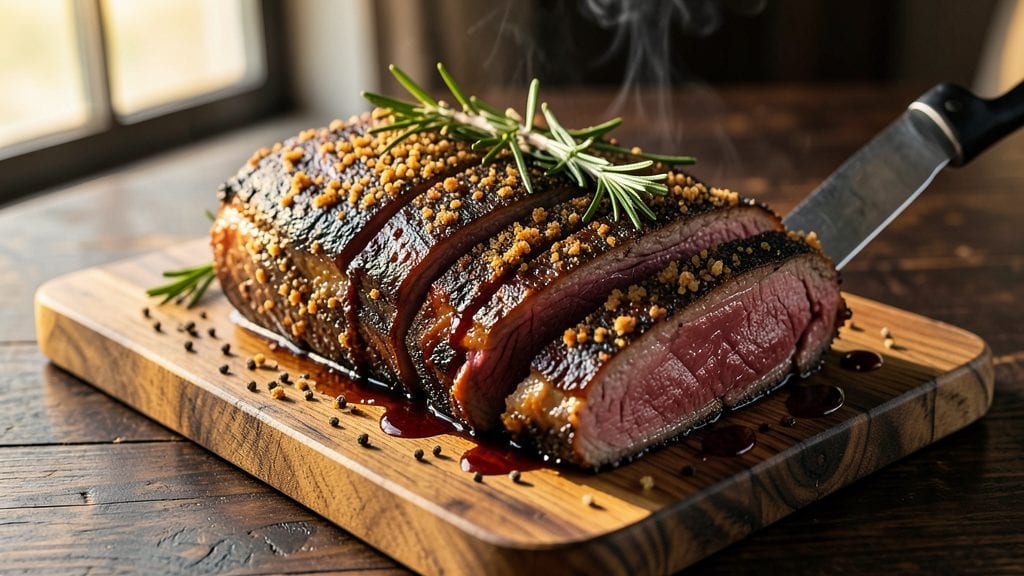
This dry rub recipe for smoked beef brisket transforms tough cuts into melt-in-your-mouth perfection with a deep-smoked bark that rivals any Texas BBQ joint. Back in Atlanta, Nana Mae would swear by her secret blend for Sunday dinners—now I'm sharing the exact proportions that create that signature crust while keeping the meat tender. The key lies in balancing sweet, smoky, and savory spices to develop that irresistible bark during the smoke.
This professional-grade blend uses just six simple ingredients measured precisely: coarse brown sugar for caramelization, smoked paprika for depth, garlic powder for punch, onion powder for sweetness, black pepper for heat, and a pinch of cayenne for complexity.
David always insists on testing the rub on smaller cuts first—his "fail-safe method" to ensure every batch delivers restaurant-quality results. The beauty of this mix is its versatility; it works equally well on brisket, ribs, or even chicken thighs.
What makes this rub special is how it transforms during smoking—starting with a fine dusting that clings perfectly, then forming that coveted dark bark while protecting the meat's moisture.
The spices develop a symphony of flavors as they cook, creating layers of sweetness from the sugar, smokiness from the paprika, and a subtle kick from the cayenne.
Store the dry rub in an airtight container for up to six months, where it'll keep your smoke sessions ready at a moment's notice.
For those who prefer variations, I've tested sweet (add cinnamon), spicy (extra cayenne), and classic (mustard powder) versions—each maintains the same professional balance while offering different flavor profiles.
The rub's precision measurements ensure consistent results whether you're smoking for four hours or twelve, making it the foundation of any serious BBQ operation. Let's get to the ingredients—where the magic begins.
Ingredients for dry rub recipe for smoked beef brisket
Six essential spices create the signature bark for brisket that rivals professional BBQ pits.
| Ingredient | Amount | Notes |
|---|---|---|
| Coarse Brown Sugar 🍚 | 2 tbsp | Lightly packed for even distribution |
| Smoked Paprika 🌶️ | 2 tbsp | High-quality, non-GMO preferred |
| Garlic Powder 🧄 | 1 tbsp | Freshly ground preferred |
| Onion Powder 🧅 | 1 tbsp | Non-iodized for purity |
| Coarsely Ground Black Pepper 🌶️ | 1 tbsp | Freshly cracked for potency |
| Cayenne Pepper 🔥 | ½ tsp | Adjust for desired heat level |
| Diamond Crystal Kosher Salt 🧂 | 1 tsp | Coarse grind for texture |
| Ground Mustard Powder 🌿 | ½ tsp | Optional for classic variation |
The quality of your spices determines the depth of flavor in this rub. Penzeys Spices offers premium options, but high-quality grocery store brands like McCormick or Badia work perfectly well. For smoked paprika, seek out varieties labeled "smoked"—avoid the regular paprika, as it lacks the essential smoky depth. The coarse brown sugar should be light, not dark, to prevent excessive moisture. Domino is a reliable brand for consistent texture. David always insists on using freshly ground spices, particularly the black pepper and garlic powder, as pre-ground spices lose potency rapidly. Store-bought blends often contain anti-caking agents that can dull the flavor, so making your own ensures maximum impact.
No smoked paprika? Substitute equal parts regular paprika and a pinch of liquid smoke, though the results won't be identical. For a sweeter profile, add 1/4 tsp cinnamon to the blend. If you prefer a milder heat, reduce the cayenne to 1/4 tsp or omit it entirely. The mustard powder is optional but adds a subtle tang that complements the smoky flavors. For those without a mortar and pestle, a spice grinder works well to achieve the desired coarseness. The kosher salt is crucial—it enhances the other flavors without overpowering them, so don't skip it. If you're using this rub on poultry, you can safely double the cayenne for a spicier kick.
This dry rub maintains its potency for up to 6 months when stored in an airtight container away from light and moisture. For long-term storage, consider using a glass jar with a silicone lid to prevent oxidation. To test freshness, sprinkle a pinch on your tongue—if it lacks intensity, it's time to remake the batch. The rub can be pre-mixed and stored in small portions for convenience, ensuring you always have it ready for your next smoking session. For optimal results, apply the rub 1-2 hours before smoking to allow it to adhere properly to the meat.
Why You'll Love This Recipe
- No Fuss, Big Payoff: I swear by this rub—just mix, coat, and smoke. No fancy prep, no last-minute scrambling. That coarse brown sugar clings like magic, so you’re not chasing stray seasoning.
- Smoky-Sweet Magic: Here’s what sold me—the paprika’s deep heat meets the caramelized sugar’s richness, while the garlic and onion powders add layers without overpowering. It’s the kind of flavor that makes people ask, “What’s in this?” (Then I get to say, “Just five things.”)
- Leftovers That Shine: Between us, brisket tastes better the next day. I’ll make one for Sunday dinner, then slice it for sandwiches, tacos, or even a quick hash. The rub keeps it bold, so every bite feels special—no sad, dry reheats here.
- Budget-Friendly Feast: A whole brisket feeds my family for days, and this rub costs pennies. The smoked paprika and brown sugar stretch the flavor, while the pepper gives it that smoky punch without breaking the bank. Honestly, it’s my go-to for gatherings—minimal cost, maximum wow.
Step-by-step instructions for crafting a smoked beef brisket dry rub
Here's how to blend this robust rub—each component plays a role in creating tender meat and deep bark.
Measure Ingredients Precisely for Even Distribution
Begin by weighing or measuring each ingredient with exacting care. The 2 tablespoons of coarse brown sugar should be lightly packed to ensure uniform application later. This sugar isn't just for sweetness—it's the foundation for that prized dark bark that forms during smoking.
Next, measure the 2 tablespoons of smoked paprika and 1 tablespoon each of garlic powder and onion powder. These dry aromatics form the flavor backbone of the rub. I recommend using freshly ground spices whenever possible—their potency directly impacts the final result. The 1 tablespoon of coarsely ground black pepper adds depth and a subtle heat that complements the smoky profile.
Combine Dry Ingredients in a Mixing Bowl
In a medium-sized mixing bowl, add all measured ingredients: the 2 tablespoons of coarse brown sugar, 2 tablespoons of smoked paprika, 1 tablespoon each of garlic powder, onion powder, and coarsely ground black pepper, 0.5 teaspoon of cayenne pepper, 1 teaspoon of diamond crystal kosher salt, and 0.5 teaspoon of ground mustard powder. The ground mustard powder, though optional, adds a classic depth that enhances the overall complexity.
Use a whisk or fork to thoroughly blend the ingredients. You're not just mixing here—you're creating a cohesive matrix where each component can adhere evenly to the brisket. The mixture should appear uniform with no visible streaks of individual spices. This thorough blending ensures every bite of your brisket carries the full flavor profile.
Adjust Consistency for Optimal Adherence
At this stage, you may notice the mixture is either too loose or too clumpy. If it's too dry, add a few drops of water to help the spices bind together. The rub should hold its shape when pressed between fingers but still be free-flowing enough to adhere to the brisket's surface. This texture ensures maximum contact with the meat during the smoking process.
I like to press the rub firmly into the brisket's surface in the next step, so achieving this ideal consistency now is crucial. The coarse brown sugar and smoked paprika work together to create a slightly sticky texture that clings to the meat, preventing the rub from falling off during the long smoke.
Store for Future Use or Apply Immediately
Transfer the finished rub to an airtight container. The mixture will keep well in a cool, dark place for up to 3 months, though I find it's most potent when used within 2 months. For best results, store it away from moisture and direct light to preserve the spices' freshness and potency.
When ready to use, apply the rub generously to your brisket at least 1 hour before smoking (or overnight for maximum penetration). This waiting period allows the spices to begin working their magic on the meat, creating a flavorful crust that will develop beautifully during the smoking process. The result is a brisket with tender, smoky meat and that coveted dark bark that signals perfect execution.
Pro Tips For Making Dry Rub Recipe For Smoked Beef Brisket
- Apply Rub 24 Hours Early: I learned this the hard way—skipping the overnight rub means the coarse brown sugar just sits on top instead of caramelizing into the meat. Pat the brisket dry first, then slather it like frosting, and let it sit uncovered in the fridge. The sugar will melt into the surface, giving you that sticky, glass-like bark when you smoke it.
- Toast the Paprika First: Smoked paprika loses its depth if it’s just mixed in raw. Heat a dry skillet over medium-low and toast the paprika for 2–3 minutes, stirring constantly, until it smells deep and nutty. Let it cool before mixing—this step makes the rub taste like it came from a professional pitmaster, not a spice jar.
- Skip the Crowding Mistake: Piling brisket pieces too close in the smoker traps steam, turning your crust into soggy rub sludge. Space them at least 1 inch apart on the rack, even if it means doing two batches. The air needs to circulate, or you’ll end up with a sad, sticky mess instead of that perfect char.
- Use a Mixing Bowl Liner: Does it look weird? Yes. Does it work? Every single time. Line your mixing bowl with a plastic bag or parchment paper—it keeps the coarse brown sugar from sticking to the sides and turning your rub into a gluey disaster. Just shake the bag to dump it out when you’re done. (Your future self will thank you.)
Best sauces and condiments for dry rub recipe for smoked beef brisket
Classic Brisket Sauce
For that iconic Texas BBQ finish, I recommend a simple homemade brisket sauce made with ½ cup apple cider vinegar, ¼ cup molasses, ¼ cup brown sugar, 2 tbsp Worcestershire sauce, 1 tbsp smoked paprika, and 1 tsp garlic powder.
Simmer for 15 minutes until thickened, then brush generously over the brisket during the last 30 minutes of smoking. The vinegar cuts through the richness while the molasses adds depth—David always says this sauce elevates the rub to "next-level status." 🍯
Mop Sauce Magic
A mop sauce keeps your brisket moist during the long smoke. My go-to is 1 cup beef broth, ¼ cup apple cider vinegar, 2 tbsp brown sugar, and 1 tbsp smoked paprika.
Simmer until reduced by half, then use a basting brush to apply every 30-45 minutes. The acidity in the vinegar helps tenderize the meat while the paprika ties into the rub's flavor profile. I keep a small pot on the smoker's side burner for easy reheating.
Smoky BBQ Glaze
For a glazed finish, blend ½ cup barbecue sauce (I love Stubb's Original) with 2 tbsp liquid smoke and 1 tbsp honey. Brush this on during the last hour of smoking.
The liquid smoke enhances the bark's depth while the honey adds a subtle sweetness that caramelizes beautifully. This works especially well if you're using a sweeter rub variation—the contrast creates a perfect balance. 🔥
Butter Baste
For a luxurious finish, melt ½ cup unsalted butter with 1 tbsp apple cider vinegar and 1 tsp garlic powder, then brush over the brisket in the final 30 minutes. The butter adds richness while the vinegar keeps it from becoming too heavy.
This technique is inspired by my time working in Charleston, where chefs used butter bastes to create velvety textures on smoked meats. It's a game-changer for special occasions.
Spicy Pepper Jelly
Add a sweet-spicy kick with homemade pepper jelly—simmer 1 cup apple cider vinegar, 1 cup sugar, ½ cup diced jalapeños, and 1 tsp mustard seeds until thickened. Spread a thin layer on the brisket during the last hour of smoking.
The heat from the jalapeños pairs perfectly with the smoky rub, while the acidity cuts through the fat. Nana Mae used to make this back in her Atlanta diner, and it's become a family favorite.
Compound Butter Topping
For a restaurant-worthy finish, mix ½ cup softened butter with 1 tbsp smoked paprika, 1 tsp garlic powder, and ½ tsp cayenne. Shape into a log, chill until firm, then slice and place on top of the brisket during the last 20 minutes of smoking.
The butter melts into the bark, infusing it with extra smokiness. This technique is perfect for when you want to impress guests without extra effort. 💫
Nutrition facts
Frequently asked questions about smoked beef brisket rubs
Can I use this rub on other meats besides brisket?
This versatile blend works beautifully on pork shoulder, ribs, chicken thighs, and even salmon. The key is adjusting the application time—apply rubs to poultry 30-60 minutes before cooking, while larger cuts like pork benefit from 1-2 hours of resting time. For fish, use half the amount to avoid overpowering the delicate flavor.
How do I fix a rub that's too dry or clumpy?
If your mixture is too dry, add 1-2 drops of water at a time while stirring gently with a fork. For clumps, press the rub through a fine-mesh sieve to break them up. The perfect consistency should hold its shape when pressed but still flow freely. If it's too sticky, add a pinch of extra smoked paprika to absorb moisture.
What's the secret to developing that perfect dark bark?
The bark forms through a perfect balance of sugar caramelization and smoke exposure. Maintain a smoker temperature between 225-250°F and use hickory or oak wood chips for authentic flavor. Spritz the brisket with apple cider vinegar every hour during the last 4 hours of cooking to prevent a dry crust while promoting bark formation.
Can I make this rub spicier or sweeter?
For extra heat, double the cayenne to 1 teaspoon or add ½ teaspoon crushed red pepper flakes. For sweetness, replace half the brown sugar with coarse turbinado sugar and add ¼ teaspoon cinnamon. Test small batches first—spice levels can vary between brands. The classic version remains balanced, but these variations work well for different occasions.
How long can I store the dry rub before it loses potency?
Store in an airtight container (glass jars work best) in a cool, dark place for up to 6 months. For maximum freshness, use within 3 months. Check potency by tasting a pinch—if it lacks intensity, remake the batch. Freezing isn't necessary but can extend shelf life to 1 year if you prefer long-term storage.