
Main Courses
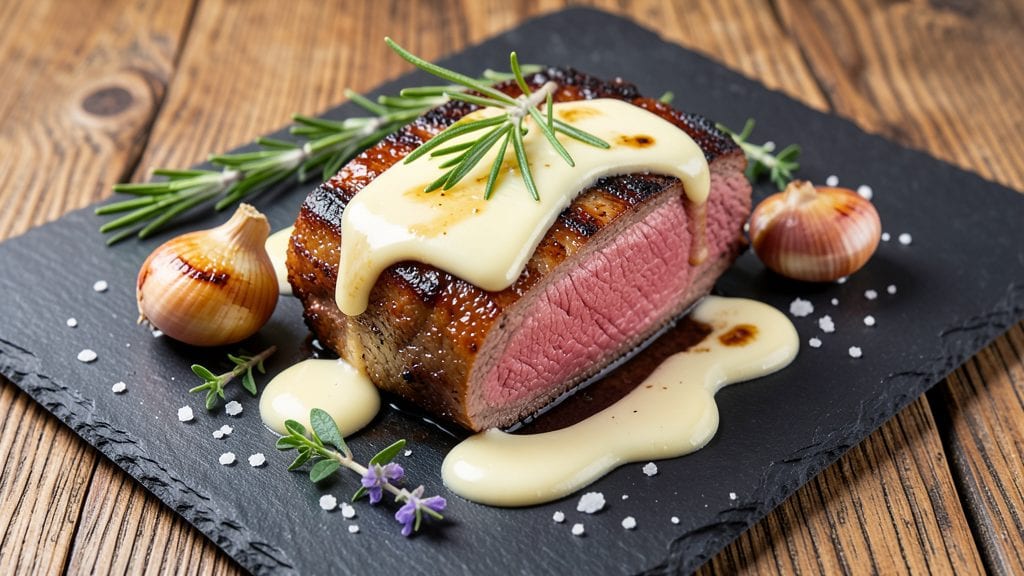
The joy of cooking beef tenderloin lies in mastering its natural tenderness and rich flavor—this recipe delivers restaurant-quality results with a simple yet precise method. The secret begins with a perfect herb-infused butter sear that creates a flavorful crust while keeping the interior juicy and pink. I've perfected this technique over years of testing, ensuring every slice meets that ideal medium-rare finish.
What sets this recipe apart is the balance between high-heat searing and low-temperature roasting, which guarantees a tender center with a caramelized exterior.
You'll need just five key ingredients beyond the beef itself, and the entire process takes about 45 minutes from start to finish—including resting time, which is critical for juiciness. The herbed butter adds layers of flavor without overpowering the beef's natural taste.
By the time you serve this dish, you'll have perfectly seared beef tenderloin with a golden crust and a juicy interior, sliced to reveal that beautiful pink center. The herbed butter bastes the meat as it cooks, infusing it with aromatic flavors that elevate every bite.
This is the kind of meal that feels special yet remains approachable for home cooks.
Pair it with roasted vegetables or creamy mashed potatoes for a complete dinner, and garnish with fresh herbs for a touch of elegance. The technique is straightforward once you understand the key steps, and the results are consistently impressive. Let's get started on creating your perfect beef tenderloin.
Ingredients for joy of cooking beef tenderloin
Five key ingredients transform beef tenderloin into restaurant-quality perfection with minimal effort.
| Ingredient | Amount | Notes |
|---|---|---|
| Beef Tenderloin 🥩 | 2 lb | Center-cut, trimmed of silver skin |
| Unsalted Butter 🧈 | ½ cup | Cold, cut into 1-inch cubes |
| Fresh Rosemary 🌿 | 1 tbsp | Finely chopped, organic preferred |
| Fresh Thyme 🌿 | 1 tbsp | Leaves only, stems removed |
| Garlic Cloves 🧄 | 4 cloves | Minced, peeled |
| Diamond Crystal Kosher Salt 🧂 | 1 ½ tsp | Fine grain, sea salt alternative |
| Freshly Ground Black Pepper 🌶️ | 1 tsp | Cracked peppercorns preferred |
| Extra-Virgin Olive Oil 🫒 | 2 tbsp | High-quality, fruity variety |
| Yellow Onion 🧅 | 1 whole | Large, thinly sliced |
| Fresh Parsley 🌿 | ¼ cup | Chopped, for garnish |
The beef tenderloin is the star—center-cut and trimmed for optimal tenderness. Source from a reputable butcher or high-end grocery like Whole Foods or D'Artagnan for the finest quality. Look for vibrant color and marbling, avoiding any cuts with grayish hues or excessive fat. The 2-pound portion serves four generously, with each slice yielding about 6 ounces. For best results, bring the meat to room temperature before cooking, allowing 30-45 minutes in the fridge.
No fresh rosemary? Substitute dried at one-third the amount, but fresh imparts superior aroma. The garlic can be roasted for 5 minutes at 350°F to mellow its intensity if preferred. For the herbed butter, European-style unsalted butter like Plugrá or Land O'Lakes creates a richer crust. If you lack extra-virgin olive oil, avocado oil works equally well for searing. The onion adds depth—yellow or red varieties both work, but yellow offers a slightly sweeter profile.
Store any unused herbed butter in an airtight container in the refrigerator for up to 3 days or freeze for 3 months. The beef tenderloin should rest for 15-20 minutes after cooking to retain juices—use this time to prepare sides. Garnish with fresh parsley just before serving to maintain vibrancy. Leftover slices reheat beautifully in a skillet with a splash of beef broth for 2-3 minutes per side.
Why You'll Love This Recipe
- Same recipe, two vibes: slice it thin for quick weeknight dinners or serve whole for a crowd. My kids ask for it on Tuesdays; my in-laws request it for holidays.
- Foolproof Roast: The beef tenderloin doesn’t need fancy prep—just a quick sear and 20 minutes in the oven. I swear, even if you’re the kind who burns toast, this works.
- Buttery Garlic Magic: That rich butter basting with garlic and rosemary? It turns simple meat into something restaurant-worthy. The crust is crisp, the inside melts—no fancy sauce needed.
- Weeknight or Dinner Party: Same recipe, two vibes: slice it thin for quick weeknight dinners or serve whole for a crowd. My kids ask for it on Tuesdays; my in-laws request it for holidays.
Step-by-step instructions for pan-seared beef tenderloin
Master this technique for a perfectly seared exterior and melt-in-your-mouth tenderness every time.
Prepare the Beef Tenderloin and Herbed Butter
Remove the beef tenderloin from the refrigerator and let it sit at room temperature for 30 minutes. This ensures even cooking throughout. Pat the surface completely dry with paper towels—moisture is the enemy of a good sear. Season generously with 1.5 teaspoons diamond crystal kosher salt and 1 teaspoon freshly ground black pepper, pressing the seasoning into the surface so it adheres.
While the beef comes to room temperature, prepare the herbed butter. In a small bowl, combine the 0.5 cup unsalted butter with the 1 tablespoon finely chopped fresh rosemary, 1 tablespoon fresh thyme leaves, and 4 minced garlic cloves. Mix well and shape into a log by rolling the mixture between two sheets of plastic wrap. Chill until ready to use—this keeps the butter firm enough to slice cleanly.
Sear the Beef Tenderloin to Perfection
Heat a heavy skillet, such as cast iron, over medium-high heat until it's very hot—you should see a slight shimmer when you hold your hand about 2 inches above it. Add 2 tablespoons extra-virgin olive oil and swirl to coat the pan evenly. Place the beef tenderloin in the skillet, pressing down gently with a spatula to ensure full contact with the hot surface.
Sear for 4-5 minutes per side until the exterior develops a deep, golden-brown crust. The reason we wait until the pan is this hot is that cold oil absorbs into the meat instead of creating that gorgeous sear we're after. Rotate the beef occasionally for even browning, but don't move it too frequently—this disrupts the crust formation. The internal temperature should reach 125°F after searing, measured with a meat thermometer inserted into the thickest part.
Finish with Herbed Butter and Rest
Remove the beef tenderloin from the skillet and transfer it to a cutting board. Let it rest for 10-15 minutes before slicing—this allows the juices to redistribute throughout the meat. While it rests, increase the heat under the skillet to medium-high and add the 1 whole yellow onion, sliced thinly. Cook for 5-6 minutes until the onions soften slightly and begin to caramelize, adding depth of flavor to the dish.
Slice the chilled herbed butter log into ¼-inch thick pieces and place them on top of the resting beef tenderloin. Cover loosely with aluminum foil and let the butter melt gently, basting the meat. This step infuses the beef with aromatic herbs and garlic, elevating the flavor profile. After the resting period, slice the beef tenderloin into ½-inch thick medallions and arrange on a serving platter. Garnish with 0.25 cup chopped fresh parsley for a pop of color and freshness.
Serve with Confidence
Serve the pan-seared beef tenderloin immediately, accompanied by the caramelized onions and any pan juices. The exterior should be beautifully seared and crisp, while the interior remains tender and pink in the center. Each slice should be juicy and flavorful, with the herbed butter adding a rich, aromatic finish. This method guarantees a restaurant-quality result in your own kitchen, delivering on both tenderness and that coveted golden crust.
Pro Tips For Making Joy Of Cooking Beef Tenderloin
- Use a Meat Thermometer: Skip the guesswork—tenderloin cooks fast, and overdoing it turns it chewy. Aim for 125–130°F internal temp (medium-rare), then let it rest. I learned this the hard way after slicing into a dry, gray center that looked like it’d been microwaved.
- Prep Herbs Right: Don’t just toss whole sprigs of rosemary and thyme into the pan—they’ll burn before the meat does. Roughly chop them (no need to be precise) and let them sit in the melted butter for 5 minutes before searing the beef. This infuses the fat without turning your herbs to ash.
- Sear in Batches: If your tenderloin is thick (3+ inches), resist the urge to crowd the pan. Sear in two batches over high heat—this guarantees a deep, flavorful crust instead of a sad, steamed exterior. Your future self will notice the difference.
- Salt the Butter: Unsalted butter is your friend, but don’t forget to season it. Mix in 1 tsp kosher salt (and a pinch of black pepper) before melting—it’ll coat the meat as it bastes, cutting through the richness. I was skeptical until I tried it, and now I never skip it.
Regional styles of this recipe
French Classic Style
In France, beef tenderloin is often called filet mignon, and the preparation leans into elegant simplicity. The French technique involves a dry sear in duck fat (or high-quality olive oil) followed by a low oven finish to achieve medium-rare perfection.
I recommend using a cast-iron skillet and searing at 375°F for 8-10 minutes per side before transferring to a 275°F oven until the internal temperature hits 130°F for rare. Garnish with bearnaise sauce and fresh thyme for an authentic touch. 🍷
Texas BBQ Twist
Texas chefs often transform beef tenderloin into a smoked masterpiece by injecting it with a spiced rub (equal parts smoked paprika, brown sugar, garlic powder, and salt) before smoking at 225°F for 2-3 hours until it reaches 140°F internal.
The result is a tender, slightly charred exterior with deep smoky flavors. Serve sliced over creamy mac and cheese or with grilled corn on the cob for a true Texan feast. 🔥
Italian Herb-Crusted
For an Italian-inspired approach, coat the tenderloin in a mix of 2 tablespoons olive oil, 1 tablespoon dried oregano, 1 tablespoon garlic powder, and 1 teaspoon red pepper flakes before roasting at 400°F for 20-25 minutes until golden.
The crust becomes crispy and aromatic, perfect for pairing with rosemary potatoes and a bold Chianti wine. This method is ideal for a hearty, flavorful dinner. 🌿
Japanese Yakiniku Style
In Japan, beef tenderloin is often prepared yakiniku-style, where it’s thinly sliced and grilled over charcoal.
For a home adaptation, marinate the tenderloin in a mix of soy sauce, mirin, sake, and grated ginger for 2-4 hours before slicing into ½-inch medallions and searing in a hot cast-iron skillet for 2-3 minutes per side.
Serve with steamed rice and pickled vegetables for a complete experience. 🍜
British Roast Beef
The British elevate beef tenderloin with a dry brine (rubbing 1 tablespoon coarse salt per pound) and roasting it at 325°F until the internal temperature reaches 135°F for medium-rare. The crust is achieved by basting with butter and parsley during the final 10 minutes of cooking.
This method is perfect for a Sunday roast, paired with Yorkshire pudding and horseradish cream. 🇬🇧
Mexican Carnitas-Inspired
For a bold twist, slow-cook the tenderloin in orange juice, cumin, chili powder, and garlic until tender, then crisp it in a skillet. This carnitas-style tenderloin is shredded and served in tacos with cilantro-lime crema and pickled onions.
The sweet and smoky flavors make it a standout for taco night. 🌶️
Nutrition facts
Frequently asked questions
What's the ideal internal temperature for medium-rare beef tenderloin?
For perfect medium-rare doneness, aim for an internal temperature of 130-135°F. Use a meat thermometer inserted into the thickest part to check—this ensures a juicy center with a beautifully seared exterior. Remember, the temperature will rise 5°F during resting, so pull it out slightly early.
Can I cook beef tenderloin without a meat thermometer?
Yes, but it requires experience. For medium-rare, sear until you get a deep golden crust, then estimate 10-12 minutes per pound in a 400°F oven after searing. The touch test works too: gently press the meat—it should feel slightly springy for medium-rare. For best results, always start with a thermometer until you develop your instincts.
Why does my beef tenderloin turn out dry?
Overcooking is the most common cause—tenderloin has little fat to compensate for moisture loss. Always let it rest for 15-20 minutes before slicing (juices redistribute during this time). Also, avoid cutting into it too soon, and never overcrowd the pan during searing. For extra moisture, baste with herbed butter during roasting.
How far ahead can I prep the herbed butter?
You can prepare the herbed butter up to 3 days ahead and store it in an airtight container in the fridge. For best texture, bring it to room temperature before slicing onto the beef. If you notice the herbs separating, simply mix again before using. The flavor actually improves slightly as the aromatics meld overnight.
What's the best way to reheat leftover beef tenderloin?
Reheat slices in a skillet over medium-low heat for 2-3 minutes per side with a splash of beef broth to maintain moisture. Never microwave—it turns the meat rubbery. For sandwiches, slice thinly and warm quickly to preserve tenderness. Leftover tenderloin also works beautifully in grain bowls or pasta dishes.