
Main Courses
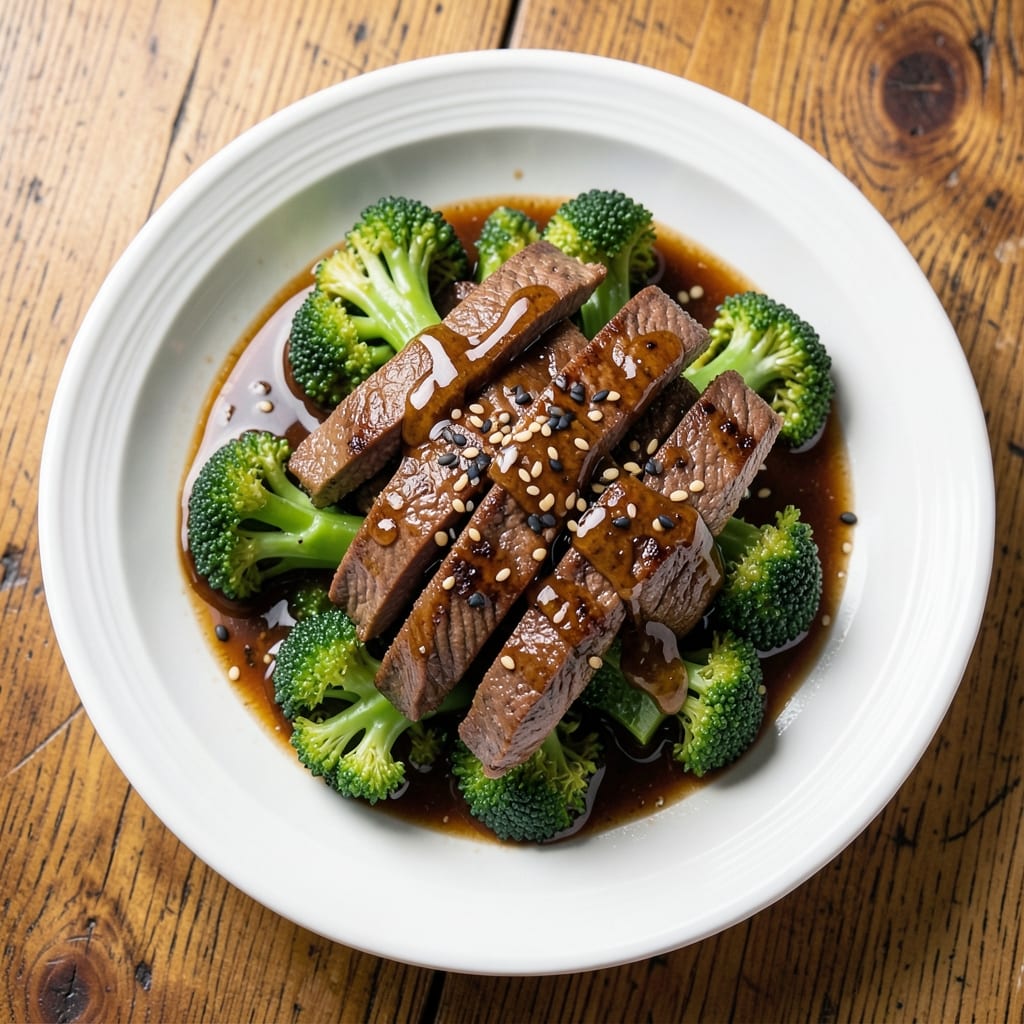
This Kikkoman beef and broccoli recipe delivers the perfect balance of soy-glazed tenderness and crisp-tender broccoli in just 25 minutes. The secret lies in high-heat searing of the beef followed by a quick stir-fry, where Kikkoman soy sauce transforms into a rich, caramelized glaze that clings perfectly to both protein and vegetable. After years of perfecting this dish, I've found that proper timing and sauce reduction are what separates homemade from takeout—this version delivers restaurant-quality results without the wait.
The technique begins with a quick sear of thinly sliced beef strips, ensuring they develop a caramelized crust while remaining juicy inside. Meanwhile, broccoli florets are blanched just until bright green and crisp-tender, preserving their natural crunch. What sets this recipe apart is the sauce preparation: a simple blend of Kikkoman soy sauce, brown sugar, and a splash of rice vinegar that's reduced until syrupy, creating that signature glossy finish that makes every bite irresistible. The sauce isn't just flavorful—it's the perfect balance of salty, sweet, and umami that defines this classic dish.
By the time you plate this dish, you'll have perfectly seared beef strips with crisp edges and tender centers, paired with bright green broccoli that's just crisp enough to provide texture contrast. The sauce coats everything evenly, creating that signature glossy finish that makes this dish so addictive. The aroma alone will have everyone gathering around the table, and the first bite delivers on that perfect harmony of textures and flavors that makes this a weeknight staple.
Whether you're using a wok for that classic "wok hei" smokiness or a sheet pan for an easy cleanup, this recipe adapts beautifully to your kitchen setup. The same principles apply—high heat, quick cooking, and proper sauce reduction—to ensure you get that authentic restaurant experience at home. Let's get started on creating this timeless favorite that's been a comfort food staple for generations.
Ingredients for kikkoman beef and broccoli
Here's what you need to recreate that perfect soy-glazed tenderness and crisp-tender broccoli at home.
| Ingredient | Amount | Notes |
|---|---|---|
| Flank Steak 🥩 | 1 lb | Thinly sliced against grain |
| Fresh Broccoli 🥦 | 1 ½ lb | Cut into 1-inch florets |
| Kikkoman Soy Sauce 🍶 | ½ cup | For authentic umami flavor |
| Brown Sugar 🍯 | ¼ cup | Light or dark variety |
| Rice Vinegar 🍶 | 1 tbsp | For bright acidity |
| Sesame Oil 🫒 | 1 tbsp | Toasted for nutty aroma |
| Garlic Cloves 🧄 | 4 cloves | Minced for aromatic depth |
| Ginger Root 🌿 | 1 tbsp | Freshly grated |
| Neutral Oil 🫒 | 2 tbsp | Avocado or vegetable oil |
| Green Onions 🧅 | 3 whole | Sliced for garnish |
| Toasted Sesame Seeds 🌾 | 1 tbsp | For crunchy texture |
| Salt 🧂 | 1 tsp | Kosher or sea salt |
| Black Pepper 🌶️ | ½ tsp | Freshly ground |
The flank steak is non-negotiable for this dish—it's lean enough to cook quickly but still tender when sliced thinly against the grain. Grab a package from the butcher counter at Whole Foods or your local market; they'll slice it for you if you ask. For broccoli, freshness matters—look for bright green florets with tight buds. Trader Joe's usually has perfect broccoli crowns that cut beautifully. The Kikkoman soy sauce is the heart of this recipe, so don't substitute—its clean, balanced flavor is what makes this taste like takeout. I always grab an extra bottle because it disappears fast.
No Kikkoman soy sauce? Japanese soy sauce (shoyu) works in a pinch, but it's slightly sweeter. The brown sugar can be swapped for white sugar if that's what you have, though it won't caramelize as beautifully. Fresh ginger and garlic are ideal, but if you're in a bind, jarred minced ginger (the kind in Asian markets) and pre-minced garlic from the refrigerated section will save time. The sesame oil is what gives that authentic aroma—don't skip it, but use it sparingly. And if you're worried about the broccoli getting soggy, blanch it first in boiling water for 30 seconds before stir-frying.
This dish tastes even better the next day—double the sauce if you're making it ahead. Store leftovers in an airtight container in the fridge for up to 4 days, or freeze for 3 months. For reheating, I microwave it with a splash of water to keep everything tender. The broccoli will lose some crunch, but the beef stays juicy. Garnish with those toasted sesame seeds right before serving—they add a crunchy contrast that makes the dish pop. And trust me, the aroma alone will have everyone rushing to the table.
Why You'll Love This Recipe
- One-Pan Miracle: I swear by this—just sear the steak, toss in broccoli, and let the Kikkoman soy sauce work its magic. No chopping boards, no extra pots, and honestly? That’s my kind of dinner.
- Sweet-Savory Magic: The brown sugar and rice vinegar combo turns this into something special—tender beef with a glossy, caramelized edge and broccoli that’s crisp-tender. It’s the kind of flavor that makes you pause mid-bite.
- Leftover Goldmine: This dish actually tastes better the next day. I’ll be real: I make double portions because reheating the leftovers (with a splash of water to keep it saucy) is my lazy Sunday lunch.
- Budget Steakhouse Trick: Flank steak on sale? Perfect. A handful of broccoli? Even better. With just soy sauce, sugar, and vinegar, you’re getting restaurant-quality for half the price—no fancy ingredients needed.
Step-by-step instructions for soy-glazed beef and broccoli
Transform tough flank steak into melt-in-your-mouth perfection with this restaurant-style technique.
Prep and Marinate the Flank Steak
Slice the 1 lb flank steak thinly against the grain into ¼-inch strips. This is crucial—thin slices cook faster and stay tender. Transfer the sliced steak to a bowl and add 0.5 cup Kikkoman soy sauce, 1 tbsp rice vinegar, 1 tbsp sesame oil, 1 tbsp grated ginger root, and 1 tsp salt. Mix gently to coat evenly. Let it marinate for at least 30 minutes (or up to 4 hours for deeper flavor). The acidity in the vinegar and soy sauce will begin breaking down the proteins, ensuring fork-tender results.
While the steak marinates, cut the 1.5 lb fresh broccoli into 1-inch florets, reserving the tough stems for stock if desired. Blanch the florets in boiling water for 1 minute to soften slightly, then shock in ice water. This preserves vibrant color and prevents overcooking later. Drain well and set aside—you want them crisp-tender, not mushy.
Sear the Beef to Lock in Juices
Heat 1 tablespoon neutral oil in a wok or large skillet over high heat until shimmering. Remove the steak from the marinade (reserve the marinade) and pat dry with paper towels—this ensures maximum contact with the hot oil. Work in batches to avoid crowding the pan, adding steak when the oil stops sizzling from the previous batch. Sear for 1-2 minutes per side until deep golden brown with caramelized edges. The high heat creates a flavorful crust while keeping the interior tender.
Transfer the seared steak to a plate and set aside. You'll notice the edges curl slightly—that's perfect. If the pan isn't empty, wipe it clean with a paper towel to remove any browned bits that could burn the sauce later.
Build the Glazing Sauce
Return the wok to high heat and add the remaining 1 tablespoon neutral oil. Add the 4 cloves minced garlic and cook for 30 seconds until fragrant—don't let it brown or it'll turn bitter. Pour in the reserved marinade and scrape up any browned bits from the bottom of the pan. Add 0.25 cup brown sugar and bring to a simmer, stirring constantly for 2-3 minutes until the sauce thickens slightly and coats the back of a spoon.
Here's where the magic happens: the sugar caramelizes, creating a glossy glaze that clings beautifully to the beef. If the sauce reduces too quickly, add 1-2 tablespoons water to maintain the right consistency. The sauce should coat the back of a spoon but still be pourable.
Finish with Broccoli and Garnish
Add the blanched broccoli florets to the wok and toss everything together for 2-3 minutes until the broccoli is heated through and bright green. The residual heat from the pan will finish cooking the broccoli perfectly—no need for overcooking. Return the steak to the wok and toss gently to coat everything in the glaze. Cook for an additional 1 minute just to meld the flavors.
Divide the beef and broccoli among plates, garnishing each serving with 3 sliced green onions and 1 tablespoon toasted sesame seeds. The sesame seeds add a delightful crunch that contrasts with the tender beef and crisp broccoli. Serve immediately while the sauce is still glossy and the broccoli maintains its vibrant color.
Rest and Serve for Maximum Tenderness
Let the dish rest for 2-3 minutes before serving. This brief resting period allows the juices to redistribute throughout the beef, ensuring each bite is moist and flavorful. The broccoli will stay crisp-tender, not soggy, and the sauce will maintain its perfect consistency.
For an authentic touch, serve with steamed jasmine rice to soak up the delicious glaze. The contrast of the fluffy rice with the tender beef and crisp broccoli makes every bite unforgettable. The combination of sweet, savory, and umami flavors in this dish is what makes it a classic comfort food.
Pro Tips For Making Kikkoman Beef And Broccoli
- Slice Against the Grain: Flank steak’s tough fibers run parallel to the cut—slicing perpendicular makes each bite tender. Grab a sharp knife and angle those slices diagonally; I used to cut with the grain and ended up with chewy mouthfuls every time.
- Blanch Broccoli First: Toss raw florets in boiling water for 30 seconds before stir-frying—this stops the bitterness and keeps them bright green. Skip this, and you’ll end up with mushy broccoli that turns to sludge when you add sauce.
- Deglaze with Vinegar Early: After searing the beef, splash in the rice vinegar before adding soy sauce—it brightens the glaze and cuts through the richness. I learned this the hard way when my sauce tasted flat because I waited too long.
- Use Less Sugar, More Salt: Brown sugar burns faster than you think, and too much makes the sauce cloying. Start with 1 teaspoon, taste, then add more if needed—salt (½ teaspoon) balances the sweetness better than extra sugar ever will.
Creative variations of kikkoman beef and broccoli
Spicy Sichuan Twist
Transform this classic into a fiery Sichuan version by adding 1 tbsp chili bean paste and 1 tsp Sichuan peppercorns (lightly toasted and ground) to the sauce. The numbing-spicy kick from Sichuan peppercorns elevates the dish while keeping the soy-glazed sweetness. I like to add ½ cup bell peppers sliced into strips for extra crunch and color. Serve with extra hot sauce on the side for those who crave more heat. 🌶️
Sweet and Tangy Fusion
For a modern twist, swap the brown sugar for ½ cup honey> and add 1 tbsp rice vinegar> to the sauce. The honey creates a delicate sweetness while the extra vinegar brightens the flavors. I also stir in 1 tsp grated ginger> and 1 minced garlic clove> at the end for a refreshing finish. Garnish with toasted coconut flakes> for a tropical-inspired touch that pairs beautifully with jasmine rice.
Sheet Pan Simplicity
Skip the wok entirely and make this a one-pan wonder! Toss the marinated beef, broccoli, and sauce onto a sheet pan lined with parchment paper. Roast at 425°F> for 12-15 minutes>, stirring halfway, until the beef is caramelized and the broccoli is tender-crisp. This method is perfect for weeknights when you want minimal cleanup. The oven creates a slightly different texture—more caramelized edges on the beef and a deeper flavor from the concentrated sauce. 🔥
White Wine Upgrade
Replace 2 tbsp of the soy sauce> with 2 tbsp dry white wine> (like Sauvignon Blanc) in the marinade and sauce. The wine adds a bright acidity that cuts through the richness of the beef. I also add ½ tsp red pepper flakes> to the sauce for a subtle heat. This variation works beautifully with a side of crusty bread to soak up the extra sauce. The wine infusion makes this dish feel more elegant without sacrificing the classic flavors.
Mushroom and Bok Choy
Swap half the broccoli for 1 lb shiitake mushrooms> (sliced) and 1 head baby bok choy> (chopped). The mushrooms add an earthy depth, while the bok choy introduces a delicate, slightly bitter note that balances the sweetness of the sauce. Blanch the mushrooms for 30 seconds> and the bok choy for 1 minute> before stir-frying. This variation turns the dish into a heartier meal that still keeps the soy-glazed magic intact. ✨
Slow Cooker Adaptation
For a hands-off version, combine all ingredients in a slow cooker and cook on low for 4-5 hours or high for 2-3 hours. The slow cooking allows the flavors to meld beautifully, creating a tender beef that falls apart easily. The broccoli will soften more, so add it only in the last 30 minutes>** to maintain some texture. This method is perfect for busy days when you want flavor without the fuss. The sauce becomes even more concentrated, making every bite packed with umami goodness.
Nutrition facts
Frequently asked questions
Can I use a different cut of beef instead of flank steak?
Sirloin or ribeye work beautifully—just slice them ¼-inch thick against the grain for tenderness. Flank steak is ideal because of its lean texture, but avoid tougher cuts like chuck roast. For extra tenderness, marinate for 4 hours instead of 30 minutes.
Why does my broccoli turn mushy?
Overcooking is the most common mistake. Blanch broccoli for only 1 minute (not 2+), then shock in ice water immediately. When stir-frying, cook for just 2-3 minutes—it should stay bright green and slightly crisp. Crowding the pan also steams the broccoli, so work in batches if needed.
How do I make this recipe without a wok?
A large skillet or sheet pan works perfectly! For skillets, use high heat and keep the beef in single layers. For sheet pan, roast at 425°F for 12-15 minutes, stirring halfway. The oven creates deeper caramelization on the beef edges while keeping the broccoli tender-crisp.
Can I make this dish ahead of time?
Yes! Assemble everything except the broccoli, refrigerate for up to 24 hours, then cook as directed. For leftovers, reheat with a splash of water to prevent drying. The sauce thickens when chilled, so add 1 tsp water when reheating. Garnish with fresh sesame seeds right before serving for maximum crunch.
What's the secret to the perfect soy glaze?
Three things: high heat, constant stirring, and patience. Reduce the sauce until it coats the back of a spoon but remains pourable. The brown sugar caramelizes during this process, creating that signature glossy finish. Don't rush—let it simmer for 2-3 minutes for maximum flavor.