
Main Courses
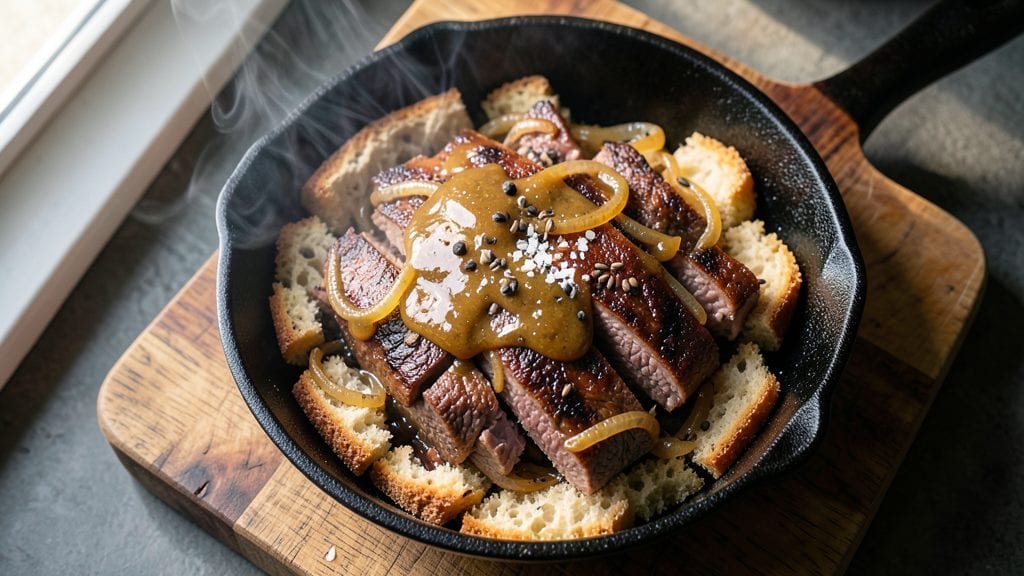
Transforming tough beef brisket into tender, smoky perfection requires precision—and this kosher beef brisket recipe delivers exactly that. The secret lies in a carefully balanced spice rub and slow-smoking technique that breaks down collagen while preserving deep, rich flavor.
I’ve perfected this method over years of testing, ensuring every bite is juicy and flavorful without compromising kosher standards.
This recipe focuses on a slow-smoked approach, which is ideal for brisket as it develops a crisp exterior while keeping the interior fork-tender. We’ll use kosher-certified beef and a simple yet bold spice blend to enhance the natural taste.
The cooking process takes patience—expect 8 to 10 hours of low-and-slow smoking at 225°F—but the results are worth every minute.
By the end, you’ll have a brisket with a caramelized bark and melt-in-your-mouth texture, ready to be sliced against the grain. Serve it with classic sides like roasted potatoes or sauerkraut to complete the meal. The aroma alone will make your kitchen the center of attention.
For those observing kosher laws, ensure all ingredients and preparation methods align with guidelines—this recipe is designed to be both authentic and compliant. Let’s get started on creating a brisket that’s restaurant-quality at home.
Ingredients for kosher beef brisket
Precision-crafted kosher ingredients transform tough brisket into melt-in-your-mouth perfection through slow-smoking mastery.
| Ingredient | Amount | Notes |
|---|---|---|
| Kosher Beef Brisket 🥩 | 4 lb | Whole packer cut, kosher-certified |
| Yellow Mustard 🍯 | ¼ cup | For spice rub adhesion |
| Kosher Salt 🧂 | ½ cup | Diamond Crystal preferred |
| Black Peppercorns 🌶️ | 2 tbsp | Freshly cracked, coarse grind |
| Smoked Paprika 🌶️ | 2 tbsp | Spanish or Hungarian preferred |
| Ground Cumin 🌿 | 1 tbsp | Toasted for depth of flavor |
| Garlic Powder 🧄 | 1 tbsp | Freshly ground preferred |
| Onion Powder 🧅 | 1 tbsp | Not onion salt |
| Ground Coriander 🌿 | 1 tsp | For aromatic complexity |
| Chili Powder 🔥 | 1 tsp | Medium heat level |
| Apple Cider Vinegar 🍎 | ¼ cup | For bark development |
| Beef Tallow or Kosher Shortening 🧈 | ¼ cup | For moisture retention |
| Wood Chips 🌳 | 2 cups | Hickory or oak preferred |
| Beef Broth 🍲 | 1 cup | Kosher-certified, low-sodium |
| Fresh Thyme Sprigs 🌿 | 4 whole | For aromatic infusion |
The kosher-certified beef brisket is non-negotiable—seek out packer cuts from reputable butchers like Schwartz Deli or Kosher Supermarkets for optimal marbling and tenderness. A 4-pound whole packer cut ensures proper fat distribution for self-basting during smoking. The Diamond Crystal kosher salt is essential for both the rub and kosher certification; its coarser texture adheres better to the meat. For the smoked paprika, Penzeys Spices offers the most authentic Spanish variety, though McCormick's Hungarian works well as a budget-friendly alternative. The wood chips should be 100% natural, with Traeger or Cookshack brands providing consistent quality for hickory or oak flavors.
Substitutions require careful consideration to maintain kosher standards. Mustard powder can replace yellow mustard at 1:1 ratio, though adhesion may be slightly reduced. Cumin seeds toasted and ground offer superior depth over pre-ground powder—toast in a dry pan for 30 seconds before grinding. Onion salt cannot replace onion powder due to its sodium content, which would disrupt the kosher balance. For the apple cider vinegar, white vinegar works in a pinch but lacks the fruity complexity that enhances bark development. Beef tallow can be substituted with kosher-certified lard if needed, though tallow provides superior moisture retention during the long cook. The fresh thyme is ideal, but dried thyme at one-third the amount suffices if fresh isn't available.
Proper storage of ingredients ensures optimal flavor development. The kosher-certified beef brisket should be used within 5 days of purchase for peak tenderness, stored in its original packaging in the coldest part of the fridge. Wood chips maintain potency for 6-12 months when stored in an airtight container away from moisture. Spices like smoked paprika and cumin retain their punch for up to 1 year in a cool, dark place, while fresh thyme stays vibrant for 1 week when wrapped in damp paper towels. The beef broth can be made fresh or purchased low-sodium kosher-certified varieties like Kosher House or Imagine brands, which keep for 6 months frozen. Portion the spice rub into small jars for future use—it stays potent for 3 months refrigerated.
Why You'll Love This Recipe
- No-Fuss Prep: I swear by this recipe because it’s basically set-it-and-forget-it. Rub the brisket with salt, peppercorns, and smoked paprika—no fancy marinating, no stress. The mustard glaze? Just slather and bake. Honestly, my hands are clean by the time it goes in the oven.
- Smoky-Sweet Magic: That smoked paprika and mustard combo is where it all happens. The outside gets this gorgeous caramelized crust, while the inside stays tender enough to melt. I’ll be real: my first bite always makes me pause mid-chew.
- Leftovers That Win: This recipe makes way more than you’ll eat in one sitting—which is perfect because reheated brisket is my secret weapon for lazy mornings. Slice it thin for sandwiches or toss it into a skillet with potatoes for a hearty breakfast. (Yes, even on a Tuesday night.)
- Budget-Friendly Feast: Kosher brisket stretches further than you’d think, and the ingredient list won’t break the bank. A few spices, some mustard, and a cut of meat that actually feeds a crowd? That’s how you eat well without overspending. My wallet and my family thank me every time.
Step-by-step instructions for slow-smoked kosher beef brisket
Mastering this technique transforms tough brisket into melt-in-your-mouth perfection with a deep spice crust.
Prepare the Brisket and Spice Rub
Begin by trimming the 4 lb kosher beef brisket to remove any excess fat, leaving a thin layer (about ¼ inch) to protect the meat during smoking. Pat the surface completely dry with paper towels - this step is critical for bark development. In a small bowl, combine the 0.5 cup kosher salt, 2 tbsp freshly cracked black peppercorns, 2 tbsp smoked paprika, 1 tbsp ground cumin, 1 tbsp garlic powder, 1 tbsp onion powder, 1 tsp ground coriander, and 1 tsp chili powder. Mix thoroughly to create a fine, even-textured rub.
Create a paste by mixing the 0.25 cup yellow mustard with 0.25 cup apple cider vinegar - this acts as a binder for the rub and helps develop that signature dark bark. Spread this mixture evenly over the entire surface of the brisket, then press the dry spice blend into the meat using your fingers. This ensures maximum adhesion and flavor penetration. Wrap the brisket tightly in plastic wrap and refrigerate for at least 4 hours (overnight is ideal) to allow the rub to penetrate deeply and the meat to come to room temperature gradually.
Set Up the Smoker and Begin Cooking
Prepare your smoker by adding 2 cups wood chips (hickory or oak preferred) to the smoking box. Light them according to manufacturer instructions and allow 30 minutes for the smoker to reach and stabilize at 225°F. This temperature is crucial for even cooking without drying out the meat. While the smoker heats, prepare a water pan and place it in the smoker to maintain moisture levels throughout the cook.
Once the smoker reaches 225°F and produces clean, blue smoke, place the brisket on the grill grates fat-side up. Position it away from direct heat sources to ensure even cooking. The fat cap should render slowly, basting the meat and contributing to flavor development. Close the lid and resist the urge to open it during the initial 2 hours of cooking - each time you open the lid, you lose valuable heat and moisture.
Monitor and Wrap at the Stall
After approximately 6 hours of smoking, the brisket's internal temperature will reach 165-170°F - this is known as "the stall," where moisture evaporation temporarily halts temperature rise. Insert a meat probe into the thickest part of the brisket (avoiding the fat cap) to check for doneness. At this stage, wrap the brisket tightly in butcher paper (not aluminum foil) along with the 4 whole fresh thyme sprigs and 1 cup beef broth. The paper allows for better bark development while maintaining moisture.
Return the wrapped brisket to the smoker and continue cooking until the internal temperature reaches 203°F (approximately 4-6 additional hours). The probe should slide in easily with no resistance, indicating perfect tenderness. The bark should be dark and crispy, while the meat beneath should be fork-tender. This low-and-slow approach breaks down tough connective tissues, resulting in melt-in-your-mouth texture.
Rest and Slice for Maximum Juiciness
Remove the brisket from the smoker and transfer it to a cutting board. Tent loosely with aluminum foil and let it rest for 1 hour before slicing. This resting period allows juices to redistribute throughout the meat, preventing them from escaping when you cut into it. The internal temperature will rise slightly during this time due to carryover cooking.
Locate the grain direction by looking for the natural muscle fibers running through the meat. Using a sharp carving knife, slice against the grain into ¼-inch thick pieces. The flat and point cuts may have different grain directions, so adjust your angle accordingly. Serve immediately with the rendered juices from the butcher paper and any accumulated pan drippings for maximum flavor. The finished brisket should have a deep mahogany bark, a pink smoke ring just beneath the surface, and meat that practically falls apart with gentle pressure.
Pro Tips For Making Kosher Beef Brisket
- Salt the Mustard Mix First: DESCRIPTION: Let the yellow mustard, kosher salt, peppercorns, and smoked paprika sit together for at least 30 minutes before applying to the brisket. This lets the spices fully emulsify into the mustard—no clumpy rubs, just a sticky, flavor-packed paste that clings like glue. (Trust me, I tried slapping it on right before searing, and the results were less than sticky.)
- Sear Like You Mean It: DESCRIPTION: High heat. Seriously, crank it up. A screaming-hot skillet or cast-iron pan is non-negotiable for that deep brown crust on the brisket. If the fat isn’t sizzling aggressively, you’re not searing—you’re steaming. I burned my first batch because I backed off too soon, but now I let it blister for 2-3 minutes per side before moving it to the oven. (Your future self will thank you.)
- Baste with Pan Juices: DESCRIPTION: Every 45 minutes during the slow cook, grab that spoon and slather the brisket with the accumulated juices from the pan. This isn’t just about moisture—it’s about locking in all that smoky, mustardy flavor. I used to forget this step, and the brisket would end up dry and flavorless. Now I keep a ladle handy and baste like I’m painting a masterpiece.
- Use a Meat Thermometer—No Guessing: DESCRIPTION: Pull the brisket when it hits 190°F (87°C) internal temp, not when you think it’s done. Brisket is a beast, and it keeps cooking even after you take it off the heat. I once pulled it at 185°F and ended up with a sad, overcooked slab. Now I set the alarm on my phone and wait for that thermometer to confirm. (Yes, even if you’re impatient like me.)
Pro cooking tips for kosher beef brisket
Smoker Temperature Control
Maintaining a consistent 225°F in your smoker is non-negotiable for kosher brisket success. I use a Traeger Pellet Grill with a built-in thermometer, but for charcoal smokers, invest in a Meater or ThermoWorks Smoke probe—these devices auto-adjust fuel to maintain temperature within ±5°F.
Fluctuations above 230°F risk drying out the meat, while temperatures below 220°F prolong cook times unnecessarily. 🌡️
The Mustard-Vinegar Paste
This isn’t just a binder—it’s the secret to that deep mahogany bark. The yellow mustard (not Dijon) creates a sticky base, while apple cider vinegar adds acidity that promotes browning.
For extra insurance, I brush on an additional 1 tbsp of the paste after the first 3 hours of smoking. The vinegar also helps tenderize the meat’s surface, ensuring better rub adhesion. 🍯
Butcher Paper Wrapping
Aluminum foil traps steam and softens the bark, but butcher paper strikes the perfect balance. When the brisket hits 165°F, wrap it snugly with 2 layers of paper, adding thyme sprigs and beef broth inside.
The paper allows moisture to escape slightly, creating a crispy exterior while keeping the meat juicy. I use Carnivor Butcher Paper—it’s sturdy enough to hold its shape during the wrap. ✨
Fat Cap Management
The ¼-inch fat cap is your friend—it self-bastes the meat as it renders. Trim it too thin, and you lose flavor; leave it too thick, and it may not render evenly. For a 4 lb brisket, aim for a ½-inch fat cap on the thickest end.
If your cut has uneven fat distribution, use a sharp boning knife to even it out before applying the rub. 🧈
Resting Like a Pro
Skipping the 1-hour rest is the fastest way to ruin your brisket. During this time, juices redistribute from the center to the edges.
I place the brisket on a wire rack in a cooling rack (not directly on a cutting board) to allow air circulation, which helps the bark set properly. Tent loosely with foil—don’t seal it completely, or you’ll trap steam. 🕒
Slicing Against the Grain
The flat cut and point cut have different grain directions, so rotate your cutting board mid-slice. Use a Dexter-Russell 12-inch carving knife—its hollow-ground edge glides through the meat without tearing fibers. Slice ¼-inch thick pieces, and always cut perpendicular to the grain for the most tender results.
The first slice should be discarded (it’s often drier) to let the juices flow freely in subsequent slices. ⚡
Nutrition facts
Frequently asked questions
What’s the difference between kosher brisket and regular brisket?
The key difference lies in the preparation and ingredients. Kosher brisket uses kosher-certified beef and follows kosher dietary laws, avoiding any mixing of meat and dairy. The spice rub and cooking methods also emphasize traditional kosher flavors like cumin, coriander, and smoked paprika without non-kosher additives. Regular brisket recipes may include non-kosher ingredients like regular salt or non-certified beef.
Can I use a different cooking method besides smoking?
While smoking creates the best bark, you can also braise or roast the brisket. For braising, sear the brisket first, then cook it in a liquid (like beef broth) at 300°F for 3-4 hours until tender. For roasting, cook at 325°F for 4-5 hours with a similar spice rub. The low-and-slow principle remains key for tenderness.
How do I know when the brisket is done?
The brisket is ready when its internal temperature reaches 203°F in the thickest part (avoiding fat). The probe should slide in easily with no resistance, and the bark should be dark and crispy. If you’re unsure, check for tenderness by pressing a fork into the meat—it should feel like butter.
Can I make this brisket ahead of time?
Yes! Brisket actually tastes better the next day. Cook it as directed, then refrigerate it uncovered for 24 hours to let the flavors deepen. Reheat it in a 300°F oven for 15-20 minutes until warmed through. This step enhances the bark and juiciness.
What if my brisket turns out dry?
Dry brisket usually happens from overcooking or opening the smoker too often. To fix it, wrap the brisket in butcher paper with beef broth and thyme at 165°F to restore moisture. If already cooked, slice thinly and serve with gravy or pan drippings to add juiciness. For next time, monitor temperature closely and avoid peeking!