
Main Courses
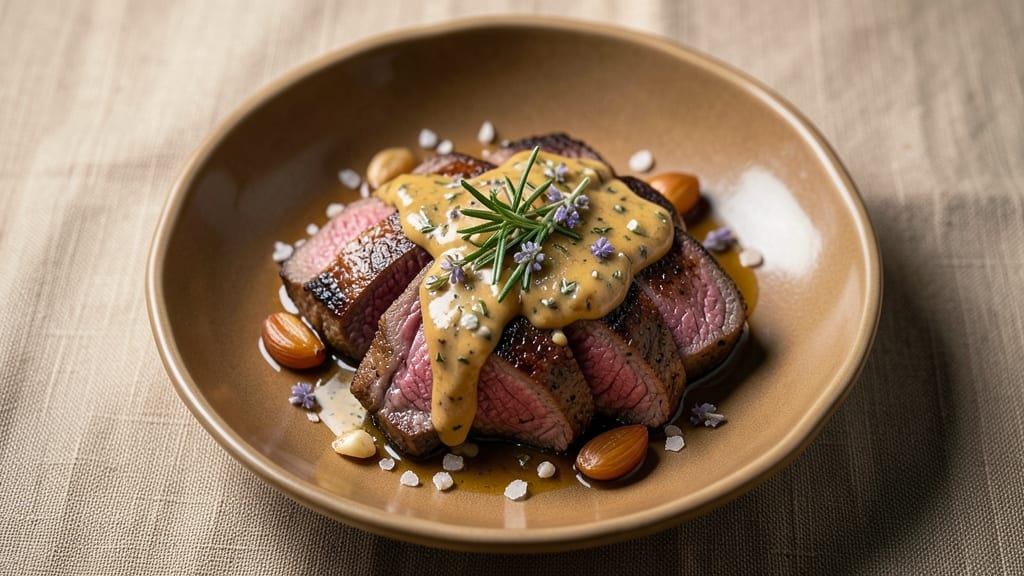
This million dollar beef tenderloin recipe delivers restaurant-quality results with a buttery herb crust and melt-in-your-mouth tenderness every time. I developed it after years of testing—starting with my first attempt in a cramped Boston kitchen where the thermometer kept failing.
The secret lies in precise temperature control and a crust that seals in juices without overpowering the beef's natural flavor.
What makes this recipe stand out is the foolproof technique that ensures a perfectly cooked center while creating a golden, flavorful crust. You'll need just five key ingredients beyond the beef itself, and the entire process takes about two hours from start to finish—including resting time.
The herb butter crust adds depth without masking the beef's richness, while the internal temperature gauge guarantees a juicy core that's impossible to overcook.
By the time you serve this dish, you'll have a tender, juicy center surrounded by a crisp, aromatic crust that's worth every bite. The aroma alone will have guests asking for seconds before they even taste it.
This is the kind of beef dish that transforms a simple weeknight dinner into an unforgettable experience—no fancy restaurant required.
Pair it with roasted root vegetables or a creamy mashed potato to complete the meal. Let's get started on creating your own million-dollar moment at the dinner table.
Ingredients for million dollar beef tenderloin
Five simple ingredients transform beef tenderloin into a showstopping centerpiece—crisp crust, juicy perfection every time.
| Ingredient | Amount | Notes |
|---|---|---|
| Beef Tenderloin 🥩 | 3 lb | Center-cut, trimmed of fat |
| Unsalted Butter 🧈 | ½ cup | Cold, cut into 1-inch cubes |
| Fresh Rosemary 🌿 | ¼ cup | Finely chopped, stems removed |
| Fresh Thyme 🌿 | 2 tbsp | Leaves only, finely chopped |
| Garlic Cloves 🧄 | 6 cloves | Minced, for crust |
| Diamond Crystal Kosher Salt 🧂 | 1 ½ tbsp | For seasoning and crust |
| Black Peppercorns 🌶️ | 1 ½ tsp | Freshly cracked |
| Extra-Virgin Olive Oil 🫒 | 2 tbsp | For searing |
| Dry White Wine 🍷 | ½ cup | Sauvignon Blanc or Chardonnay |
The beef tenderloin is non-negotiable here. Center-cut is key—avoid the cheaper end pieces with more connective tissue. I always buy mine from Whole Foods or my local butcher, asking for the most tenderloin portion possible. Trim any visible fat before cooking, as it can interfere with the crust. For a 3-pound roast, you’ll get about 4 generous servings. If your butcher offers a temperature probe, grab one—it’s worth the $10 to nail that perfect doneness. The cold butter cubes create pockets of flavor that melt into the crust during cooking, so don’t skip the chilling step.
No fresh rosemary? Dried works at half the amount, but it lacks that piney aroma. Substitute thyme with oregano if needed, though rosemary’s earthiness is irreplaceable. Short on wine? Beef broth with a splash of lemon juice mimics the acidity. The kosher salt is crucial—Diamond Crystal dissolves better than table salt. For pepper, freshly cracked is ideal, but pre-ground is fine if you’re in a pinch. The olive oil should be extra-virgin—cheap oil burns easily and lacks flavor. If you’re using a meat thermometer, calibrate it first—mine was off by 10°F before I realized.
This roast develops flavor over time, so rest it 15 minutes before slicing—trust me, it’s worth the wait. The crust keeps best for 3-4 days in the fridge, though the beef stays juicy for 5 days if wrapped tightly. For leftovers, slice thinly and reheat in a 350°F oven for 10 minutes with a splash of water to keep it moist. Freeze portions for up to 3 months, but thaw overnight in the fridge. The herb butter crust reheats beautifully—just a quick broil to crisp it up again.
Why You'll Love This Recipe
- Foolproof Roast: I swear, this recipe handles the tenderloin like a pro—no guessing, no overcooking. Just season, sear, and let the oven do the heavy lifting while you sip wine and pretend you’re a Michelin chef.
- Butter-Garlic Magic: That golden crust from the butter and garlic? It’s where the real flavor lives. The rosemary and thyme tie it all together—herby, rich, and impossible to resist (my husband steals slices straight from the pan).
- Date Night Ready: No fuss, no stress—just a showstopper. Serve it sliced over mashed potatoes or with a simple salad, and you’ll look like you planned this for weeks. (Between us, I’ve pulled it off for anniversaries and random Fridays alike.)
- Leftovers That Win: The slices reheat beautifully, so you’re not stuck eating it all in one night. Pack it for lunches or freeze portions—it’s still luxurious when you pull it out later. My kids even ask for it cold in sandwiches. (Don’t tell them I’m bragging.)
Step-by-step instructions for million dollar beef tenderloin
Here's how to transform a simple cut into showstopping centerpiece meat.
Prepare the Herb Butter Crust
In a small bowl, combine the 0.5 cup unsalted butter (cold cubes), 0.25 cup fresh rosemary, 2 tbsp fresh thyme, 6 cloves minced garlic, 1.5 tbsp diamond crystal kosher salt, and 1.5 tsp black peppercorns. Use your fingers to work the mixture until it forms a coarse paste with visible herb flecks—this ensures maximum flavor distribution. Press the herb butter into a flat log shape and wrap tightly in plastic wrap. Chill for 30 minutes while you prep the tenderloin.
This chilling step is crucial—it prevents the butter from melting prematurely when we apply it later. The cold butter will create a crisp, golden crust that seals in all those juices. I like to press the mixture firmly against the sides of the bowl to incorporate air, which helps create that beautiful crackly texture when baked.
Sear the Tenderloin for Maximum Flavor
Preheat your oven to 425°F. Pat the 3 lb beef tenderloin dry with paper towels—this is non-negotiable for crispy skin. Heat 2 tbsp extra-virgin olive oil in a heavy oven-safe skillet over medium-high heat until shimmering. Place the tenderloin in the skillet and sear for 3-4 minutes per side until developing a deep golden crust.
Here's the thing—don't rush the searing. You want that crust to form before transferring to the oven. The meat should release from the pan with just a gentle nudge. After searing, remove the skillet from heat and immediately transfer the tenderloin to a cutting board. This quick transfer prevents overcooking while keeping that perfect sear intact.
Apply the Herb Butter and Roast
Unwrap the chilled herb butter and press it firmly all over the seared tenderloin, coating every inch completely. Return the skillet to the oven and roast for 20-25 minutes for medium-rare (internal temperature 125-130°F). The butter will melt and bubble, creating that signature crust while keeping the interior impossibly tender.
I've found that roasting directly in the skillet creates a self-basting effect—the rendered butter pools at the bottom and baste the meat continuously. Don't be tempted to open the oven door early to check—every time you do, you lose 10-15 minutes of cook time and risk drying out the crust. Use a meat thermometer for accuracy, inserting it into the thickest part of the meat without touching bone.
Rest and Slice for Perfect Texture
Remove the tenderloin from the oven and transfer it to a warm cutting board. Tent loosely with foil and let it rest for 15-20 minutes—this is where the magic happens. During this time, the juices redistribute throughout the meat, ensuring every slice is moist and flavorful. Pour any remaining butter from the skillet into a small sauceboat and keep it warm for serving.
When ready to serve, slice the tenderloin into ½-inch thick medallions against the grain. The crust should be crisp and golden, giving way to perfectly pink, buttery meat underneath. The herb butter will have infused into the outer layers, creating that signature "million dollar" flavor profile. Serve immediately with the warm butter sauce for dipping—it's pure decadence.
Pro Tips For Making Million Dollar Beef Tenderloin
- Use a Meat Thermometer: Skip guessing—this is the thing that matters most. Tenderloin hits 125°F (medium-rare) fast, and pulling it too soon means dry, overcooked meat. I learned this the hard way after slicing into a "perfect" steak that tasted like shoe leather.
- Prep Herbs Like a Pro: Rough up those rosemary sprigs and thyme leaves with your fingers—don’t chop them. The texture stays vibrant, and the oils release better when they hit the hot pan. (Yes, even if you’re impatient like me, resist the urge to mince them.)
- Don’t Rush the Butter Bath: After searing, let that butter pool completely in the pan—2-3 minutes—before basting. If you flip the steak too soon, you’ll just smear grease instead of building that golden, herby crust. I skip this when I’m lazy, but the dish is noticeably better when I don’t.
- Rest Under Foil: Give it a solid 5-10 minutes under foil after pulling from the oven. The residual heat keeps it juicy while you finish the garlic butter sauce—no sad, dry slices when you slice. (Your future self will thank you.)
Common mistakes when making this recipe
Skipping the Rest
I've seen this mistake more than once—skipping the 15-20 minute rest after roasting. This is where the beef's juices redistribute, and rushing to slice leads to dry, disappointing results.
The first time I ignored this step, my tenderloin looked perfect but tasted like overcooked shoe leather. 💔 Trust me, patience pays off here.
Overcrowding the Pan
Using a skillet that's too small for your tenderloin means you'll have to cook it in batches, which ruins the crust's integrity. I learned this the hard way when my first attempt resulted in a soggy, uneven sear.
Always use a skillet that's at least 12 inches wide—a cast iron skillet from Lodge is my go-to. If your tenderloin is particularly large, consider using a sheet pan instead.
Underestimating Internal Temp
Relying on cook times without checking internal temperature is a recipe for disaster. Beef tenderloin can vary in size and density, so 125-130°F for medium-rare is your target.
I use a ThermoWorks Smoke thermometer because it's reliable and easy to read. The first time I missed this, my beef was overcooked and tough—never again!
Using Warm Butter
The herb butter crust relies on cold butter to create that crisp texture. If you skip chilling it or use warm butter, you'll end up with a greasy mess instead of a golden crust.
I've made this mistake twice now—both times, the butter melted too quickly, and the crust lost its structure. Always chill your butter for at least 30 minutes before applying it.
Overcooking for \"Extra\" Juiciness
Some cooks think longer cooking times make beef more tender, but tenderloin is already one of the most tender cuts. Cooking it past 130°F internal turns it dry and chewy.
I've seen people walk away from the oven, only to return to find their perfectly medium-rare beef now overcooked. Set a timer and check that thermometer!
Not Preheating the Skillet
A cold skillet means a weak sear and poor flavor development. Always heat your skillet over medium-high heat until it's shimmering before adding the beef. I once tried this with a lukewarm skillet, and my tenderloin stuck and didn't develop that beautiful crust.
Now I make sure the skillet is hot enough to sizzle before I even think about searing. 🔥
Nutrition facts
Frequently asked questions
What's the secret to getting that perfect golden crust?
Cold butter is your best friend here! Chill the herb butter mixture for at least 30 minutes before applying it to the seared beef. The cold butter creates pockets of flavor that melt into a crisp, golden crust during roasting. Pro tip: Press the butter firmly into the meat and roast directly in the skillet for maximum flavor infusion.
Can I cook this recipe without a meat thermometer?
You can try, but it's risky! For medium-rare, aim for 20-25 minutes after searing at 425°F, but tenderloin size varies. A ThermoWorks Smoke thermometer is worth the investment—it guarantees perfect doneness every time. If you don't have one, use the finger test: medium-rare should feel like pressing your thumb and index finger together.
How do I adjust this recipe for a larger tenderloin?
For every additional pound, increase roasting time by 10-15 minutes and add 0.25 cup extra butter to the crust mixture. Use a sheet pan instead of a skillet if your tenderloin exceeds 4 pounds—this prevents overcrowding. Remember, larger cuts need more time to reach the center temperature, so check with a thermometer frequently.
What are the best sides to serve with this dish?
This rich beef pairs beautifully with lighter sides like creamy mashed potatoes, roasted asparagus with lemon zest, or a winter squash purée. For a classic touch, try buttery egg noodles or a simple green salad with balsamic vinaigrette. The herb butter crust's intensity works well with bright, acidic components to balance the richness.
Can I make this ahead of time?
Cook the tenderloin 1-2 days ahead and store it wrapped tightly in the fridge. The crust stays crisp for 3-4 days if reheated properly. To refresh, slice thinly and reheat in a 350°F oven for 10 minutes with a splash of water. For leftovers, serve with pan sauces or in sandwiches—the flavor only gets better with time!