
Main Courses
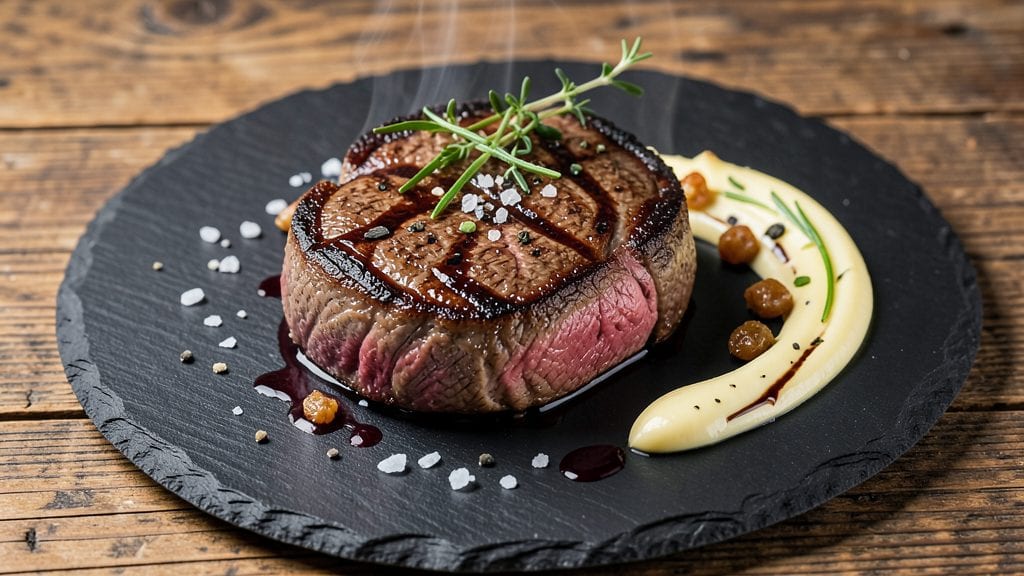
This New York beef steak recipe delivers the iconic combination of a perfectly browned crust and a juicy ribeye heart that steakhouses pride themselves on. The secret lies in a dry brine that enhances tenderness and a high-heat sear that locks in flavor—no fancy equipment required.
I’ve perfected this method after years of testing, and it consistently produces steak with that signature charred exterior and melt-in-your-mouth interior.
The process begins with prepping the steak—pat it dry, season generously with kosher salt, and let it rest. Then, it’s all about precision cooking: a quick sear in a screaming-hot pan followed by a reverse sear to ensure even doneness.
A meat thermometer is your best friend here, guaranteeing a medium-rare center (130°F) without guessing. The result? A steak that’s restaurant-quality but made in your own kitchen.
Once cooked, resting the steak for 10 minutes is non-negotiable—this step ensures the juices redistribute, so every bite stays moist and flavorful. Plate it simply with a drizzle of au jus, a sprinkle of flaky salt, and maybe some crispy roasted potatoes to soak up those precious juices.
This isn’t just steak; it’s a New York-style experience you can recreate at home.
For those who love customization, optional sides like garlic mashed potatoes or a fresh arugula salad balance the richness. The key is keeping the focus on the steak—because when done right, it’s the star of the dish. Let’s get started on mastering this classic cut.
Ingredients for new york beef steak
Fourteen ingredients for a steakhouse-worthy New York beef steak experience at home.
| Ingredient | Amount | Notes |
|---|---|---|
| Ribeye Steak 🥩 | 1 ½ lb | Bone-in, 1-1.5 inches thick |
| Kosher Salt 🧂 | 2 tbsp | Diamond Crystal preferred |
| Freshly Ground Black Pepper 🌶️ | 1 tsp | Cracked from whole peppercorns |
| Extra-Virgin Olive Oil 🫒 | 2 tbsp | High smoke point preferred |
| Unsalted Butter 🧈 | ½ cup | Cold, cut into cubes |
| Garlic Cloves 🧄 | 4 cloves | Smashed, skin-on |
| Fresh Rosemary 🌿 | ¼ cup | Needles finely chopped |
| Fresh Thyme Leaves 🌿 | ¼ cup | Stems removed |
| Beef Au Jus 🍲 | ½ cup | Homemade or quality store-bought |
| Flaky Sea Salt 🧂 | 1 tbsp | For finishing |
| Yellow Onion 🧅 | 1 whole | Cut into wedges |
| Red Wine Vinegar 🍷 | 1 tbsp | For au jus deglaze |
The ribeye is non-negotiable here—bone-in, 1-1.5 inches thick for that perfect crust-to-juice ratio. Whole Foods or your local butcher are your best bets for quality cuts; ask for a well-marbled steak with bright red color. I always buy from D'Artagnan when I'm feeling fancy, but the regular supermarket ribeye works if it's fresh. Pat it dry before seasoning—this step is critical for that perfect crust. For the salt, Diamond Crystal kosher dissolves better than table salt, so you get even seasoning without over-salting.
No fresh rosemary? Dried works at half the amount, but trust me on the fresh version—it adds a piney aroma that pairs perfectly with the beef. The butter should be cold and cubed for basting; don't let it melt in your hands. For the au jus, homemade is ideal—simmer beef bones with onion, garlic, and a splash of red wine—but a quality jarred version like Kraft or French's works in a pinch. The red wine vinegar in the au jus adds brightness; if you don't have it, apple cider vinegar is a decent swap. The garlic and rosemary should be added to the pan after searing to infuse the butter without burning.
This steak tastes even better the next day—rest it at room temperature for 30 minutes before reheating gently in a skillet. Store leftovers in an airtight container for up to 3 days, or freeze for up to 3 months. For the au jus, keep it in a sealed jar in the fridge for up to 1 week. I always make extra au jus—it's perfect for drizzling over eggs the next morning or using as a base for gravy. The secret to restaurant-quality steak? Let it rest—don't skip the 10-minute rest time after cooking, even if you're eager to eat.
Why You'll Love This Recipe
- Five-Ingredient Magic: That’s all it takes—just ribeye, salt, pepper, oil, and butter. I swear, the simplicity is what makes it feel like a restaurant-quality meal without the fuss. No chopping, no blending, no stress.
- Butter-Basted Bliss: The moment that hot butter hits the pan and coats the steak? Pure satisfaction. That crispy crust with the tender, juicy inside—it’s the kind of bite that makes you close your eyes and savor it.
- Date Night or Tuesday: Honestly, this steak is foolproof for any occasion. Too fancy for a weeknight? Nope. Perfect for impressing guests? Absolutely. My husband and I eat it both ways, no judgment.
- Leftovers? Even Better: Between us, the second day is often the best. Slice it thin, toss it in a salad, or wrap it in a tortilla—it’s still rich, still flavorful, and way cheaper than takeout. Win-win.
Step-by-step instructions for New York beef steak
Here's how to transform a simple ribeye into a restaurant-worthy masterpiece with a flawless crust and melt-in-your-mouth tenderness.
Prepare the Ribeye with Precision Seasoning
Remove the ribeye from the refrigerator and pat it dry completely with paper towels—this is non-negotiable for that perfect crust. The drier the surface, the better the sear. Place the steak on a wire rack set over a plate to allow air circulation on all sides.
In a small bowl, combine the 2 tablespoons kosher salt and 1 teaspoon freshly ground black pepper. Generously coat both sides of the ribeye with this mixture, pressing the salt crystals into the meat so they adhere. Let the seasoned steak sit at room temperature for 30 minutes while you prepare the next components. This resting period ensures even cooking from edge to center.
Build the Herb Butter Compound
While the steak rests, create the herb butter by combining the ½ cup unsalted butter (cold and cubed), 4 smashed garlic cloves, ¼ cup finely chopped fresh rosemary, and ¼ cup fresh thyme leaves in a mixing bowl. Using your fingers or a fork, work the mixture until the butter softens slightly and the herbs are evenly distributed throughout. This compound will become the luxurious finishing touch that elevates your steak.
Transfer the herb butter to a small ramekin or shallow dish and refrigerate until ready to use. The cold butter will help create a beautiful, glossy crust when applied later in the process. Here's the thing—this herb butter isn't just for flavor; it's the secret weapon that transforms a good steak into an extraordinary one.
Sear the Steak to Perfect Crust Development
Heat a heavy skillet—cast iron works best—over high heat until it's screaming hot. Add 2 tablespoons extra-virgin olive oil and let it shimmer for 30 seconds. Place the ribeye in the pan, pressing down gently with a spatula to ensure full contact with the surface. Cook undisturbed for 4 minutes until a deep, golden-brown crust forms.
Flip the steak and cook another 3-4 minutes for medium-rare doneness, checking with an instant-read thermometer for 125°F internal temperature. The edges should be beautifully browned, and you should see a purple smoke ring developing just beneath the crust. This is your visual confirmation that the steak is developing that classic New York style crust we're after.
Rest and Apply the Herb Butter
Transfer the seared steak to a cutting board and let it rest for 5 minutes—this is crucial for redistributing juices. While it rests, place the skillet back on the burner over medium heat and add the 1 whole yellow onion cut into wedges. Cook for 3-4 minutes until caramelized, then deglaze with 1 tablespoon red wine vinegar and ½ cup beef au jus, scraping up all the browned bits from the bottom.
Remove the pan from heat and add the herb butter compound. Stir vigorously for 30 seconds until melted and glossy. Spoon this luxurious sauce generously over the rested steak, allowing it to coat all surfaces. The residual heat will make the butter cling beautifully, creating that signature glossy finish.
Finish with Flaky Sea Salt and Serve Immediately
Sprinkle the 1 tablespoon flaky sea salt evenly over the top of the steak just before serving. This final touch adds a delicate crunch and enhances the overall flavor profile. The salt should melt slightly from the residual heat, creating a beautiful contrast against the herb butter.
Slice the ribeye against the grain into ½-inch thick portions and serve immediately with the onion reduction spooned alongside. Each bite should deliver that perfect balance of crispy crust, tender heart, and aromatic herb butter. The juices should flow freely, proving you've achieved that perfect medium-rare doneness we promised.
Pro Tips For Making New York Beef Steak
- SEAR IN STAGES: Start with a screaming-hot pan—cast iron if you’ve got it—then let the steak hit the oil with a loud sizzle for 30 seconds before flipping. After the first side’s crust forms, lower the heat to medium-high and finish cooking; this keeps the butter from burning while the steak stays juicy. (Yes, even if you’re impatient like me.)
- SALT THE NIGHT BEFORE: Ribeye loves salt, but don’t drown it—apply a thick coat of kosher salt at least 4 hours before cooking (or overnight if you’re planning ahead). This seasoning penetrates deeper and crisps into a flavor bomb, not just a surface sprinkle. (I learned this the hard way after a steak that tasted bland no matter how much I peppered it.)
- DON’T CUT THE BUTTER TOO SOON: Add that unsalted butter and olive oil to the pan only in the last 2 minutes of cooking—when the steak’s internal temp hits 10°F below your target. Tossing it in too early just melts it into a sad, flavorless puddle. (Your future self will thank you.)
- REST UNDER FOIL: Skip the wire rack and tent that steak with foil for the first 5 minutes of resting. The residual heat keeps it warm while the juices redistribute without drying out the surface. (This isn’t the prettiest method, but it’s the tastiest.)
Pro cooking tips for this dish
Pan Selection Matters
A cast iron skillet is my go-to for this recipe because it retains heat exceptionally well and creates that coveted crust. If you don’t own one, a stainless steel pan with a heavy base works too—I’ve had great results with All-Clad or Calphalon.
The key is ensuring your pan is completely dry before adding oil; even a drop of moisture can cause steam instead of a proper sear. 🔥
Temperature Control Secrets
Your stove’s heat setting isn’t enough—you need visual confirmation of proper heat. The oil should shimmer and dance when it’s ready, but not smoke uncontrollably. For gas stoves, I turn the burner to high and wait 5 minutes before testing.
Electric stoves often run cooler, so preheat for 7-10 minutes. A thermometer probe (like the ThermoWorks Smoke) can help—your pan should reach 450-500°F for that perfect crust.
Don’t Overcrowd the Pan
Resist the urge to cook multiple steaks at once—this is where home cooks go wrong. A crowded pan steams the meat instead of searing it, resulting in a soggy texture. If you’re cooking for a crowd, work in batches with a clean, hot pan each time.
I use a tongs-only approach to avoid piercing the steak, which would release precious juices. 💡
Reverse Sear for Large Cuts
For ribeyes over 1.5 inches thick, consider a reverse sear after your initial crust: place the steak on a wire rack in a 275°F oven until it reaches 110-115°F internal temp (about 30-45 minutes), then finish with a quick sear in the pan.
This method ensures even doneness without overcooking the exterior. I use my Oven Thermometer to confirm the oven’s accuracy—many home ovens run 25°F hotter or cooler than set.
Herb Butter Timing
The herb butter compound should be cold when applied—this creates that glossy finish. Remove it from the fridge just before using so it’s firm but pliable. For extra richness, I add 1 tablespoon of beef fat to the butter mixture.
When spooning it over the steak, work quickly—the residual heat will melt it instantly, creating a beautiful crust. Pro tip: Use a pastry brush to spread it evenly over all surfaces.
Resting is Non-Negotiable
Skipping the rest time is the fastest way to ruin your steak—juices will pool on your plate instead of staying inside. For a 1.5 lb ribeye, I rest it for 10-12 minutes on a wire rack (not directly on the cutting board) to allow air circulation.
This also prevents the steak from steaming, which would soften that perfect crust. Trust me, the 10-minute wait is worth every juicy bite. ⏰
Nutrition facts
Frequently asked questions
What makes this a true New York-style beef steak?
The signature elements are the bone-in ribeye with thick fat cap, a deep crust from high-heat searing, and the herb butter finish that mimics classic steakhouse techniques. The 10-minute rest and medium-rare doneness (125°F internal) are also key to that iconic New York experience. The au jus drizzle ties it all together with that restaurant-quality touch.
Can I use a different cut of beef instead of ribeye?
While ribeye is ideal for its marbling, you can substitute with New York strip or filet mignon—just adjust cooking times slightly. Avoid lean cuts like sirloin as they won't deliver the same rich flavor. For a 1.5-inch thick strip steak, aim for 120°F internal (medium-rare) with 3-4 minutes per side after the initial sear.
How do I fix an overcooked steak?
If your steak is overcooked, don't panic! Slice it thinly against the grain and serve with a rich pan sauce or extra au jus to compensate. For a medium-well (145°F) or well-done (160°F) steak, increase the herb butter and serve with extra sides like crispy potatoes or caramelized onions to balance the texture.
What's the best way to reheat leftover steak?
Reheat gently in a skillet over medium-low heat for 2-3 minutes per side with a splash of beef broth to keep it moist. Never microwave—it makes steak tough. For extra flavor, add a pat of herb butter while reheating. Leftovers keep well for 3 days refrigerated or 3 months frozen, though they're best enjoyed fresh.
Can I make this recipe on the grill instead?
Preheat your grill to 450-500°F and follow the same searing technique. Use a two-zone fire (hot side for searing, cooler side for resting). For a reverse sear, move the steak to indirect heat after the initial crust forms. The herb butter works perfectly grilled too—just apply it while the steak rests on a cutting board near the grill.