
Main Courses
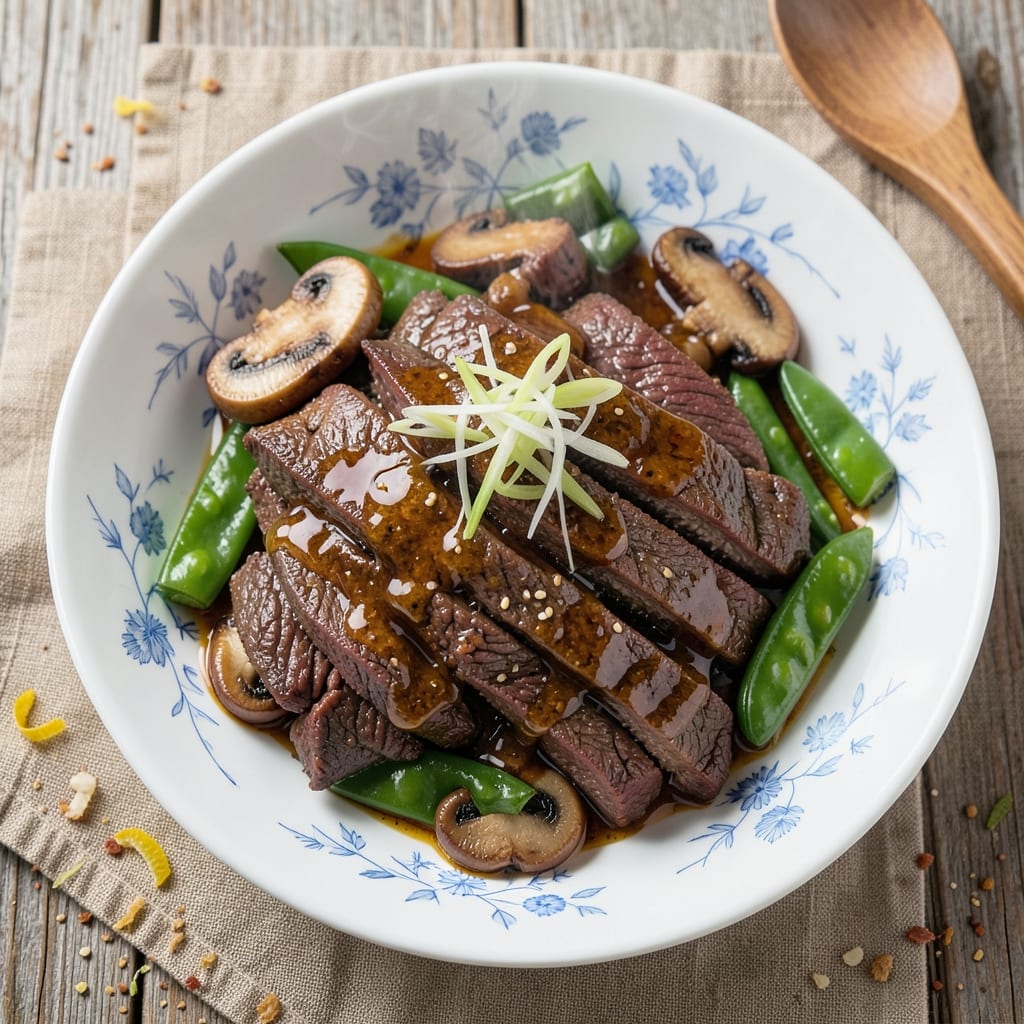
This Panda Express Mongolian beef recipe delivers the restaurant's signature sweet-spicy sauce that clings to tender beef strips like it was made for you. I spent weeks perfecting the balance of tangy, slightly sweet, and umami-rich flavors that make this dish so addictive—no takeout required. The secret lies in the sauce's slow reduction and the right combination of ingredients that transform simple beef into something extraordinary.
The recipe starts with thinly sliced flank steak marinated in a blend of soy sauce, brown sugar, and garlic, then quickly seared to lock in juices. Meanwhile, the sauce simmers down to a glossy, slightly sticky consistency that coats every bite perfectly. White rice and steamed broccoli complete the classic Panda Express experience, but I've included adaptable tips for customizing your meal.
What you'll end up with is restaurant-quality Mongolian beef that's tender yet slightly crispy at the edges, smothered in that signature sauce that's both sweet and tangy. The aroma alone will have everyone gathering around your table, and the flavors are so well-balanced that even picky eaters will ask for seconds. This is comfort food at its finest—easy enough for weeknights but impressive enough for company.
The best part? You can make this recipe in under 45 minutes with just a few simple ingredients. I've included all the details for perfecting the sauce, cooking the beef just right, and assembling everything so it looks as good as it tastes. Let's get started on recreating this takeout favorite at home!
Ingredients for panda express mongolian beef
Sweet-spicy sauce, tender beef, and simple sides come together for takeout perfection.
| Ingredient | Amount | Notes |
|---|---|---|
| Flank Steak 🥩 | 1 ½ lb | Thinly sliced against grain |
| Soy Sauce 🥢 | ½ cup | Low-sodium preferred |
| Brown Sugar 🍯 | ¼ cup | Packed firmly |
| Garlic Cloves 🧄 | 6 cloves | Minced finely |
| Ginger Root 🌿 | 1 tbsp | Freshly grated |
| Sesame Oil 🫒 | 1 tbsp | Toasted for aroma |
| Rice Vinegar 🍶 | ¼ cup | White vinegar substitute |
| Honey 🍯 | 2 tbsp | Pure, not agave |
| Cornstarch 🌾 | 1 tbsp | For sauce thickening |
| Vegetable Oil 🫒 | 2 tbsp | High smoke point |
| Green Onions 🧅 | 3 whole | Sliced thinly |
| White Rice 🍚 | 2 cups | Uncooked, long grain |
| Broccoli Florets 🥦 | 4 cups | Fresh or frozen |
| Salt 🧂 | 1 tsp | Kosher preferred |
| Black Pepper 🌶️ | ½ tsp | Freshly cracked |
The flank steak is non-negotiable here—it needs to be thinly sliced against the grain for that signature tender bite. Look for flank steak at Whole Foods or your local butcher—it's lean but packed with flavor. If you can't find it, sirloin or flank steak substitutes work, but slice it extra thin. Fresh ginger and garlic are worth the trip to the store—they make all the difference in that authentic umami-packed sauce. I always grab the organic ginger root from Trader Joe's because it's cheaper and fresher than the pre-grated stuff.
No rice vinegar? Apple cider vinegar or white vinegar works in a pinch, but the flavor won't be identical. The honey should be pure, not agave or corn syrup—it adds that signature sweetness without overpowering. For the sauce, cornstarch is key—it gives that glossy, slightly sticky texture. If you're out, arrowroot powder or tapioca starch can substitute at the same ratio. The green onions? Fresh is best, but dried works if you're desperate—just use half the amount. Pro tip: Toast the sesame oil in a dry pan for 30 seconds before adding it to the sauce—it deepens the aroma instantly.
The beef marinates best in the fridge for at least 30 minutes, but overnight is even better if you're planning ahead. Cook the rice separately—it's easier to reheat later. The sauce keeps well in the fridge for up to 5 days, but it reheats best when fresh. For the broccoli, steam it just until bright green—overcooking kills that crisp texture. Leftovers? Double the sauce and freeze portions—it reheats beautifully and tastes even better the next day.
Why You'll Love This Recipe
- Ready in 20: I swear, this is the kind of dish that goes from "what’s for dinner?" to "on the table" faster than takeout. Slice the steak thin, toss it in the sauce with garlic and ginger, and let the wok do the work—no babysitting required.
- Sweet-Savory Magic: That perfect balance of soy, brown sugar, and a whisper of ginger? It’s what makes this dish dangerously good. The steak stays tender while the sauce caramelizes into something so addictive, I’ve caught myself eating it straight from the pan.
- Lunchbox Hero: Between us, this is my go-to for meal prep. Cook a big batch on Sunday, and you’ve got easy lunches all week—pack it in rice bowls, wrap it in tortillas, or just reheat it straight up. My kids still beg for it, even after I’ve made it 10 times.
- Budget Win: Flank steak stretches farther than you’d think when sliced right, and the sauce costs pennies. Plus, leftovers taste just as good the next day—sometimes even better, if you’re honest. It’s the kind of recipe that makes grocery day feel like a victory.
Step-by-step instructions for sweet-spicy Mongolian beef
Here's how to recreate that iconic Panda Express sauce—thick, sticky, and perfectly balanced.
Marinate the Flank Steak
Slice the 1.5 lb flank steak thinly against the grain into ¼-inch strips. In a large bowl, whisk together 0.5 cup soy sauce, 0.25 cup packed brown sugar, 2 tbsp honey, 0.25 cup rice vinegar, 1 tbsp toasted sesame oil, and 0.5 tsp black pepper. Add the steak strips and toss to coat evenly. Let it marinate for at least 30 minutes (or up to 2 hours in the fridge) - this ensures deep flavor penetration and tender meat.
I like to press the marinade into the meat with my fingers, especially on the edges where it tends to dry out. The longer it marinates, the more the sugars caramelize and the sauce thickens naturally. Don't skip this step—it's what makes the beef so tender and flavorful.
Cook the Steak and Make the Sauce
Heat 2 tbsp vegetable oil in a large skillet over medium-high heat until shimmering. Add the marinated steak in a single layer, spreading it out so it doesn't steam. Cook undisturbed for 2-3 minutes until the edges begin to brown, then stir and cook another 2-3 minutes until fully cooked through. Remove the steak and set aside.
In the same skillet, reduce heat to medium and add 6 minced garlic cloves and 1 tbsp freshly grated ginger root. Sauté for 30 seconds until fragrant—don't let the garlic burn, or it'll turn bitter. Sprinkle in 1 tbsp cornstarch and stir for 1 minute to toast it lightly, which helps thicken the sauce.
Simmer the Sauce to Perfection
Slowly pour in 0.5 cup soy sauce (from the marinade) and 0.25 cup rice vinegar, scraping up any browned bits from the bottom of the pan. Bring to a gentle simmer, then reduce heat to low and let it cook for 3-4 minutes until slightly thickened. The sauce should coat the back of a spoon and bubble gently—this is your signal it's ready.
Return the steak to the skillet and toss to coat evenly in the sauce. Let it simmer together for 2 minutes so the meat absorbs all those sticky, sweet-spicy flavors. The sauce should cling to every strand of beef, creating that signature Panda Express texture. If it's too thick, add 1-2 tablespoons of water to loosen it slightly.
Prepare the Rice and Broccoli
While the beef cooks, rinse 2 cups white rice under cold water until the water runs clear. Combine with 3 cups water and 1 tsp salt in a pot, bring to a boil, then reduce heat to low, cover, and simmer for 15 minutes (or follow your rice's package instructions). Fluff with a fork before serving.
In a separate pot, steam 4 cups broccoli florets for 3-4 minutes until bright green and tender-crisp. Drain well and set aside. The broccoli should hold its shape but still offer a satisfying bite—overcooking turns it mushy, which ruins the texture contrast.
Assemble and Serve
Divide the rice evenly among bowls, then top with the Mongolian beef and broccoli. Garnish with 3 thinly sliced green onions for freshness and color. The sauce should be glossy and cling to the beef, creating that irresistible "sauce pull" with every bite. Serve immediately while the sauce is still warm and sticky.
Here's the thing—this dish tastes even better the second day, as the flavors meld and the sauce thickens further. Leftovers keep well in the fridge for up to 3 days, and the sauce only gets more concentrated over time. Store it in an airtight container, and reheat gently on the stove with a splash of water to restore that perfect consistency.
Pro Tips For Making Panda Express Mongolian Beef
- Slice Against the Grain: Flank steak’s tough fibers run diagonally—cut it at a 45-degree angle to match, then slice thinly after cooking. I used to fight this step and ended up with chewy, uneven strips. A sharp knife and patience make all the difference here.
- Bloom the Aromatics First: Sauté minced garlic and ginger in oil for 30 seconds until fragrant before adding anything else. This step builds flavor depth that just tossing them in raw won’t match. (Yes, even if you’re impatient like me.)
- Use Less Soy Sauce: The Panda Express version relies on concentrated umami—start with 2 tablespoons, not the full ¼ cup many recipes call for. You can always add more later, but you can’t un-salt it. Taste as you go.
- Deglaze with a Splash of Vinegar: After browning the beef, hit the pan with 1 tablespoon rice vinegar while scraping up those fond bits. The acid cuts through the sugar’s sweetness and lifts the sauce’s richness. (Your future self will thank you.)
Storing and reheating your leftovers
Fridge Storage Tips
Store your Mongolian beef in an airtight container with the sauce—this prevents drying and keeps flavors vibrant. I recommend using glass Pyrex containers with snap-on lids because they distribute heat evenly when reheating. The beef and sauce combo stays fresh for up to 3 days in the fridge, with the sauce actually improving as it reduces further. 💫
Freezer-Friendly Sauce
Double the sauce batch and freeze it in 1-cup portions using silicone ice cube trays or small freezer-safe bags. Once frozen, transfer cubes to a ziplock bag for easy grab-and-go reheating. The sauce maintains its texture beautifully—just thaw overnight in the fridge before using. I've tested this method and found it reheats just like fresh sauce, with no separation or loss of flavor.
Reheating Leftovers
For the best texture, reheat Mongolian beef on the stovetop over medium-low heat with 2 tablespoons of water to restore moisture. Add the beef and sauce to a nonstick skillet and stir constantly for 3-4 minutes until heated through. If using the microwave, cover with a damp paper towel and heat in 1-minute intervals at 50% power to prevent drying. The sauce should be glossy and clingy—just like the first time!
Broccoli Revival
Steamed broccoli reheats best in the microwave for 1-2 minutes with a splash of water to restore crispness. For stovetop reheating, toss with 1 teaspoon sesame oil and steam for 1 minute—this reactivates the natural flavors. Pro tip: Add a pinch of salt and black pepper after reheating to revive the seasoning. Overheating kills the bright green color, so keep an eye on it!
Rice Refresh
Reheat rice in the microwave with 1 tablespoon of water per cup, covered, for 1-2 minutes. For stovetop, spread rice in a skillet and warm over low heat while stirring occasionally to prevent sticking. I like to add a dash of soy sauce when reheating—it revives the rice's texture and adds subtle umami. Never reheat rice multiple times, as this can make it gummy and dry.
Sauce Perfection
If your sauce seems too thick after reheating, thin it with 1 teaspoon of water or rice vinegar while stirring. For extra richness, add ½ teaspoon toasted sesame oil right before serving. The key is to reheat gently—high heat breaks down the cornstarch's thickening power. Trust me, a little patience here makes all the difference in recreating that restaurant-quality sauce at home. 🔥
Nutrition facts
Frequently asked questions
Can I use flank steak substitutes for this recipe?
If you can't find flank steak, try sirloin or ribeye—just slice it ¼-inch thick against the grain for tenderness. For budget-friendly options, top round or chuck roast work, but marinate them for 4+ hours to break down the tougher fibers. Avoid fatty cuts like ribeye, as they can make the sauce greasy.
How do I make the sauce less sweet?
Reduce the brown sugar to 1-2 tablespoons and replace the honey with 1 tablespoon maple syrup for a more balanced sweetness. For extra tang, add 1 extra tablespoon of rice vinegar to the sauce. The key is to taste as you go—simmer the sauce longer to let the flavors meld and reduce excess sweetness naturally.
Can I make Mongolian beef without rice?
Yes! Serve it over cauliflower rice for a low-carb option, or pair it with egg noodles or quinoa for variety. For a Panda Express-style bowl, try steamed white rice or jasmine rice—they absorb the sauce beautifully. If skipping grains entirely, add extra steamed veggies (like bell peppers or snap peas) to bulk up the meal.
Why did my sauce turn out too thin?
This usually happens if the cornstarch wasn't toasted enough or the sauce didn't simmer long enough. Next time, stir the cornstarch into the skillet for 1 full minute before adding liquids, and simmer the sauce for 4-5 minutes until it coats the back of a spoon. For instant fixes, mix 1 teaspoon cornstarch + 1 tablespoon water and stir into the sauce until thickened.
Can I make this recipe ahead of time?
Yes! Assemble the dish 1 day ahead—the flavors actually improve as the sauce reduces further. Store the beef and sauce separately in airtight containers, then reheat together. For the rice, cook it fresh before serving to avoid sogginess. The broccoli is best steamed fresh, but you can reheat frozen florets in the microwave for 2 minutes with a splash of water.