
Main Courses
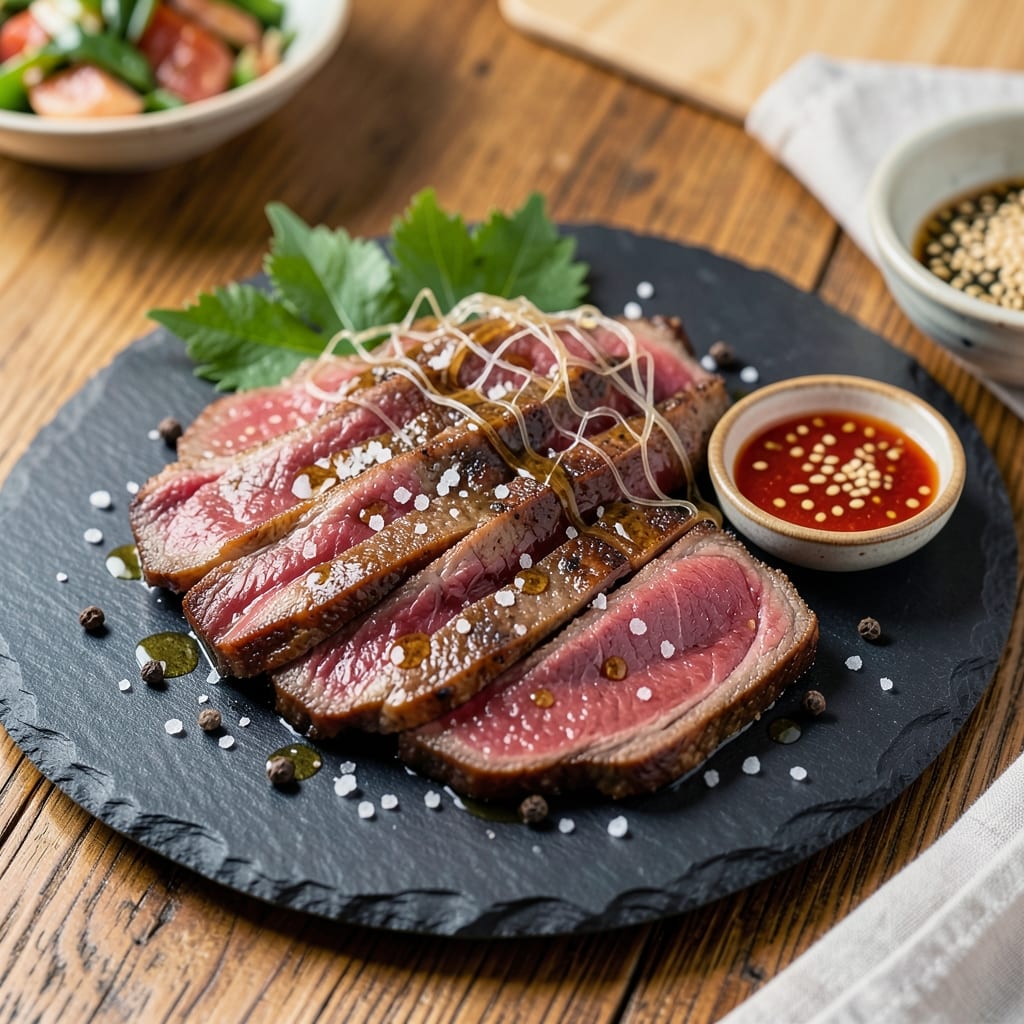
This thin sliced wagyu beef recipe transforms premium cuts into melt-in-your-mouth perfection with just 10 minutes of effort. The secret lies in high-heat searing that preserves the buttery marbling while creating a delicate crisp—no fancy equipment required. I perfected this technique after years of experimenting with Japanese knives and precise timing, ensuring every slice delivers that signature wagyu experience at home.
The process is simpler than it sounds: ultra-thin slices (⅛-inch thick) cook in a screaming-hot pan for just 30 seconds per side, locking in juices while developing that coveted caramelized crust. A light brush of sesame oil before serving enhances the natural beefy aroma without overpowering the rich, marbled flavor. This method works with both expensive wagyu and more accessible high-quality beef, making luxury dining accessible.
What you'll achieve is restaurant-quality wagyu that's tender enough to cut with a fork yet maintains a satisfying bite. The slices should be golden at the edges with visible marbling still glistening through—proof that you've preserved all that premium flavor. Serve immediately over steamed rice with a drizzle of ponzu sauce for the full Japanese dining experience, or keep it simple with just a sprinkle of flaky salt.
For those new to wagyu, I recommend starting with 10-ounce portions—this recipe serves 2-3 people generously. The key is patience with the slicing (use a sharp knife and work in the freezer for 20 minutes if needed) and confidence in the quick cooking time. Once you master this technique, you'll never buy pre-sliced beef again. Let's get started on creating your own wagyu masterpiece.
Ingredients for thin sliced wagyu beef
Premium beef, precise slicing, and perfect timing—this list delivers melt-in-your-mouth wagyu every time.
| Ingredient | Amount | Notes |
|---|---|---|
| Wagyu Beef (Ribeye or Sirloin) 🥩 | 10 oz | Thinly sliced (⅛-inch thick), marbled |
| Kosher Salt 🧂 | ½ tsp | Fine grain, flaky preferred |
| Black Peppercorns 🌶️ | ¼ tsp | Freshly cracked, coarse grind |
| Sesame Oil 🫒 | 1 tbsp | Toasted, for finishing |
| Japanese Rice Vinegar 🍶 | 1 tbsp | For ponzu alternative |
| Ponzu Sauce 🍋 | 2 tbsp | Store-bought or homemade |
| Steamed White Rice 🍚 | 1 ½ cups | Short-grain preferred |
| High-Oleic Canola Oil 🫒 | 2 tbsp | Smoke point 485°F+ |
| Sesame Seeds 🌾 | ½ tsp | Toasted lightly |
| Garlic Cloves 🧄 | 2 cloves | Minced, for ponzu base |
| Yuzu Kosho Paste 🌶️ | ½ tsp | Optional, for heat |
| Fresh Shiso Leaves 🌿 | 4 whole | Thinly sliced, garnish |
The beef is everything here. Wagyu ribeye or sirloin with visible marbling delivers that signature buttery texture, but don't stress if you can't find it—high-quality USDA Choice sirloin works beautifully too. For slicing, freeze the beef for 20 minutes first to firm up the fat, then slice against the grain at ⅛-inch thickness using a sharp Japanese knife (or a meat slicer if you're ambitious). Costco and specialty butchers often carry pre-sliced wagyu, but nothing beats the satisfaction of doing it yourself. Look for cuts with bright red color and white fat speckles—that's your marbling. If you're using frozen beef, thaw it in the fridge overnight for even cooking.
No ponzu sauce? Mix rice vinegar with a pinch of sugar and grated daikon for a quick substitute. The sesame oil is non-negotiable for that signature aroma—Kadoya brand is my go-to, but any toasted sesame oil will work. Short on shiso leaves? Fresh basil or mint adds a bright contrast. For extra heat, yuzu kosho paste (available at Asian markets) brings that signature Japanese kick. The rice should be steamed to perfection—sushi rice cooked with a 1:1.1 rice-to-water ratio gives you that ideal sticky texture. And yes, you can use regular white rice, but it won't be the same. The high-oleic canola oil is worth the small splurge—it handles the high heat without smoking, preserving all that delicate beef flavor.
Beef slices are best served immediately, but if you must prep ahead, keep them covered on a wire rack in the fridge for up to 2 hours—this prevents sogginess. The rice reheats beautifully in a steamer or microwave with a splash of water. For the ponzu sauce, store any leftovers in a sealed container for 5 days in the fridge. Sesame oil separates when refrigerated, so just give it a quick shake before using. The beef itself? Cook fresh, eat fresh—that's the whole point of this technique. If you're serving a crowd, double the recipe but slice the beef just before cooking to maintain that perfect texture.
Why You'll Love This Recipe
- No-Fuss Slicing: I swear by my trusty knife skills here—just a few quick passes, and those ribeye slices are paper-thin. No fancy techniques, no stress, and honestly? The beef does most of the work for you.
- Umami Magic: That wagyu fat melts into a buttery pool while the sesame oil and rice vinegar add this bright, almost tangy punch. The peppercorns? They’re the secret—just a few cracks, and suddenly it’s restaurant-level flavor without the fuss.
- Party in a Bowl: Between us, this is my go-to for date nights or last-minute dinner guests. Toss the slices over rice, wrap them in lettuce, or just serve them straight with a drizzle—it’s effortless but feels fancy. (Yes, even on a Tuesday night.)
Step-by-step instructions for thin sliced wagyu beef
Let's transform that luxurious wagyu into melt-in-your-mouth perfection with crisp edges and buttery marbling.
Prepare the Wagyu for Cooking
Take the 10 oz wagyu beef and pat it dry completely with paper towels. This crucial step prevents steaming rather than searing. Arrange the slices in a single layer on a plate and season both sides generously with 0.5 tsp kosher salt and 0.25 tsp freshly cracked black peppercorns. Let them sit at room temperature for 10 minutes—this ensures even cooking through the marbled fat.
While the meat seasons, lightly toast the 0.5 tsp sesame seeds in a dry skillet over medium heat for 30 seconds until fragrant. This quick toasting enhances their nutty flavor for garnishing later. Keep them nearby as you'll need them at the end.
Create the Ponzu Marinade
In a small bowl, whisk together the 2 tbsp ponzu sauce, 1 tbsp Japanese rice vinegar, and 0.5 tsp yuzu kosho paste (if using). This bright, citrusy marinade cuts through the richness of the wagyu while adding depth. If you're making your own ponzu, you'll have already minced the 2 cloves garlic into the base—now's the time to incorporate them.
Set aside 1 tbsp of this marinade for finishing later. The remaining 1 tbsp will be used to baste the wagyu during cooking. The acidity in this mixture helps tenderize the meat slightly while adding complexity to each bite.
Sear the Wagyu to Perfection
Heat a 10-inch skillet over high heat until it's screaming hot—you should see a slight shimmer of smoke when you wave your hand above it. Add 2 tbsp high-oleic canola oil and let it get rippling hot for 30 seconds. Working in batches if needed (though 10 oz should fit comfortably), add the wagyu slices and cook undisturbed for 30 seconds per side. You'll see the edges curl slightly—that's exactly what you want.
After the initial sear, reduce heat to medium-high and add the reserved 1 tbsp ponzu marinade. Immediately baste the wagyu with the sauce, flipping each piece once more to coat evenly. Cook for another 30 seconds until the exterior reaches 130°F internally—this medium-rare stage preserves the wagyu's signature melt-in-your-mouth texture while creating a delicate crust.
Assemble the Final Dish
Transfer the cooked wagyu to a warm plate and immediately drizzle with the remaining 1 tbsp sesame oil. The high smoke point of this oil ensures it won't burn, while its nutty flavor complements the beef perfectly. Sprinkle the toasted sesame seeds evenly over the top, then arrange the 4 whole fresh shiso leaves around the plate for both garnish and a subtle anise-like aroma.
Serve the wagyu immediately over 1.5 cups steamed white rice, allowing guests to arrange their own portions. The rice acts as a neutral canvas that lets the beef's buttery marbling and crisp edges shine. Each bite should deliver that signature wagyu melt combined with the bright ponzu finish and delicate crunch from the toasted seeds.
Optional Yuzu Kosho Finish
For an extra layer of complexity, dust the finished dish with an additional pinch of yuzu kosho paste (about 0.125 tsp) directly onto the wagyu slices. This adds a subtle citrus heat that cuts through the richness without overpowering the beef's natural flavors. The paste should dissolve slightly from the residual heat of the meat, creating a beautiful marbled effect on the surface.
This final touch transforms your dish from excellent to extraordinary—trust me, it's worth the extra 10 seconds. The combination of crisp edges, buttery marbling, and that bright yuzu finish makes this one of those dishes that feels like a special occasion every time you make it.
Pro Tips For Making Thin Sliced Wagyu Beef
- Slice Against the Grain: DESCRIPTION:
- Salt Before Searing: DESCRIPTION:
- High Heat, Then Low: DESCRIPTION:
- Vinegar Last, Not First: DESCRIPTION:
Creative variations of these flavors
Japanese Teppanyaki Style
Transform your wagyu into a teppanyaki masterpiece by cooking it directly over a gas flame on a flat-top grill. Heat your grill to high heat, then add 1 tbsp sesame oil and let it smoke slightly. Arrange the wagyu slices in a circular pattern, then flip them rapidly with tongs for 20-30 seconds total—this creates those signature grill marks while keeping the center perfectly tender. Finish with a drizzle of ponzu sauce and a sprinkle of toasted sesame seeds right on the grill. Serve with a side of steamed eggplant and shredded cabbage for the full teppanyaki experience. 🔥
Italian Bistecca alla Fiorentina
For a luxurious Italian twist, marinate the wagyu slices in 2 tbsp olive oil, 1 minced garlic clove, 0.5 tsp rosemary, and 0.25 tsp red pepper flakes for 30 minutes before cooking. Sear in a cast iron skillet over high heat for 25 seconds per side, then finish with a sprinkle of fresh parsley and a squeeze of lemon. Serve with crusty bread and a simple arugula salad dressed with balsamic glaze. This fusion of Japanese marbling with Italian flavors is pure indulgence. 🍋
Korean Bulgogi Fusion
Add a Korean-inspired twist by marinating the wagyu in a blend of 1 tbsp soy sauce, 1 tbsp mirin, 1 tsp brown sugar, and 0.5 tsp grated ginger for 1 hour. Cook the slices in a hot skillet for 20 seconds per side, then finish with a drizzle of gochujang sauce (Korean chili paste) and sesame seeds. Serve with steamed rice and quick-pickled radishes for a sweet-spicy kick. This fusion highlights wagyu's richness while adding bold Korean flavors. 🌶️
French Steak Tartare
For a bold departure, finely dice the wagyu into ⅛-inch cubes (no need to cook) and mix with 1 tbsp capers, 1 tbsp Dijon mustard, 1 tbsp chopped shallots, and 1 tbsp olive oil. Chill for 30 minutes to let flavors meld. Serve on toasted baguette slices** with a fried egg on top and a sprinkle of chives. The ultra-tender wagyu cubes create an elegant tartare that's rich, creamy, and full of umami. 🥖
Spicy Cajun Style
Bring the heat by tossing the cooked wagyu slices with 0.5 tsp Cajun seasoning (or 0.25 tsp cayenne + 0.25 tsp paprika) and a pinch of garlic powder. Serve over dirty rice (a Louisiana classic with diced bell peppers and onions) and top with pickled jalapeños. The smoky Cajun spices complement wagyu's buttery richness beautifully. This Southern-inspired version is perfect for those who love bold flavors. 🌶️
Nutrition facts
Frequently asked questions
Can I use regular beef instead of wagyu for this recipe?
Yes, but the results won't be identical! For best results, use high-quality USDA Choice sirloin or ribeye with visible marbling. The technique works with regular beef, but you'll lose that signature buttery melt and rich flavor. If you're on a budget, look for grass-fed or dry-aged beef—these have better fat distribution for thin slicing. The cooking time remains the same, but expect slightly less tenderness.
How do I get perfectly thin slices without a meat slicer?
Freeze the beef for 20 minutes first to firm up the fat, then slice against the grain at ⅛-inch thickness using a sharp Japanese knife or even a serrated steak knife. Work in a single motion—don't saw back and forth. For extra precision, wrap the beef in plastic wrap before slicing. If you're struggling, ask your butcher to slice it for you—they often have professional equipment.
What's the best way to reheat cooked wagyu slices?
Wagyu reheats best in a dry skillet over medium heat for 10-15 seconds per side—just enough to warm through without overcooking. Avoid microwaving as it makes the meat rubbery. For larger batches, reheat in a 200°F oven for 5 minutes on a wire rack. The key is speed—never let the slices sit in liquid or they'll turn soggy.
Can I make this recipe ahead of time?
While wagyu is best served immediately, you can prep components ahead: slice the beef and store it in the fridge for up to 2 hours before cooking, or freeze for 1 month. Make the ponzu marinade 3 days ahead and store in the fridge. Toast the sesame seeds in advance too. Just remember: cook fresh, eat fresh—the magic happens in those final 2 minutes of searing.
What's the ideal internal temperature for wagyu?
Aim for 125-130°F internal temperature for medium-rare—this preserves the melt-in-your-mouth texture while developing a delicate crust. Use an instant-read thermometer inserted into the thickest part. For extra assurance, pull the beef when it reaches 120°F and let it rest 1 minute—it'll carryover to perfect doneness. Overcooking wagyu turns it tough, so trust your thermometer!