
Main Courses
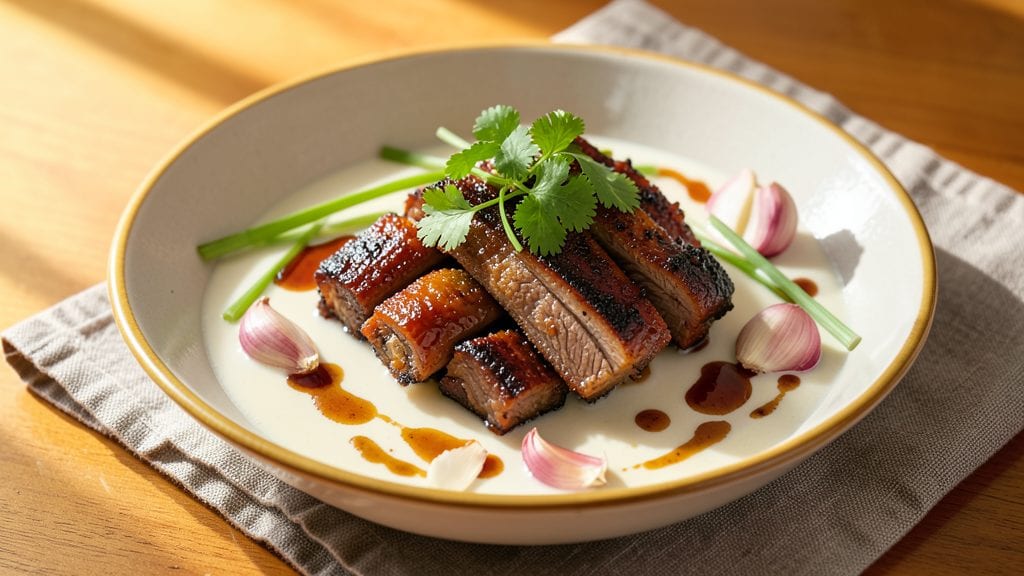
This Vietnamese beef short ribs recipe transforms tough cuts into melt-in-your-mouth tenderness through a slow-braised herbal broth and caramelized glaze. The secret lies in balancing sweet, salty, and umami flavors—coconut water for richness, fish sauce for depth, and aromatic spices that infuse every bite.
I developed this method after years of testing, ensuring the ribs stay juicy while developing that signature caramelized crust.
The process begins with marinating the ribs in a fragrant blend of garlic, ginger, and lemongrass, then braising them low and slow until fork-tender. The broth reduces into a thick, aromatic sauce that clings to each rib, while a final caramelization step creates a glossy, sweet-savory finish.
This isn’t just a dish—it’s a full sensory experience that brings the flavors of Vietnam into your kitchen.
What you’ll end up with is a plate of deeply flavorful short ribs served over steamed rice, accompanied by quick-pickled vegetables or fresh herbs for brightness. The meat falls apart easily, releasing its juices into the rich, herbal sauce beneath.
Each bite delivers layers of caramelized sweetness, smoky depth, and fragrant aromatics that make this dish unforgettable.
Perfect for special occasions or weekend cooking projects, this recipe serves four and can be prepped ahead for even better flavor development. The key to success is patience—letting the ribs braise until they’re tender and the sauce reduces to perfection.
Let’s get started on creating this restaurant-quality Vietnamese classic at home.
Ingredients for vietnamese beef short ribs
Fourteen ingredients for a dish that feels like a Vietnamese restaurant classic.
| Ingredient | Amount | Notes |
|---|---|---|
| Beef Short Ribs 🥩 | 2 ½ lb | Bone-in, cut into 2-inch pieces |
| Fresh Garlic 🧄 | 8 cloves | Peeled, smashed slightly |
| Fresh Ginger 🌿 | ½ cup | Finely grated, skin removed |
| Lemongrass 🌿 | 1 whole | Bruised, cut into 2-inch pieces |
| Coconut Water 🥥 | 1 cup | Unsweetened, canned or carton |
| Fish Sauce 🍶 | 2 tbsp | Red Boat preferred |
| Brown Sugar 🍚 | ½ cup | Packed, light or dark |
| Coconut Milk 🥥 | 1 can (13.5 oz) | Full-fat, unsweetened |
| Carrots 🥕 | 1 lb | Whole, cut into chunks |
| Daikon Radish 🥕 | 1 lb | Whole, cut into chunks |
| Star Anise 🌶️ | 2 whole | Lightly crushed |
| Cinnamon Stick 🌿 | 1 whole | 2-inch piece |
| Black Peppercorns 🌶️ | 1 tsp | Crushed, whole preferred |
| Salt 🧂 | 1 ½ tsp | Kosher or sea salt |
| White Vinegar 🍶 | 1 tbsp | For final caramelization |
The ribs are everything here—bone-in, cut into 2-inch pieces for maximum flavor. Costco or your butcher shop will have the best selection, and look for good marbling. Fresh ginger and lemongrass make or break the aroma, so grab them at the Asian market if possible. The star anise and cinnamon add depth, but don’t overlook them—they’re not just garnish. For fish sauce, Red Boat is my go-to, but any reputable brand works. The coconut water should be unsweetened, and if it’s canned, check for no added preservatives.
No lemongrass? Double the ginger and lime zest gets you close. Star anise hard to find? 1 tsp ground anise works in a pinch. The carrots and daikon can be swapped for potatoes or turnips if needed. For the coconut milk, full-fat is non-negotiable—it’s what gives that creamy texture. If you’re missing white vinegar for the final caramelization, apple cider vinegar works just as well. The brown sugar can be swapped for coconut sugar if you prefer a less refined option.
This dish tastes even better the next day—4-5 days in the fridge, or freeze for up to 3 months. Store the sauce separately if you’re freezing just the ribs. For serving, I like to reheat everything together on the stove—just add a splash of water to loosen the sauce. The ribs are perfect over jasmine rice, and any leftovers make killer sandwiches the next day.
Why You'll Love This Recipe
- One-Pot Magic: I swear by this recipe when I’m too tired to wash a million dishes. The ribs simmer right in the same pot with the lemongrass and garlic—just stir, cover, and let it work its flavor while I chop veggies for the table. No extra pans, no stress.
- Umami Bomb: That first bite? Rich, caramelized edges on fall-off-the-bone meat, balanced by the bright, citrusy punch of lemongrass and coconut water. Honestly, the ginger and garlic turn these ribs into something ridiculously good—like a hug in a bowl.
- Weeknight to Party: Same recipe, totally different vibes. Toss it over rice for a lazy Tuesday dinner, or serve it on a platter with fresh herbs for guests. The coconut water keeps it light enough for summer but hearty enough for winter—no last-minute panic, just pure flexibility.
- Budget-Friendly Luxury: Short ribs aren’t cheap, but this method stretches them far. I’ll be real: the leftovers are even better the next day, and the sauce thickens into a glaze that makes every bite feel special. Plus, you’re using affordable pantry staples like garlic and ginger to elevate something simple.
Step-by-step instructions for Vietnamese beef short ribs
Here's the method for making these rich, caramelized ribs with aromatic broth—every step ensures tender meat and perfect balance.
Sear the Beef Short Ribs for Deep Flavor
Heat a heavy pot or Dutch oven over medium-high heat until very hot. Add the 2.5 lb beef short ribs in a single layer, bone-side down. Let them sear undisturbed for 5-6 minutes until deep golden brown on one side—this builds the Maillard crust that locks in flavor. Flip carefully and repeat on the other side until equally browned.
Real talk: Don't rush this. You want those ribs to develop a rich caramelization before we start braising. Once both sides are beautifully browned, transfer the ribs to a plate and set aside temporarily. The pot will become your flavor base, so we're not cleaning it yet.
Build the Aromatic Base with Herbs and Spices
In the same pot, add 2 tablespoons fish sauce and let it bubble for 30 seconds to deglaze the fond. Then add 8 cloves fresh garlic, 0.5 cup fresh ginger, 1 whole lemongrass (bruised), 2 whole star anise, and 1 whole cinnamon stick. Stir for 1 minute until fragrant—you should smell that bright, citrusy lemongrass and warm spice notes.
Here's where it gets good: Pour in 1 cup coconut water and scrape up all those browned bits from the bottom. Add 1.5 teaspoons salt and 1 teaspoon crushed black peppercorns, then bring to a gentle simmer. This aromatic broth will infuse the ribs with complex, layered flavors.
Braise Until Fork-Tender with Vegetables
Return the beef short ribs to the pot, bone-side up. Add 1 lb carrots and 1 lb daikon radish, both cut into chunks. Pour in 1 can (13.5 oz) coconut milk and 0.5 cup brown sugar, stirring to combine. The sugar will help caramelize the edges of the ribs as they cook.
Bring everything to a simmer, then reduce heat to medium-low. Cover partially and let it cook for 2-2.5 hours until the ribs are fork-tender. You'll know they're done when the meat pulls away from the bone with just gentle pressure. The vegetables should be soft but still holding their shape—this ensures they don't turn to mush.
Finish with Caramelized Glaze
Once the ribs are tender, uncover the pot and increase heat to medium-high. Let the liquid reduce by about half, stirring occasionally, until it thickens into a glossy sauce. This is where the magic happens—the concentrated flavors create that signature Vietnamese caramelized finish.
Add the 1 tablespoon white vinegar and stir well. The acidity brightens all the flavors and cuts through the richness. Taste and adjust seasoning—you might need a little more fish sauce or salt to balance everything. The sauce should coat the back of a spoon and cling beautifully to the ribs.
Serve with Fragrant Broth and Vegetables
Transfer the beef short ribs to a serving platter, spooning some of the fragrant broth over them. Serve with the remaining braising liquid and vegetables ladled over rice or noodles. Each bite delivers tender, caramelized meat with layers of herbal, sweet, and umami flavors.
Don't skip the broth—it's packed with all the flavors we built. If you're feeling fancy, garnish with fresh cilantro or Thai basil. These ribs taste even better the next day as the flavors meld further, so make extra if you can.
Pro Tips For Making Vietnamese Beef Short Ribs
- Parboil Before Braising: Drop the ribs in boiling water for 2 minutes first—this loosens the connective tissue and guarantees tender results. I used to skip this, and my ribs always ended up chewy, no matter how long I braised them.
- Smash the Ginger: Use a rolling pin to flatten the ginger into a thin paste—it releases more flavor than minced or sliced. I was skeptical until I tried it; the dish tastes deeper and more aromatic.
- Don’t Rush the Coconut Water: Simmer the ribs in coconut water until it reduces by half—this concentrates the sweetness and thickens the sauce. Skipping this step leaves the dish watery, and you’ll regret it.
- Char the Lemongrass: Lightly char the lemongrass stalks over a flame before adding them to the pot—it adds a smoky depth that balances the richness of the ribs. Sounds weird, but it works every time.
Common mistakes when making your vietnamese beef short ribs
Over-Searing the Ribs
One of the biggest mistakes is searing the ribs too aggressively or for too long. When you burn the exterior before braising, you create a bitter crust that masks the delicate herbal and umami flavors we're building.
I recommend searing over medium-high heat for just 5-6 minutes per side—no more. If your ribs start smoking excessively, reduce the heat slightly. The goal is a deep golden brown, not charred black spots.
Skipping the Deglaze
Many home cooks forget to properly deglaze the pot after searing, which means losing all those flavorful browned bits stuck to the bottom. Those bits—called fond—are packed with caramelized meat juices that form the base of our aromatic broth.
After searing, immediately add 2 tablespoons fish sauce and let it bubble for 30 seconds to lift all those flavors. Don't rush this step—it's what makes the difference between good and restaurant-quality ribs. 🔥
Using Low-Quality Coconut Products
The quality of your coconut ingredients makes a huge difference in texture and flavor. I can't stress enough how important it is to use unsweetened coconut water and full-fat coconut milk. Sweetened versions will throw off the balance, and light coconut milk won't provide that creamy richness we want.
For the best results, I recommend Thai Kitchen coconut milk or Harmless Harvest coconut water. The fat content in full-fat coconut milk is what creates that luxurious mouthfeel in the final sauce.
Insufficient Braising Time
Patience is key with braised dishes, and beef short ribs are no exception. Many cooks pull the ribs out too early because they're impatient for tender meat. The ribs need to braise for 2-2.5 hours until they're fork-tender with just gentle pressure.
I know it's tempting to check them early, but resist! The meat should pull away from the bone easily—if it's still tough, give it another 30 minutes. The vegetables should be soft but not falling apart, as they help break down collagen in the meat.
Ignoring the Caramelization Step
The final caramelization is what gives these ribs their signature glossy finish and concentrated flavors. Some cooks skip this step or rush it, but it's absolutely essential. After braising, let the liquid reduce by about half over medium-high heat, stirring occasionally.
This step develops those beautiful caramelized edges and creates a thick, clinging sauce. The 1 tablespoon white vinegar at the end brightens all the flavors—don't skip it! This is where the dish transforms from good to exceptional.
Overcrowding the Pot
One common mistake is trying to cook all the ribs at once in a pot that's too small. When ribs are crowded, they steam instead of sear, and the braising liquid doesn't circulate properly. This leads to uneven cooking and less flavorful meat.
For 2.5 lb of ribs, use a Dutch oven that's at least 6-quart capacity. If you're cooking more, work in batches—sear the first batch, then remove them before adding the next. The extra space allows for proper browning and better heat distribution throughout the braising process. 💡
Nutrition facts
Frequently asked questions
Can I substitute beef short ribs with another cut?
For best results, stick with bone-in beef short ribs (like English-style or plate-cut). You could use beef chuck roast in a pinch, but it won't have the same rich marrow flavor. Pork ribs won't work—they're too fatty and lack the beefy depth. If you're short on time, beef shank would be a close second, but it requires longer braising.
How do I make this dish vegetarian?
Replace the beef with extra-firm tofu or mushroom medley (shiitake + king oyster). Use 1 cup vegetable broth instead of coconut water, and add 1 tbsp soy sauce plus 1 tsp miso paste for umami. The caramelization step still works—just reduce the sauce with a splash of balsamic vinegar instead of white vinegar. The texture won't be identical, but the aromatic broth will shine.
Can I make this recipe in a slow cooker?
Yes! Brown the ribs first in a skillet, then transfer everything to the slow cooker. Use low heat for 6-7 hours instead of 2-2.5 hours. Add 1/4 cup water to prevent burning, and finish with the caramelization step on the stovetop. The slow cooker method is perfect for hands-off prep, though the flavors will be slightly less concentrated.
What's the best way to reheat leftovers?
Reheat gently in a saucepan with 2-3 tbsp of the braising liquid over low heat until warmed through. Never microwave—it makes the sauce watery. For extra richness, add a splash of coconut milk while reheating. Leftovers actually improve as the flavors meld further, so this dish tastes even better the next day!
How can I make this dish spicier?
Add 1 tbsp chili paste (like sambal oelek) or 1-2 fresh Thai chilies (seeds removed) during the braising stage. For heat without spice, include 1 tsp ground white pepper or 1/2 tsp cayenne pepper with the spices. Balance the heat with extra brown sugar—the caramelization will help mellow the spice while adding depth.